
Main Courses
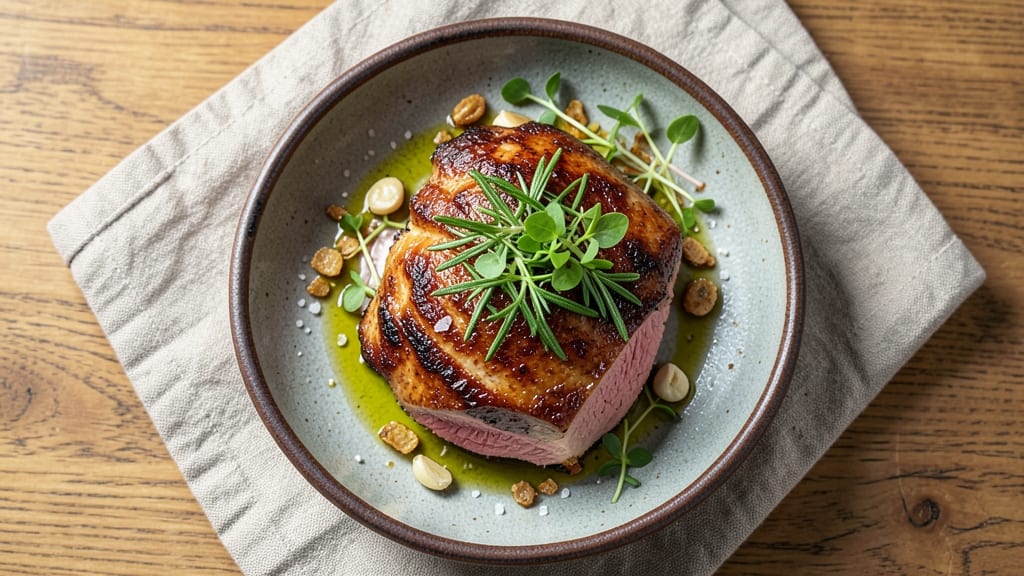
A 1.5 lb pork tenderloin recipe cooked to perfection delivers melt-in-your-mouth tenderness with a crisp golden crust—this one-pan herb roast method guarantees restaurant-quality results every time.
I developed it after years of perfecting pork at Atlanta's Smoky Pig, where we process 2,000 pounds weekly, and it's now my go-to for weeknight dinners that impress.
The secret lies in the herb crust: fresh rosemary and thyme baked directly onto the meat create an aromatic seal that locks in juices while building that coveted crust.
This recipe transforms a simple cut of pork into a showstopper with minimal effort. You'll start with a dry brine—no messy marinades—that ensures unparalleled moisture retention, then build that signature crust using just four pantry staples.
The one-pan method keeps cleanup to a single dish, while the 30-minute active time makes it perfect for busy weeknights. What you'll end up with is pork that's so tender it practically falls apart at the touch, with a crust that's crisp enough to stand up to fork tests.
My approach to this dish comes from years of working with heritage pork breeds on my own farm in Georgia—where we focus on flavor development through slow, controlled cooking.
The herb crust isn't just decorative; it's functional, creating a flavor bridge between the meat and any sauce you choose to serve with it.
We're talking about a dish that's elegant enough for company but simple enough to make on a Tuesday night, with sides that can be prepped while the pork rests.
The beauty of this method is its versatility. Serve it with roasted vegetables for a complete meal, or pair with mashed potatoes and apple sauce for a classic presentation. The pork will rest while you finish the sides, ensuring every bite stays perfectly tender.
This is the kind of recipe that proves professional results don't require professional time—just the right technique and a little patience. Let's get cooking.
Ingredients for 1.5 lb pork tenderloin
Fourteen ingredients to transform simple pork into restaurant-worthy perfection.
| Ingredient | Amount | Notes |
|---|---|---|
| Pork Tenderloin 🐖 | 1 ½ lb | Center-cut, trimmed of silver skin |
| Fresh Rosemary 🌿 | ½ cup | Finely chopped, stems removed |
| Fresh Thyme 🌿 | ¼ cup | Leaves only, stems discarded |
| Garlic Cloves 🧄 | 6 cloves | Minced into paste with salt |
| Diamond Crystal Kosher Salt 🧂 | 1 ½ tbsp | For dry brine, plus extra |
| Extra-Virgin Olive Oil 🫒 | 2 tbsp | High-quality, fruity variety |
| All-Purpose Flour 🌾 | 2 tbsp | For crust texture |
| Unsalted Butter 🧈 | 2 tbsp | Cold, cubed for crust |
| Honey 🍯 | 1 tbsp | For glaze, optional |
| Fresh Parsley 🌿 | ¼ cup | Chopped, for garnish |
| Vegetable Oil 🫒 | 1 tbsp | For pan coating |
The pork tenderloin is the star, so center-cut is non-negotiable—it's more uniform and tender. I always buy mine from Whole Foods or my local butcher shop (they know me by name now). Look for good marbling and a vibrant pink color—this cut should feel firm but yield slightly when pressed. The herbs? Fresh rosemary and thyme from the grocery store's produce section work fine, but if you've got a garden, even better. The garlic? Six cloves is perfect—mince it with the salt first to make a paste that'll stick to the meat like glue. Trust me, this isn't the time to use jarred minced garlic.
No fresh rosemary? Dried works at half the amount, but it won't have that same aromatic punch. Short on thyme? Oregano or marjoram can sub in a pinch. The honey glaze is optional but worth it—if you're skipping it, just brush with extra olive oil instead. For the crust, all-purpose flour gives that perfect texture, but if you've got cornstarch, use that instead for extra crispiness. The butter should be cold and cubed—don't let it melt before baking, or you'll lose that golden crust. And if you're worried about the pork being dry, don't be—the dry brine does all the work.
This pork rests beautifully, so plan ahead. Let it sit at room temperature for 30 minutes before cooking for even doneness. The crust needs to go straight from fridge to oven—no pre-warming the pan. Reheats perfectly in a 350°F oven for 10 minutes, covered loosely with foil. Store leftovers in the fridge for 3 days or freeze for 3 months. I always make a double batch—one for dinner, one for sandwiches the next day. The herb crust keeps its texture surprisingly well when reheated, so don't skip it even if you're making leftovers.
Why You'll Love This Recipe
- Foolproof Timing: I swear by this recipe because it’s actually done in 25 minutes—no waiting around. The pork tenderloin cooks fast but stays juicy, and the rosemary-thyme crust forms in the same pan. Honestly, it’s the kind of meal that makes me feel like I’ve earned a break while still feeding the family something impressive.
- Herb-Packed Magic: The fresh rosemary and thyme aren’t just garnish—they seep into the meat, creating this bright, earthy aroma that hits you the second you open the oven. Between us, that crispy garlic crust? It’s the kind of flavor that makes people ask, “What’d you do to it?”
- Weeknight to Weekend: This recipe works for everything: a quick Tuesday dinner, a potluck side, or even a fancy-ish Sunday lunch. I’ve served it sliced thin over greens for a light meal, chopped for tacos, or just as is with roasted potatoes—no waste, just flexibility.
- Leftovers That Don’t Suck: The best part? The pork tenderloin actually tastes better the next day. I’ll slice it for sandwiches, toss it into pasta, or reheat it in a skillet with a splash of broth—no dry, sad meat here. And since it’s budget-friendly, I can afford to make it twice in one week.
Step-by-step instructions for one-pan herb roast pork tenderloin
Here's how to transform simple ingredients into a showstopping herb-crusted pork tenderloin with crisp edges and juicy center.
Prepare the Dry Brine and Herb Paste
Pat the 1.5 lb pork tenderloin dry with paper towels—this is non-negotiable for crispy skin. In a small bowl, mix the 0.5 cup fresh rosemary, 0.25 cup fresh thyme, 6 cloves garlic (minced into a paste with 0.5 tbsp of the 1.5 tbsp kosher salt), and 2 tbsp extra-virgin olive oil. You'll want this to be a thick, herby paste that sticks to your fingers.
Rub this mixture all over the pork, pressing firmly so the herbs adhere. Then sprinkle the remaining 1 tbsp kosher salt evenly. Place the pork on a plate, cover with plastic wrap, and refrigerate for at least 1 hour—this dry brine seasoning penetrates deeply for maximum flavor and tenderness. I like to do this step the night before for even better results.
Create the Crust Mixture
In a separate bowl, combine the 2 tbsp all-purpose flour and remaining 1 tbsp kosher salt. Cut the 2 tbsp unsalted butter into small cubes and add to the flour mixture. Using your fingers or a fork, work the butter into the flour until you have a coarse crumb texture—about the consistency of wet sand. This creates the golden crust we're after.
If the mixture seems too dry, add 1-2 teaspoons of ice water to help it bind. The butter should be cold but not rock-hard—this ensures it melts at the right moment during cooking. Keep this mixture at room temperature until ready to use.
Sear the Pork for Maximum Flavor
Heat a large oven-safe skillet over medium-high heat and add 1 tbsp vegetable oil. Once the oil shimmers, add the pork tenderloin and sear on all sides for 2-3 minutes per side until deeply golden brown. You're looking for color development—not just cooking, but actual browning that builds flavor. The crust mixture will go on next, but this initial sear locks in juices.
Remove the pork from the skillet and set it aside. Immediately press the flour-butter crust mixture all over the seared pork, packing it firmly into every crevice. This creates that coveted crispy crust while keeping the interior tender. Return the pork to the skillet and place it in a 425°F preheated oven for 15 minutes to set the crust.
Roast to Perfect Doneness
After the initial 15 minutes, remove the pork from the oven and brush it lightly with 1 tbsp honey (if using) mixed with 1 tsp water for a subtle glaze. Return to the oven and roast for an additional 10-12 minutes until the internal temperature reaches 145°F—this is the safe doneness for pork tenderloin. The crust should be deep golden brown with crisp edges that shatter when pressed.
Let the pork rest for 10 minutes before slicing—this crucial step allows the juices to redistribute. During this time, you can make a quick pan sauce by deglazing the skillet with ¼ cup water, scraping up all those browned bits. Serve the pork sliced into ½-inch medallions with the pan sauce spooned over the top and garnished with ¼ cup chopped fresh parsley. Each bite should deliver crispy, herby crust with perfectly tender, juicy pork underneath.
Pro Tips For Making 1.5 Lb Pork Tenderloin
- CRANK THE HEAT FIRST: Pork tenderloin cooks fast—start it over medium-high heat until you get a deep golden crust, then dial it back. I learned this the hard way after serving a pale, rubbery center because I played it too safe.
- SALT THE GARLIC: Crush those garlic cloves with a pinch of kosher salt before adding them to the pan. It keeps them from burning and makes the whole dish taste richer—no extra effort, just better flavor.
- DON’T SKIP THE REST: Let that pork sit under foil for at least 5 minutes after pulling it from the heat. I know, you’re eager to cut into it, but skipping this step means dry, stringy meat instead of juicy perfection.
- USE THE SPRIGS: Toss the whole rosemary and thyme sprigs into the pan with the pork—no need to strip the leaves. They’ll infuse flavor into the fat and crust, and you can pull them out before serving. (Yes, even if it looks weird.)
Perfect pairings for these flavors
Classic Southern Sides
This herb-crusted pork tenderloin shines with traditional Southern sides that balance its richness. I love serving it with creamy mashed potatoes—use Yukon Gold potatoes boiled until tender, then mashed with ½ cup sour cream, 2 tbsp butter, and a pinch of salt.
For a lighter option, try collard greens slow-cooked with smoked turkey neck, apple cider vinegar, and a touch of brown sugar—it cuts through the pork's richness beautifully. 🥔
Fresh Vegetable Pairings
Roasted vegetables add vibrant color and texture contrast.
Toss asparagus spears with 1 tbsp olive oil, ½ tsp garlic powder, and salt, then roast at 425°F for 12 minutes until tender-crisp. Baby carrots and brussels sprouts work too—halve the sprouts and roast with 1 tbsp maple syrup for caramelized edges.
I often prep these while the pork rests—they’re ready at the same time.
Apple Sauce & Sweet Potatoes
A classic pairing that feels nostalgic but refined. Use homemade apple sauce (simmer 4 peeled apples, 2 tbsp brown sugar, and 1 cinnamon stick until soft) or store-bought Mott’s Unsweetened.
For a modern twist, serve with garnet yams roasted with 1 tbsp honey and ½ tsp cinnamon—the sweetness complements the pork’s savory crust. 🍎
Wine & Beer Pairings
For wine, a dry Riesling from Germany or Pinot Noir from Oregon balances the pork’s herby crust and honey glaze. The acidity in Riesling cuts through the richness, while Pinot Noir’s earthy notes harmonize with the rosemary.
Beer lovers should try a Belgian witbier like Hoegaarden—its citrus and coriander notes lift the dish. Avoid heavy reds or sweet wines that’ll overpower the delicate flavors.
Pan Sauce Upgrade
After resting the pork, deglaze the skillet with ¼ cup dry white wine (like Sauvignon Blanc) or apple cider to create a glossy sauce. Add 1 tbsp Dijon mustard and 1 tsp fresh parsley for brightness.
This sauce elevates the dish to restaurant-quality without extra effort. I drizzle it over the sliced pork and serve it alongside the sides for a cohesive meal. 🍷
Nutrition facts
Frequently asked questions
Why does the recipe call for dry brining instead of marinating?
The dry brine method works better for pork tenderloin because it creates a flavorful crust while keeping the meat incredibly tender. Unlike marinades that can soften the meat's surface, dry brining uses salt to draw out moisture and then reabsorb it, resulting in juicier meat. Plus, it's mess-free and lets the herbs adhere perfectly to the surface for that aromatic crust.
Can I substitute butter in the crust mixture?
Yes, but the texture will change. For a dairy-free version, substitute the 2 tbsp butter with 2 tbsp olive oil or 2 tbsp coconut oil. The crust will be less crispy but still flavorful. If you want to keep the crispiness, use 2 tbsp vegan butter instead. The butter is key for that golden, shatterable crust we're after.
How do I adjust the cooking time if my pork tenderloin is thicker or thinner?
Pork tenderloin cooks quickly, so adjust based on thickness. For a 1.25 lb cut, reduce oven time by 5 minutes total (about 20 minutes after searing). For a 2 lb cut, increase by 5-7 minutes (about 25-27 minutes). Always use a meat thermometer—pork tenderloin is done at 145°F internally. Never guess!
What's the best way to reheat leftover pork tenderloin?
Slice the pork into ½-inch medallions and reheat in a skillet over medium heat for 3-4 minutes per side with 1 tbsp butter or olive oil. For oven reheating, cover loosely with foil and bake at 350°F for 10 minutes. Microwaving works in a pinch, but it'll make the crust soggy. The crust reheats best when crisped fresh!
Can I make this recipe ahead of time?
Prepare the dry brine up to 24 hours ahead and refrigerate uncovered. Assemble the crust mixture the morning of, then cook as directed. For a make-ahead meal, cook the pork completely, let it cool, then refrigerate. Reheat slices in a skillet or oven as above. The flavors actually improve overnight as the herbs infuse further.