

Welcome to Pork Recipes Roast
You’re holding a recipe that promises a shoulder so tender it falls apart at a touch, or a belly so rich it makes every bite feel like a reward. But the instructions are vague, the timings are guesses, and the photos look nothing like what you end up with.
The smoke point is wrong. The internal temperature is a mystery. And somewhere in the middle, you realise this isn’t just a recipe—it’s a puzzle.
This is where *Pork Recipes Roast* begins. No shortcuts, no assumptions. Every technique is broken down into what actually works, from the first spark of the fire to the final pull of the meat.
Whether you’re turning a spit for the first time or refining a family method, you’ll find the details that turn good pork into great pork—and the stories that explain why those details matter.
Our story
The first time Rosalind Jensen pulled pork at her uncle’s backyard barbecue, the sandwich she ate was so good it changed how she thought about cooking.
The meat was fall-apart tender, the sauce had depth, and the whole thing was built on a method that felt like a secret—one her uncle wasn’t about to share.
That night, she made a note of the fire’s rhythm, the way the wood smoked, and the hour the meat came off the heat. It wasn’t enough. She needed more.
A year later, she started asking questions: What kind of wood? How long does it really take? Why does the crust matter? The answers were scattered—some in old cookbooks, some in forum threads, some in the half-remembered advice of strangers at grills.
She collected them all, tested them, and realised no one was writing down the *real* details—the ones that turn a good roast into one that stays with you. So she did.
The site began as a single notebook of adjustments, then grew into a place where every recipe is a conversation: *This is what worked.
This is why.* The turning point came at 3:17 AM, in a rented shed behind a smokehouse in North Carolina, when a batch of belly cured just right under applewood. The light hit the fat like liquid gold, and Rosalind knew this wasn’t just about recipes anymore.
It was about the moments in between—the patience, the fire, the way pork connects people.
What we stand for
*Pork Recipes Roast* exists for the people who treat cooking like craftsmanship. We believe great pork isn’t made by luck—it’s made by understanding fire, wood, and time. That’s why every recipe here is built on verifiable steps, not just tradition.
What you will always get here
- Recipes that work the first time, tested in real conditions—not just once, but twice.
- The science behind the smoke: why oak chars differently than hickory, and when to walk away.
- No filler. Every word serves the method or the story.
- A focus on what matters: texture, flavor, and the moments that turn a meal into a memory.
Meet the team
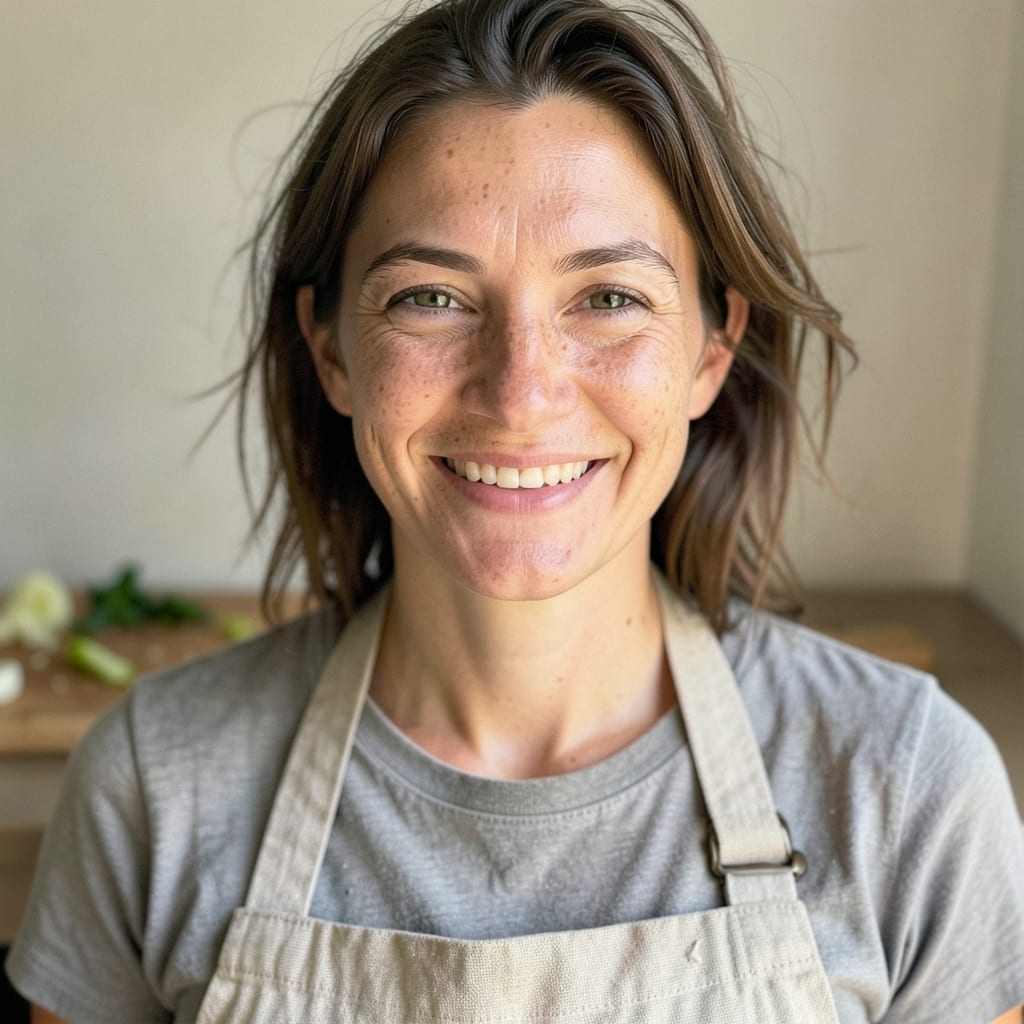
Behind *Pork Recipes Roast* is a small group of writers who share one thing in common: they’ve all pulled pork the wrong way at least once. Some of them grew up around smokehouses; others learned by trial, error, and a lot of charred wood.
What they don’t share is a single ‘perfect’ method—they share the willingness to keep refining, to ask ‘why?’ when others accept ‘because.’
Rosalind Jensen
Rosalind Jensen is the founder and editor of *Pork Recipes Roast*, and her role here is to make sure every recipe leaves room for the unexpected.
She started as a food writer covering regional cuisines, but her real education came from years spent in smokehouses and backyard pits, where she learned that the best methods are the ones that adapt.
Her desk is a clutter of notebooks, a digital thermometer, and a jar of her uncle’s secret rub—though she’ll never admit which spice is missing.
Before this, she ran a small catering business specialising in slow-cooked meats, where she mastered the art of keeping clients happy while the fire did its work.
Now, she edits every draft for clarity, precision, and that one detail most people overlook—the moment when the meat’s ready but the fire isn’t. She’s also the one who always burns the first batch of any new recipe, no matter how many times she’s done it before.
I don’t care about the ‘perfect’ pull—I care about the one that makes someone’s eyes light up when they take their first bite. If that means adjusting the wood mix or letting it rest an extra hour, so be it. Pork isn’t about rules; it’s about respect.
Rosalind Jensen
How we create our content
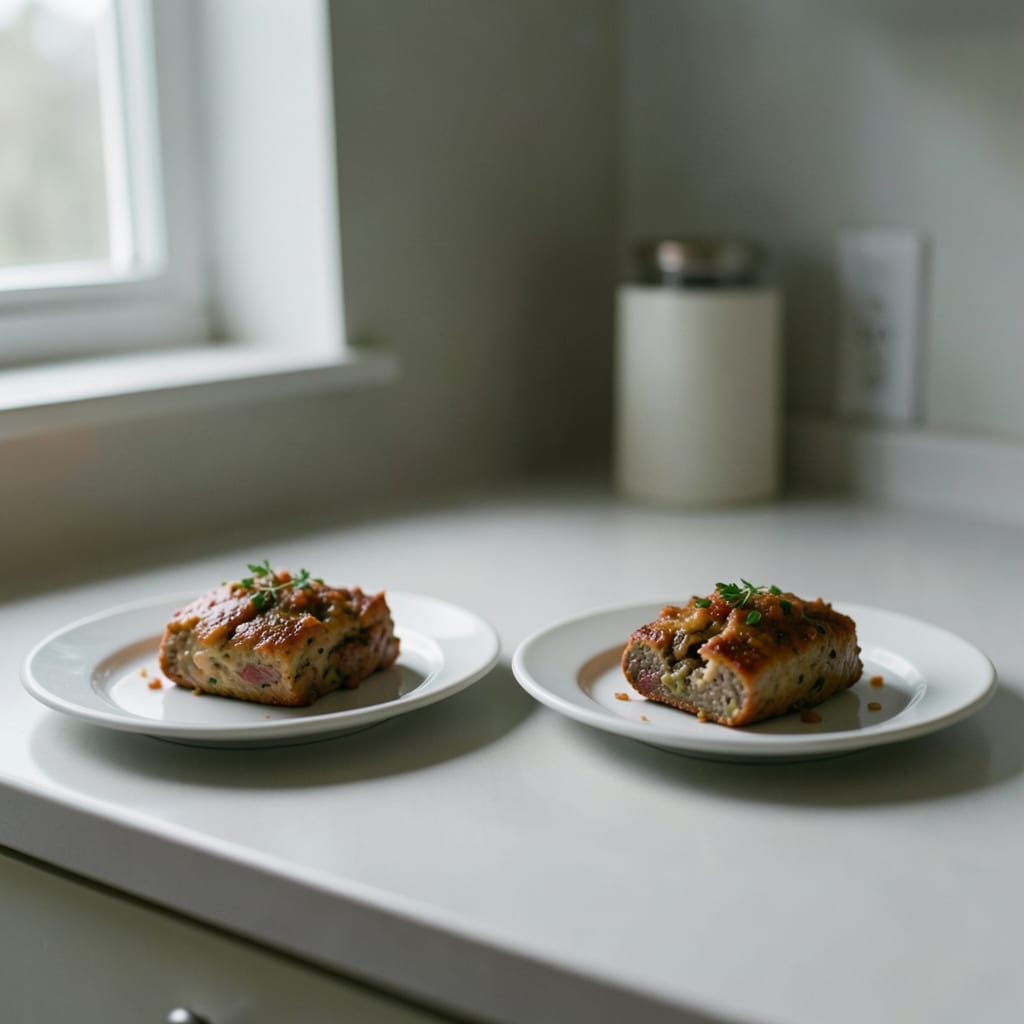
Every piece here begins with a question: *What’s missing from the way this is usually done?* It might be a gap in the instructions, a step that’s skipped, or a technique that’s treated like magic.
The answer almost always lies in the details—like the exact temperature where collagen turns to gelatin, or the hour before dawn when the air is still and the smoke hangs right. We chase those details, test them, and write them down so you don’t have to guess.
The first cut: research and testing
The process starts with two phases of testing. First, the author cooks the recipe in their own setup, logging every variable: the wood’s moisture content, the grill’s ambient temperature, the exact minute the internal probe hits 195°F.
Then, a volunteer—someone with no prior experience—tries it again, using the same measurements but their own equipment. If the second attempt fails (and it usually does, at least once), we go back to the drawing board.
This isn’t about perfection. It’s about finding what works in a *real* kitchen, where the thermometer might be off by 10°F, the wood burns unevenly, and the power goes out just as the meat’s about to pull. The goal is a recipe that survives those moments—and still delivers.
That’s why every timing here includes a 15-minute buffer. Because in the end, pork doesn’t care about your schedule.
The final edit: the ‘why’ and the ‘what if’
After the tests, the real work begins. We strip out the fluff and add two things most recipes skip: the *why* behind each step, and the *what if* for when things go wrong. Why does the bark matter? Because it’s the first flavor your guests taste.
What if the fire flares? Here’s how to bank it without losing heat. These aren’t just instructions—they’re a roadmap for the moments you haven’t anticipated yet.
The last check is always the same: *Would this help me if I were standing in my own kitchen at 2 AM, wondering why the smoke won’t stay down?* If the answer isn’t yes, we rewrite it. Because the best recipes aren’t just followed—they’re trusted.
Join our community
This isn’t just a site—it’s a group of people who treat pork with the same care as their own traditions.
Here, you’ll find answers to questions like *How do I fix over-smoked bark?* or *What’s the best wood for a first-time pull?* Others share their own adjustments, their failures, and the small victories that make the difference between ‘good’ and ‘unforgettable.’ If you’ve got a method that works (or one that didn’t), we want to hear it.
The best suggestions often end up here—and sometimes, they even improve a recipe.
Let's connect
We love hearing about the pork you’re cooking, the methods you’re curious about, or the stories behind the dishes you make. Whether it’s a question about a recipe, a tip for beginners, or just a tale from your own grill, share it with us on the contact page.
And if you’re ever stuck at 3 AM with a stubborn fire and a stubborn piece of meat, know this: someone here has been there too.
Now go turn that spit.
The recipes are grouped by category: Appetizers, Beverages, Breakfast & Brunch, Desserts, Main Courses and Reviews.