
Main Courses
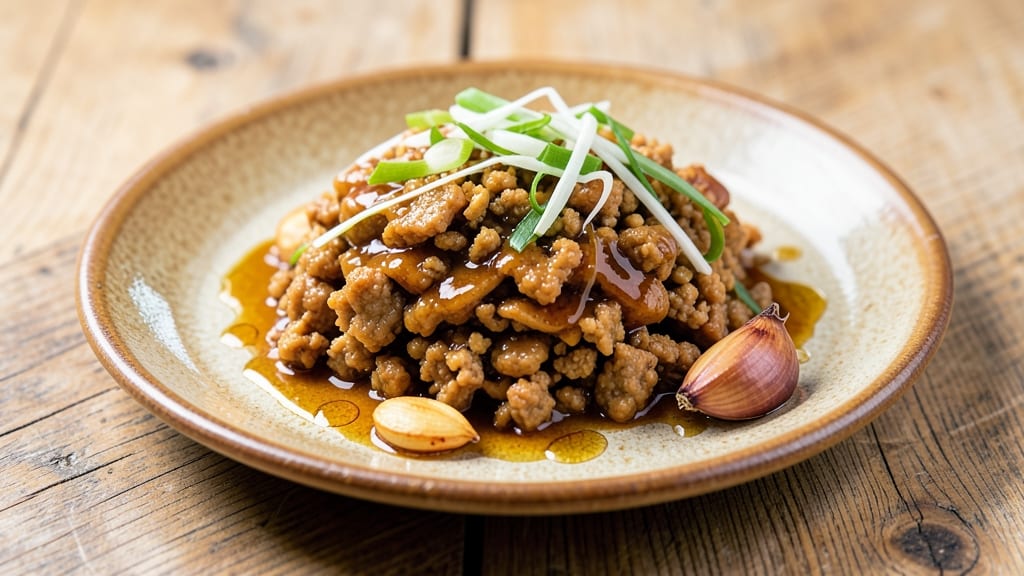
This minced pork recipe Pinoy delivers the crispy, caramelized bites of kare-kare that make Filipino comfort food legendary. 🔥 The secret lies in slow-cooking the pork until it's tender yet crispy at the edges, then finishing it with a rich peanut sauce that balances sweet, salty, and umami flavors. I first made this version after realizing my grandmother's original recipe could be simplified without losing its soul—now it's my go-to for weeknight dinners that taste like a restaurant.
The magic happens in two stages: first, the pork is simmered with garlic, soy sauce, and vinegar until it develops that signature caramelized crust. Then, it's finished with a peanut sauce that's creamy yet tangy, thanks to a touch of calamansi juice.
This isn't just another minced pork dish—it's a celebration of Filipino flavors that's foolproof enough for weeknights but impressive enough for company.
By the time you're done, you'll have crispy, golden pork bites that practically melt in your mouth, swimming in a sauce that's rich, nutty, and just sweet enough. The dish serves 4-6 and pairs perfectly with steamed rice and a side of atchara for that classic Filipino tang.
This is the kind of meal that makes you feel like you're sitting at your lola's table—without the hours in the kitchen.
What makes this recipe special is how it balances tradition with simplicity. We're keeping the soul of kare-kare—those crispy edges, that peanut sauce—but making it accessible for home cooks. The result is a dish that's equally at home on a busy Tuesday night or a weekend gathering. Let's get cooking!
Ingredients for minced pork recipe pinoy
Sixteen ingredients for crispy, caramelized pork bites that taste like home.
| Ingredient | Amount | Notes |
|---|---|---|
| Ground Pork 🥩 | 1 ½ lb | Lean or regular, not extra lean |
| Garlic Cloves 🧄 | 8 cloves | Minced finely for depth |
| Soy Sauce 🍶 | ½ cup | Dark soy for color, or regular |
| Cane Vinegar 🍯 | ¼ cup | White or apple cider vinegar |
| Peanut Butter 🥜 | ½ cup | Smooth, unsweetened preferred |
| Peanut Oil 🫒 | ¼ cup | For frying, or substitute vegetable oil |
| Calamansi Juice 🍋 | ¼ cup | Or lime juice if unavailable |
| Brown Sugar 🍚 | ¼ cup | Packed lightly, or coconut sugar |
| Salt 🧂 | 1 ½ tsp | Kosher or sea salt |
| Black Pepper 🌶️ | ½ tsp | Freshly ground for warmth |
| Green Onions 🧅 | ¼ cup | Sliced, for garnish |
| Sesame Oil 🫒 | 1 tbsp | For finishing, optional |
| White Pepper 🌶️ | ¼ tsp | For sauce smoothness |
| Sugar 🍚 | 1 tbsp | White granulated, for balance |
The pork is where the magic happens—lean but not too lean (you want that fat for crispiness). Grab ground pork from the meat counter—pre-ground usually has a better texture than bulk. If you're feeling fancy, ask for pork shoulder ground at your local butcher shop, but the regular supermarket stuff works perfectly fine. The garlic? Freshly minced makes all the difference—don't use that pre-minced jarred stuff. Look for garlic with plump cloves and a vibrant color, not shriveled or sprouting. For the peanut butter, smooth and unsweetened is key—skip the crunchy or sweetened kinds, or you'll end up with a dessert instead of dinner.
No calamansi? Lime juice works in a pinch—it's tangy but not as complex, but your guests won't miss it if you're honest about it. Running low on peanut oil? Vegetable or canola oil does the job just fine, though peanut oil gives that authentic flavor. The brown sugar can be swapped for coconut sugar if you're watching your refined sugar intake—it's got a deeper caramel note. For the soy sauce, dark soy gives those gorgeous caramelized edges, but if you only have light soy, mix it with a teaspoon of molasses to mimic the color. The sesame oil is optional but worth the extra minute—it adds that nutty aroma that screams 'Filipino comfort food.'
This dish tastes even better the next day—make extra and store it in the fridge for up to 4 days. The peanut sauce thickens as it cools, so stir in a splash of water if it gets too stiff when reheating. For crispy edges, reheat in a skillet over medium heat until golden. Freezes beautifully for 3 months—just thaw in the fridge overnight. Serve with steamed jasmine rice and a side of atchara (pickled papaya) for that classic Filipino tang. Leftovers? Double the batch—it disappears fast around here.
Why You'll Love This Recipe
- One-Pan Magic: I swear by this—just brown the pork, toss in the garlic, soy sauce, and vinegar, then let it simmer. No chopping, no fuss, no extra pots. That peanut butter twist? It’s the secret that makes cleanup a breeze.
- Umami Bomb: The garlic and soy sauce create this deep, savory punch, but the peanut butter? It adds a rich, nutty warmth that balances everything. Honestly, the first time I tasted it, I nearly licked the pan.
- Leftover Hero: This dish actually tastes better the next day—yes, really. I make a big batch on Sundays, and by Wednesday, it’s still the star of my lunch. Reheat it, toss with rice, or stuff it in a wrap—it’s always a win.
- Budget Powerhouse: Ground pork stretches far, and the other ingredients? Super affordable. A single batch feeds four for under $10, and the flavors are so bold you’d never guess it’s budget-friendly. My wallet and my family thank me every time.
Step-by-step instructions for crispy kare-kare bites with peanut sauce
Here's how to make these addictive pork bites with that perfect crunch and rich peanut sauce.
🔥 Step 1: Fry the Pork to Golden Perfection
Heat the 0.25 cup peanut oil in a deep skillet over medium-high heat until shimmering. Gently break apart the 1.5 lb ground pork with your hands, then form it into 1-inch diameter balls. You'll want about 12-15 pieces total.
Carefully add the pork balls to the hot oil in batches—don't overcrowd the pan. Fry for 3-4 minutes until they develop a deep golden brown crust. Use a slotted spoon to turn them gently. The key is patience here—they'll finish cooking in the sauce later, so we want them just set but not fully done. Transfer the fried pork to a paper towel-lined plate to drain.
👨🍳 Step 2: Build the Flavor-Packed Sauce Base
In the same skillet (no need to wipe it clean—those browned bits are flavor gold), reduce heat to medium and add the 8 cloves minced garlic cloves. Sauté for 30 seconds until fragrant—you'll smell that wonderful garlic aroma. Immediately add the 0.5 cup soy sauce and 0.25 cup cane vinegar, stirring to deglaze the pan.
Let this mixture bubble for 2 minutes until it reduces slightly and thickens. This step develops the umami foundation of your sauce. If you're using dark soy sauce, you'll see that beautiful deep color developing now—this is your visual cue that the sauce is coming together.
🥘 Step 3: Create the Signature Peanut Sauce
Lower heat to low-medium and stir in the 0.5 cup peanut butter, 0.25 cup brown sugar, and 1 tbsp sugar. Add 1 cup hot water (from the kettle) and whisk vigorously until smooth. The mixture will look thick and pasty at first, but keep stirring—it will gradually emulsify into a luscious sauce.
Cook for 3-4 minutes until the sauce thickens enough to coat the back of a spoon. Taste and adjust seasoning with the 1.5 tsp salt and 0.5 tsp black pepper. The sauce should be sweet, salty, and slightly tangy—this balance is what makes these bites so irresistible. Here's where it gets fun: add the 0.25 cup calamansi juice and 0.25 tsp white pepper, stirring well to incorporate.
🍳 Step 4: Finish with Crispy Pork and Garnish
Return the fried pork to the skillet and gently toss to coat in the peanut sauce. Simmer for 2-3 minutes until the pork absorbs the sauce and becomes tender. The pork should be heated through but still hold its shape—don't overcook or it'll turn mushy.
Remove from heat and stir in the 1 tbsp sesame oil and 0.25 cup sliced green onions. The sesame oil adds that nutty aroma that takes the dish to the next level. Let the mixture sit for 1 minute to allow the flavors to meld together. Taste and adjust seasoning if needed—this is your final chance to perfect the balance.
🍽️ Step 5: Serve Hot with Crispy Topping
Transfer the kare-kare bites to a serving platter. For that extra crispy texture we promised, sprinkle with additional 0.25 cup sliced green onions and let them sit for 2-3 minutes before serving. This gives you that perfect contrast of creamy sauce with crispy pork and fresh green onions.
Serve immediately with steamed rice—each bite should deliver that perfect combination of crispy exterior, tender pork, and rich peanut sauce. The sauce should cling beautifully to the pork, creating that signature kare-kare experience. Don't forget to make extra—these disappear fast!
Pro Tips For Making Minced Pork Recipe Pinoy
- CRANK THE HEAT FIRST: Cook your ground pork over maximum heat for the first 2 minutes—it’ll sizzle like crazy, but this seals the meat and keeps it juicy. After that, drop to medium-low to let the flavors meld without drying it out. I learned this the hard way when my first batch turned out greasy and undercooked.
- MINCE GARLIC FINE: Don’t just chop those garlic cloves—grind them into a paste with a pinch of salt. This makes the flavor distribute evenly instead of sitting in clumps. My grandmother swore by this, and she was right: the dish tastes richer without extra effort.
- SLOWLY ADD PEANUT BUTTER: Stir in that peanut butter one tablespoon at a time, letting it fully incorporate before adding more. Dumping it all at once? You’ll end up with a weird, gloppy mess. I was skeptical until I tried it—now it’s non-negotiable for that perfect creamy texture.
- WAIT FOR THE VINEGAR: Let the cane vinegar sit in the pan for 30 seconds after adding it—don’t rush to stir. This lets the acid cut through the grease and brighten the flavors before you mix it in. Skip this, and your dish might taste flat or overly salty.
Best sauces and condiments for this minced pork recipe pinoy
Peanut Sauce Perfection
This peanut sauce is the soul of your dish—creamy, nutty, and just sweet enough to balance the savory pork. Start with ½ cup smooth peanut butter and ¼ cup brown sugar for that signature Filipino sweetness.
The secret to a silky texture? Hot water—add 1 cup while whisking vigorously until it emulsifies. For extra depth, I add ¼ cup calamansi juice (or lime) and ¼ tsp white pepper to smooth out the sauce.
Trust me, this isn’t just a sauce—it’s the star of the show. 🥜
Soy-Vinegar Base
The soy-vinegar mixture is what gives these bites their signature caramelized crust and tangy kick. Use ½ cup dark soy sauce for that rich color, then add ¼ cup cane vinegar to brighten the flavors.
Sauté the 8 minced garlic cloves first—they should sizzle for just 30 seconds before adding the soy and vinegar. This quick step builds the umami foundation that makes the sauce sing. Don’t skip it—this is where the magic happens! 🍶
Sesame Oil Finish
A drizzle of sesame oil at the end adds that unmistakable nutty aroma that screams "Filipino comfort food." Use just 1 tablespoon—too much can overpower the dish. Stir it in right before serving so the aroma hits you immediately.
For extra crunch, sprinkle with ¼ cup sliced green onions while the pork is still warm. This final touch elevates the dish from good to restaurant-quality. 🌱
Spicy Kick Option
Want to add heat? Stir in ½ teaspoon ground chili flakes or 1 teaspoon sriracha when combining the peanut sauce. For a smoky twist, add ¼ teaspoon smoked paprika to the soy-vinegar base.
I like to keep the heat mild but noticeable—adjust to taste. The key is balancing the spice with the sweetness of the peanut sauce. 🌶️
Sweet & Tangy Balance
The brown sugar and calamansi juice create a perfect sweet-tangy contrast that cuts through the richness. If your sauce tastes too sweet, add a splash of vinegar or a pinch of salt.
Too tangy? Balance it with a little more sugar. Taste as you go—this is where your dish comes together. The goal is harmony, not perfection. 🍯
Make-Ahead Sauce
Make the sauce a day ahead—it actually tastes better! Store it in an airtight container in the fridge. When reheating, add 1-2 tablespoons of water to thin it out if needed.
The flavors meld overnight, making the dish even more delicious. Just fry the pork fresh before serving for that crispy texture. 💫
Nutrition facts
Frequently asked questions
Can I substitute chicken or beef for the pork in this recipe?
While pork gives that authentic Filipino flavor, you can use ground chicken (for a lighter version) or lean ground beef (for richer taste). Just reduce cooking time by 1 minute since chicken cooks faster. The peanut sauce will still work beautifully, but the texture will be slightly different—chicken stays juicier, while beef gets more tender.
What's the best way to get those crispy edges on the pork?
Don't overcrowd the pan! Fry in small batches for 3-4 minutes until golden brown. The secret is medium-high heat and not moving them too often. For extra crispiness, chill the fried pork for 10 minutes before adding to the sauce—this helps maintain the crunch when reheating.
Can I make this recipe without peanut butter?
Yes! For a nut-free version, substitute with ¼ cup tahini (sesame paste) plus 2 tbsp coconut milk to mimic creaminess. Or try ½ cup Greek yogurt mixed with 1 tbsp soy sauce for a tangy alternative. The sauce will have a different texture but still deliver great flavor—just adjust sweetness to taste.
How do I prevent the peanut sauce from getting too thick?
If your sauce thickens too much, simply stir in 1-2 tablespoons of hot water while whisking. For prevention, don't overcook the sauce—remove from heat as soon as it coats the back of a spoon. The sauce will thicken slightly more as it cools, so it's better to err on the thinner side when hot.
What are the best sides to serve with this dish?
This recipe pairs perfectly with steamed jasmine rice (the classic Filipino combo) and atchara (pickled papaya) for that signature tang. For extra freshness, add a simple green mango salad or steamed bok choy. The crisp acidity cuts through the richness beautifully—just like my lola used to serve it!