
Main Courses
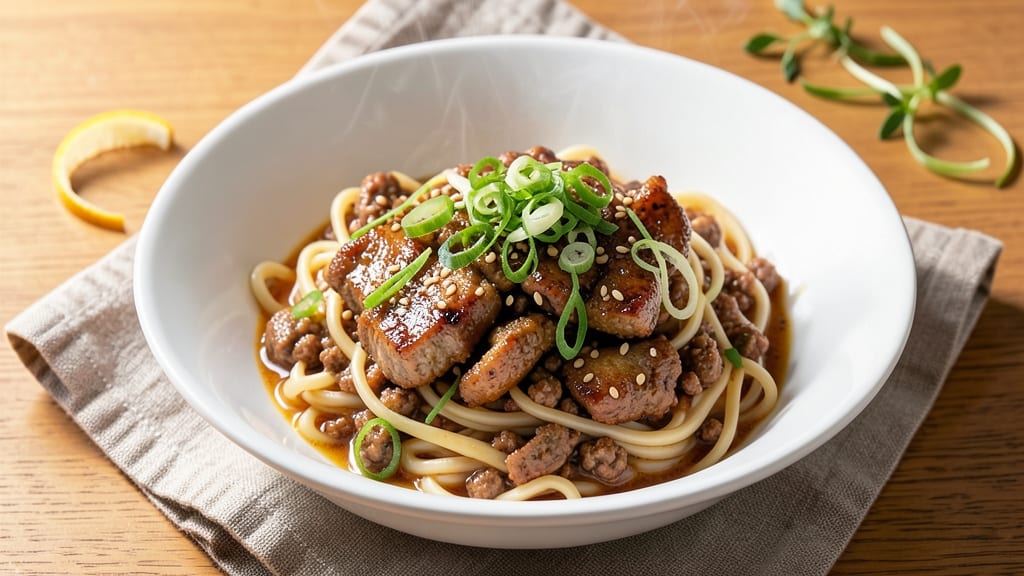
This mince pork noodles recipe delivers the kind of restaurant-quality stir-fry you can make at home in under 30 minutes. I’ve perfected the technique for achieving tender, flavorful pork that clings to silky egg noodles—no takeout required.
The secret lies in high-heat searing and a balanced sauce that marries umami, garlic, and a touch of chili for depth without overpowering.
What sets this dish apart is the two-stage cooking process: first, the pork gets seared until golden and fragrant, then tossed with aromatics before the noodles join the party.
This ensures every bite is packed with savory pork and tender strands of egg noodles that soak up the rich, aromatic sauce. The result? A dish that’s quick, satisfying, and packed with that classic wok-house flavor.
By the time you’re done, you’ll have a plate of silky noodles blanketed in tender pork, brightened with fresh herbs, and finished with a drizzle of sesame oil for that final touch of authenticity.
It’s the kind of meal that feels indulgent but comes together effortlessly—perfect for weeknights or when you’re craving something hearty yet simple.
Serve it with a side of quick-pickled vegetables or a simple cucumber salad to cut through the richness. Here’s how to make it—step by step, just like I do in my kitchen.
Ingredients for mince pork noodles
Quick grocery run for these 15 ingredients—everything you need for restaurant-style pork noodles at home.
| Ingredient | Amount | Notes |
|---|---|---|
| Ground Pork 🥩 | 1 lb | 80% lean, finely ground for even cooking |
| Egg Noodles 🍜 | 12 oz | Fresh or dried, wide egg noodles preferred |
| Garlic Cloves 🧄 | 6 cloves | Mince finely for aromatic depth |
| Fresh Ginger 🌿 | 1 ½ tbsp | Finely grated, bright and fresh |
| Green Onions 🧅 | 3 whole | White and green parts, sliced thin |
| Sesame Oil 🫒 | 1 ½ tbsp | Toasted, for finishing aroma |
| Soy Sauce 🍶 | 3 tbsp | Light or all-purpose, not low-sodium |
| Oyster Sauce 🍶 | 2 tbsp | High-quality for umami richness |
| Shaoxing Wine 🍷 | 1 ½ tbsp | Or dry sherry in a pinch |
| Sichuan Chili Oil 🌶️ | 1 tbsp | Adjust for heat preference |
| Cornstarch 🌾 | 1 tbsp | For tenderizing pork |
| Vegetable Oil 🫒 | 2 tbsp | High smoke point for searing |
| Salt 🧂 | ½ tsp | Kosher or sea salt |
| Black Pepper 🌶️ | ¼ tsp | Freshly cracked for warmth |
| Fresh Cilantro 🌿 | ¼ cup | Chopped, for fresh finish |
Ground pork makes or breaks this dish. Look for 80% lean at the meat counter—it’s finely ground and cooks evenly. Costco or local butchers often have the best quality, but any grocery store’s pre-ground will work. Fresh ginger and garlic? Buy whole and grate/mince yourself—pre-minced lacks punch. The egg noodles should be fresh or dried but wide (like 1/4-inch thick)—they hold up better to stir-frying than thin spaghetti. If you can’t find Shaoxing wine, dry sherry or even a splash of mirin will do, but don’t skip the umami boost.
No oyster sauce? Soy sauce plus a dash of fish sauce mimics that depth. Short on sesame oil? Toasted sesame seeds ground with a pinch of oil work in a pinch. The cornstarch is key—it tenderizes the pork while keeping it juicy. Mix it with the pork before cooking—don’t skip this step. For heat, Sichuan pepper oil or chili crisp can replace chili oil, but adjust to taste. Fresh cilantro is ideal, but dried oregano at 1/4 the amount works if you’re out. The green onions add freshness—save the white parts for the sauce, green for garnish.
Pork keeps 2 days in the fridge, but cook it fresh for best texture. Prep the aromatics (ginger, garlic, onions) ahead—they’ll stay fresh in a sealed container for 3 days. The cooked noodles reheat beautifully—just add a splash of water and toss. Portion into containers for easy lunches. Sauce freezes well for 3 months, so double it if you’re feeding a crowd. Store sesame oil in the fridge after opening—it goes rancid fast.
Why You'll Love This Recipe
- Fewer Ingredients, Bigger Payoff: I swear by this—just pork, noodles, garlic, ginger, and green onions. No fancy sauce, no hidden pantry raid. The magic happens in the stir-fry, where those simple ingredients transform into something rich and savory without the hassle.
- Garlic-Ginger Crunch: That first bite? The crispy pork bits with tender noodles, all coated in a fragrant sauce where fresh ginger and garlic cloves sing. Honestly, I’ve tried fancier versions, but this combo hits the spot every time—bold, aromatic, and impossible to resist.
- Lunchbox to Dinner Party: Make a big batch on Sunday and eat it all week—pack it cold for lunch or reheat it for dinner. (Yes, even on a Tuesday night.) It’s also the kind of dish that feels fancy enough for guests but low-key enough that no one notices how effortless it was.
- Budget-Friendly Powerhouse: Ground pork stretches further than you’d think, and egg noodles cost pennies. Between us, this recipe feeds four for under $10, and leftovers taste just as good the next day. My wallet and my family thank me every time.
Step-by-step instructions for mince pork noodles
Here's how to create a restaurant-quality stir-fry with tender pork and silky noodles.
Prepare the Pork Mixture
In a large bowl, combine the 1 lb ground pork, 1 tbsp cornstarch, 0.5 tsp salt, and 0.25 tsp black pepper. The cornstarch helps tenderize the meat and prevents it from becoming tough during cooking. Use your hands to mix everything thoroughly until the pork is evenly coated and the texture becomes slightly sticky.
Next, add the 6 cloves minced garlic cloves and 1.5 tbsp finely grated fresh ginger to the pork mixture. Mix well to distribute the aromatics evenly throughout the meat. The combination of garlic and ginger will infuse the pork with deep, savory flavors. Cover the bowl and let it rest at room temperature for 10 minutes—this allows the seasonings to penetrate the meat more effectively.
Cook the Pork Until Fully Done
Heat a large skillet or wok over medium-high heat and add 2 tbsp vegetable oil. Once the oil is shimmering and hot, add the pork mixture in small batches, breaking it up as it cooks. Avoid overcrowding the pan—this ensures the pork browns properly and develops a flavorful crust.
Cook the pork for 5-6 minutes, stirring occasionally, until it turns a rich, golden brown color and is fully cooked through. The internal temperature should reach 160°F when checked with a meat thermometer. If the pork releases easily from the pan and loses its raw appearance, it's ready. Transfer the cooked pork to a plate and set it aside.
Stir-Fry the Aromatics and Sauce
In the same skillet, reduce the heat to medium and add the 3 whole green onions, sliced thin. Stir-fry for 1 minute until they soften slightly. Then, pour in the 1.5 tbsp Shaoxing wine and let it simmer for 30 seconds to cook off the alcohol.
Next, add the 3 tbsp soy sauce, 2 tbsp oyster sauce, and 1 tbsp Sichuan chili oil to the skillet. Stir well to combine and let the sauce simmer for 2 minutes until it thickens slightly. The sauce should coat the back of a spoon and have a glossy appearance. If it's too thick, add 1-2 tablespoons of water to loosen it.
Cook the Noodles and Combine
In a separate pot, bring 4 cups of water to a rolling boil. Add the 12 oz egg noodles and cook according to package instructions until al dente—usually 3-4 minutes for fresh noodles or 5-6 minutes for dried. Drain the noodles and rinse them briefly under cold water to stop the cooking process. This prevents the noodles from becoming mushy when combined with the hot pork and sauce.
Return the drained noodles to the pot and toss them with 1.5 tbsp sesame oil to coat evenly. Then, add the cooked pork and sauce mixture to the noodles. Stir everything together gently but thoroughly to ensure the noodles are well-coated in the savory sauce. The dish should have a vibrant color and a tantalizing aroma.
Finish and Serve
Divide the mince pork noodles into 4 serving bowls. Garnish each portion with 0.25 cup chopped fresh cilantro and an extra drizzle of sesame oil for added aroma. The cilantro adds a bright, fresh contrast to the rich, savory flavors of the dish.
Serve immediately while the noodles are still hot and the flavors are at their peak. The dish should have a perfect balance of tender pork, silky noodles, and a well-rounded sauce with layers of umami, spice, and aromatic depth. Enjoy with a side of steamed vegetables or a simple green salad.
Pro Tips For Making Mince Pork Noodles
- PREP GINGER LIKE GRANNY: Peel that ginger, then freeze it solid for 10 minutes before grating—it’ll shred like butter, not get pulpy. I used to waste good ginger trying to cut it fresh; this trick keeps it sharp and easy to control.
- SALT THE PORK FIRST: Toss the ground pork with ½ teaspoon salt before cooking—it keeps the meat juicy and prevents that dry, overworked texture. I learned this the hard way after serving rubbery pork noodles to guests.
- STOP STIR-FRYING WHEN IT’S GLAZY: Pull the pork off heat the second it turns glossy from the sauce, not when it’s fully cooked—it’ll stay tender, not turn to mush. Overcooking is the #1 reason mine always feels sad.
- USE COLD NOODLES FOR CRISP: Rinse the cooked egg noodles under cold water, then toss with a drizzle of oil before tossing with the pork—this keeps them from turning soggy in seconds. Yes, it’s an extra step, but it makes a real difference.
Regional styles of this dish
Southeast Asian Twist
Inspired by Singaporean chili crab meets noodles, I boost the heat with 1 tbsp sambal oelek and 1 tsp shrimp paste in the sauce. Add 1/2 cup shredded cabbage and 1/4 cup roasted peanuts for crunch.
The shrimp paste adds a funky depth, while the peanuts give that signature Singaporean crunch. Serve with a side of lime wedges for squeezing over the top. 🌶️
Chinese Street Food
This is how I make it like the noodle stalls in Shanghai—no chili oil, but with 1 tbsp light soy sauce swapped for dark soy, and 1 tsp white pepper instead of black.
I also add 1/2 cup bean sprouts and 2 tbsp fermented black beans for that authentic street-food funk. The black beans add a salty, umami punch that’s hard to beat. 🥢
Thai-Inspired Version
For a Thai take, I replace the oyster sauce with 2 tbsp fish sauce and 1 tbsp palm sugar, then add 1/2 cup Thai basil and 1/4 cup crushed peanuts at the end. The palm sugar balances the heat, while the basil gives that signature Thai aroma.
I also toss in 1/2 cup shredded carrots for color and crunch. Serve with extra lime wedges and a sprinkle of chili flakes. 🌿
Japanese Okonomiyaki Fusion
This fusion takes inspiration from Japanese savory pancakes—swap the egg noodles for 12 oz buckwheat noodles and add 1/2 cup shredded cabbage and 2 tbsp okonomiyaki sauce to the pork mixture.
Top with 1/4 cup tenkasu (tempura bits) and 1/4 cup mayo for that crispy, creamy texture. It’s like a noodle version of okonomiyaki, but with all the savory goodness. 🍜
Korean Kimchi Stir-Fry
For a Korean twist, I add 1/2 cup chopped kimchi to the pork mixture and swap the soy sauce for 1 tbsp gochujang (Korean chili paste). The kimchi adds tangy, spicy depth, while the gochujang brings that signature Korean heat.
Finish with 1 tbsp sesame seeds and 1/4 cup sliced green onions for freshness. Serve with extra kimchi on the side for those who want more kick. 🌶️
Vietnamese Pho-Inspired
This version turns the dish into a noodle pho—use 12 oz rice noodles instead of egg noodles and add 2 cups beef or chicken broth to the sauce. Stir in 1 tbsp fish sauce, 1 tsp cinnamon, and 1 star anise pod while cooking the pork.
Garnish with thinly sliced jalapeños, bean sprouts, and hoisin sauce on the side. It’s like pho without the broth overload—just pure, flavorful noodles. 🍜
Nutrition facts
Frequently asked questions
Can I use ground beef instead of pork in this recipe?
Yes, but expect a different texture and flavor. Ground beef works well, but it’s slightly fattier and can make the dish heavier. If you swap, use 80% lean beef and reduce the oil by 1 tbsp to avoid greasiness. For a closer match, add 1 tsp fish sauce to the pork mixture to enhance umami. The cooking time stays the same, but pat the beef dry first to prevent splattering.
How do I prevent the noodles from getting mushy?
Rinse the cooked noodles under cold water for 10-15 seconds after draining to stop the cooking process. This shock treatment firms them up. Also, avoid overcrowding the pan when stir-frying—cook the noodles in 2 batches if needed, and toss them with a little oil before adding the sauce to create a protective barrier. Fresh egg noodles are more forgiving than dried, but both work if handled quickly.
What’s the best way to reheat leftovers?
Reheat in a skillet over medium heat with 1 tbsp water or oil to prevent drying. Stir constantly for 2-3 minutes until warmed through. For microwave reheating, cover with a damp paper towel and heat in 30-second bursts, stirring between each interval. Add a splash of water or broth to revive the sauce. Leftovers keep for 3-4 days in the fridge or 2 months in the freezer.
Can I make this dish spicier or milder?
For extra heat, add 1-2 tbsp chili crisp or 1/2 tsp cayenne pepper to the sauce. For milder flavor, reduce the chili oil to 1/2 tbsp or omit it entirely. Swap Sichuan pepper oil for regular sesame oil to remove the numbing spice. Adjust to taste—this dish is highly customizable based on your spice tolerance. Always taste the sauce before combining it with the noodles.
Why does my pork turn out dry?
Overcooking or skipping the cornstarch are the most common culprits. Cook the pork in small batches over medium-high heat until just browned (about 5-6 minutes total). The cornstarch helps retain moisture, so never skip it. Also, avoid stirring too aggressively—let the pork sear undisturbed for 30 seconds at a time. If it’s still dry, add 1 tbsp water or broth to the skillet and let it simmer for 1 minute before combining with the noodles.