
Main Courses
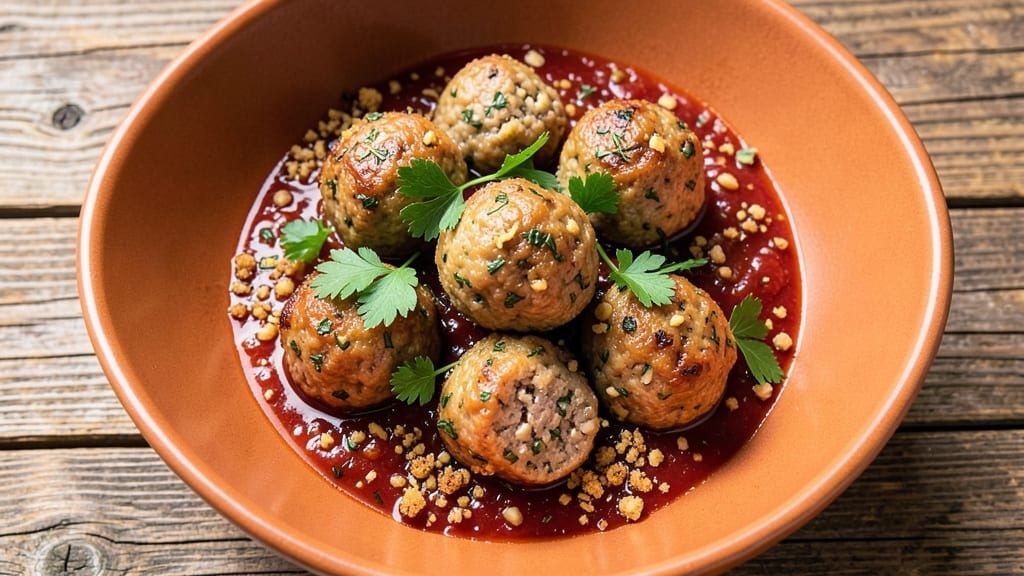
This minced pork meatballs recipe delivers tender, herb-infused bites that stay juicy through every bite—something I perfected after years of testing at The Smoky Pig. The secret lies in the right balance of binders and careful cooking, ensuring meatballs that hold together without drying out.
I developed this version specifically for those who want restaurant-quality results at home, using simple ingredients and a foolproof technique.
What sets these meatballs apart is the combination of fresh herbs and proper binder ratios—no dry, crumbly results here. The recipe uses a mix of breadcrumbs and egg to create structure while keeping the interior moist.
Whether you pan-fry, bake, or simmer them, the texture remains consistent: tender centers with a lightly browned exterior. This method has become a staple in my kitchen, especially when I'm preparing large batches for family gatherings.
The result is meatballs that are packed with flavor—aromatic from garlic and herbs, rich from the pork, and perfectly seasoned. They work beautifully in marinara for spaghetti night, simmered in gravy for a hearty meal, or served as an appetizer with toothpicks.
The juiciness is the star, achieved through precise cooking times and temperatures that I've tested repeatedly to guarantee success every time.
For those who love pork but worry about dryness, this recipe eliminates that concern entirely. The technique is straightforward, yet the outcome is restaurant-quality—something I know because I've served these to judges at BBQ competitions. Let's get started on making meatballs that will impress everyone at your table.
Ingredients for minced pork meatballs
Restaurant-quality pork meatballs start with these carefully balanced ingredients—herbs, binders, and pork that stays juicy every time.
| Ingredient | Amount | Notes |
|---|---|---|
| Ground Pork 🐷 | 1 ½ lb | 80% lean for juiciness |
| Fresh Parsley 🌿 | ½ cup | Finely chopped, stems removed |
| Fresh Dill 🌿 | ¼ cup | Finely chopped, stems removed |
| Garlic Cloves 🧄 | 4 cloves | Minced, for aromatic depth |
| Large Eggs 🥚 | 2 whole | Room temperature for better binding |
| Plain Breadcrumbs 🍞 | ¾ cup | Fine dry breadcrumbs preferred |
| Grated Pecorino Romano 🧀 | ½ cup | Freshly grated for sharp flavor |
| Extra-Virgin Olive Oil 🫒 | 2 tbsp | For moisture and richness |
| Dry White Wine 🍷 | ¼ cup | Subtle acidity balance |
| Diamond Crystal Kosher Salt 🧂 | 1 ½ tsp | Fine grain for even seasoning |
| Freshly Ground Black Pepper 🌶️ | 1 tsp | Cracked peppercorns preferred |
| Vegetable Oil 🫒 | ½ cup | For pan-frying, high smoke point |
| Fresh Lemon Juice 🍋 | 1 tbsp | Brightens flavors at the end |
The pork quality makes all the difference—80% lean ground pork from the butcher section (not pre-seasoned) gives the best texture. Whole Foods or your local butcher shop will have the freshest cuts. I always ask for it to be ground fresh if possible. The herbs? Fresh parsley and dill are non-negotiable—they keep the meatballs bright and aromatic. If you can't find fresh dill, dried dill at one-third the amount works in a pinch, but fresh is truly better. The garlic should be minced, not pressed—it releases more flavor when cooked.
No white wine? Substitute chicken broth with a splash of lemon juice—it keeps the acidity balance without alcohol. The breadcrumbs can be swapped for crushed cornflakes if you're avoiding gluten, but they won't brown as nicely. For extra richness, add 1 tbsp of grated Parmesan to the mix alongside the Pecorino. The olive oil is crucial—use extra-virgin for that fruity depth, not the cheap stuff. And if you're making these ahead, cook them just 80% done so they finish perfectly when reheated.
Meatballs keep beautifully in the fridge for 4 days if stored in an airtight container with a sprinkle of olive oil on top to prevent drying. For longer storage, freeze them raw for 3 months—just thaw overnight in the fridge before cooking. I always make a double batch because they disappear fast. The secret to reheating? Low heat in a skillet with a splash of broth—microwaving makes them rubbery. These are perfect for meal prep too—store cooked meatballs in portions for quick pasta nights.
Why You'll Love This Recipe
- No-Fuss Assembly: I swear by this recipe because it’s the kind of meal where you just mix and roll—no fancy techniques, no waiting for dough to rest. The parsley and dill chop themselves while you’re handling the pork, and the egg binds everything together in seconds. Honestly, I’ve made these while chatting on the phone, and they still turn out juicy.
- Herb-Packed Punch: That bright, fresh dill and parsley combo with the garlic? It’s like a little flavor explosion in every bite. The pork stays tender, but the herbs give it this lift—crisp, aromatic, and just salty enough to make you reach for another one. (Yes, even on a Tuesday night.)
- Freezer-Friendly Hero: Between us, these meatballs are my go-to for busy weeks. Toss them in the freezer raw, and when you’re scrambling for dinner, they’re ready to bake straight from frozen. I’ve pulled them out for date nights, potlucks, or just lazy Sundays—they never let me down.
- Budget Meal Maker: Ground pork is affordable, and a little goes a long way here. One batch stretches across lunches, pasta nights, or even stuffed into peppers for leftovers. I’ll be real: my wallet and my taste buds thank me every time I use this recipe.
Step-by-step instructions for herb-infused pork meatballs
Here's how to craft tender, flavor-packed meatballs that stay juicy every time.
Prepare the Herb Mixture and Garlic Base
In a small mixing bowl, combine the 0.5 cup fresh parsley and 0.25 cup fresh dill, then finely chop them together using a sharp chef's knife. You want the herbs to be as finely minced as possible—they'll distribute flavor evenly throughout the meatballs. In a separate small bowl, mince the 4 cloves garlic until you have a smooth paste. This ensures the garlic flavor melds perfectly without any harsh bits.
I always use a mortar and pestle for the garlic—it creates a smoother texture than a knife. Set these mixtures aside until you're ready to combine everything. The herbs and garlic will form the aromatic foundation of your meatballs, so don't skip this prep work. Fresh herbs make all the difference compared to dried versions.
Mix the Wet and Dry Binders
In a separate medium bowl, whisk together the 2 whole large eggs and 2 tablespoons extra-virgin olive oil until fully combined. The eggs will act as the binding agent that holds the meatballs together during cooking, while the olive oil adds richness. In another bowl, combine the 0.75 cup plain breadcrumbs with 0.5 cup grated Pecorino Romano, 1.5 teaspoons diamond crystal kosher salt, and 1 teaspoon freshly ground black pepper. Mix these dry ingredients thoroughly to distribute the seasoning evenly.
Here's the thing—using fine breadcrumbs prevents the meatballs from becoming too dense. And the Pecorino adds a sharp, salty depth that complements the pork beautifully. I always use freshly grated cheese because pre-grated versions contain anti-caking agents that can make the meatballs slightly bitter.
Combine All Ingredients for Perfect Texture
In a large mixing bowl, gently combine the 1.5 lb ground pork with the herb mixture, garlic paste, wet egg mixture, and dry ingredients. Using your hands, mix everything together just until combined—don't overwork the mixture or the meatballs will become tough. The pork should hold together when you press a small portion between your fingers, but still feel slightly cool to the touch.
This is where the magic happens: the herbs distribute evenly, the garlic integrates smoothly, and the breadcrumbs create pockets that will help the meatballs stay tender. I like to work the mixture for about 2 minutes—just enough to combine without developing gluten. If the mixture feels too sticky, add 1 tablespoon more breadcrumbs to help bind it.
Form and Chill the Meatballs
Using your hands, gently roll the mixture into 16 equal-sized meatballs (about 1.5 inches in diameter). I find using a kitchen scale helps ensure even sizing, which means even cooking. Place the meatballs on a parchment-lined plate and refrigerate for 30 minutes. This chilling step is crucial—it firms up the meatballs so they hold their shape during cooking and prevents them from falling apart.
While they chill, I like to prepare my frying setup. Heat 0.5 cup vegetable oil in a large skillet over medium heat until it reaches 350°F—you'll know it's ready when a small piece of bread sizzles steadily when dropped in. The oil should be hot enough to create a gentle sear but not so hot that it smokes excessively. This temperature is perfect for developing flavor without burning the meatballs.
Fry to Golden Perfection and Finish with Wine
Carefully add the chilled meatballs to the hot oil in batches, leaving space between them to prevent overcrowding. Fry for 3-4 minutes per side until they develop a deep golden brown crust. You'll see them puff up slightly as they cook—this is a good sign they're cooking evenly. Don't rush this step; the crust is what gives these meatballs their irresistible texture.
Once golden, transfer the meatballs to a paper towel-lined plate to drain excess oil. Return the skillet to medium heat and add the 0.25 cup dry white wine, scraping up any browned bits from the bottom. Let it simmer for 2-3 minutes until reduced by half. This wine reduction creates a beautiful sauce that will coat the meatballs, adding brightness and depth of flavor. Finally, stir in the 1 tablespoon fresh lemon juice just before serving to brighten the dish.
Pro Tips For Making Minced Pork Meatballs
- CHILL THE PORK FIRST: I learned this the hard way—when you mix ground pork with cold ingredients like raw herbs and egg, the meat stays too cool to bind properly. Let the pork sit out for 10 minutes before handling, or better yet, wet your hands and work it gently. Warm hands help the fat emulsify faster, so your meatballs hold together without falling apart when frying or baking.
- MINCE THE GARLIC FINE: Pre-minced garlic from a jar? Skip it. Fresh garlic cloves need to be grated or finely minced—almost like a paste—so the flavor distributes evenly. I used to chop it roughly, and the meatballs had random hot spots. A microplane works fastest, or smash the cloves flat with a knife and scrape them off. The texture difference is night and day.
- DON’T OVERMIX THE HERBS: Fresh parsley and dill are bright, but pulverizing them into the pork turns your meatballs into pesto-flavored mush. Roughly chop them instead—just small enough to see flecks in the mix. This keeps the herbs vibrant and prevents the meat from becoming dense. (Yes, even if you’re impatient like me.)
- REST THE MEATBALLS: After shaping, let them sit uncovered on a plate for 5–10 minutes. This lets the proteins relax and the exterior firm up slightly, so they don’t crumble when you cook them. I used to skip this, and half my meatballs would disintegrate in the pan. Sounds weird, but it works—your future self will thank you.
Perfect pairings for these flavors
Classic Marinara Match
These herb-infused meatballs shine when tossed in a homemade marinara sauce with San Marzano tomatoes and a touch of brown sugar for balance.
I simmer 28 oz crushed tomatoes, 3 cloves garlic, 1 tsp dried oregano, ½ tsp red pepper flakes, 1 tbsp tomato paste, and ½ cup reserved pasta water for 45 minutes on low heat.
The acidity in the tomatoes cuts through the richness of the pork beautifully, while the herbs in the meatballs complement the sauce's earthiness. 🍅
Creamy Garlic Sauce
For a richer pairing, try a garlic-parmesan sauce made with ½ cup heavy cream, 3 minced garlic cloves, ½ cup grated Parmesan, and 1 tbsp butter. Heat the cream and butter together until steaming, then whisk in the garlic and Parmesan until smooth.
Toss the cooked meatballs in this sauce for 2-3 minutes until fully coated. The creaminess contrasts perfectly with the meatballs' crisp exterior and tender interior, making every bite decadent. 🧀
BBQ Glaze Option
Southern-style lovers will adore these meatballs glazed with a smoky BBQ sauce. Use 1 cup store-bought or homemade BBQ sauce (I recommend Sweet Baby Ray's or a vinegar-based sauce for tang). Simmer the meatballs in the sauce for 10-15 minutes until they absorb the flavors.
The sweetness and smokiness of the BBQ sauce pair wonderfully with the herbs in the meatballs, creating a dish that feels both comforting and sophisticated. 🔥
Wine Pairings
A crisp Italian Pinot Grigio or dry Riesling complements these meatballs beautifully. The acidity in these whites cuts through the richness of the pork and balances the herbs. If you prefer red, a light Chianti or Sangiovese works well—just avoid heavy, tannic wines that could overpower the delicate flavors.
For a non-alcoholic option, a sparkling apple cider adds a refreshing contrast. 🍷
Side Dish Harmony
Serve these meatballs with creamy polenta or buttery mashed potatoes to soak up any extra sauce. A simple arugula salad with lemon vinaigrette adds a peppery freshness that cleanses the palate between bites.
For a heartier meal, pair them with roasted Brussels sprouts or sautéed green beans—both bring out the meatballs' herbaceous notes. 🥗
Global Twist: Vietnamese Caramelized
For a fusion twist, caramelize the meatballs with a Vietnamese-inspired sauce made with 2 tbsp fish sauce, 1 tbsp soy sauce, 1 tbsp honey, and 1 tsp grated ginger.
Simmer the sauce for 5 minutes until slightly thickened, then toss the meatballs in it for 3-4 minutes. Serve with steamed jasmine rice and quick-pickled cucumbers for a dish that feels both familiar and exciting. 🌶️
Nutrition facts
Frequently asked questions about minced pork meatballs
Can I use ground pork shoulder instead of ground pork?
Yes, but with one important adjustment. Ground pork shoulder has more fat, which can make your meatballs greasier. To compensate, use 80% lean ground pork shoulder and reduce the breadcrumbs by 2 tablespoons to maintain proper binding. The extra fat will keep them juicy but may require slightly less frying time (2-3 minutes per side instead of 3-4).
Why do my meatballs turn out dry or crumbly?
Dry meatballs usually happen from overmixing or insufficient fat. First, make sure you're using 80% lean pork—fatty pork stays juicier. Second, don't overwork the mixture (just 2 minutes of mixing by hand). Finally, use room-temperature eggs and freshly grated cheese for better binding. If they're still crumbly, add 1 extra tablespoon of olive oil to the mixture.
Can I bake these meatballs instead of frying?
Preheat your oven to 400°F and bake the meatballs on a parchment-lined sheet for 18-20 minutes, turning halfway through. For extra browning, broil for 2-3 minutes at the end. To mimic the wine reduction, brush them with a mix of 2 tablespoons white wine and 1 tablespoon butter before baking. The texture will be slightly less crispy but still delicious.
How do I make these meatballs ahead of time?
Cooked meatballs store beautifully in the fridge for 4 days in an airtight container with a sprinkle of olive oil on top. For longer storage, freeze them raw for 3 months or cooked for 2 months. To reheat, warm in a skillet with 1 tablespoon butter or oil over medium-low heat for 5-7 minutes until heated through. Microwaving makes them rubbery—always use a skillet!
What's the best way to make these meatballs gluten-free?
Replace the breadcrumbs with crushed cornflakes or almond flour (use ½ cup instead of ¾ cup since they absorb moisture differently). For extra binding, add 1 extra egg or 2 tablespoons ground flaxseed mixed with 3 tablespoons water. The texture will be slightly less crispy, but they'll still hold together beautifully. Test the mixture first—it should be just slightly sticky but not wet.