
Main Courses
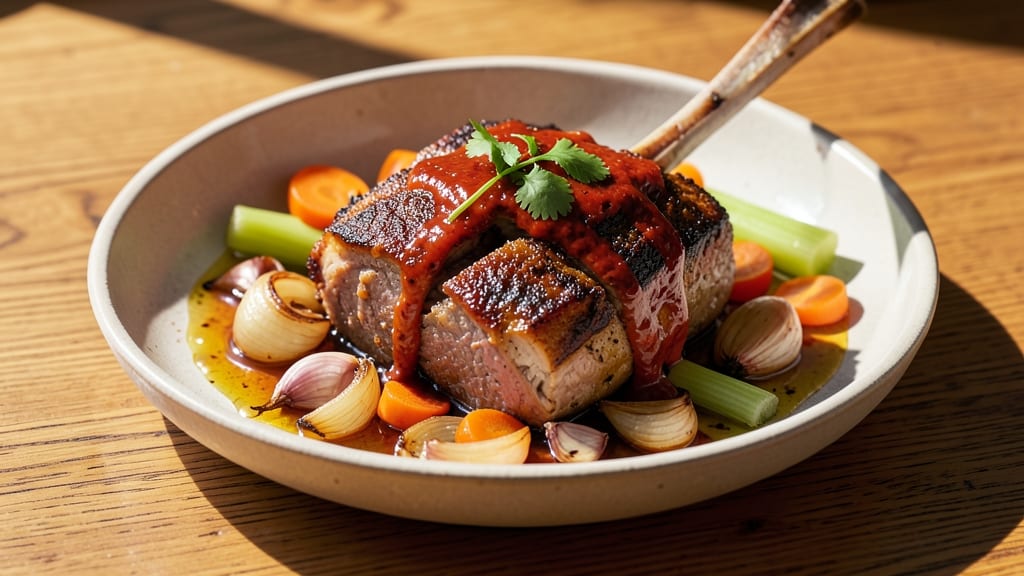
Alison Roman's pork shoulder harissa recipe transforms humble pork into a restaurant-worthy centerpiece with bold North African spice and tender perfection. 🔥 I've adapted her technique—slow-braised in a Dutch oven until the meat falls apart at 145°F—while keeping the crispy edges that make this dish unforgettable. The harissa glaze, simmered into the cooking liquid, infuses every bite with smoky, slightly sweet heat. What sets this apart is the balance: rich, fatty pork shoulder melts into juicy strands while developing a caramelized crust, all wrapped in harissa's complex flavors. The secret lies in patience—low and slow for hours—then finishing with a quick sear to lock in moisture and create that coveted crisp. This isn't just pork; it's a flavor journey that starts with North Africa and ends with your dinner table. The result is meat so tender it practically dissolves on your tongue, coated in a glossy harissa glaze that's both vibrant and deeply savory. Serve with warm crusty bread to soak up every last drop of that aromatic braising liquid, or pair it with roasted vegetables for a complete meal. The harissa's warmth lingers, turning an ordinary weeknight into something special. For those who love texture contrast, finish with a dollop of cool yogurt or fresh herbs—it cuts through the richness while highlighting the pork's natural depth. This recipe proves that with the right technique and bold flavors, even simple pork shoulder becomes extraordinary.
Ingredients for alison roman pork shoulder harissa
Six aromatic ingredients transform simple pork shoulder into North African-inspired perfection.
| Ingredient | Amount | Notes |
|---|---|---|
| Pork Shoulder (Bone-In) 🐖 | 4 lb | With fat cap intact for flavor |
| Harissa Paste 🌶️ | ½ cup | High-quality, smoky variety |
| Yellow Onion 🧅 | 1 whole | Medium size, peeled and halved |
| Garlic Cloves 🧄 | 6 cloves | Fresh, peeled and smashed |
| Carrots 🥕 | 3 whole | Medium size, peeled and chopped |
| Celery Stalks 🧅 | 3 whole | Medium size, chopped |
| Fresh Ginger 🌿 | 1 inch | Peeled and sliced (about 1 tbsp) |
| Canned Crushed Tomatoes 🍅 | 1 can | 28 oz, San Marzano preferred |
| Chicken or Vegetable Broth 💧 | 2 cups | Low-sodium preferred |
| Olive Oil 🫒 | ¼ cup | Extra-virgin for richness |
| Honey 🍯 | 1 tbsp | For balancing harissa heat |
| Cumin Seeds 🌿 | 1 tsp | Toasted for deeper flavor |
| Coriander Seeds 🌿 | 1 tsp | Toasted with cumin |
| Salt 🧂 | 1 ½ tsp | Diamond Crystal preferred |
| Black Peppercorns 🌶️ | ½ tsp | Freshly cracked |
The pork shoulder is non-negotiable here—bone-in with that fat cap intact for maximum flavor. Look for well-marbled cuts at the butcher counter or pre-packaged pork shoulder from Whole Foods or Costco. The harissa is the star, so don't skimp: La Boîte or Gafsa brands deliver authentic smoky heat. If you can't find fresh ginger, frozen works—just thaw and peel. For the vegetables, organic carrots and celery from the store's produce section keep best, but regular quality is fine for braising. The garlic? Freshly smashed cloves release more flavor than pre-minced.
No harissa paste? Mix 2 tbsp chili powder, 1 tbsp smoked paprika, 1 tsp cumin, and 1 tsp coriander for a DIY version. Short on cumin seeds? Ground cumin at double the amount works in a pinch. The tomatoes can be fresh if you prefer—just chop them, but San Marzano canned is more consistent. For broth, low-sodium is key—skip the salt boost later. The olive oil matters here: California Extra Virgin from Trader Joe's or Whole Foods adds fruity depth that generic brands miss. And yes, you can use maple syrup instead of honey if you prefer.
This dish tastes even better the next day, so make a double batch if you're feeding a crowd. Store leftovers in the fridge for 5 days or freeze for 3 months—the flavors deepen over time. For serving, warm crusty bread is mandatory to soak up that harissa-infused braising liquid. The pork reheats beautifully: 350°F oven for 20 minutes with a splash of broth restores that juicy perfection.
Why You'll Love This Recipe
- One-Pan Magic: I swear by this recipe because it’s that kind of meal—dump everything on a sheet pan, walk away, and come back to fall-apart tender pork. The bone-in cut keeps it juicy without fuss, and the harissa caramelizes right alongside the onions and garlic. No pots, no pans, no stress.
- Spice That Sticks: That harissa paste isn’t just for flavor—it’s the star. It clings to the pork like a second skin, balancing smoky heat with sweetness from the caramelized onions. Add a splash of broth at the end, and you’ve got a sauce so rich, it’ll make you forget takeout exists.
- Weeknight to Potluck: This dish is my secret weapon for lazy nights and impressing guests. Serve it sliced thin over crusty bread with pickled veggies for a casual dinner, or shred it for tacos when friends drop by. The leftovers? Even better the next day, rewarmed with a sprinkle of fresh herbs.
- Budget-Friendly Feast: Pork shoulder is a steal, and a 3-4 lb cut feeds a family for days. The harissa adds depth without breaking the bank, and the carrots stretch the meal into a full spread. Honestly, I make this when I’m pinching pennies—it’s that reliable. Plus, the leftovers taste just as good cold in sandwiches.
Step-by-step instructions for alison Roman's pork shoulder harissa
Here's how to transform a simple pork shoulder into tender, aromatic perfection.
🔥 Step 1: Sear the Pork Shoulder for Deep Flavor
Heat a Dutch oven over medium-high heat until it's very hot. Add the 4 lb pork shoulder (fat side down) and let it sear undisturbed for 10 minutes until the fat renders and the skin turns deep golden brown. This creates the foundation for that irresistible crust.
Flip the pork and continue searing for another 5 minutes until the second side is equally browned. The fat should be bubbling vigorously—this is what carries all those beautiful harissa flavors. Don't rush this step; patience here ensures maximum flavor development.
👨🍳 Step 2: Toast Spices and Build the Aromatic Base
Remove the pork shoulder and set it aside. In the same Dutch oven, add the 0.25 cup olive oil and reduce heat to medium. Add the 1 tsp cumin seeds and 1 tsp coriander seeds and toast for 1 minute until fragrant and lightly browned—this releases their essential oils and deepens their flavor.
Add the 1 whole yellow onion (halved), 6 cloves garlic (smashed), 3 whole carrots (chopped), 3 whole celery stalks (chopped), and 1 inch fresh ginger (sliced). Cook for 8-10 minutes until the vegetables soften and the onion becomes translucent. This aromatic base forms the flavor backbone of your dish.
🍳 Step 3: Deglaze and Simmer with Harissa
Pour in the 0.5 cup harissa paste and stir to combine with the vegetables. Add the 1 can crushed tomatoes and 2 cups chicken or vegetable broth, scraping up any browned bits from the bottom of the pot—this is where all the flavor lives.
Return the pork shoulder to the Dutch oven, fat-side up. Bring everything to a simmer, then reduce heat to low. Cover and cook for 3 hours, turning the pork occasionally. You're looking for the pork to become fork-tender and the sauce to reduce slightly—this creates a rich, concentrated flavor.
⏰ Step 4: Braise Until Fork-Tender
After the initial 3 hours, uncover the pot and increase heat to medium-low. Add the 1 tbsp honey and 1.5 tsp salt, stirring to combine. The honey helps balance the harissa's heat while adding subtle sweetness that rounds out the flavors.
Continue cooking uncovered for another 1-2 hours until the pork is fork-tender and easily pulls apart. The internal temperature should reach 195-203°F—this is when the collagen breaks down and transforms into gelatin, creating that signature melt-in-your-mouth texture. The sauce should be thick and glossy, clinging beautifully to the pork.
🔪 Step 5: Rest and Serve with Confidence
Transfer the pork shoulder to a cutting board and tent loosely with foil. Let it rest for 20-30 minutes before slicing. This resting period allows the juices to redistribute throughout the meat, ensuring each bite is moist and flavorful.
Slice against the grain into ¼-inch thick pieces and serve with the reduced harissa sauce spooned over the top. The result should be tender, juicy pork with a beautiful mahogany crust, perfectly balanced by the complex harissa-spiced sauce. Serve with crusty bread to soak up every last bit of that delicious sauce.
Pro Tips For Making Alison Roman Pork Shoulder Harissa
- Brown the Meat First: Don’t skip the initial sear—get that pork shoulder golden in a hot Dutch oven with oil before adding onions. I learned this the hard way: rushing to the harissa too soon means flavor gets diluted. Let it crisp for 8-10 minutes, turning occasionally, until it releases from the bone.
- Blend Harissa with Oil: Mix harissa paste with 2 tablespoons of oil before adding it to the pot. This prevents clumping and ensures even distribution—no dry, bitter pockets of spice. (Yes, even if the recipe doesn’t say it, trust me on this.)
- Don’t Crowd the Carrots: Slice carrots thin and add them in batches after the pork and onions soften. Piling them in early steams the onions instead of caramelizing them, and you’ll end up with sad, mushy veggies. Spread them out like you’re arranging a bouquet.
- Check Internal Temp Twice: Use a meat thermometer to hit 195°F—but pull it at 190°F and let it rest 10 minutes under foil. Pork shoulder keeps cooking off heat, and skipping the rest means dry, stringy meat. (Your future self will notice the difference.)
Regional styles of this alison roman pork shoulder harissa
Moroccan Tagine Style
In Morocco, this dish would be slow-cooked in a traditional tagine with preserved lemons and olives for brightness. I add 2 preserved lemons (peel only) and ½ cup green olives during the final hour of braising.
The acidity cuts through the richness while adding a Mediterranean tang. Serve with couscous instead of bread to soak up the sauce—it's a classic pairing. 🌿
Tunisian Harissa Crisp
Tunisia takes harissa to another level by finishing the pork with a crispy harissa crust. After braising, pat the pork dry and coat it with 2 tbsp harissa paste mixed with 1 tbsp olive oil.
Broil for 3-4 minutes until bubbly and golden. The heat from the broiler intensifies the harissa's smokiness while creating a textural contrast. Garnish with fresh cilantro for brightness.
Algerian Spiced Yogurt
Algerian cuisine balances harissa's heat with cooling yogurt. After slicing the pork, serve with a side of spiced yogurt made from 1 cup plain yogurt, 1 tsp ground cumin, ½ tsp ground coriander, and a pinch of salt.
Dollop it over the pork and drizzle with the reduced harissa sauce. The cool yogurt tempers the heat while adding creaminess. 🥛
Egyptian Garlic Sauce
Egyptian cooks often finish braised meats with a garlic-infused sauce. After braising, stir in 4 cloves roasted garlic and 2 tbsp tahini into the harissa sauce.
The nutty tahini and sweet roasted garlic create a luxurious finish. Serve with warm pita bread for dipping. This variation works beautifully with the pork's tender texture.
Libyan Olive Oil Finish
In Libya, extra-virgin olive oil is the star. After braising, remove the pork and reduce the sauce until it's syrupy. Stir in ¼ cup high-quality Libyan olive oil (or California extra virgin) and finish with 1 tbsp capers for briny contrast.
The oil enhances the harissa's depth while adding a silky texture. This version feels luxurious and restaurant-worthy.
Southeast Fusion Twist
Drawing from my Atlanta roots, I love adding a Southern BBQ touch. After braising, glaze the pork with 2 tbsp apple cider vinegar and 1 tbsp brown sugar, then finish under the broiler.
The tangy-sweet glaze pairs beautifully with the harissa's smokiness. Serve with collard greens** for a true Southern-North African mashup. 🔥
Nutrition facts
Frequently asked questions
Can I substitute boneless pork shoulder for this recipe?
While you can use boneless pork shoulder, the fat cap is essential for flavor and moisture. If substituting, look for a well-marbled boneless cut and increase the braising liquid by ½ cup to compensate. The meat will be slightly leaner, so expect a less rich sauce. For best results, add 1 tbsp olive oil to the braising liquid to mimic the fat's contribution.
How do I adjust the harissa heat level?
The recipe assumes a medium-hot harissa paste. For milder heat, reduce by 1-2 tbsp and add ½ tsp sweet paprika to balance. For extra spice, increase by 1 tbsp and add ½ tsp cayenne pepper. Remember: harissa builds in flavor as it cooks, so start conservative. Always taste the sauce before serving—you can't remove heat, only add sweetness or acidity (like lemon juice) if needed.
Can I make this recipe in a slow cooker?
Brown the pork first in a skillet, then transfer it to your slow cooker with all ingredients. Cook on low for 8 hours or high for 5-6 hours. The pork will be fork-tender, though the sauce may be thinner. For a thicker sauce, transfer everything to a saucepan after cooking and reduce over medium-high heat for 10-15 minutes, stirring frequently. The slow cooker method is perfect for hands-off cooking.
What's the best way to reheat leftovers?
Reheat pork shoulder leftovers in a 350°F oven for 20-25 minutes with a splash of broth or water to restore moisture. For quick reheating, use a skillet over medium heat for 5-7 minutes, adding a little braising liquid to prevent drying. Never microwave—it creates rubbery meat. The sauce reheats beautifully on the stovetop; simmer for 5 minutes until thickened, then adjust seasoning if needed.
Can I use this pork for sandwiches or tacos?
This recipe makes incredible sandwiches or tacos! For sandwiches, serve on crusty bread with the harissa sauce, shredded lettuce, and pickled red onions for brightness. For tacos, warm corn tortillas and top with pork, avocado slices, and lime crema (mix ½ cup sour cream with 1 tbsp lime juice). The harissa's heat works beautifully with the acidity of pickles or lime. Shred the pork coarser for tacos (½-inch pieces) and finer for sandwiches (¼-inch pieces).