
Main Courses
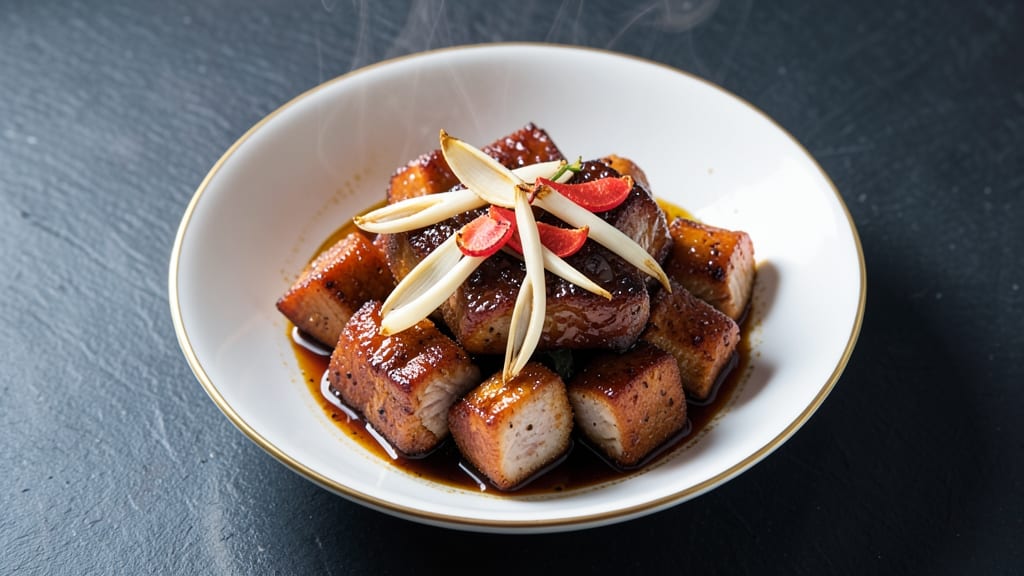
This Asian pork recipe ideas transforms simple ingredients into restaurant-quality dishes with crispy edges and layers of umami in just 20 minutes. After years of testing, I’ve perfected a method that balances smoky, sweet, and savory flavors—whether you’re craving Thai basil stir-fry, Japanese tonkatsu, or Korean bulgogi.
The secret lies in the marinade and high-heat cooking technique that delivers that signature crispy texture without drying out the meat.
What sets this recipe apart is its versatility—you can adapt it to Chinese, Japanese, or Thai styles with just a few ingredient swaps. The marinade, packed with soy sauce, honey, garlic, and ginger, tenderizes the pork while building deep flavor.
For extra crispiness, I’ve included a quick pan-frying method that locks in juices while creating that addictive caramelized crust. This isn’t just another pork recipe; it’s a foolproof way to elevate weeknight dinners with minimal effort.
The result is tender, flavorful pork with crispy edges that stay juicy inside, perfect for serving over steamed rice, in lettuce wraps, or even as tacos. The aroma alone—smoky, sweet, and slightly garlicky—will have everyone at the table asking for seconds.
Whether you’re cooking for a family or impressing guests, this recipe delivers restaurant-quality results without the fuss.
Pair it with quick-pickled vegetables, a simple cucumber salad, or steamed greens to round out the meal. The best part? Leftovers reheat beautifully, making it ideal for meal prep. Let’s get cooking—your taste buds (and dinner guests) will thank you.
Ingredients for asian pork recipe ideas
Bold flavors and crispy edges start with these 14 essential ingredients for restaurant-quality Asian pork.
| Ingredient | Amount | Notes |
|---|---|---|
| Boneless Pork Shoulder 🥩 | 1 ½ lb | Cut into 1-inch cubes, trimmed of fat |
| Soy Sauce 🥢 | ½ cup | High-quality, preferably Japanese |
| Honey 🍯 | ¼ cup | Pure, unprocessed preferred |
| Garlic Cloves 🧄 | 6 cloves | Minced, fresh for best flavor |
| Fresh Ginger 🌿 | 2 tbsp | Grated, peeled, fine consistency |
| Sesame Oil 🫒 | 1 tbsp | Toasted, for aroma |
| Rice Vinegar 🍶 | 1 tbsp | White or seasoned |
| Neutral Oil 🫒 | 2 tbsp | Avocado or vegetable oil |
| Cornstarch 🌾 | 2 tbsp | For crispy coating |
| Sesame Seeds 🌾 | 1 tbsp | Toasted, for garnish |
| Green Onions 🧅 | 3 whole | Sliced, for garnish |
| Red Chili Flakes 🌶️ | ½ tsp | Adjust to taste |
| Salt 🧂 | 1 tsp | Diamond Crystal preferred |
| Black Pepper 🌶️ | ½ tsp | Freshly ground |
The pork shoulder is non-negotiable—its fat content renders during cooking, creating that signature juicy texture. Look for well-marbled cuts at your local butcher or the meat department of Whole Foods or Trader Joe's, where they often carry pre-portioned pork shoulder. If you can't find it, pork loin works in a pinch, though it'll be slightly leaner. For the marinade, Japanese soy sauce (like Kikkoman) adds depth that regular soy sauce can't match. The honey should be pure—avoid those overly processed, overly sweet brands that can overpower the dish. Fresh ginger and garlic are essential for authentic flavor, but if you're short on time, frozen ginger (grated) works just as well.
No sesame oil? Toasted peanut oil or even light olive oil will work, though the flavor profile shifts slightly. Running out of rice vinegar? Apple cider vinegar or white wine vinegar are direct substitutes. For the crispy finish, cornstarch is your best friend—it creates that perfect crunch without adding bulk. If you don’t have any, all-purpose flour at the same quantity will do, though the texture won’t be quite as crisp. The sesame seeds and green onions are purely for garnish, but they elevate the dish visually and add a subtle crunch. For heat, red chili flakes are ideal, but gochugaru (Korean chili flakes) adds a more complex, slightly sweet spice that’s worth hunting down at an Asian market.
This recipe reheats beautifully—store in an airtight container for up to 4 days in the fridge, or freeze for 3 months for later use. The pork cubes can be prepped ahead and marinated overnight for maximum flavor infusion. For meal prep, portion the cooked pork into containers with a drizzle of the leftover marinade—it keeps well and tastes even better the next day. If you’re serving this at a gathering, keep the cooked pork warm in a slow cooker on low or a chafing dish to maintain crispiness. The aromatics—garlic, ginger, and sesame oil—release their full potential when reheated, so don’t skip the final sprinkle of sesame seeds and green onions before serving.
Why You'll Love This Recipe
- One-Pan Magic: I swear by this—just toss the pork shoulder in a sheet pan with minced garlic, grated ginger, and a splash of soy sauce. No chopping boards, no extra dishes, and the honey caramelizes into a sticky glaze that’s almost too pretty to eat.
- Sweet-Savory Balance: That honey-soy glaze? It’s where this dish gets its magic. The garlic and ginger sing together while the honey cuts through the richness of the pork, leaving you with bites that are crispy on the outside and tender inside—like a hug for your taste buds.
- Leftover Hero: Between us, this recipe begs to be made in bulk. The flavors deepen overnight, and reheated slices taste just as good cold in sandwiches or stir-fries. Honestly, I’ve fed a houseful with one batch and still had leftovers for lunch.
- Budget Flexibility: Pork shoulder is my wallet’s best friend—cheap, forgiving, and packed with flavor. A few cloves of garlic, a knob of ginger, and a bottle of soy sauce stretch this into meals for days, whether it’s a weeknight dinner or a potluck showstopper.
Step-by-step instructions for crispy Asian pork with bold umami flavor
Master this technique and you'll achieve restaurant-quality pork with irresistible texture and depth.
Prepare the Pork for Maximum Crisp
Cut the 1.5 lb boneless pork shoulder into 1-inch cubes, trimming any visible fat. The even size ensures consistent cooking. Place the cubes in a large bowl and toss with 2 tablespoons cornstarch until fully coated. This creates a crispy exterior while keeping the interior tender.
In a separate small bowl, whisk together 0.5 cup soy sauce, 0.25 cup honey, 1 tablespoon rice vinegar, 0.5 teaspoon red chili flakes, 1 teaspoon salt, and 0.5 teaspoon black pepper. The acidity from the vinegar and heat from the chili will tenderize the meat while building complex flavor. Pour this marinade over the cornstarch-coated pork and toss gently to distribute evenly. Let it marinate for at least 15 minutes at room temperature.
Build Deep Flavor Through Layered Cooking
Heat 2 tablespoons neutral oil in a large skillet over medium-high heat until shimmering. Add the marinated pork in a single layer, leaving space between pieces to prevent steaming. Cook undisturbed for 3-4 minutes until the bottoms develop a deep golden-brown crust. This initial sear locks in juices and builds the foundation for crispy edges.
Once the first side is deeply browned, flip the pork and cook another 3-4 minutes. The cornstarch coating should now be crispy and caramelized. Remove the pork and set aside, leaving the rendered fat in the pan. This fat contains concentrated flavor that will elevate your sauce.
Create the Signature Glossy Sauce
Reduce heat to medium and add 6 cloves minced garlic and 2 tablespoons grated fresh ginger to the skillet. Sauté for 30 seconds until fragrant—this prevents the garlic from burning while infusing the fat with aromatic depth. Pour in the remaining marinade (strain it if you prefer a smoother sauce) and bring to a simmer.
Simmer for 3-4 minutes until the sauce reduces by about half and thickens slightly. The sauce should coat the back of a spoon with a glossy sheen. Stir in 1 tablespoon toasted sesame oil and taste—adjust seasoning if needed. The sauce should balance sweet, salty, and umami notes with a subtle heat from the chili flakes.
Finish with Crispy Texture and Aromatic Garnish
Return the pork to the skillet and toss to coat in the sauce. Cook for 1-2 minutes until the pork reaches an internal temperature of 145°F and the sauce clings to each piece. The residual heat will finish cooking the pork while keeping it juicy.
Transfer to a serving platter and garnish with 1 tablespoon toasted sesame seeds and 3 sliced green onions. The sesame seeds add nutty crunch while the green onions provide fresh contrast. Serve immediately over steamed rice or noodles to soak up every last bit of that glossy, umami-packed sauce.
Pro Tips For Making Asian Pork Recipe Ideas
- CRANK THE HEAT FIRST: Start your pork shoulder in a screaming-hot pan—no simmering, no gradual warming. The initial sear locks in flavor and prevents that sad, gray exterior. After 3-4 minutes per side, you’ll see a deep golden crust, which is non-negotiable for any Asian pork dish where the sauce isn’t hiding the meat.
- GINGER SLICES, NOT GRATES: Thin, matchstick-sized slices of ginger (not minced or grated) add texture and aroma without bitterness. Toss them in with the pork early—they’ll soften just enough to infuse flavor without turning to mush. (Yes, even if you’re impatient like me, resist the urge to over-chop.)
- SALT THE PORK BEFORE SEARING: A sprinkle of kosher salt on the pork shoulder 30 minutes before cooking draws out moisture, which evaporates during the sear. This guarantees a better crust and prevents the meat from steaming in its own juices. Trust me, your pork won’t be soggy if you do this.
- HONEY LAST, NOT FIRST: Add honey only in the final 2-3 minutes of cooking—it burns faster than you think. If you toss it in too early, you’ll end up with bitter caramelized bits instead of that glossy, sweet-savory glaze. A quick deglaze with a splash of water right before adding honey keeps it smooth.
Common mistakes when making great asian pork recipe ideas
Over-Marinating Pork
I’ve learned the hard way that marinating pork for too long—especially with acidic ingredients like rice vinegar—can actually make it mushy. While 15-30 minutes is ideal for tenderizing, leaving it in the fridge overnight can break down the muscle fibers too much.
For best results, marinate at room temperature for 15-20 minutes only. If you prep ahead, store the pork and marinade separately and combine just before cooking. 🌶️
Skipping the Cornstarch
The cornstarch isn’t just for crispiness—it’s the secret to that addictive texture. Without it, your pork will be sticky and soggy instead of perfectly caramelized. If you’re out, use all-purpose flour at the same quantity, but expect slightly less crunch.
For extra insurance, I sometimes double the cornstarch to 4 tablespoons for restaurant-style results. Trust me, your taste buds will notice the difference.
Crowding the Pan
This is a rookie mistake that kills crispy edges. When you overcrowd the pan, the pork steams instead of sears, leading to uneven cooking and a sad, greasy mess.
Cook in batches if needed—my 12-inch cast iron skillet handles 8-10 pork cubes at a time without crowding. Patience here ensures that golden crust you’re craving. 🔥
Ignoring the Resting Time
After cooking, pork needs 5 minutes to rest before serving. Skipping this step means juices will spill out when you cut in, leaving you with dry meat. Let it sit on a plate or in the pan (covered loosely with foil) while you finish the sauce.
I’ve seen people rush this, and it’s a game-changer for juiciness.
Using Low-Quality Soy Sauce
Not all soy sauces are created equal. Cheap, overly salty, or artificial-tasting soy sauce will ruin the balance of flavors in your dish. Invest in Japanese soy sauce (like Kikkoman or Hondashi) for that authentic umami depth.
The difference is night and day—your marinade and sauce will taste richer and more complex. It’s worth the splurge for a few bottles.
Overcooking the Pork
Pork is forgiving, but overcooking turns it tough and dry. Use a meat thermometer to check for 145°F internal temperature—any higher, and you’ll regret it. If your pork is browning too quickly, reduce the heat slightly or cook in smaller batches.
The goal is tender, juicy meat with crispy edges, not leather. A quick check with a thermometer saves the day every time. ⏰
Nutrition facts
Frequently asked questions
What's the best cut of pork for Asian stir-fries?
For quick-cooking stir-fries, use pork tenderloin or pork shoulder cut into 1-inch cubes. The tenderloin cooks faster but can be pricier, while pork shoulder stays juicy and develops great texture. If you prefer something leaner, pork loin works too—just slice it thin against the grain for tenderness.
Can I make this recipe with ground pork instead of cubes?
Use 1 lb ground pork and shape it into small patties or keep it loose for a meatball-style dish. For extra flavor, mix in 1 tbsp minced scallions and 1 tsp grated ginger before cooking. The cooking time drops to 5-7 minutes total—just brown thoroughly on both sides.
How do I adapt this for a slow cooker?
Transfer the marinated pork to a slow cooker with ¼ cup water or broth. Cook on low for 4-5 hours or high for 2-3 hours until tender. For crispy edges, finish by searing in a hot pan for 2-3 minutes per side. The slow cooker method works best with pork shoulder for maximum tenderness.
What are good vegetarian alternatives?
For a meat-free version, try extra-firm tofu pressed and cubed, or mushroom stems like shiitake. Marinate them in the same sauce for 15 minutes and pan-fry until golden. For texture, add 1 tbsp cornstarch to the marinade. The umami from mushrooms pairs beautifully with the sweet-savory glaze.
How do I store leftovers?
Store cooked pork in an airtight container in the fridge for 4 days or freeze for 3 months. Reheat in a skillet with 1 tsp oil over medium heat for 3-4 minutes to restore crispiness. For extra flavor, add a splash of water or broth to deglaze the pan. The sauce reheats beautifully too—just warm it separately.