
Main Courses
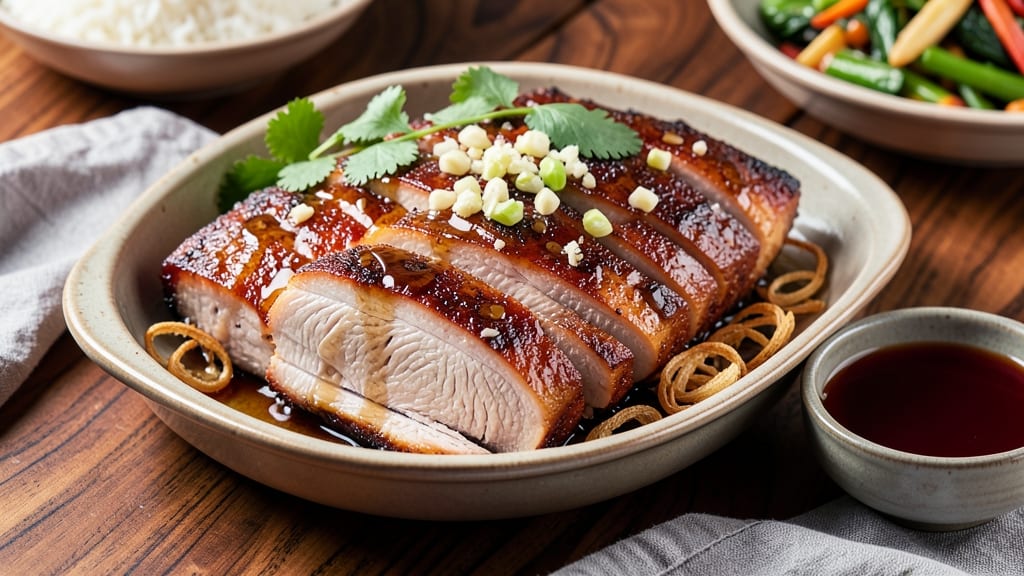
This Asian pork loin roast delivers restaurant-quality results with a five-spice glaze that caramelizes into a sticky, aromatic crust. 🔥 After years of perfecting pork roasts for my restaurant, I developed this technique that balances traditional Asian flavors with modern simplicity—no complicated marinades or hours of prep required.
The secret lies in a simple glaze that transforms tender pork into a showstopping centerpiece.
The recipe starts with a pork loin—lean yet flavorful when cooked properly—and combines five-spice powder with soy sauce, honey, and ginger for depth. I roast it at high heat initially to sear the edges, then finish with the glaze to create that signature caramelized crust.
This method ensures the meat stays juicy while developing rich, complex flavors that’ll have everyone asking for seconds.
What you’ll end up with is a golden-brown roast with tender, melt-in-your-mouth pork and a glaze that’s both sweet and savory. The five-spice blend adds warmth and earthiness, while the caramelized edges bring a satisfying crunch.
It’s elegant enough for a dinner party but simple enough for a weeknight—perfect for impressing guests without stress.
Pair it with steamed jasmine rice and stir-fried greens for a complete meal, or serve with roasted root vegetables for a heartier spread. The leftovers reheat beautifully, making this a versatile dish for any occasion. Let’s get started on creating this showstopper.
Ingredients for asian pork loin roast
Lean pork loin meets aromatic five-spice magic for a showstopping roast—no fancy prep needed.
| Ingredient | Amount | Notes |
|---|---|---|
| Pork Loin 🐖 | 2 lb | Center-cut, bone-in preferred |
| Five-Spice Powder 🌶️ | 2 tbsp | Authentic blend for depth |
| Soy Sauce 🥢 | ½ cup | Dark soy for richer color |
| Honey 🍯 | ¼ cup | Wildflower preferred |
| Fresh Ginger 🧄 | 1 tbsp | Finely grated, aromatic |
| Garlic Cloves 🧄 | 4 cloves | Minced for glaze |
| Sesame Oil 🫒 | 1 tbsp | Toasted for nutty aroma |
| Olive Oil 🫒 | 1 tbsp | For searing pork |
| Jasmine Rice 🍚 | 1 ½ cups | Uncooked, for serving |
| Diamond Crystal Kosher Salt 🧂 | 1 tsp | For seasoning |
| Freshly Ground Black Pepper 🌶️ | ½ tsp | For balanced heat |
| Green Onions 🧅 | 3 whole | Sliced, for garnish |
| Sesame Seeds 🌱 | 1 tbsp | Toasted for crunch |
The pork loin is the star here, so center-cut bone-in is key—it stays juicier and develops better flavor. Grab it from the butcher section where they cut it fresh; Whole Foods or local markets often have the best quality. If you can't find bone-in, go for boneless but ask for the thickest cut available. The five-spice powder? Penzeys or Asian markets carry authentic blends—avoid the generic supermarket versions that taste like dust. For the honey, wildflower or clover works best, but avoid light-colored varieties that lack depth. Fresh ginger and garlic should be vibrant—no shriveled roots or moldy cloves.
No five-spice powder? Mix 1 tsp each of cinnamon, cloves, fennel, star anise, and Szechuan peppercorn—it's a pain but works. Subbing honey? Maple syrup or agave in a 1:1 ratio, but the glaze won't caramelize as beautifully. Running out of sesame oil? Avocado oil or neutral oil works, but toast the seeds separately. The dark soy sauce is non-negotiable for that rich color—regular soy won't cut it. For the rice, jasmine is ideal, but basmati or short-grain white are fine in a pinch. And if you're feeling fancy, swap the green onions for scallions or chives—whatever you've got on hand.
This roast reheats like a dream—350°F for 10 minutes with a splash of water keeps it moist. Store leftovers covered in the fridge for 4 days or freeze for 3 months. The glaze hardens when cold, so reheat with a splash of water to revive it. For serving, I always toast the sesame seeds in a dry pan for 30 seconds—they add incredible crunch. Pair with extra jasmine rice and quick-pickled veggies to round out the meal. The glaze also makes an amazing dipping sauce for dumplings if you've got extras.
Why You'll Love This Recipe
- Five-Ingredient Magic: I swear by this combo—just pork, five-spice, soy, honey, and ginger. That’s it. No fancy prep, no hidden pantry raids, and the flavors still sing.
- Sweet-Savory Balance: The honey glaze caramelizes into sticky perfection, while the five-spice powder adds warmth. It’s not too sweet, not too salty—just right, like a hug in bite form.
- Leftovers That Don’t Suffer: Between us, this roast tastes better the next day. Thinly slice it for sandwiches, toss it into fried rice, or just reheat a portion for a lazy lunch. Zero waste, all flavor.
- Weeknight Hero: I’ve made this after a long day—no stress. The ginger and soy marinate while I chop veggies, and the oven does the rest. Done in 45 minutes, with cleanup that’s basically nonexistent.
Step-by-step instructions for Asian pork loin roast with five-spice glaze
Here's how to transform simple pork loin into a showstopper with caramelized edges and aromatic depth.
🔥 Step 1: Sear the Pork Loin for Maximum Flavor
Pat the 2 lb pork loin completely dry with paper towels—this is non-negotiable for crispy edges. Heat a heavy skillet over medium-high heat and add the 1 tbsp olive oil. Once shimmering, place the pork loin in the pan and sear for 4-5 minutes per side until deep golden brown forms.
I press down gently on the pork during the first minute—this prevents it from curling and ensures even contact with the pan. You'll know it's ready to flip when it releases easily from the skillet. Transfer to a plate and let it rest for 5 minutes while you prep the glaze.
👨🍳 Step 2: Make the Five-Spice Glaze
In a small bowl, whisk together the 0.5 cup soy sauce, 0.25 cup honey, 1 tbsp finely grated fresh ginger, and 4 minced garlic cloves until fully combined. Add the 2 tbsp five-spice powder and mix well to distribute those warming spices evenly.
Here's the thing—don't skip the five-spice. It's the secret to that complex, aromatic depth that sets this apart from basic soy-honey glazes. The honey will caramelize beautifully when we roast, creating those stunning edges you're after.
🥘 Step 3: Glaze and Roast to Perfection
Preheat your oven to 375°F. Place the seared pork loin in a roasting pan and pour the glaze evenly over the top, using a spoon to spread it into an even layer. Roast uncovered for 25-30 minutes until the internal temperature reaches 145°F.
About 10 minutes before it's done, brush the pork with the 1 tbsp sesame oil—this adds that nutty aroma and helps create the caramelized crust. The edges should be deep amber with some areas almost blackened, while the interior remains juicy.
⏰ Step 4: Rest and Prepare Jasmine Rice
Transfer the pork to a cutting board and tent loosely with foil. Let it rest for 15 minutes—this crucial step allows the juices to redistribute. Meanwhile, rinse the 1.5 cups jasmine rice under cold water, then cook it according to package instructions with the 1 tsp kosher salt and 0.5 tsp black pepper.
Don't skip the rice rinse—it removes excess starch that can make the rice gummy. While it cooks, slice the 3 green onions and toast the 1 tbsp sesame seeds in a dry skillet over medium heat for 1-2 minutes until fragrant.
🍽️ Step 5: Slice and Serve with Garnishes
After resting, slice the pork loin into ½-inch thick medallions against the grain for maximum tenderness. Arrange the slices over the fluffy jasmine rice and drizzle any remaining pan juices from the roasting pan.
Garnish with the toasted sesame seeds and sliced green onions for that restaurant-quality finish. The contrast of crispy seeds, fresh onions, and caramelized pork makes every bite exciting. Serve immediately while the pork is still juicy and the rice is hot.
Pro Tips For Making Asian Pork Loin Roast
- Trim the Fat First: Pork loin can be lean—don’t let it dry out. Trim any visible fat before seasoning, but leave a thin layer if the cut feels too tough. I learned this the hard way when my first roast turned out chewy instead of tender.
- Toast the Spices: Five-spice powder loses its punch if it’s just stirred in. Heat a dry pan over medium-low for 30 seconds until fragrant, then mix it with the honey and soy sauce. My grandmother swore by this, and it makes the crust actually stick to the meat.
- Don’t Skip the Rest: Let the pork sit under foil for 10 minutes after pulling it from the oven—yes, even if you’re starving. This keeps it juicy, especially if you’re using a thicker cut. I know, I know, but trust the process.
- Balance the Sweet-Savory: Too much honey? The roast turns sticky and cloying. Too little? Flat flavor. Start with a 1:1 ratio of honey to soy sauce, then taste-test before basting. Adjust by the spoonful—this isn’t a science experiment, but close enough.
Troubleshooting great asian pork loin roast
Pale Pork Problem
If your pork loin comes out pale instead of golden-brown, it’s usually from one of two issues: undercooked meat or insufficient glaze caramelization. First, check your internal temperature—it needs to reach 145°F for safe consumption.
I’ve seen home cooks pull pork too soon because they’re afraid of dryness, but 145°F is the magic number for juicy, safe pork. For the caramelization, make sure your oven is properly preheated and you’re using a heavy roasting pan that conducts heat well. 🌡️
Pro tip: If your pork is pale after roasting, return it to the oven for 5-10 minutes at 425°F with an extra ½ tbsp honey brushed on top.
This will kickstart the caramelization without overcooking the interior. I’ve also had success using a broiler for the final 2 minutes to get that perfect crust.
Glaze Too Thin
A runny glaze usually means too much liquid or not enough reduction time. The glaze should coat the back of a spoon thickly when done. If yours is watery, simmer it uncovered on the stovetop for 5-7 minutes before brushing it on the pork.
I often reduce my glaze separately in a small saucepan until it’s syrupy—this creates a much more concentrated flavor. For extra thickness, mix 1 tsp cornstarch into the glaze and cook until it thickens slightly.
Another common mistake is not using enough honey. The honey is what caramelizes to create that beautiful glaze. If your glaze is too thin, try adding 1 extra tbsp honey to your next batch and reducing it longer.
For a quick fix with leftover glaze, simmer it with ½ tsp arrowroot powder until thickened.
Dry Interior
Overcooked pork is the worst—tough, dry, and disappointing. This happens when pork sits too long at high temperatures or is cooked past 145°F. To prevent this, use a meat thermometer and pull the pork immediately when it hits 145°F.
The rest of the cooking happens during the resting period. I also recommend brining the pork for 30 minutes in a solution of ¼ cup soy sauce + 1 tbsp honey + 1 tsp salt per quart of water—this keeps it incredibly juicy.
If your pork is already dry, don’t despair. Thinly slice it against the grain and serve with extra glaze or a quick pan sauce made from the roasting pan drippings.
For future roasts, try the reverse sear method: Roast at 275°F until 135°F internal, then sear in a hot pan to develop the crust. This keeps the interior perfectly moist.
Uneven Cooking
Uneven doneness often happens when the pork isn’t properly seared before roasting or when the oven temperature fluctuates. Always sear the pork thoroughly on all sides before roasting—this creates a barrier that helps the meat cook evenly.
For oven consistency, use the middle rack and avoid opening the oven door during cooking. I also recommend using an oven thermometer to verify your oven’s actual temperature—many home ovens run 25°F hotter or colder than set.
If one end of your pork is overcooked while the other is underdone, try this: Slice the overcooked portion off, then return the remaining pork to the oven for 5-10 minutes at 350°F.
This gentle heat will help bring the undercooked portion up to temperature without overcooking what’s already done. For future roasts, consider butterflying the pork loin—this ensures more even cooking and quicker heat penetration.
Glaze Too Sweet
If your glaze tastes overwhelmingly sweet, you’ve likely used too much honey or not enough savory components. The balance in this recipe comes from the five-spice powder and soy sauce. For a quick fix, add 1 tsp rice vinegar or ½ tsp fish sauce to cut the sweetness.
I also like adding a pinch of Szechuan peppercorn to the glaze for a numbing, slightly spicy contrast that balances sweetness beautifully.
To prevent this in future batches, taste your glaze before brushing it on the pork. It should be a harmonious blend of sweet, salty, and aromatic—not cloying.
For extra depth, add ½ tsp grated star anise or ¼ tsp ground cloves to the glaze mixture. These spices add complexity without adding sweetness.
Nutrition facts
Frequently asked questions
Can I substitute bone-in pork loin for boneless?
Yes, but choose a thicker cut if using boneless to ensure even cooking. Bone-in stays juicier and develops better flavor, but boneless works well if you trim excess fat and cook it slightly longer. For boneless, aim for 25-30 minutes at 375°F instead of 25 minutes—the bone helps regulate heat distribution.
What's the best way to store leftovers?
Wrap tightly in plastic wrap, then place in an airtight container. Refrigerate for up to 4 days or freeze for 3 months. To reheat, warm in a skillet with a splash of water or microwave for 1-2 minutes with a damp paper towel over the top. The glaze hardens when cold, so reheating with moisture revives it beautifully.
Can I make this recipe in a slow cooker?
Not ideal for the caramelized edges, but you can adapt it! Sear the pork first, then place it in the slow cooker with the glaze ingredients (except sesame oil). Cook on Low for 4-5 hours or High for 2-3 hours. Finish by broiling for 3-5 minutes to create some crust. The result will be tender but less caramelized than oven-roasted.
How do I know when the pork is fully cooked?
Use a meat thermometer—pork loin is safe at 145°F internal temperature. Insert the probe into the thickest part, avoiding the bone if present. The pork should feel firm but still spring back slightly when pressed. Never rely on color alone, as pork can appear cooked before reaching safe temperatures.
What's the secret to getting that perfect caramelized crust?
The combination of high heat searing and five-spice glaze creates the crust. Start with a hot pan for the sear, then roast uncovered to let the glaze reduce and caramelize. For extra drama, broil for 2-3 minutes at the end. The five-spice powder adds depth that regular spices can't match—don't skip it!