
Sauces & Condiments
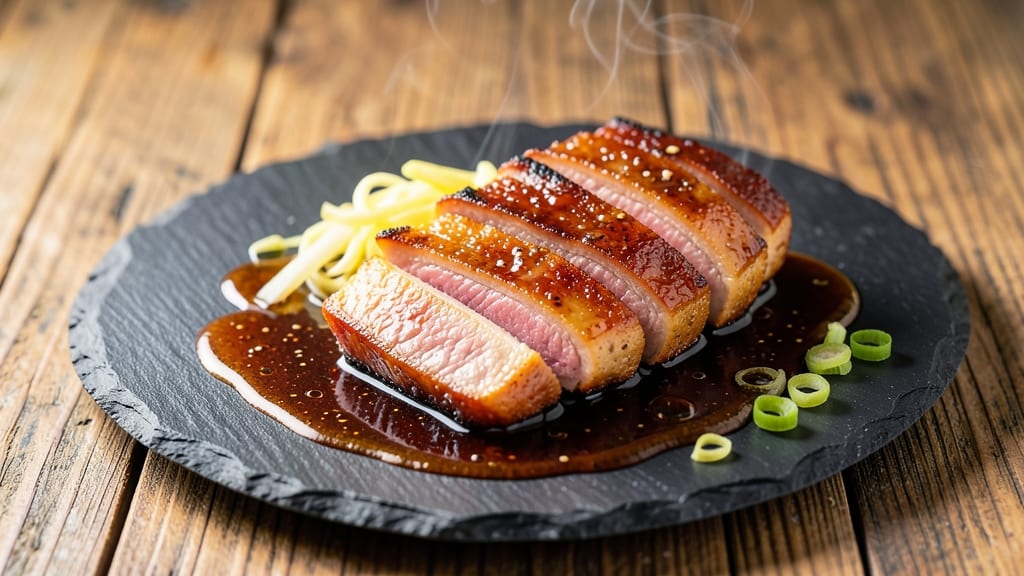
This Asian pork sauce recipe delivers a bold umami glaze that transforms simple stir-fries into restaurant-quality meals. The secret lies in balancing fermented soy sauce, hoisin, and aromatic ginger-garlic for depth without overpowering.
I developed this sauce after years of testing—it’s the one my family reaches for when we want that signature tangy-sweet flavor that clings perfectly to pork, chicken, or even tofu.
The process is straightforward: simmering soy-based liquids with fresh ginger and garlic until reduced to a thick, glossy consistency that coats proteins beautifully. No complicated techniques—just patience and attention to balance.
The sauce works as a marinade, stir-fry glaze, or dipping sauce, making it versatile for weeknight dinners or special occasions. What sets it apart is the harmony of salty, sweet, and umami notes that build as it simmers.
By the time you’re done, you’ll have a rich, aromatic sauce with a perfect balance of heat and sweetness—no artificial flavors needed. It keeps well in the fridge for up to two weeks, so you can make a big batch and use it all week.
The best part? Every spoonful tastes like it came from a bustling Asian street market, but with the convenience of homemade.
Use it to glaze grilled pork chops, toss with stir-fried vegetables, or drizzle over rice bowls. The possibilities are endless, but the foundation is always the same: simmer, reduce, and balance. Let’s get started—your taste buds will thank you.
Ingredients for asian pork sauce
Nine ingredients transform into a restaurant-worthy sauce that elevates stir-fries to new heights.
| Ingredient | Amount | Notes |
|---|---|---|
| Light Soy Sauce 🥢 | ½ cup | Kikkoman preferred for authentic flavor |
| Dark Soy Sauce 🥢 | ¼ cup | For deeper umami richness |
| Hoisin Sauce 🍜 | ¼ cup | Sweet and aromatic base |
| Fresh Ginger 🧄 | 2 tbsp | Finely grated, aromatic punch |
| Garlic Cloves 🧄 | 4 cloves | Minced for bold garlic flavor |
| Honey 🍯 | ¼ cup | Wildflower preferred for depth |
| Rice Vinegar 🍶 | ¼ cup | For tangy brightness |
| Sesame Oil 🫒 | 1 tbsp | Toasted, for nutty aroma |
| Cornstarch 🌾 | 1 tbsp | For thickening consistency |
| Red Chili Flakes 🌶️ | 1 tsp | Adjust for heat preference |
The soy sauces are non-negotiable here—Kikkoman light and Lee Kum Kee dark are my go-tos, but any quality brands work. Grab them from the Asian aisle at Walmart or Trader Joe's for consistency. Fresh ginger and garlic need to be vibrant—no shriveled roots or cloves with sprouts. Whole Foods or local markets have the freshest, but the regular grocery store works too if you check the dates. Hoisin sauce is the sweet-savory backbone—Amoy brand has the best balance, but store brands are fine if they're not watery. The honey should be liquid, not crystallized—Manuka adds extra depth if you're feeling fancy.
No light soy sauce? Double the dark soy sauce for a deeper flavor, though it'll be less tangy. Substitute honey with maple syrup or agave if you prefer, but honey's floral notes are key. Running out of sesame oil? Toasted peanut oil works in a pinch, though it lacks that signature aroma. Chili flakes too spicy? Reduce to half a teaspoon or swap for white pepper. The cornstarch is crucial for that glossy finish—don't skip it, but if you're gluten-free, arrowroot powder does the job just as well. Always taste as you go; the sauce should balance sweet, salty, and umami perfectly.
This sauce keeps beautifully—2 weeks in the fridge sealed tightly, or 3 months in the freezer in ice cube trays for single-use portions. The flavor actually improves after a day or two as everything melds. I double the batch every time—one for immediate use, one to freeze. When reheating, low heat only to avoid burning the cornstarch. A splash of water thins it out if it thickens too much. Store in a clean, dry jar with a tight lid to preserve that aromatic punch.
Why You'll Love This Recipe
- Pantry Magic: I swear by this sauce because it lives in my fridge—no special shopping trips, just the basics. Light and dark soy sauce team up with hoisin for that deep, sticky-sweet balance, and honestly? It’s the kind of flavor that turns a simple pork chop into something special without extra fuss.
- Umami Bomb: That ginger-garlic punch? It’s where the magic happens. Fresh ginger caramelizes into something warm and spicy, while minced garlic adds a sharp bite that cuts through the richness. Between us, the first time I tasted this, I grabbed the bottle and drizzled it on everything—eggs, rice, even toast. (Yes, even on a Tuesday night.)
- Double-Duty Sauce: This isn’t just for stir-fries. I use it to glaze pork for breakfast tacos, toss it with noodles for a lazy dinner, or even drizzle it over grilled chicken. The hoisin adds that sticky, slightly sweet contrast that makes it work in ways you’d never expect. My roommate’s a picky eater? He’ll eat this.
- No-Waste Winner: A little goes a long way, and the leftovers? Even better. I make a big batch, store it in the fridge, and it keeps for weeks—no weird aftertaste, just pure flavor. Plus, it’s cheap: a few dollars for the sauces, a ginger root, and a head of garlic. That’s it. Not the prettiest, but the taste makes up for it every time.
Step-by-step instructions for Asian pork sauce recipe
This umami-packed sauce brings depth and balance to every stir-fry—let's build it together.
Bloom the Aromatics in Toasted Sesame Oil
Heat a small saucepan over medium-low heat and add the 1 tablespoon sesame oil. Let it warm for 30 seconds until fragrant—you'll smell that nutty aroma develop. This is where the flavor foundation begins.
Add the 4 minced garlic cloves and 2 tablespoons finely grated fresh ginger, stirring constantly for 1 minute until the garlic turns golden and the ginger loses its raw bite. Be careful not to let it brown too much—just until fragrant. This step unlocks the aromatic potential of both ingredients without bitterness.
Combine Wet Ingredients for Flavor Fusion
Increase heat to medium and pour in the 0.5 cup light soy sauce, 0.25 cup dark soy sauce, and 0.25 cup hoisin sauce. Stir continuously for 2 minutes until the mixture begins to simmer gently. The dark soy sauce will add that signature deep color while the light soy provides the salty backbone.
Add the 0.25 cup honey and 0.25 cup rice vinegar, stirring well to incorporate. Let this mixture bubble for 3 minutes until slightly reduced by about 20%. You'll notice the sauce thickening slightly as the liquid evaporates, concentrating those umami flavors. Taste it now—this is your flavor baseline before we refine it further.
Incorporate Heat and Thicken the Sauce
Reduce heat to low and sprinkle in the 1 teaspoon red chili flakes, stirring for 30 seconds to distribute evenly. This is where the sauce gets its signature kick—adjust to taste if you prefer more heat. The chili flakes will infuse their warmth without overwhelming the other flavors.
In a small bowl, whisk together the 1 tablespoon cornstarch with 2 tablespoons water to create a slurry. Slowly pour this into the simmering sauce while stirring constantly. Let it cook for 2-3 minutes until the sauce thickens to a glossy, coatable consistency—it should cling to the back of a spoon. If it thickens too quickly, add 1 tablespoon water to adjust.
Finish and Test for Perfect Balance
Remove the sauce from heat and let it cool for 5 minutes. This resting period allows the flavors to meld completely. Taste and adjust seasoning—you might need a touch more soy sauce for saltiness, honey for sweetness, or vinegar for tang. The sauce should have a perfect harmony of sweet, salty, tangy, and slightly spicy notes.
For best results, use the sauce immediately on stir-fries, grilled meats, or as a dipping sauce. If storing, transfer to an airtight container and refrigerate for up to 1 week. The flavors will continue to develop and deepen over time, making each use even more delicious.
Pro Tips For Making Asian Pork Sauce
- Bloom the ginger first: I used to just toss in chopped ginger and wonder why the flavor felt flat. Now I microwave it for 30 seconds with a splash of water—it softens and releases aroma like magic. The sauce will thank you.
- Balance the soy ratios: Light soy adds saltiness, dark soy adds depth, and hoisin sweetens—but too much of any one makes the sauce one-dimensional. Start with 2 parts light, 1 part dark, and 1 part hoisin, then adjust. Taste as you go.
- Sear garlic low and slow: Garlic burns faster than you think, especially when mixed with soy. Sauté it in oil on medium-low for 2–3 minutes until fragrant but still pale gold. No one wants bitter garlic in their sauce.
- Simmer uncovered, stir often: Let the sauce reduce uncovered on medium heat, stirring every 30 seconds. This prevents scorching and helps the flavors meld faster. I learned this the hard way—once I walked away and came back to a charred mess.
Serving suggestions for this asian pork sauce
Stir-Fry Perfection
Use this sauce as the star of your stir-fry by tossing it with 1 lb pork tenderloin cut into ½-inch strips and 3 cups mixed veggies like bell peppers, snap peas, and carrots.
Cook pork in a wok or cast-iron skillet over high heat for 3-4 minutes until seared, then add veggies and ½ cup sauce. Stir-fry for 4-5 minutes until veggies are crisp-tender. Finish with 1 tbsp toasted sesame seeds for texture. 🔥
Grilled Pork Glaze
Brush this sauce generously over 2 pork chops (about ½ cup sauce) before grilling for a caramelized crust. Grill over medium-high heat for 4-5 minutes per side, basting with extra sauce every 2 minutes.
For extra flavor, marinate the chops in ¼ cup sauce for 30 minutes before grilling. Serve with jasmine rice and steamed bok choy.
Dipping Sauce Magic
Serve this sauce warm or at room temperature as a dipping sauce for spring rolls, egg rolls, or fried dumplings. Thin with 1-2 tbsp hot water if needed for easier dipping.
For a refreshing contrast, chill the sauce for 30 minutes before serving—it pairs perfectly with crispy crab rangoon or pork bao. Keep extra sauce on hand for quick appetizers!
Rice Bowl Elevator
Transform simple rice bowls by drizzling 2 tbsp sauce over 1 cup cooked jasmine rice, then topping with ½ cup shredded rotisserie chicken, ¼ cup shredded carrots, and 1 tbsp chopped scallions.
The sauce's sweetness balances the savory chicken while the ginger adds warmth. For extra richness, add 1 tsp sesame oil before serving. ✨
Marinade for Meats
Use ½ cup sauce as a marinade for 1 lb pork shoulder or chicken thighs before slow-cooking or grilling. Marinate for 4-6 hours (or overnight) for maximum flavor penetration. The sauce's sticky consistency helps create a delicious bark on the meat.
I love using it for pulled pork sandwiches—just shred after cooking and serve on brioche buns with pickled onions.
Sauce Pairings
For a complete meal, pair this sauce with steamed greens like bok choy or gai lan to balance the richness. A side of cucumber salad with rice vinegar and sesame seeds adds freshness.
For drinks, try jasmine tea or a light lager like Asahi to complement the sauce's umami depth without overpowering it. 🍺
Nutrition facts
Frequently asked questions
Can I make this sauce without cornstarch?
Yes, but the texture will be thinner. For a gluten-free option, use 1 tablespoon arrowroot powder instead—it thickens just as well when mixed with water. If you prefer no thickener, reduce the sauce by simmering uncovered for 5-7 minutes longer, but expect a lighter consistency. The sauce will still taste delicious, just less glossy.
How do I adjust the sweetness or heat level?
For less sweetness, reduce honey to 1-2 tablespoons and add 1 extra teaspoon rice vinegar for tang. For more heat, increase chili flakes to 1.5-2 teaspoons or add ½ teaspoon gochugaru (Korean chili flakes) for a smokier kick. Always taste as you go—flavors meld better when balanced gradually.
Can I use this sauce on non-pork proteins?
This sauce works beautifully with chicken thighs, tofu, or even shrimp. For seafood, reduce the chili flakes to ½ teaspoon to avoid overpowering delicate flavors. The umami-rich base pairs well with almost any protein—just adjust cooking times to avoid overcooking. It’s a versatile glaze for grilled or stir-fried dishes!
Why did my sauce turn bitter?
Bitter flavors usually come from overcooking the ginger or garlic, or letting the sauce simmer too long. Remove from heat immediately if you smell bitterness, then add ½ teaspoon honey or 1 teaspoon rice vinegar to balance. For future batches, keep heat at medium-low and never let the sauce boil vigorously. A splash of sesame oil can also mask bitterness.
How can I make a bigger batch for meal prep?
Double or triple the recipe using the same ratios—just ensure you have a large enough saucepan for even simmering. For storage, divide into 1-cup portions in ice cube trays, freeze, and transfer to a bag. Thaw overnight in the fridge, then reheat gently. The sauce keeps its flavor for 3 months frozen or 2 weeks refrigerated. Perfect for weekly stir-fry prep!