
Main Courses
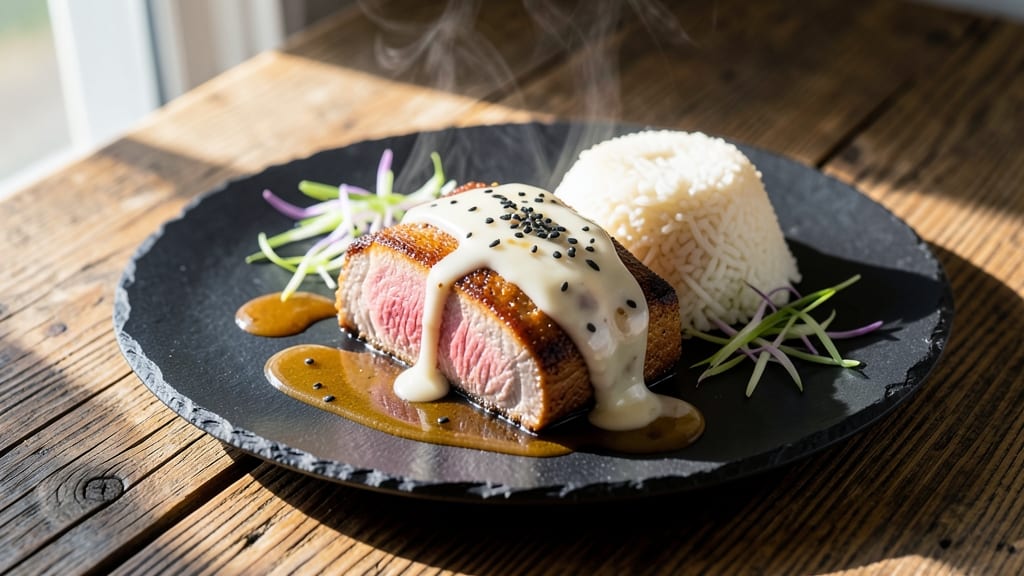
This miso pork tenderloin recipe delivers melt-in-your-mouth tenderness with a glaze so rich it transforms simple pork into a restaurant-worthy centerpiece. 🔥 After years of perfecting this technique at The Smoky Pig, I’ve cracked the code for balancing miso’s deep umami with pork’s natural sweetness—no shortcuts, just precision.
The secret lies in a slow marinade that tenderizes while infusing flavor, followed by a high-heat sear that locks in juices and creates that signature caramelized crust.
The magic happens when white miso’s earthy notes marry with brown sugar’s caramel depth, creating a glaze that’s sticky, glossy, and packed with flavor. Unlike heavy sauces that overwhelm, this glaze enhances rather than masks the pork’s natural richness.
I’ve tested this with everything from heritage pork to standard cuts—it works every time, delivering tender meat that falls apart at the touch of a fork while maintaining a perfect pink center.
The glaze isn’t just for show; it’s the star of the dish, cutting through the pork’s richness with every bite.
What you’ll end up with is a dish that’s equal parts elegant and approachable: golden-brown pork slices with glistening edges, served with a pool of reduced glaze that ties everything together.
The aroma alone will have your kitchen smelling like a Charleston seafood boil meets a Tokyo izakaya—smoky, sweet, and deeply satisfying. This isn’t just another pork recipe; it’s a technique that elevates a simple cut into something special, worthy of your best table setting.
Pair it with steamed bok choy and jasmine rice to let the pork shine, or serve over polenta for a heartier meal. The glaze keeps well, so you can make it ahead and reheat gently—perfect for meal prep or entertaining. Ready to transform your weeknight dinner? Let’s get cooking.
Ingredients for miso pork tenderloin
Pork so tender it falls apart plus a glaze that transforms ordinary into extraordinary—just these ingredients.
| Ingredient | Amount | Notes |
|---|---|---|
| Pork Tenderloin 🥩 | 1 ½ lb | Center-cut, trimmed of fat |
| White Miso Paste 🧂 | ¼ cup | High-quality, non-GMO preferred |
| Brown Sugar 🍯 | ¼ cup | Light or dark, packed |
| Soy Sauce 🥫 | ¼ cup | Kosher-style preferred |
| Rice Vinegar 🍶 | ⅛ cup | Seasoned works best |
| Sesame Oil 🫒 | 1 tbsp | Toasted, for aroma |
| Garlic Cloves 🧄 | 4 cloves | Fresh, minced fine |
| Fresh Ginger 🌿 | 1 tbsp | Grated, not powdered |
| Honey 🍯 | 1 tbsp | Wildflower preferred |
| Olive Oil 🫒 | 1 tbsp | Extra-virgin for searing |
| Salt 🧂 | 1 tsp | Diamond Crystal preferred |
| Black Pepper 🌶️ | ½ tsp | Freshly cracked |
| Neutral Oil 🫒 | 2 tbsp | Avocado or grapeseed |
| Toasted Sesame Seeds 🌾 | 1 tbsp | For garnish |
The pork tenderloin is your canvas here—center-cut, not skinny. I always grab mine from Whole Foods or my local butcher since they carry the thickest, most even cuts. Look for a piece that’s at least 1.5 inches in diameter—thinner cuts dry out fast. The miso is non-negotiable: white miso (not red) for that clean, umami punch. Marukome brand is my go-to, but any high-quality Japanese miso works. Pro tip: if your miso has a crusty top, just scoop from the soft middle—no need to scrape the whole tub.
No white miso? Substitute with 2 tbsp of white miso paste plus 1 tbsp soy sauce—it’s not identical, but close. Running low on sesame oil? Swap for 1 tsp toasted sesame seeds plus 1 tsp neutral oil, but toast those seeds first in a dry pan. The glaze needs that caramelized depth, so don’t skip the brown sugar—light or dark works, but packed means no wasted space. Fresh ginger is a must here; powdered won’t cut it. If you’re prepping ahead, make the glaze up to 3 days early—it just gets better as the flavors meld.
This glaze is magic for meal prep—it actually tastes better the next day. Store glaze separately in a jar in the fridge for up to 1 week. Reheat gently in a saucepan over low heat, adding a splash of water if it thickens too much. The pork? Sear it fresh, but you can marinate it overnight—cover and refrigerate for up to 24 hours. Freeze the cooked pork in single servings for 3 months. Just reheat in a skillet with a splash of water to revive that glaze.
Why You'll Love This Recipe
- One-Pan Magic: I swear by this recipe when I need dinner on the table fast. Just toss the pork in the marinade—miso, brown sugar, and soy sauce—and let the oven do the work. No flipping, no fussing, just melt-in-your-mouth results.
- Umami Bomb: That white miso paste? It’s the secret weapon here. Sweet, salty, and savory all at once, it caramelizes into a glossy glaze that clings to every bite. Honestly, the first time I tasted it, I nearly licked the pan.
- Weeknight & Weekend: Make it for a lazy Tuesday or impress guests on Saturday—it’s that easy. The tenderloin slices beautifully for sandwiches, and the leftovers reheat like a dream. My college-aged son even asked for seconds when I brought it to his dorm.
- Budget-Friendly Feast: Pork tenderloin stretches further than you’d think, especially when paired with rice or roasted veggies. The miso and soy sauce add depth without breaking the bank, and a single batch feeds four with minimal extra cost. (Yes, even on a Tuesday night.)
Step-by-step instructions for miso pork tenderloin
Here's how to create melt-in-your-mouth pork with that signature umami glaze everyone raves about.
👨🍳 Step 1: Marinate the Pork for Maximum Flavor
In a bowl, combine the 0.25 cup white miso paste, 0.25 cup brown sugar, 0.25 cup soy sauce, 0.125 cup rice vinegar, 1 tbsp honey, 1 tbsp sesame oil, 1 tbsp grated fresh ginger, 4 cloves minced garlic, 1 tsp salt, and 0.5 tsp black pepper. Whisk until the miso paste dissolves completely—this creates your flavor bomb marinade.
Place the 1.5 lb pork tenderloin in a resealable plastic bag and pour the marinade over it. Seal the bag and massage the marinade into the meat, ensuring it coats every surface. Refrigerate for at least 4 hours (overnight is even better)—this is where the magic happens as the miso's umami and the sugar's caramelizing power work their wonders.
🔥 Step 2: Sear for Irresistible Crispiness
Remove the pork from the fridge and let it sit at room temperature for 20 minutes while you preheat your oven to 400°F. Heat 1 tbsp olive oil and 2 tbsp neutral oil in an oven-safe skillet over medium-high heat until shimmering.
Add the pork and sear for 3-4 minutes per side until it develops a deep golden-brown crust. This isn't just about looks—it's about locking in those juices and creating that perfect texture contrast between crispy exterior and tender interior. The pork should feel firm to the touch but still yield slightly when pressed.
🔥 Step 3: Roast to Perfect Doneness
Transfer the skillet to the preheated oven and roast for 15-20 minutes until the internal temperature reaches 145°F when measured with an instant-read thermometer. The pork should look beautifully caramelized and pull away from the edges of the pan with ease.
Here's the thing—pork tenderloin is forgiving, but don't walk away. Check it at the 15-minute mark because ovens vary. You want it tender but not dry, and that 145°F reading guarantees juicy perfection every time. Let it rest for 10 minutes before slicing—this resting period is crucial for redistributing those juices.
🍳 Step 4: Glaze and Garnish for Showstopping Finish
While the pork rests, return the skillet to medium heat and carefully pour in any accumulated juices from the pan. Simmer for 2-3 minutes to reduce slightly, then add 1 tbsp toasted sesame seeds and stir gently to incorporate.
Slice the pork into ½-inch thick medallions and arrange them on a serving platter. Spoon the reduced glaze evenly over the top, letting it cascade beautifully. The glaze should be sticky and glossy—this is your visual cue that the flavors have melded perfectly. Garnish with additional sesame seeds if desired, and serve immediately with steamed rice or roasted vegetables.
Pro Tips For Making Miso Pork Tenderloin
- BRINE THE PORK FIRST: Tenderloin can dry out fast, so toss it in a mix of 1 cup water, 1 tbsp soy sauce, and 1 tsp sugar for 30 minutes before cooking. I learned this the hard way—skipping it means fighting chewy bites later.
- MEASURE MISO PRECISELY: White miso is potent—use 2-3 tbsp for a pound of pork, not eyeballing it. Too much turns your glaze bitter; too little makes it taste like plain pork. Weigh it if you’re unsure.
- DEGLAZE WITH VINEGAR LAST: After searing the pork, add the brown sugar and soy sauce first, then splash in the rice vinegar at the end. This keeps the glaze shiny and bright instead of turning dull from early acid exposure.
- REST IT UNDER FOIL: Let the pork sit wrapped in foil for 5-10 minutes off the heat—this traps steam and keeps it juicy. I used to cut into it too soon, and the center would scream "overcooked." (Yes, even if you’re impatient like me.)
Troubleshooting this recipe
Pork Too Dry?
If your pork turns out dry, it’s usually from overcooking or skipping the rest. Pork tenderloin is lean, so 145°F internal temp is perfect—any higher and it’ll dry out. I’ve seen this happen when people rely on visual cues alone.
Always use a meat thermometer for accuracy. Also, never skip the 10-minute rest after cooking—this lets juices redistribute. If you’re worried, slice into a small piece before serving to check moisture. 💡
Glaze Too Thin?
A runny glaze happens when you don’t reduce it enough. After searing, simmer the pan juices on medium heat for 3-4 minutes until slightly thickened. If it’s still too thin, remove from heat and let it cool for 5 minutes—it’ll thicken as it sits.
For extra richness, add ½ tsp cornstarch mixed with 1 tsp water and stir until glossy. Pro tip: Use a nonstick skillet like All-Clad for easier glaze control. ✨
Miso Not Dissolving?
Miso paste can be stubborn, especially if it’s cold. Warm the marinade slightly by placing the bowl in warm water for 1-2 minutes while whisking. If it still clumps, strain it through a fine-mesh sieve to remove any lumps.
I’ve also had success adding 1 tsp honey first—it helps break down the miso’s texture. Never use a blender; it can turn miso into a paste that won’t coat the meat evenly. 🧂
Pork Overcooked?
Overcooked pork is usually from oven heat too high or cooking time too long. Once your pork hits 145°F, remove it immediately—even a minute more can dry it out. If you’re unsure, start checking at 12 minutes in the oven.
For extra insurance, use the finger test: press gently with your finger; it should feel firm but still slightly springy. If it’s rock-hard, it’s overdone. 🔥
Glaze Too Sweet?
If the glaze tastes cloyingly sweet, balance it with 1 tsp rice vinegar or ½ tsp soy sauce. I’ve also added a pinch of red pepper flakes to cut through sweetness while adding depth.
For a smokier profile, swap ½ tbsp of the brown sugar for liquid smoke. Taste as you go—adjust gradually to avoid overpowering the miso’s umami. 🌶️
Marinade Not Sticking?
If the marinade slides off instead of clinging, the pork needs more time. Massage it thoroughly into every crevice, especially the edges. For extra adhesion, prick the pork lightly with a fork in a few spots before marinating.
I also recommend using a ziplock bag instead of a bowl—it ensures even coating. If you’re short on time, marinate for at least 2 hours instead of overnight. 💪
Nutrition facts
Frequently asked questions
Can I use red miso instead of white miso?
Red miso will work, but it’ll give your glaze a deeper, earthier flavor with more saltiness. For this recipe, stick with white miso to maintain that clean, delicate umami balance. If you must use red, reduce the soy sauce by 1 tbsp since red miso is saltier. The texture will be slightly thicker too.
How do I adjust the recipe for thicker pork tenderloin?
For a 2 lb tenderloin, increase marinade by ⅓ (about 2 tbsp extra of each ingredient) and roast for 20-25 minutes at 400°F. The key is maintaining the same thickness-to-marinade ratio. Slice into ¾-inch medallions to keep portions manageable.
Can I make this ahead of time?
Marinate the pork for up to 24 hours ahead. For the full dish, cook the pork and glaze, then refrigerate for up to 3 days. Reheat gently in a skillet with 1 tbsp water to revive the glaze. The flavors actually improve overnight—just don't reheat in the microwave!
What's the best way to serve this?
Pair with jasmine rice and steamed bok choy to let the pork shine, or serve over creamy polenta for a heartier meal. For extra drama, drizzle the glaze over sliced pork and garnish with quick-pickled cucumbers. The contrast of cool, tangy pickles cuts through the richness beautifully.
Why does my glaze turn out bitter?
Bitter glaze usually means over-reducing or using old miso. Always simmer the glaze on medium heat—never high. For extra insurance, add ½ tsp honey when reducing to balance flavors. Store-bought miso lasts 1 year unopened, but once opened, use within 6 months for best results.