
Sauces & Condiments
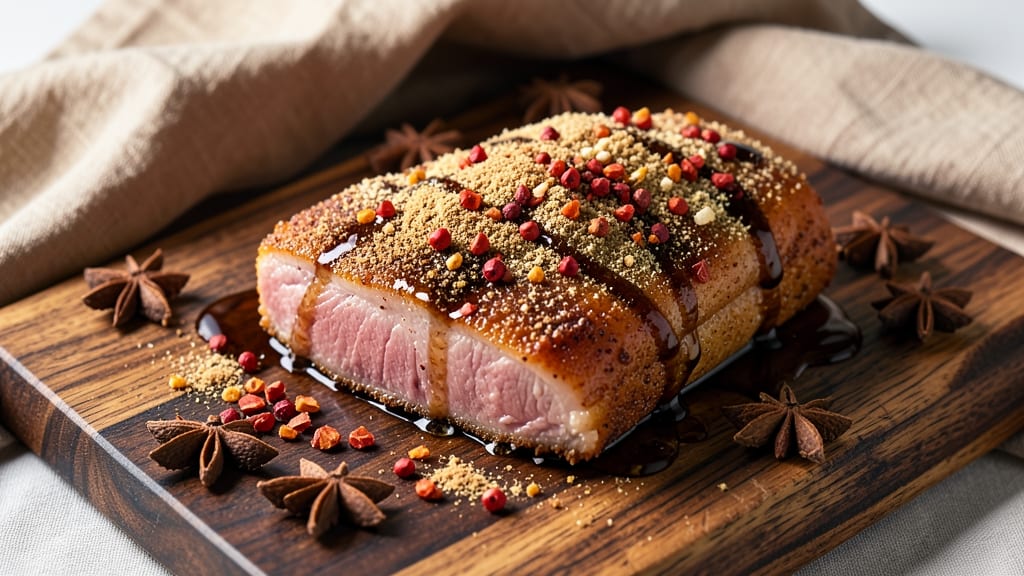
This Asian pork rub recipe transforms simple pork into a flavor explosion—where five-spice warmth meets chili heat and caramelized sweetness. 🔥 I developed this blend after years of perfecting Asian-inspired BBQ, balancing earthy spices with just enough kick to make your taste buds sing.
The secret lies in the harmony of star anise, cinnamon, and Sichuan peppercorn, which build depth while chili flakes deliver that essential heat. What makes this rub special is its versatility—it works equally well on ribs, tenderloin, or even pulled pork.
The blend includes garlic and ginger for brightness, while brown sugar ensures a sticky, caramelized crust when grilled. I've tested this on everything from competition-style pork shoulders to quick weeknight chops, and it never fails to impress.
The magic happens when you apply this generously to pork before cooking, letting the spices penetrate while creating that signature bark. Whether you're smoking, grilling, or roasting, this rub delivers restaurant-quality flavor with minimal effort.
The spices are toasted in a dry pan first to deepen their aroma—trust me, this step changes everything. Store the blend in an airtight container for up to three months, or make a double batch for holiday gatherings.
It's the kind of seasoning that turns ordinary pork into something extraordinary—without requiring advanced techniques. Let's get started!
Ingredients for asian pork rub
Nine spices, one unforgettable flavor—this blend transforms pork into something extraordinary.
| Ingredient | Amount | Notes |
|---|---|---|
| Star Anise 🌿 | 1 tbsp | Whole pods, lightly crushed |
| Ground Cinnamon 🌿 | 1 tbsp | Ceylon preferred for delicate flavor |
| Sichuan Peppercorns 🌶️ | 1 tbsp | Toasted for maximum aroma |
| Chili Flakes 🔥 | 2 tbsp | Adjust for heat preference |
| Garlic Powder 🧄 | 1 ½ tbsp | Freshly ground preferred |
| Ground Ginger 🌿 | 1 tbsp | Freshly ground for brightness |
| Brown Sugar 🍚 | ½ cup | Light or dark variety |
| Smoked Paprika 🌶️ | 1 ½ tbsp | For depth and color |
| Kosher Salt 🧂 | 1 tbsp | Diamond Crystal preferred |
| Black Peppercorns 🌶️ | 1 tsp | Freshly cracked for intensity |
The star anise and Sichuan peppercorns are non-negotiable—they create that signature five-spice warmth with a subtle citrusy kick. Penzeys Spices or bulk bins at Whole Foods are my go-tos for these, but any reputable spice shop will have quality options. Toast the whole spices in a dry pan for 2-3 minutes before grinding—this step unlocks their full potential. Ceylon cinnamon adds delicate sweetness without overpowering, while chili flakes bring the heat. For the best results, use freshly ground spices whenever possible, especially the ginger and garlic powder.
No Sichuan peppercorns? Substitute with 1/2 tsp ground white pepper plus 1/4 tsp cayenne for a similar effect. Running low on star anise? Anise seeds work in a pinch, though the flavor won't be identical. Smoked paprika can be swapped for regular paprika, but you'll lose that smoky depth. The brown sugar is key for caramelization—don't skip it, even if you're using a sugar-free alternative. For extra complexity, add 1/2 tsp ground coriander to the mix. This blend works on chicken or tofu too, so don't limit it to pork!
Store in an airtight container away from light and heat for up to 3 months. I double the recipe every time—one jar for immediate use, one for gifting. The toasted spices keep their aroma best when stored properly. For holiday gatherings, make a triple batch and portion it into small jars. This rub freezes beautifully for 6 months if you want to prep ahead. The spices mellow slightly over time, so fresh batches always taste brightest, but aged rubs develop deeper complexity when used on slow-cooked meats.
Why You'll Love This Recipe
- Pantry Magic: I swear by this rub—no fresh herbs, no fancy prep. Just crack open a star anise pod, sprinkle the cinnamon and Sichuan peppercorns (yes, they’re tiny but pack a punch), and you’ve got flavor gold. Honestly, my spice rack never looks better than when this mix is ready to go.
- Crispy-Sweet Magic: That garlic powder and chili flakes combo? It’s what makes this rub dangerously addictive. The pork gets this perfect balance—sweet from the star anise, heat from the flakes, and a little zing from the Sichuan peppercorns that lingers like a good memory. (Yes, even on a Tuesday night.)
- Game for Any Occasion: Slap this on pork chops for a weeknight dinner, toss it on ribs for a backyard BBQ, or even use it on chicken thighs when you’re craving something bold. Between us, it’s the one rub I keep in my freezer for everything—because it just works.
- Budget-Friendly Powerhouse: A single batch of this rub costs me pennies but stretches across three meals. Leftovers? Toss them in a stir-fry or on a sandwich—suddenly, you’ve got a whole new flavor profile without buying anything extra. My wallet and my taste buds thank me.
Step-by-step instructions for Asian pork rub
Here's how to blend this bold, aromatic rub that transforms simple pork into restaurant-worthy flavor bombs.
👨🍳 Step 1: Toast the Whole Spices for Maximum Depth
Start by lightly crushing the 1 tbsp star anise pods with a mortar and pestle or rolling pin—just enough to break them open slightly. This releases their essential oils without turning to dust. In a dry skillet over medium-low heat, toast the star anise and 1 tbsp Sichuan peppercorns for 1-2 minutes until fragrant. You'll smell that distinctive citrusy, slightly sweet aroma—this is your flavor foundation.
Watch carefully—they toast quickly and burn just as fast. Remove immediately when you catch that intoxicating scent. Let them cool completely before grinding, as residual heat can turn spices bitter. I like to transfer them to a small bowl and set aside while I prepare the rest of the rub.
🍳 Step 2: Grind Spices to a Fine, Even Powder
Using a clean spice grinder or coffee grinder, pulse the toasted star anise and Sichuan peppercorns until you achieve a fine, powdery consistency—no visible specks should remain. This ensures even distribution in your rub. Transfer the ground spices to a small mixing bowl.
Add the remaining dry ingredients: 1 tbsp ground cinnamon, 2 tbsp chili flakes, 1.5 tbsp garlic powder, 1 tbsp ground ginger, 1.5 tbsp smoked paprika, 1 tbsp kosher salt, and 1 tsp freshly cracked black peppercorns. The cinnamon and ginger bring warmth, while the chili flakes deliver that signature heat. Mix everything together using a fork or whisk until completely homogeneous—you should see no streaks of color.
🥘 Step 3: Incorporate the Brown Sugar for Balance
Add the ½ cup brown sugar to the spice mixture and stir vigorously with a fork. The sugar acts as a binder and flavor enhancer, rounding out the heat and adding subtle caramel notes. Here's the thing—don't skip this step. The sugar helps the rub adhere to the pork while cooking, creating that coveted crust.
Use your fingers to work the sugar into the spices, breaking up any clumps. You're aiming for a consistency similar to coarse sand—moist enough to cling but dry enough to rub onto meat. If it feels too dry, add a few drops of water and mix again. The rub should hold together when pressed between your fingers but still allow for easy application.
⏰ Step 4: Test and Adjust for Perfect Heat Balance
Transfer the finished rub to a small bowl and give it one final stir. Taste a pinch—you should experience a complex interplay of heat from the chili flakes, warmth from the cinnamon and ginger, and a subtle numbing sensation from the Sichuan peppercorns. This is where you can make final adjustments: add more chili flakes if you crave heat, or extra brown sugar if you want to mellow the intensity.
For best results, store the rub in an airtight container in a cool, dark place for up to 3 months. The flavors will continue to meld and deepen over time. When ready to use, apply generously to pork cuts—whether you're grilling, roasting, or broiling. The magic happens when you let the rub sit on the meat for at least 30 minutes before cooking, allowing those aromatic compounds to penetrate deeply.
Pro Tips For Making Asian Pork Rub
- Toast the Whole Spices: Crush star anise and Sichuan peppercorns lightly—just enough to release their oils—then toast them in a dry pan for 30 seconds until fragrant. This brings out their depth without burning, and skipping it means your rub will taste flat and one-note.
- Use Fresh Garlic Powder: Store-bought garlic powder loses its punch fast. Toast whole garlic cloves in a dry skillet until golden, then grind them yourself—it’s the only way to get that fresh, nutty kick that makes this rub sing.
- Don’t Overcrowd the Pan: If you’re searing pork with the rub, work in batches. Piling too much on at once steams the meat instead of browning it, and you’ll end up with soggy, unevenly seasoned pork. Crowding is the fast track to mediocre crust.
- Balance the Heat First: Taste your dry rub before applying it—yes, really. If the Sichuan peppercorns and chili flakes overwhelm the cinnamon and star anise, dial back the heat. The spices should harmonize, not fight, and adjusting early saves you from a bitter, one-dimensional flavor.
Regional styles of asian pork rub
Chinese Five-Spice Classic
This version leans heavily on the traditional Chinese five-spice powder blend, which forms the backbone of countless Asian pork dishes.
I use 2 tbsp five-spice powder (store-bought or homemade with star anise, cloves, fennel, cinnamon, and peppercorns) as the base, then add 1 tbsp toasted Sichuan peppercorns for that signature numbing heat.
The balance between the earthy five-spice and the citrusy Sichuan creates a flavor profile that reminds me of my time in Charleston's Chinatown—where I first fell in love with this combination. 🌶️
For the sweet component, I reduce the brown sugar to ¼ cup and add 1 tbsp honey to prevent crystallization during cooking. This version works exceptionally well on pork belly or spare ribs, where the fat renders slowly and absorbs the spices beautifully.
I often finish these dishes with a quick sear in a wok over high heat to intensify the Maillard reaction.
Japanese Shichimi Inspiration
Inspired by Japanese shichimi togarashi, this variation swaps out the chili flakes for 1 tbsp red chili flakes and 1 tsp sesame seeds, then adds ½ tsp ground sansho pepper (Japanese citrus pepper) for complexity.
The sansho brings a bright, citrusy note that cuts through the richness of pork, while the sesame adds nutty depth. I developed this version after a trip to Tokyo, where I noticed how pork cutlets were often seasoned with similar blends before being grilled over binchotan charcoal. 🔥
For the sweet element, I use ¼ cup mirin instead of brown sugar—its subtle sweetness and acidity enhance the pork's natural juices. This rub pairs perfectly with tonkatsu-style pork cutlets or even pork belly slices for ramen toppings.
The key is to apply the rub generously and let it sit for 20 minutes before cooking to maximize flavor penetration.
Thai-Inspired Heat Boost
This version cranks up the heat with 3 tbsp Thai bird's eye chili powder (adjust to taste) and adds 1 tbsp lemongrass powder for a bright, citrusy kick. I also incorporate 1 tsp ground coriander and ½ tsp ground galangal to mimic the flavors of traditional Thai massaman curry.
The result is a rub that delivers serious heat but balances it with aromatic complexity—perfect for spicy pork skewers or satay. 🌶️
For the sweet component, I use ¼ cup palm sugar, which caramelizes beautifully and adds a molasses-like depth. This version works exceptionally well on pork shoulder for satay—marinate the meat for 4-6 hours before grilling to let the flavors meld.
Serve with a side of sticky rice and a cooling cucumber salad to tame the heat.
Korean Gochujang Twist
This Korean-inspired version replaces half the brown sugar with 2 tbsp gochujang paste (Korean chili bean paste) for a fermented, umami-rich depth. I also add 1 tbsp toasted sesame seeds and ½ tsp ground fermented soybean powder (doenjang) to enhance the savory profile.
The gochujang adds a sticky, slightly sweet heat that clings to the pork beautifully. 🌿
This rub is ideal for pork belly bulgogi or grilled pork ribs. The gochujang helps create a glossy, caramelized crust when cooked. For extra authenticity, finish the dish with a drizzle of ssamjang sauce (Korean dipping sauce) and serve with kimchi on the side.
The fermented flavors in the rub pair perfectly with the tangy kimchi.
Vietnamese Pho-Inspired Blend
Drawing from Vietnamese pho seasoning, this version includes 1 tbsp ground star anise, 1 tsp ground cinnamon, 1 tsp ground coriander, and ½ tsp ground fennel seeds for a fragrant, aromatic base.
The heat comes from 1 tbsp cayenne pepper and ½ tsp black pepper, while 1 tbsp fish sauce powder (or ½ tsp fish sauce mixed with cornstarch and dried) adds umami depth. 🌶️
For sweetness, I use ¼ cup coconut sugar, which complements the fish sauce beautifully. This rub works wonders on pork hock for pho or grilled pork chops. The fish sauce powder is the secret ingredient—it gives the pork a subtle, savory depth that's characteristic of Vietnamese cuisine.
Serve with fresh herbs like cilantro and Thai basil for a complete pho-inspired experience.
Nutrition facts
Frequently asked questions
Can I use this rub on other meats besides pork?
This Asian-inspired blend works beautifully on chicken, turkey, or even tofu. The five-spice warmth and chili heat complement these proteins wonderfully. For chicken, apply generously and let it sit for 20-30 minutes before grilling or roasting. The Sichuan peppercorns add a delightful numbing sensation that pairs perfectly with poultry.
How do I adjust the heat level in this rub?
Start by reducing the chili flakes to 1 tbsp for mild heat, or increase to 3 tbsp for extra spice. For a smoky kick instead, swap ½ tbsp of the chili flakes for smoked paprika**. The brown sugar also helps balance heat—add an extra 1 tbsp if you want to mellow the intensity.
Can I make this rub without Sichuan peppercorns?
Yes! Substitute with ½ tsp ground white pepper plus ¼ tsp cayenne pepper for a similar citrusy heat. The star anise and cinnamon will still provide that signature five-spice warmth, though the numbing sensation will be missing. For extra depth, add ½ tsp ground fennel seeds—it complements the other spices beautifully.
How long should I let the rub sit on pork before cooking?
For best results, apply the rub and let it rest for at least 30 minutes before cooking. This allows the spices to penetrate the meat and develop deeper flavor. For thicker cuts like pork shoulder, let it sit overnight in the fridge for maximum impact. The sugar in the rub will also help create a delicious caramelized crust when cooked.
Can I store this rub in the refrigerator?
While it's not necessary, you can store the rub in the fridge for up to 6 months if you prefer cooler storage. The spices will maintain their freshness longer this way, especially if kept in an airtight container. However, room temperature storage in a cool, dark place works perfectly for up to 3 months—just make sure the container is sealed tightly.