
Main Courses
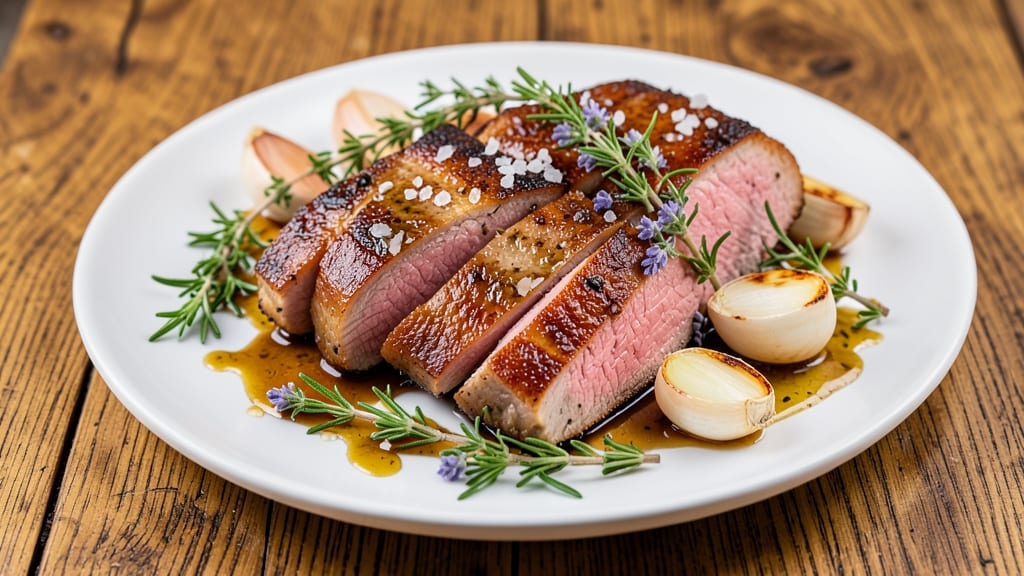
This 4 lb pork tenderloin recipe delivers a showstopping herb-crusted roast with juicy pink centers every time—no guesswork, just restaurant-quality results. 🔥 As someone who’s cooked 2,000 pounds of pork weekly, I know the secret lies in precise temperature control and a flavor-packed crust that locks in moisture.
The herb blend I use (rosemary, thyme, garlic) creates a fragrant bark while keeping the interior tender, and the slow roast method ensures perfect doneness without drying out.
The beauty of this recipe is its scalability—ideal for family dinners or gatherings—while still being simple enough for weeknight cooking. You’ll start with a 4 lb tenderloin (trimmed of silver skin for even cooking), seasoned generously and roasted to an internal temperature of 145°F.
The key steps—resting the meat and slicing against the grain—are what transform good pork into exceptional pork, and I’ll walk you through every detail to guarantee success.
What you’ll end up with is a juicy, herb-infused roast that slices beautifully and pairs perfectly with roasted vegetables, creamy mashed potatoes, or a crisp apple salad. The crust stays intact while the meat remains tender, and the aroma alone will have everyone at the table asking for seconds.
This is the kind of pork dish that elevates a simple meal into something memorable.
For those who love leftovers (and trust me, you will), this recipe also reheats beautifully—just warm gently in the oven or air fryer. Whether you’re cooking for a crowd or treating yourself to a special dinner, this method delivers perfectly tender, flavorful pork every single time.
Let’s get started on creating your best pork roast yet.
Ingredients for 4 lb pork tenderloin
Four pounds of tender pork meets bold herbs and a crisp crust—your new go-to roast.
| Ingredient | Amount | Notes |
|---|---|---|
| Pork Tenderloin 🐖 | 4 lb | Trimmed of silver skin |
| Fresh Rosemary 🌿 | ¼ cup | Finely chopped, stems removed |
| Fresh Thyme 🌿 | ⅛ cup | Leaves only, stems discarded |
| Garlic Cloves 🧄 | 6 cloves | Minced, not pre-minced jarred garlic |
| Extra-Virgin Olive Oil 🫒 | ¼ cup | For crust and basting |
| Kosher Salt 🧂 | 1 ½ tbsp | Diamond Crystal preferred |
| Freshly Ground Black Pepper 🌶️ | 1 tsp | Freshly cracked preferred |
| Unsalted Butter 🧈 | ¼ cup | Cold, cubed for crust |
| All-Purpose Flour 🌾 | ¼ cup | For crust texture |
| Honey 🍯 | 1 tbsp | For glaze finish |
| Balsamic Vinegar 🍷 | 1 tbsp | For glaze reduction |
| Fresh Parsley 🌿 | ⅛ cup | Chopped, for garnish |
The pork tenderloin is your star player here. Look for a uniform, pale pink cut with good marbling—none of that grayish or overly fatty stuff. Costco or Whole Foods usually carry the best quality, but your local butcher shop will have the freshest cuts. If you're buying online, Snake River Farms ships consistently great pork. Trim any silver skin before seasoning—it doesn't cook evenly and can make your slices look messy. For a 4 lb roast, aim for a 1.5-inch diameter—any thicker and you risk dryness. The herbs? Fresh is non-negotiable—dried just won't give you that aromatic crust. Buy a little extra rosemary and thyme if you can; you'll want some for garnish too.
No fresh rosemary? Substitute with 1 tbsp dried rosemary, but it won't have the same punch. Running low on butter? Olive oil works in a pinch, though it won't give that same rich crust. The honey-balsamic glaze is where things get flexible—swap the honey for maple syrup if you're avoiding it, or use apple cider vinegar instead of balsamic for a different tang. For the crust, if you're feeling lazy, you can skip the flour and just use extra butter and herbs, but trust me, the flour gives that perfect crunch. The garlic? Freshly minced is best, but if you're using jarred, drain it well—all that garlic water is just sad. And if you're cooking for a crowd, double the crust ingredients—everyone loves that crispy exterior.
This roast reheats like a dream—just warm it in the oven at 300°F for 10-15 minutes with a splash of broth or water to keep it moist. Store leftovers in the fridge for up to 4 days, wrapped tightly in foil to keep that crust intact. For longer storage, freeze portions for up to 3 months. I like to slice it against the grain before freezing—thaws faster and looks more restaurant-worthy. The crust stays crispy for about 2 days if you keep it wrapped in parchment, but honestly, it's best eaten fresh. And if you're prepping ahead, make the herb crust mixture the night before—it'll keep in the fridge for 2 days ready to go.
Why You'll Love This Recipe
- Foolproof Prep: I swear by this—just a quick sear in the pan, then 20 minutes in the oven. No basting, no fussing, just hands-off perfection while you chop veggies or toss a salad.
- Herb-Crusted Magic: That rosemary and thyme combo? It turns simple pork into something ridiculously good. The garlic cloves caramelize just enough to give every bite a little depth—no fancy seasoning blends needed.
- Feeds a Crowd: Four pounds means leftovers for days, but honestly, it’s the kind of dish that disappears fast. Perfect for game day, potlucks, or when your in-laws show up unannounced.
- Leftovers That Don’t Suck: Cold slices in sandwiches? Yes. Chopped for fried rice? Absolutely. Even reheated, it stays juicy—no dry, sad pork here. (Between us, this is my go-to for lazy lunches.)
Step-by-step instructions for herb-crusted pork tenderloin roast
Here's how to create a showstopping herb-crusted pork tenderloin with juicy pink centers every time.
👨🍳 Step 1: Prep the Pork and Make the Herb Crust
Start by trimming any visible silver skin from the 4 lb pork tenderloin—this helps the crust adhere better and ensures even cooking. Pat the meat completely dry with paper towels, then place it on a cutting board. I like to score the surface lightly in a crosshatch pattern with a sharp knife, about ¼-inch deep, which helps the crust stick and prevents curling during roasting.
In a small bowl, combine the 0.25 cup finely chopped fresh rosemary, 0.125 cup fresh thyme leaves, 6 minced garlic cloves, 1.5 tbsp kosher salt, and 1 tsp freshly ground black pepper. In another bowl, mix the 0.25 cup all-purpose flour, 0.25 cup cold cubed unsalted butter, and 0.25 cup extra-virgin olive oil using your fingers until the butter is evenly distributed and the mixture resembles coarse sand. Press this herb mixture onto the scored pork, then coat the entire surface with the flour-butter-oil mixture, pressing firmly so it sticks.
🔥 Step 2: Sear for Maximum Flavor and Color
Heat your oven to 400°F. Place a heavy oven-safe skillet (like cast iron) over medium-high heat until very hot. Add the coated pork tenderloin and sear for 3-4 minutes per side until the crust is deeply golden brown and the pork releases easily from the pan. This step is crucial—it locks in juices and creates that beautiful crust we're after.
While the pork sears, prepare a wire rack over a rimmed baking sheet. Transfer the seared pork to the rack and place it in the preheated oven. Here's the thing—don't overcrowd the pan. The pork needs room to breathe and crisp, not steam.
⏰ Step 3: Roast to Perfect Doneness
Roast the pork for 20-25 minutes until the internal temperature reaches 140°F on a meat thermometer inserted into the thickest part. The pork should still have a slight pink center—this is what makes it so tender and delicious. If you don't have a meat thermometer, you can use the finger test: press gently on the pork; it should feel firm but still yield slightly.
During the last 5 minutes of roasting, I like to brush the pork with a mixture of 1 tbsp honey and 1 tbsp balsamic vinegar to create a beautiful glaze. This adds a touch of sweetness that balances the herby crust. If the glaze thickens too much, add a teaspoon of water to loosen it.
🍽️ Step 4: Rest and Serve with Herb Garnish
Remove the pork from the oven and transfer it to a cutting board. Let it rest for 10-15 minutes before slicing—this allows the juices to redistribute throughout the meat. Real talk: Skipping this step means dry slices. Trust me, it's worth the wait.
While the pork rests, chop the 0.125 cup fresh parsley and sprinkle it over the top. The parsley adds a fresh pop of color and brightness that complements the rich herb crust. Slice the pork into ½-inch thick medallions and serve immediately with roasted vegetables or a simple salad. Each bite should deliver perfectly tender meat with a crispy, aromatic crust and that beautiful pink center.
Pro Tips For Making 4 Lb Pork Tenderloin
- CRANK THE HEAT FIRST: I learned this the hard way—pork tenderloin needs a screaming-hot pan to start. Get your skillet blazing before adding the oil, then sear the meat for 3-4 minutes per side until deep golden brown. That crust locks in flavor and keeps the inside juicy, not rubbery.
- SLICE THE GARLIC THIN: Don’t crush those cloves—slice them paper-thin. Thin garlic caramelizes faster and infuses the oil with flavor without turning bitter. Toss them in the last 30 seconds of cooking so they don’t burn, but don’t skip them—they’re the backbone of this dish.
- DON’T PIERCE THE MEAT: Resist the urge to stab the tenderloin with a knife or meat thermometer. Those holes let juices escape, turning your perfectly cooked pork into a dry, sad slab. Use a thermometer gently on the side or trust the 145°F internal temp—no poking required.
- SALT THE HERBS FIRST: Toss the rosemary and thyme sprigs in a pinch of flaky salt before adding them to the pan. This amplifies their aroma and prevents them from floating away like tiny, useless boats. (Yes, even if you’re impatient like me.)
Perfect pairings for this 4 lb pork tenderloin
Herb-Infused Sides
Roasted garlic fingerling potatoes with rosemary are my go-to pairing—their crispy edges and tender centers mirror the pork's texture beautifully. Toss 2 lbs fingerlings with 3 tbsp olive oil, 4 minced garlic cloves, 1 tbsp chopped rosemary, and 1 tsp salt.
Roast at 425°F for 30 minutes until caramelized. The garlic and rosemary echo the pork's crust, creating a cohesive bite. 🥔
Acidic Balance
A crisp apple and walnut salad cuts through the richness with its bright acidity.
Thinly slice 3 apples (Honeycrisp or Fuji), toss with 1/4 cup walnuts, 2 tbsp crumbled goat cheese, and a dressing of 3 tbsp apple cider vinegar, 1 tbsp Dijon mustard, and 1/4 cup olive oil.
The tartness refreshes your palate between each herby bite of pork.
Creamy Complements
For a decadent contrast, serve with sage and gruyère mashed potatoes. Boil 3 lbs Yukon Gold potatoes, mash with 1/2 cup heavy cream, 4 oz grated gruyère, 4 tbsp butter, and 2 tbsp chopped fresh sage.
The nutty cheese and earthy sage create a luxurious pairing that stands up to the pork's herbaceous crust. 🧀
Wine Pairings
A medium-bodied Pinot Noir from Oregon or a crisp Sauvignon Blanc from New Zealand complements the dish perfectly. The Pinot Noir's red fruit notes harmonize with the pork's richness, while the Sauvignon Blanc's citrus brightness cuts through the butter and herbs.
For a local twist, try a Georgia Viognier—its floral notes elevate the rosemary and thyme. 🍷
BBQ Sauce Twist
For a smoky-sweet variation, serve with a honey bourbon BBQ sauce. Simmer 1/2 cup bourbon, 1/2 cup honey, 1/4 cup apple cider vinegar, 1 tbsp smoked paprika, and 1 tsp black pepper for 10 minutes until thickened.
Drizzle over sliced pork for a Southern-inspired finish that adds depth to the herb crust. 🔥
Beverage Pairings
For non-alcoholic options, a sparkling peach iced tea (steep black tea with peach slices, chill, and top with club soda) provides a refreshing contrast. The effervescence cleanses your palate between each rich, herby bite of pork.
For a heartier option, try a cold brew coffee—its bitterness balances the dish's richness beautifully. ☕
Nutrition facts
Frequently asked questions
How do I choose the best 4 lb pork tenderloin at the store?
Look for a cut that's uniform in color—pale pink with good marbling, never gray or overly fatty. The surface should feel firm but slightly springy when pressed. Ask your butcher to trim the silver skin for you, which helps the crust adhere better. I recommend buying from local butchers or specialty stores like Costco or Whole Foods for the freshest quality.
Can I substitute dried herbs for the fresh ones in the crust?
You can, but fresh herbs make all the difference! For 0.25 cup fresh rosemary, use 1 tbsp dried rosemary, and for 0.125 cup fresh thyme, use 1 tsp dried thyme. The flavor will be less intense, but it still works in a pinch. Fresh herbs release their aroma during cooking, while dried herbs can taste bitter if overused.
Why does my pork tenderloin turn out dry even with the herb crust?
Overcooking is the #1 culprit! Remove the pork when it hits 140°F—it will rise to 145°F while resting. Skipping the 10-15 minute rest also causes dry slices. Another tip: If your tenderloin is thicker than 1.5 inches, butterfly it slightly before roasting to ensure even cooking. A meat thermometer is your best friend here!
How far ahead can I prep the herb crust mixture?
You can mix the herb crust ingredients (flour, butter, olive oil, and herbs) up to 2 days ahead and store it in the fridge. Just press it onto the pork right before roasting. The glaze (honey + balsamic) should be made fresh, though—it’s best when used immediately for maximum shine and flavor.
What’s the best way to reheat leftover pork tenderloin?
Warm leftovers gently in the oven at 300°F for 10-15 minutes, wrapped in foil with a splash of broth or water to keep them moist. Avoid microwaving—it turns the crust soggy. For crispy reheats, broil for 2-3 minutes at the end, but watch closely to avoid burning the crust. Leftovers stay fresh for 4 days in the fridge or 3 months frozen.