
Main Courses
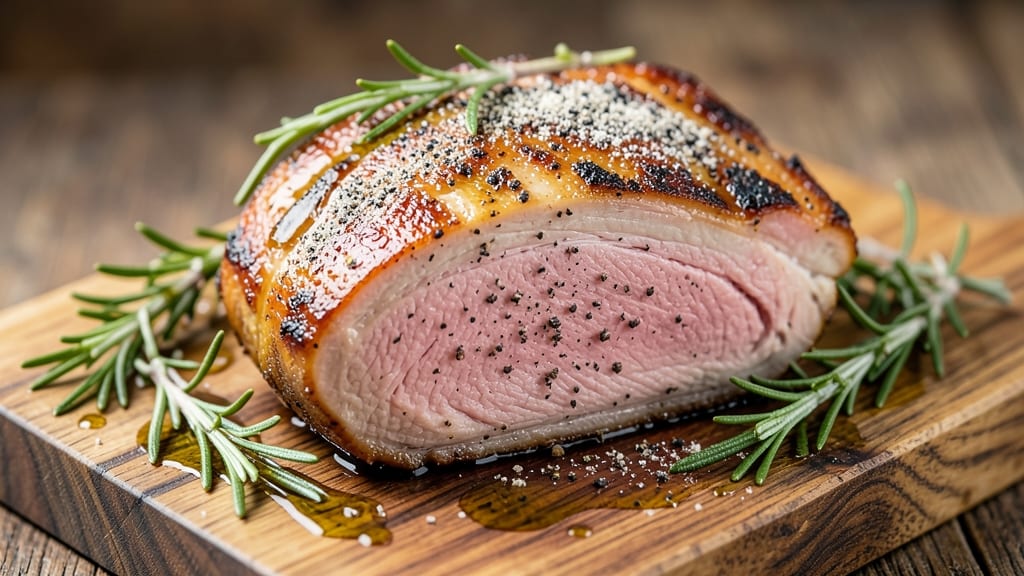
A 6 lb pork loin roast cooked to perfection delivers a showstopping centerpiece with a crisp golden crust and juicy pink interior—the kind of dish that transforms any family dinner into a memorable feast.
After years of perfecting this cut in professional kitchens and at home, I’ve developed a method that ensures even distribution of heat and moisture, eliminating the risk of dryness while creating that coveted caramelized exterior.
The secret lies in precise temperature control and proper resting time, both of which I’ll walk you through step by step.
This recipe demands respect for the pork’s size—20 to 25 minutes per pound at a steady 325°F guarantees medium-rare results without overcooking. I use a simple but effective seasoning blend of coarse salt, black pepper, and garlic powder, then let the roast develop a flavorful crust in the oven.
The key to juicy meat is never cutting into it too soon; patience here makes all the difference, ensuring every slice stays tender and moist. For those who prefer well-done pork, I’ll share adjustments later, but medium-rare is where this cut truly shines.
What you’ll end up with is a restaurant-quality roast that’s crisp on the outside and tender on the inside, with a rich, savory aroma that fills your kitchen. The crust will be deep golden, almost mahogany in spots, while the interior remains rosy and succulent.
This isn’t just a pork roast—it’s a centerpiece that pairs beautifully with apple compote, roasted root vegetables, or a simple herb butter for serving. Trust me, once you master this technique, you’ll never buy pre-cooked pork again.
Whether you’re hosting a holiday gathering or simply treating your family to a special meal, this recipe delivers foolproof results every time. The method is straightforward, but the payoff is worth the effort. Let’s get started on creating a pork roast that’ll have everyone asking for seconds—and maybe even thirds.
Ingredients for 6 lb pork loin roast
Six ingredients plus a few tools transform a simple pork roast into a showstopper.
| Ingredient | Amount | Notes |
|---|---|---|
| Pork Loin Roast 🐖 | 6 lb | Bone-in for even cooking |
| Coarse Kosher Salt 🧂 | 2 tbsp | Diamond Crystal preferred |
| Freshly Ground Black Pepper 🌶️ | 1 ½ tsp | Cracked peppercorns |
| Garlic Powder 🧄 | 1 tsp | Freshly toasted preferred |
| Extra-Virgin Olive Oil 🫒 | 2 tbsp | For crust development |
| Fresh Rosemary 🌿 | 1 sprig | Thick stems removed |
| Fresh Thyme 🌿 | 2 sprigs | Leaves only, finely chopped |
| Butter 🧈 | 4 tbsp | Unsalted, softened for basting |
| Apple Cider Vinegar 🍎 | 1 tbsp | For acid balance |
| Onion Powder 🧅 | ½ tsp | For depth of flavor |
| Measuring Tape 📏 | 1 whole | For temperature checks |
| Meat Thermometer 🌡️ | 1 whole | Instant-read preferred |
The pork loin is the star here—bone-in is key for even cooking, so ask your butcher to leave it intact. Costco or Whole Foods are reliable sources for a well-marbled, center-cut roast. Look for a piece with a vibrant pink color and visible fat cap—this ensures juiciness. If you're buying pre-seasoned, skip it; we're controlling the flavor profile here. The 6 lb size is perfect for a family of six, but if you're feeding a crowd, scale up proportionally. For the herbs, fresh is non-negotiable—dried won't give you that aromatic crust.
No fresh rosemary? Substitute with 1 tsp dried rosemary, but toast it first in a dry pan for 30 seconds to wake up the flavor. Short on apple cider vinegar? Lemon juice works in a pinch, though it'll shift the flavor slightly. The butter is non-negotiable for basting—unsalted so we control the saltiness. If you're watching fat intake, use olive oil instead, but the crust won't be as rich. For the salt, Diamond Crystal is ideal—it's coarser and clings better, but any kosher salt will work. The garlic powder can be swapped for fresh minced garlic (1 tsp) if you're feeling fancy.
This roast reheats beautifully—350°F for 15-20 minutes with a splash of broth revives it perfectly. Store leftovers in the fridge for 3-4 days, wrapped tightly in foil to retain moisture. For longer storage, freeze portions for up to 3 months. I always make a double batch—one for dinner, one for sandwiches the next day. The crust freezes well too, so you can reheat just the meat if you're short on time. If you're serving a crowd, keep the roast warm in a 200°F oven while you finish sides.
Why You'll Love This Recipe
- Foolproof Timing: I swear by this method—just pat that pork dry, slather it with olive oil, and let the oven do the work. No thermometer? No problem. The crust tells you when it’s done: golden and crackling like a Sunday morning promise.
- Herb-Crust Magic: That simple rub of garlic powder, kosher salt, and fresh pepper? It’s the secret weapon. The pork stays juicy inside while the outside gets this addictive, savory crust—no fancy marinades or hours of prep. Honestly, my husband licks the pan afterward.
- Leftovers That Shine: Cook once, eat three times. Slice it thin for sandwiches, dice it for stir-fries, or toss it into pasta. The flavor only gets better after a night in the fridge—my kids beg for it the next day, and I don’t even have to pretend it’s “special.”
- Budget Crowd-Pleaser: Six pounds feeds a family of four for dinner and lunch. Pork loin is cheaper than you think, and this recipe stretches every dollar without sacrificing taste. Between us, it’s my go-to for game day or when in-laws drop by—no stress, just satisfaction.
Step-by-step instructions for juicy pork loin roast with crispy crust
Here's how to achieve that ideal balance of golden crust and tender interior every time.
Prepare the Pork for Even Cooking
Remove the pork loin roast from the refrigerator and pat it completely dry with paper towels. I can't emphasize this enough—dry meat browns beautifully and develops that coveted crust. Use the measuring tape to check the thickness at the thickest point, which will help you determine your cooking time later.
In a small bowl, combine the 2 tbsp coarse kosher salt, 1.5 tsp freshly ground black pepper, 1 tsp garlic powder, and 0.5 tsp onion powder. Rub this mixture all over the pork loin, pressing it into the surface so it adheres well. The bone-in cut helps distribute heat more evenly during roasting, so don't remove it unless specified.
Place the seasoned pork on a rack set inside a rimmed baking sheet. This allows hot air to circulate underneath, preventing soggy bottoms. Let it sit at room temperature for 30 minutes before roasting—this ensures even cooking from edge to center.
Create the Flavorful Crust and Basting Mixture
Preheat your oven to 425°F with the rack positioned in the middle position. While it heats, prepare your basting mixture: in a small bowl, combine the 4 tbsp softened butter, 1 tbsp apple cider vinegar, and the leaves from the 2 sprigs fresh thyme. The vinegar adds a subtle tang that brightens the rich pork flavor.
Brush the pork loin generously with the 2 tbsp extra-virgin olive oil, then place it on the preheated rack. The oil helps create that initial crust before the butter basting kicks in. Insert the meat thermometer into the thickest part of the pork—this will be your guide to perfect doneness.
Place the 1 sprig fresh rosemary on top of the pork for added aroma. The rosemary's piney notes complement the pork beautifully without overpowering it. When the oven reaches 425°F, place the pork in and immediately baste it with half of the butter mixture, using a pastry brush to coat all sides.
Roast to Perfect Doneness
Roast the pork for 20 minutes at 425°F to establish that initial crust. This high heat helps render fat and create a golden exterior. After 20 minutes, reduce the oven temperature to 325°F and continue roasting. Baste the pork every 20 minutes with the remaining butter mixture, tilting the pan to coat all surfaces.
Here's where patience pays off: cook until the meat thermometer reads 145°F in the thickest part of the pork. This typically takes 45-60 minutes total, depending on your oven. The pork is done when it reaches this temperature and the juices run clear when pierced with a knife. If the crust starts to darken too quickly, tent it loosely with foil.
Real talk: your oven might run hot, so start checking the temperature at the 40-minute mark. The pork will continue rising 5-10°F after removal from the oven due to carryover cooking. Don't rush this step—rushing leads to dry, overcooked pork.
Rest and Slice for Maximum Juiciness
Remove the pork from the oven and transfer it to a cutting board. Let it rest for 15-20 minutes before slicing. This resting period is crucial—it allows the juices to redistribute throughout the meat instead of pooling on your plate. Tent loosely with foil to keep it warm during this time.
Use the measuring tape to determine your slicing pattern. Cut the pork into ½-inch thick slices against the grain for maximum tenderness. The bone-in cut makes this easier—simply slice along one side of the bone, then remove the bone before slicing the remaining portion.
Serve immediately with the pan juices spooned over the top. The pork should be golden brown on the outside with a pink center, juicy enough that it practically melts in your mouth. Each slice should hold together but still be tender enough to cut with ease. The crust should be crisp enough to stand up to a fork, but not so hard it's difficult to chew.
Pro Tips For Making 6 Lb Pork Loin Roast
- SEAR FIRST, THEN SALT: I used to salt the pork loin right before roasting, but the crust never stuck—until I seared it dry in the pan first. Pat it bone-dry with paper towels, hit it with olive oil, and let it brown for 3-4 minutes per side on high heat before adding any seasoning. That crust locks in flavor and keeps the meat juicy.
- USE A MEAT THERMOMETER: I learned this the hard way—guessing doneness with a 6 lb pork loin leads to dry meat or undercooked centers. Aim for 145°F internal temp (155°F if serving pregnant people or kids), and pull it out 5°F early. The residual heat carries it the rest of the way. No more slicing into sad, gray pork.
- SALT THE NIGHT BEFORE: My grandmother swore by this, and she was right: Salt the pork loin at least 12 hours ahead. The coarse kosher salt penetrates deeper, seasoning the meat evenly without over-salting the surface. Wrap it loosely in plastic and refrigerate—yes, even if you’re impatient like me.
- REST IT LIKE YOUR LIFE DEPENDS ON IT: I was skeptical until I tried it: After roasting, give that 6 lb pork loin a solid 15-20 minutes under foil before slicing. The juices redistribute instead of pooling on your cutting board. Skip this, and you’ll end up with slices that taste like they’ve been crying. Trust the process.
Troubleshooting great 6 lb pork loin roast
Uneven Cooking
If your pork loin emerges with a patchy crust or uneven doneness, the issue is likely uneven heat distribution. I’ve seen this happen when roasting on a crowded baking sheet or when the oven isn’t properly calibrated.
First, ensure your pork has 1 inch of space on all sides—crowding traps steam and prevents proper browning. For stubborn hot spots, rotate the roast halfway through cooking (after the initial 20 minutes at 425°F) to even out exposure.
If your oven runs hot or cold, use an oven thermometer to verify accuracy—many home ovens are off by 25°F or more. 🌡️
Dry or Tough Meat
Overcooking is the #1 culprit for dry pork loin. Since this cut is lean, it’s easy to push it past medium-rare (145°F) into the 160°F+ danger zone. Pull it out when the thermometer hits 140°F—it’ll rise another 5°F during resting.
If you accidentally overcook, don’t panic: slice thinly against the grain and serve immediately with a rich pan sauce (like my garlic-herb reduction) to revive moisture. For future roasts, lower your target temp to 300°F and extend cooking time slightly to 1 hour 15 minutes for even doneness.
Soggy Crust
A soggy crust means steam got trapped under the meat. This happens when roasting on a bare baking sheet (no rack) or when the oven door is opened too frequently. Always use a wire rack over a rimmed sheet pan—this allows hot air to circulate underneath.
For extra insurance, pat the pork extra dry before seasoning (even after the initial drying). If the crust starts to darken too quickly, tent loosely with foil and check the temp every 10 minutes after the initial sear.
Pro tip: Spritz the pork with ½ cup apple cider vinegar (not the basting mixture) during the final 15 minutes to tighten the skin and enhance browning.
Temperature Fluctuations
If your pork loin jumps from 140°F to 150°F in 5 minutes, your oven temperature is likely unstable. This is common in older models or when baking near the oven door.
Solve it by preheating for 30 minutes before adding the pork, and avoid opening the door during the first 45 minutes of cooking. For stubborn ovens, try the "reverse sear" method: Cook at 275°F until 130°F internal, then finish at 450°F for 10 minutes to develop the crust.
This gives you more control over the final temp. 💡
Bone Issues
If the bone-in pork loin feels unevenly cooked or the bone itself is too hot, it’s likely because the bone conducts heat differently than the meat.
To fix this, place a thin slice of bacon or a small piece of butter against the bone before roasting—this acts as a heat insulator. Alternatively, remove the bone after 1 hour of cooking and finish the roast without it.
If you’re serving the bone (for presentation), wrap it in foil during the final 20 minutes to prevent overcooking. For next time, ask your butcher for a center-cut, boneless loin if you’re sensitive to bone-related heat transfer.
Nutrition facts
Frequently asked questions
Can I cook a 6 lb pork loin roast without a meat thermometer?
You can estimate doneness, but a meat thermometer is ideal for precision. For medium-rare, cook until the internal color changes from pale pink to rosy (about 45-60 minutes total at 325°F after the initial sear). Press the center gently—it should feel slightly springy but yield easily. If you're unsure, err on the side of undercooking and let it rest longer.
How do I adjust this recipe for a smaller or larger roast?
Pork loin cooks at about 20-25 minutes per pound for medium-rare. For a 4 lb roast, reduce time to 1-1.5 hours total (including sear). For 8+ lbs, extend to 2-2.5 hours—just baste more frequently. Always use the 145°F guideline for medium-rare, adjusting for carryover heat. The key is patience: bigger roasts need more time to cook evenly.
What's the best way to reheat leftover pork loin?
Slice the roast into ½-inch thick portions and reheat in a 350°F oven for 15-20 minutes with a splash of chicken broth to keep it moist. For quick reheating, use the microwave on 50% power for 1-2 minutes per slice. Never reheat to steaming—this makes pork dry. Pro tip: Store leftovers wrapped tightly in foil to preserve juices.
Can I substitute bone-in for boneless pork loin?
Yes, but cooking times will vary slightly. Bone-in roasts cook 10-15% faster because bones conduct heat. For boneless, extend cooking time by 5-10 minutes and monitor closely. The bone also adds flavor—if you remove it, consider adding a thin slice of bacon or butter against the cut for extra richness. Always check internal temp regardless of bone status.
What are the best sides to serve with this pork roast?
This roast pairs beautifully with herb-roasted root vegetables, apple compote, or creamy mashed potatoes. For a lighter option, try a spring salad with balsamic vinaigrette or grilled asparagus. The pan juices make an excellent gravy—just deglaze the pan with ½ cup red wine and 1 cup beef broth, then reduce by half.