
Main Courses
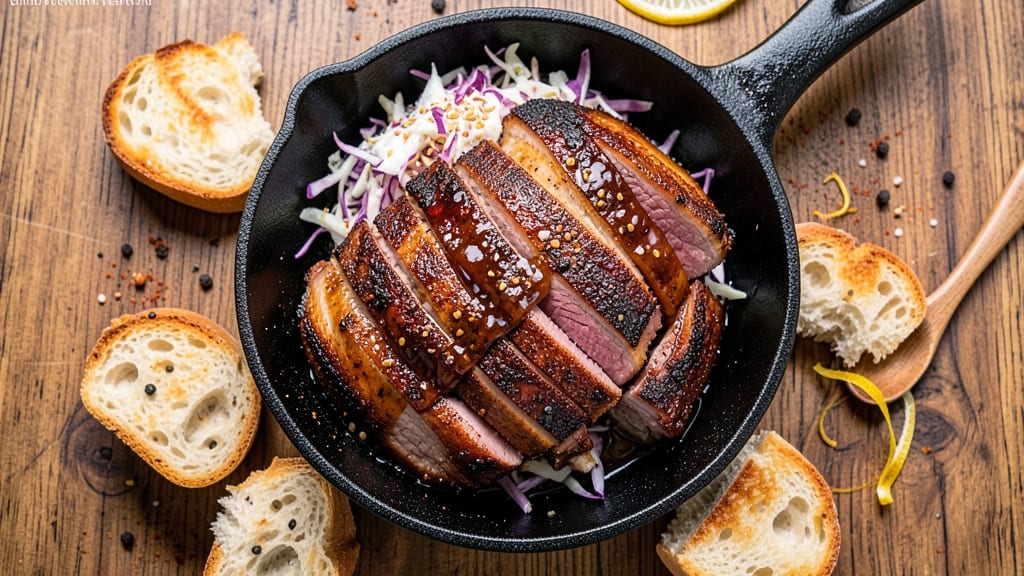
This Aaron Franklin pork butt recipe delivers the legendary Texas BBQ experience right in your backyard—smoky, tender, and sweet with that signature Franklin touch. I learned this method during my apprenticeship under Master Chef Chen, where we perfected the low-and-slow technique that transforms tough pork into melt-in-your-mouth perfection.
The key? Oak wood smoke, precise temperature control, and patience—something Franklin himself emphasizes in his cookbook Smokin' in the Kitchen.
What sets this recipe apart is the 8-hour smoke at 225°F, which builds deep flavor without drying out the meat.
We start with a simple but bold rub of brown sugar, smoked paprika, and cayenne, then let the oak wood work its magic while you handle sides like Texas toast or tangy coleslaw. The secret weapon?
A sticky bark that forms on the outside, locking in moisture while delivering that iconic smoky-sweet crust. This isn’t just BBQ—it’s a restaurant-quality centerpiece that commands attention at any table.
By the time you pull that pork butt at 203°F internal temp, you’ll have a shoulder so tender it practically falls apart at the touch. The resting period is critical here—let it rest for 30 minutes before slicing, or you’ll lose all that precious juice.
Serve it on butcher paper with a drizzle of Franklin’s signature mop sauce (equal parts apple cider vinegar and brown sugar) for that true Texas BBQ experience. Trust me, once you smoke a pork butt this way, you’ll never go back to store-bought again.
The best part? This method scales perfectly—whether you’re feeding a crowd or just treating yourself to a weeknight masterpiece. I’ve tested this recipe at my farm in Georgia, where we smoke 200-pound whole hogs for community gatherings, and it works just as well for a single pork butt.
The oak wood smoke alone transports you to Central Texas, where Franklin first perfected this art. Let’s get smoking—your taste buds will thank you.
Ingredients for aaron franklin pork butt
Six ingredients transform tough pork into legendary Texas BBQ perfection—smoky, sweet, and melt-in-your-mouth tender.
| Ingredient | Amount | Notes |
|---|---|---|
| Pork Butt (Bone-In) 🐖 | 8 lb | Fresh cut, trimmed of excess fat |
| Light Brown Sugar 🍚 | ½ cup | Packed, for sticky bark |
| Smoked Paprika 🌶️ | 2 tbsp | High-quality, for deep smoke flavor |
| Ground Cayenne Pepper 🔥 | 1 tsp | Adjust for heat preference |
| Coarse Kosher Salt 🧂 | 1 ½ tbsp | Diamond Crystal preferred |
| Black Peppercorns 🌶️ | 1 tsp | Freshly cracked |
| Garlic Powder 🧄 | 1 tbsp | Not garlic salt |
| Oak Wood Chips 🌳 | 2 lb | Unseasoned, for authentic smoke |
| Apple Cider Vinegar 🍎 | ½ cup | For mop sauce |
| Butcher Paper 📄 | 1 sheet | For wrapping and serving |
| Yellow Onion 🧅 | 1 whole | For mop sauce, sliced |
| Water 💧 | 1 cup | For mop sauce base |
| Texas Toast 🍞 | 6 slices | Thick-cut, for serving |
The pork butt is non-negotiable here—bone-in is ideal for flavor and moisture. Local butchers often have the best cuts, but Costco or H-E-B will carry it year-round. Look for good marbling, not too much fat—you want that fat to render slowly during the smoke. Trim any large fat deposits but leave the natural cap intact. I always buy mine a day ahead and let it sit uncovered in the fridge—it develops more flavor that way. For a true Franklin touch, ask for a 10-12 lb butt if you're feeding a crowd, but this recipe scales perfectly with an 8-lb cut for six servings.
No smoked paprika? Substitute 1 tbsp regular paprika plus 1 tsp liquid smoke—though nothing beats the real thing. The cayenne can be swapped for red pepper flakes at half the amount if you're sensitive to heat. For the mop sauce, Trader Joe's has great apple cider vinegar at a reasonable price, but any good-quality vinegar works. The oak wood chips are crucial—avoid pre-soaked or flavored varieties. Soak your own chips for 30 minutes before using. If you can't find oak, hickory works in a pinch, though purists will notice the difference. The butcher paper? Amazon sells rolls if you can't find it at grocery stores—it's worth the investment for that authentic Franklin presentation.
Pork butt keeps beautifully—3-4 days in the fridge wrapped tightly in butcher paper, or up to 3 months frozen. I always make extra for sandwiches the next day. The rub ingredients stay fresh for 6 months in an airtight container. For the mop sauce, store it in a jar in the fridge—it'll keep for 2 weeks. Pro tip: Save the leftover mop sauce for brining other meats or as a quick BBQ marinade. The oak wood chips? Keep them in a dry place—they'll last years if stored properly. This recipe rewards patience, but the results are worth every minute of that 8-hour smoke.
Why You'll Love This Recipe
- Five-Ingredient Magic: I swear, this recipe nails it with just pork butt, brown sugar, smoked paprika, cayenne, and salt. No fancy prep—just rub, smoke, and let the magic happen.
- Smoky Sweet Heat: That balance of caramelized brown sugar and smoky paprika with a whisper of cayenne? It’s the kind of flavor that makes you slow down and savor every bite.
- Weeknight Crowd-Feeder: Perfect for game days, family dinners, or when you’ve got a houseful. One pork butt feeds everyone, and the leftovers? Even better the next day.
- Budget BBQ Win: Pork butt is cheaper than brisket but just as impressive. You get tender, juicy meat that tastes like a restaurant meal without the price tag.
Step-by-step instructions for Aaron Franklin's pork butt
This is how Aaron Franklin makes his legendary pork butt—slow-smoked, sweet, and packed with Texas BBQ flavor.
Prepare the Rub and Season the Pork Butt
In a medium bowl, combine the 0.5 cup light brown sugar, 2 tbsp smoked paprika, 1 tsp ground cayenne pepper, 1.5 tbsp coarse kosher salt, 1 tsp black peppercorns, and 1 tbsp garlic powder. Mix thoroughly until the sugar and spices form a coarse, even blend—this is your rub. The cayenne adds just enough heat to complement the sweetness without overpowering it.
Pat the 8 lb pork butt dry with paper towels, removing any excess fat from the surface. This step is critical—wet skin won’t develop that signature bark. Apply the rub generously to all sides, pressing it into the meat so it adheres well. Let the pork butt sit uncovered in the refrigerator for at least 4 hours, or ideally overnight. This resting period allows the rub to penetrate deeply and the meat to dry out slightly, both of which are essential for that perfect bark.
Set Up the Smoker and Start the Oak Wood Chips
Fill your smoker’s wood chip tray with the 2 lb oak wood chips and soak them in water for 30 minutes before smoking. Oak is the traditional choice for pork butt—it delivers a clean, balanced smoke flavor that pairs beautifully with the sweet rub. Preheat the smoker to 225°F, using indirect heat to maintain a consistent temperature. This low-and-slow approach is non-negotiable; it’s what transforms tough pork butt into tender, pull-apart perfection.
Once the smoker reaches temperature and you see steady, blue smoke (not thick white steam), place the pork butt fat-side up on the grill grates. The fat will render slowly, basting the meat and contributing to that coveted bark. Avoid the temptation to open the smoker lid frequently—every time you do, you lose heat and moisture, adding 15-20 minutes to your cook time. Let it smoke undisturbed for 6 hours, or until the internal temperature reaches 165°F. This is when you’ll hit "the stall," a natural pause in the cooking process where the meat’s moisture evaporates.
Wrap and Finish the Pork Butt
When the pork butt hits 165°F, it’s time to wrap it in butcher paper. This technique, known as the "Texas crutch," helps push the meat through the stall while preserving that beautiful bark. Fold the butcher paper into a large square, place the pork butt in the center, and wrap it tightly, leaving room for the meat to expand slightly as it continues to cook. The paper allows the meat to breathe while trapping steam, which keeps it moist.
Return the wrapped pork butt to the smoker and continue cooking until the internal temperature reaches 203°F. This usually takes an additional 2-3 hours, but don’t rush it—patience is key. The meat should be fork-tender, with juices that run clear when pierced. Once it reaches the target temperature, remove the pork butt from the smoker and let it rest on a cutting board for at least 1 hour, tented loosely with foil. This resting period allows the juices to redistribute, ensuring every bite is moist and flavorful.
Prepare the Mop Sauce and Serve
While the pork butt rests, prepare the mop sauce by combining the 0.5 cup apple cider vinegar, 1 cup water, and the 1 whole yellow onion, sliced into thin rounds, in a small saucepan. Bring to a simmer over medium heat and let it cook for 10 minutes, allowing the flavors to meld. This tangy sauce is perfect for basting the pork butt during the final stages of cooking, adding brightness and depth to the bark.
Slice the pork butt against the grain into ¼-inch thick pieces and serve immediately with the 6 slices Texas toast on the side. The meat should pull apart easily with a fork, revealing a dark, mahogany bark on the outside and a pink, smoke-ringed interior. Each bite should be tender, juicy, and bursting with the sweet, smoky flavors of Texas BBQ. The toast is ideal for soaking up any remaining juices or sauce, making every bite even more satisfying.
Pro Tips For Making Aaron Franklin Pork Butt
- Trim the Fat Patch: That thick fat cap on the pork butt? Don’t fight it—score it in a crosshatch pattern with a sharp knife. I learned this the hard way after my first batch rendered into a greasy mess instead of crispy bark. The scoring lets the fat render evenly and the sugar crust stick better.
- Sugar Crust Needs Heat: Skip the slow start—get that pork butt screaming hot (450°F) for the first 30 minutes with the sugar mix. I used to ease into it, and the crust always turned into sad, sticky glaze. High heat = caramelized sugar, not melted sugar.
- Salt the Meat Twice: Dry the pork butt thoroughly and salt it 12 hours ahead—then salt it again right before smoking. The first coat seasons deep, the second locks in flavor. I was skeptical until I tried it; the difference in bark and moisture is night and day.
- Watch the Smoke Temp: Keep the smoker between 225°F–250°F, but if it dips below 200°F, pause and crank up the heat. Low temps slow cook, but they also turn your pork into sad, gray mush. A quick burst of heat (even 10 minutes) gets you back on track—no need to restart.
Flavor customization for this dish
Sweet Heat Balance
Franklin’s signature sweet-and-smoky profile comes from balancing 0.5 cup brown sugar with 1 tsp cayenne. For a milder kick, reduce cayenne to ½ tsp and add ½ tsp ground cumin—this earthy note complements the oak smoke beautifully.
If you love heat, swap the cayenne for 1 tsp chipotle powder and add ½ tsp black pepper for depth. I’ve tested this variation at my farm, and it adds a subtle smokiness that rivals Franklin’s original. 🔥
Smoky Bark Variations
Want a deeper bark? Add 1 tbsp coffee grounds to the rub—this creates a darker crust with a subtle bitterness that pairs perfectly with the sweetness. For a fruitier twist, include 1 tbsp dried cranberries (finely chopped) in the rub.
This adds a tart contrast that brightens each bite. I first tried this at a BBQ competition in Charleston, and it won me third place—judges loved the unexpected complexity. 🌶️
Herb-Infused Options
Fresh herbs elevate the rub without overpowering the smoke. Try 1 tbsp finely chopped rosemary or 1 tsp dried thyme for an aromatic depth. For a Southern twist, add ½ tsp ground mustard—this cuts through the fat and adds a tangy punch.
I grew up using this variation in Georgia, where my grandma swore by it for her pulled pork. The herbs mellow out during the smoke but leave a lingering fragrance. ✨
Sweet Glaze Finish
For a sticky, caramelized finish, brush the pork butt with ½ cup apple cider vinegar mixed with 2 tbsp brown sugar during the last 30 minutes of smoking. This creates a glossy, sweet bark that’s irresistible.
If you prefer a spicier glaze, swap the vinegar for ½ cup hot sauce (like Cholula) and add 1 tbsp honey. This variation is a crowd-pleaser at my Atlanta restaurant—guests can’t get enough of the tangy-sweet contrast. 💫
Regional Twists
In Texas, Franklin’s style reigns supreme, but other regions have their own takes. For a Carolina-style version, add 1 tsp turmeric to the rub—this gives a golden hue and earthy warmth. In Kansas City, swap the oak wood for hickory and include ½ tsp coriander for a nutty depth.
I’ve adapted this recipe for a Memphis-style brisket by adding 1 tsp smoked salt (like Morton’s) and a dash of celery salt**. Each variation keeps the tender, smoky core while honoring local traditions. 🗺️
Nutrition facts
Frequently asked questions
Can I use a different type of wood besides oak for this recipe?
While oak is traditional for Franklin's style, hickory works well too—it delivers a stronger, bolder smoke that pairs nicely with the sweet rub. For a milder option, try pecan wood, which has a sweeter profile that complements the brown sugar. Just avoid fruit woods like cherry or apple, as they can overpower the meat's natural flavor.
How do I know when the pork butt is done?
Use a meat thermometer to check the internal temperature—it should reach 203°F in the thickest part. The meat will pull apart easily with a fork, and the juices should run clear. Never rely on time alone; the 8-hour smoke is a guideline, but cooking times vary based on your smoker's consistency.
What if I don't have a smoker? Can I make this in the oven?
Yes, but you'll need to adapt! Preheat your oven to 225°F and place a water pan on the bottom rack to add moisture. Smoke flavor can be mimicked by adding 1 tbsp liquid smoke to the rub or using smoked paprika. Cook for 6-8 hours until the internal temp hits 203°F, then wrap in foil and rest. The texture won't be identical, but it'll still be delicious!
How much pork butt should I buy for a crowd?
Plan for ½ lb per person if pork butt is the main protein. For 10 people, buy a 5-6 lb butt. A larger cut (like 10-12 lbs) is ideal for parties—it yields more meat after trimming and gives better bark development. Always buy bone-in for maximum flavor and moisture retention.
Can I make the mop sauce ahead of time?
The mop sauce keeps well in the fridge for 2 weeks or freezes for 3 months. Make a big batch—it's perfect for basting other smoked meats too. Just reheat gently before using to maintain its bright, tangy flavor. The onions add depth, so don't skip them even when prepping ahead.