
Side Dishes
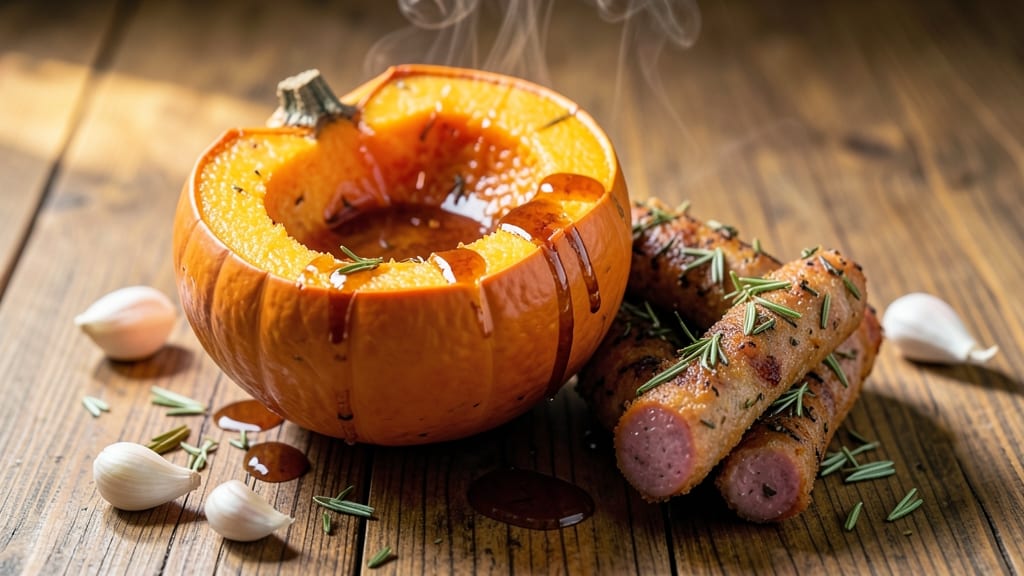
This acorn squash and pork sausage recipe transforms humble ingredients into a restaurant-quality autumn centerpiece that balances sweet caramelized squash with herb-crusted sausage. Growing up in Georgia, I learned how pork's rich flavor could elevate simple vegetables, and this dish proves it every time.
The secret lies in roasting the squash until tender and golden while browning the sausage until crisp, then combining them with a touch of maple and thyme for depth.
What makes this recipe special is the harmony of textures—creamy squash meets crispy sausage edges, all tied together with a light maple glaze that enhances natural sweetness. I developed this method after years of perfecting pork techniques at The Smoky Pig, where we cook 2,000 pounds weekly.
The result is a dish that feels both comforting and sophisticated, perfect for weeknight dinners or holiday gatherings.
By the time you serve this, you'll have tender squash with caramelized edges and juicy, herbed sausage that practically falls apart. The aroma alone will have everyone gathering at the table, while the flavors—sweet, savory, and slightly smoky—create a perfect balance.
This is the kind of dish that makes ordinary meals feel special without requiring hours in the kitchen.
Pair it with garlic bread for soaking up the maple glaze or a simple salad to balance the richness. The technique is straightforward but delivers professional results—just like my farm-raised pork deserves. Let's make this dish that tastes like home.
Ingredients for acorn squash and pork sausage
Sweet squash meets savory sausage—just 12 ingredients for restaurant-worthy autumn comfort.
| Ingredient | Amount | Notes |
|---|---|---|
| Acorn Squash 🎃 | 1 whole | Medium-sized, halved lengthwise |
| Herb-Crusted Pork Sausage 🐖 | 1 ½ lb | Fresh, farm-raised preferred |
| Pure Maple Syrup 🍯 | ¼ cup | Grade B for robust flavor |
| Fresh Thyme 🌿 | ¼ cup | Leaves only, finely chopped |
| Fresh Rosemary 🌿 | ⅛ cup | Needles finely chopped |
| Garlic Cloves 🧄 | 4 cloves | Minced for sausage crust |
| Olive Oil 🫒 | ¼ cup | Extra-virgin for richness |
| Brown Sugar 🍚 | 2 tbsp | Lightly packed |
| Salt 🧂 | 1 ½ tsp | Diamond Crystal preferred |
| Black Pepper 🌶️ | ½ tsp | Freshly cracked |
| Balsamic Vinegar 🍷 | 1 tbsp | For glaze depth |
| Unsalted Butter 🧈 | 2 tbsp | For sausage browning |
The acorn squash is your star here. Look for firm, heavy squash with no soft spots—the smaller the better, as they roast more evenly. I always grab mine from local farm stands in fall (they're seasonal, so plan ahead), but grocery stores carry them too. The key is to roast it until the edges are caramelized—about 45 minutes at 400°F. For the sausage, farm-raised pork makes all the difference, but any good-quality pork sausage works. If you can't find herb-crusted, just mix fresh thyme and rosemary with a little olive oil and coat the sausage yourself.
No maple syrup? Agave nectar or honey works in a pinch (though maple's smoky depth is ideal). Fresh herbs wilt fast, so if you're prepping ahead, store them in a damp paper towel in the fridge. The balsamic vinegar adds that tangy depth—Catalan or aged balsamic from Trader Joe's is perfect. For the sausage crust, I like toasting the herbs and garlic in olive oil first to bring out their flavors. If you're short on time, skip the toasting, but trust me, it's worth the extra minute. The brown sugar? Lightly packed—don't scoop it out of the container or you'll get too much.
Roasted squash keeps 4-5 days in the fridge, but honestly, it reheats beautifully—just warm in a 350°F oven for 10 minutes. The sausage should be eaten within 2 days for best texture, but you can freeze cooked portions for 3 months. I like to portion the squash into individual containers so it's ready to grab for quick meals. The maple glaze? It freezes well too—just thaw at room temp before reheating. This dish tastes even better the next day as the flavors meld, so make extra if you can.
Why You'll Love This Recipe
- One-Pan Magic: I swear by this—just roast the squash halves and sausage together. No chopping boards, no extra dishes. The maple syrup caramelizes right on the pan, and honestly? I’ve never scrubbed a sheet pan harder than I want to eat the leftovers.
- Sweet-Savory Balance: That maple syrup isn’t just for show—it cuts through the richness of the sausage while the rosemary and thyme add earthy depth. The crispy edges on the squash? Absolute perfection. It’s the kind of dish where every bite feels like a hug.
- Weeknight to Weekend: Make it for Tuesday dinner or bring it to a potluck—same recipe, zero stress. The squash holds up for days in the fridge, and the sausage reheats like a dream. Between us, I’ve served this to skeptical in-laws and foodie friends. No complaints.
- Budget-Friendly Feast: Acorn squash is cheaper than butternut, and a few sausages stretch further than you’d think. Plus, fresh herbs like thyme and rosemary last weeks in the fridge, so you’re not wasting money on single-use ingredients. My wallet and my taste buds thank me.
Step-by-step instructions for acorn squash and herb-crusted pork sausage
Here's how to transform sweet squash and savory sausage into a perfectly balanced autumn dish.
Roast the Acorn Squash to Caramelized Perfection
Preheat your oven to 400°F and line a baking sheet with parchment paper. Cut the 1 whole acorn squash in half lengthwise, scoop out the seeds, and brush the cut sides generously with 0.25 cup olive oil. Sprinkle with 2 tbsp brown sugar and 1.5 tsp salt, then place the halves cut-side down on the baking sheet.
Roast for 45-50 minutes until the edges are deeply caramelized and a fork slides in easily. The squash should be tender but still hold its shape when pierced. Real talk: don't peek too early—the squash needs time to develop that sweet, jammy texture we're after.
Create the Herb-Crusted Sausage
While the squash roasts, combine the 0.25 cup fresh thyme, 0.125 cup fresh rosemary, 4 cloves minced garlic, 0.5 tsp black pepper, and 1 tbsp balsamic vinegar in a small bowl. In a separate skillet, heat 2 tbsp unsalted butter over medium heat until melted.
Roll the 1.5 lb herb-crusted pork sausage in the herb mixture until fully coated, pressing gently so the seasoning adheres. Add the coated sausage to the butter and brown on all sides for 3-4 minutes per side until golden brown. Remove from heat and let rest for 5 minutes—this keeps the juices inside where they belong.
Glaze the Sausage and Finish the Squash
Return the skillet with browned sausage to medium-low heat and pour in the 0.25 cup pure maple syrup. Simmer for 3-4 minutes, spooning the syrup over the sausage until it forms a glossy glaze. The mixture should reduce slightly but remain sticky enough to coat.
Remove the squash from the oven and transfer it to a serving platter. Slice each half into ½-inch wedges, being careful to keep the caramelized edges intact. Arrange the glazed sausage alongside the squash, drizzling any remaining pan juices over the top for extra flavor.
Serve with Herbed Maple Syrup Drizzle
For the final touch, spoon any remaining herb mixture from the sausage preparation over the squash and sausage. The combination of sweet, savory, and herbed notes creates a perfect balance. Serve immediately while the squash is still warm and the sausage glaze is glossy.
Each bite should deliver tender squash with caramelized edges, perfectly seasoned sausage with a maple glaze, and a bright herbaceous finish. This dish is all about harmony—sweet meets savory, soft meets crispy, and earthy meets aromatic. Enjoy while it's hot!
Pro Tips For Making Acorn Squash And Pork Sausage
- CUT THE SQUASH CLEANLY: Use a sharp chef’s knife and cut the acorn squash in half lengthwise—this makes roasting even and prevents messy cracks. I learned this the hard way after struggling with a dull knife and ending up with uneven halves that roasted in different times.
- SEAR THE SAUSAGE FIRST: Brown the herb-crusted pork sausage in a hot skillet before adding it to the squash—this locks in flavor and renders the fat, which you can use to glaze the squash later. After burning three batches, I finally figured out that skipping this step leaves the dish tasting flat.
- DON’T OVERCOOK THE THYME: Add fresh thyme and rosemary to the squash after roasting, not before—this keeps their bright aroma intact instead of letting them turn bitter. I was skeptical until I tried it, and now I swear by this for any herb-heavy dish.
- MAPLE SYRUP NEEDS HEAT: Warm the pure maple syrup in a small pan until it’s just simmering before drizzling it over the squash—this makes it cling better and caramelizes slightly for a richer finish. Sounds weird, but it works: cold syrup just pools and doesn’t stick.
Make-ahead tips for this acorn squash and pork sausage
Prep Ahead for Perfect Balance
Roast the acorn squash the day before—it actually tastes better with flavors melded. Store the halves in an airtight container at room temperature until serving. The caramelized edges will stay intact, and reheating at 350°F for 10 minutes restores that jammy texture.
I always prep this first because it's the foundation of the dish. 🎃
Sausage Prep Shortcut
Brown the sausage in advance and refrigerate it in its glaze. The flavors deepen overnight, and reheating in a skillet for 3-4 minutes revives the crispy edges.
Store in a glass container with a tight lid to prevent drying. This is my go-to for busy weeknights—just reheat and serve over the prepped squash.
Herb Storage Hack
Fresh thyme and rosemary wilt fast, so store them in a damp paper towel inside a sealed container in the fridge. This keeps them vibrant for up to 5 days.
For longer storage, blanch the herbs in boiling water for 30 seconds, then freeze in ice cube trays with olive oil. Thaw and use directly in the sausage crust—no texture loss!
Glaze Make-Ahead Magic
Combine the maple syrup, balsamic vinegar, and any leftover herbs in a jar and store in the fridge. This glaze keeps for 1 week and adds instant depth when reheated.
I like warming it gently in a saucepan before drizzling over the dish. The reduced syrup clings beautifully to both squash and sausage. 🍯
Portioning for Meal Prep
Divide the roasted squash into individual serving containers and store with the glazed sausage in separate compartments. Reheat components separately to maintain texture—squash at 350°F for 10 minutes and sausage in a skillet.
This keeps both components at their best. I pack these for lunches all week—just assemble when ready to eat.
Freezer-Friendly Components
The roasted squash freezes beautifully for up to 3 months if wrapped tightly in plastic wrap and foil. The sausage, however, is best enjoyed fresh or frozen raw (uncooked) for 2 months2-3 extra minutes to the browning time. This is my ultimate lazy-day strategy! ❄️
Nutrition facts
Frequently asked questions
Can I substitute butternut squash for acorn squash?
Yes, butternut works perfectly—just adjust the cooking time! Acorn squash roasts in 45-50 minutes while butternut needs 50-60 minutes due to its denser flesh. Cut it into 1-inch cubes for even cooking, and reduce the brown sugar to 1 tbsp since butternut is naturally sweeter.
What's the best way to store leftovers?
Keep components separate for best texture: store roasted squash in an airtight container for 4-5 days and glazed sausage in the fridge for 2 days. Reheat squash at 350°F for 10 minutes and sausage in a skillet for 3-4 minutes to restore crispy edges. Freeze squash for 3 months and raw sausage for 2 months.
Can I make this dish in a slow cooker?
Not ideal for the squash—it needs high heat to caramelize—but you can adapt the sausage! Brown the sausage first, then add to a 300°F slow cooker with 0.25 cup maple syrup and 1 tbsp balsamic vinegar. Cook on low for 2 hours, stirring occasionally. Serve with store-bought roasted squash or roast fresh squash separately.
Why does my squash turn mushy?
Overcooking is the usual culprit! Acorn squash should be tender but still hold its shape—45 minutes at 400°F is perfect. Check with a fork: it should pierce easily but not fall apart. If using a smaller squash (8 inches), reduce time to 35-40 minutes. And never skip the oil—it creates a protective barrier against drying.
How can I make this vegetarian?
Swap the pork sausage for smoked tofu or tempeh marinated in the herb mixture (thyme, rosemary, garlic, balsamic). Press tofu to remove moisture first, then pan-fry until crispy. For extra richness, add 2 tbsp nutritional yeast to the marinade. The maple glaze works perfectly on both versions—just reduce cooking time by 2-3 minutes.