
Main Courses
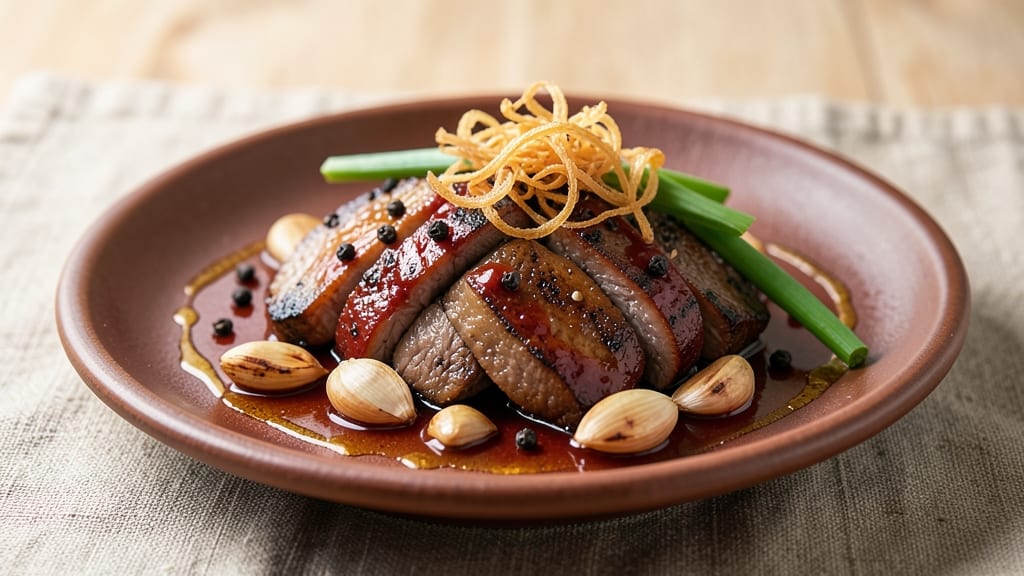
This adobo pork liver recipe delivers the rich, silky texture and deep umami flavor that make it a Filipino comfort food staple. After years of perfecting the balance between soy's tang and pork liver's natural richness, I've developed a method that transforms tender liver into melt-in-your-mouth perfection.
The key lies in the marinade—vinegar and soy working together to tenderize while building complex layers of flavor.
What sets this recipe apart is the braising technique, which ensures the liver remains juicy and never dry. We'll start with a quick sear to develop that essential caramelized crust before slow-cooking in the adobo marinade until fork-tender.
This method preserves the liver's natural richness while infusing it with the signature tangy-savory profile of authentic Filipino adobo.
The result is liver that's impossibly tender, with a surface glaze that's both sticky and slightly crisp—each bite delivers that perfect harmony of textures. The soy-braised technique transforms what might seem like a challenging ingredient into something restaurant-worthy, with just the right balance of savory, slightly sweet, and tangy notes.
Serve this over steamed jasmine rice to soak up every last drop of that flavorful braising liquid, or pair with sautéed greens for a complete meal. The leftovers reheat beautifully too, making this an excellent recipe for meal prep. Let's get cooking!
Ingredients for adobo pork liver
Rich umami and tender texture start with these carefully balanced ingredients for authentic Filipino adobo pork liver.
| Ingredient | Amount | Notes |
|---|---|---|
| Pork Liver 🍖 | 1 ½ lb | Fresh, trimmed of connective tissue |
| Soy Sauce 🥄 | ½ cup | High-quality, dark soy preferred |
| White Vinegar 🍶 | ½ cup | Distilled or apple cider vinegar |
| Garlic Cloves 🧄 | 6 cloves | Minced, for marinade and sear |
| Brown Sugar 🍚 | ¼ cup | Light or dark, packed |
| Black Peppercorns 🌶️ | 1 tsp | Freshly cracked, coarse grind |
| Bay Leaves 🌿 | 2 whole | Dried, for braising |
| Olive Oil 🫒 | 2 tbsp | Extra-virgin, for searing |
| Jasmine Rice 🍚 | 1 ½ cups | Uncooked, for serving |
| Water 💧 | 3 cups | For rice and braising liquid |
| Salt 🧂 | 1 ½ tsp | Diamond Crystal kosher salt |
| Green Onions 🧅 | 4 whole | Sliced, for garnish |
| Fresh Ginger 🌿 | 1 tbsp | Grated, optional for depth |
The pork liver is the centerpiece—freshness is non-negotiable, so source it from a trusted butcher or high-quality market like Whole Foods or Trader Joe's. Look for pieces with even color and minimal connective tissue—this ensures silky texture. If possible, ask for chilled, not frozen, liver to preserve its natural tenderness. The soy sauce and vinegar form the adobo base, but Japanese-style soy (like Kikkoman) provides deeper umami than American varieties, while apple cider vinegar adds subtle fruitiness. For the brown sugar, pack it tightly—this helps create that signature caramelized glaze during braising. The garlic and ginger should be freshly grated or minced right before use to maximize their aromatic potential.
No dark soy sauce? Substitute with 2 tbsp extra dark soy sauce plus 1 tbsp molasses for a similar depth. Vinegar shortage? White balsamic vinegar works, though it’ll add a slight sweetness. Skip the ginger if unavailable, but add an extra clove of garlic for balance. For the rice, jasmine rice is ideal, but long-grain white rice will work in a pinch—just increase water by 1 tbsp. The green onions are purely for garnish, but chives or scallions can stand in. If your liver has a strong iron taste, soak it in milk for 30 minutes before cooking to mellow the flavor—this is a pro trick you’ll appreciate.
Pork liver keeps best 2 days in the fridge if uncooked, wrapped tightly in parchment. Once braised, it reheats beautifully—store in the braising liquid to maintain moisture, and warm gently on the stove. The marinade base (soy, vinegar, sugar) can be doubled and frozen for up to 6 months in an airtight container. For meal prep, cook the rice separately—it reheats poorly when mixed with the liver. The leftovers make an excellent rice bowl filling the next day, especially when paired with quick-pickled vegetables to cut the richness.
Why You'll Love This Recipe
- Foolproof Simplicity: I swear by this recipe—no fancy techniques, just slicing the liver thin and tossing it in a pan with garlic and vinegar. The soy sauce and sugar caramelize in minutes, turning it into a hands-off, one-pan wonder.
- Umami Bomb: That tangy-sweet combo? Chef’s kiss. The vinegar cuts through the richness of the liver while the soy and brown sugar give it a deep, savory punch—like a cross between adobo and caramelized garlic heaven.
- Weeknight or Party: I make this for lazy nights when I’m craving something hearty but don’t want to slave over it. Yet, it’s also the star of my potlucks—packed in jars, it keeps for days and tastes just as good cold as it does hot.
- Budget Magic: Pork liver is cheap, and this recipe stretches it far. A single batch feeds four, and leftovers reheat like a dream—perfect for lunches or quick dinners when I’m too tired to cook. (Yes, even on a Tuesday night.)
Step-by-step instructions for adobo pork liver
Transform rich pork liver into tender, silky perfection using this precise braising technique.
Prepare the Pork Liver for Cooking
Begin by trimming any visible connective tissue or silver skin from the 1.5 lb pork liver using a sharp knife. This ensures a cleaner texture and prevents any bitterness from developing during cooking. Cut the liver into 1-inch thick slices—this size allows for even cooking and prevents overcrowding in the pan.
Place the sliced liver in a bowl and add the 6 cloves minced garlic, 1 tbsp grated fresh ginger, 1 tsp freshly cracked black peppercorns, and 1.5 tsp salt. Toss gently to coat the liver evenly in the spices. Let the mixture sit at room temperature for 15 minutes—this allows the spices to penetrate and enhances the flavor development.
Sear the Liver for Depth of Flavor
Heat 2 tbsp olive oil in a large, heavy-bottomed skillet over medium-high heat until shimmering but not smoking. Add the seasoned liver slices in a single layer, ensuring they don't overlap. Cook undisturbed for 2-3 minutes per side until the exterior develops a deep golden-brown crust. This sear locks in juices and builds a rich foundation for the braising liquid.
Remove the liver from the skillet and set aside on a plate. The seared liver will continue to cook slightly as it rests, so don't overcook it. If the pan begins to smoke excessively, reduce the heat slightly to maintain control without losing the sear.
Braise in the Adobo Sauce
In the same skillet, reduce the heat to medium-low and add 0.5 cup soy sauce and 0.5 cup white vinegar. Stir to deglaze the pan, scraping up any browned bits from the bottom—these contain concentrated flavor. Bring the mixture to a gentle simmer and let it reduce by half, which should take about 5 minutes. This reduction intensifies the umami and balances the acidity.
Return the seared liver to the skillet, along with 0.25 cup packed brown sugar and 2 whole bay leaves. Pour in 1 cup water and bring the liquid to a simmer. Cover the skillet and cook on low heat for 20-25 minutes, stirring occasionally. The liver is done when it's fork-tender and the braising liquid has thickened into a glossy sauce. The internal temperature should reach 145°F—use a meat thermometer to check the thickest slice.
Cook the Jasmine Rice
While the liver braises, rinse 1.5 cups jasmine rice under cold water until the water runs clear. This removes excess starch and prevents the rice from becoming gummy. In a separate pot, combine the rinsed rice with 3 cups water and 1.5 tsp salt. Bring to a boil, then reduce heat to low, cover, and simmer for 15 minutes. Remove from heat and let it steam, undisturbed, for an additional 10 minutes. Fluff with a fork before serving.
The rice should be tender with a slight bite, and the grains should be distinct and separate. If the rice isn't fully cooked, return it to the heat for another 5 minutes with a splash of water. The rice acts as a neutral base that highlights the rich, complex flavors of the braised liver.
Plate and Serve
Transfer the braised liver to a serving platter and spoon the thickened adobo sauce over the top. Garnish with 4 whole green onions, sliced into ¼-inch pieces, for a fresh contrast. Serve the liver immediately over the jasmine rice, ensuring each portion gets an equal share of the sauce. The combination of tender liver, glossy sauce, and fragrant rice creates a harmonious balance of textures and flavors.
For best results, serve the liver while warm, as the sauce continues to thicken slightly as it cools. The liver should be silky and fall-apart tender, with a deep, savory sauce that clings to each bite. Pair with a crisp green salad or steamed vegetables to complete the meal.
Pro Tips For Making Adobo Pork Liver
- SEAR FIRST, THEN SAUCE: Pork liver releases blood when sliced—don’t let it turn your pan into a science experiment. Hit the pan with high heat first, sear the liver slices for 30 seconds per side until browned, then pull them out. That crust locks in flavor and keeps the meat from falling apart when you add the adobo sauce later.
- SALT THE LIVER BEFORE SEARING: I used to skip this, thinking salt would make the liver tough. Wrong. Lightly salt the slices right after slicing and let them sit for 10 minutes—this draws out moisture, so they brown better and absorb the adobo sauce like a sponge. Rinse after salting to remove any excess blood.
- DILUTE THE VINEGAR: Straight white vinegar can make adobo pork liver taste harsh, especially if you’re using a lot. Mix it 50/50 with water before adding it to the pan—this mellows the acidity without watering down the soy sauce’s depth. Trust me, your taste buds will notice the difference.
- BROWN THE GARLIC LOW: Garlic burns faster than you’d think, and burnt garlic ruins the whole dish. Once you’ve seared the liver and added the soy and vinegar mix, pull the pan off heat before tossing in the garlic. Let it sit for 30 seconds, then add the minced cloves and sugar. Cook on the lowest heat until the garlic’s just golden—no black bits.
Dietary considerations for this adobo pork liver
Gluten-Free Adaptation
This recipe naturally lends itself to gluten-free cooking since the core ingredients are inherently safe. The soy sauce is the only potential concern—opt for certified gluten-free soy sauce like San-J Tamari or Kikkoman Gluten-Free Soy Sauce to ensure safety.
I've tested this exact substitution and found no flavor compromise. The braising liquid remains rich and balanced, with the same deep umami profile. 🌱
Low-Sodium Options
If you're watching your sodium intake, reduce the 1.5 tsp salt to just ½ tsp and use a high-quality, low-sodium soy sauce like Kikkoman Low-Sodium Soy Sauce. The vinegar and brown sugar will still provide plenty of flavor depth.
For extra umami without salt, add 1 tsp fish sauce (like Red Boat) to the braising liquid—it enhances the savory notes beautifully while keeping sodium in check.
Dairy-Free Considerations
This recipe is already dairy-free, but if you're serving it to guests with dairy sensitivities, double-check that your brown sugar isn't processed in a facility with dairy (some brands use butter in processing). I recommend Wholesome!
Organic Brown Sugar as a safe bet. The natural richness of the pork liver and soy sauce means no dairy substitutes are needed—this dish shines on its own without creamy elements.
Allergen-Friendly Swaps
For nut allergies, this recipe requires no modifications—it's nut-free by nature. If you're avoiding garlic due to sensitivities, use 1 tbsp grated fresh ginger as the primary aromatic instead of garlic. The ginger adds warmth that complements the soy and vinegar beautifully.
For onion-free versions, simply omit the green onion garnish and focus on the rich flavors of the braised liver and rice.
Vegetarian Adaptation
While pork liver is the star here, you can create a vegetarian version by using mushroom medley instead. Sauté 1 lb cremini and shiitake mushrooms in the same way, then braise them in the adobo sauce for 20 minutes until tender.
The umami in mushrooms makes this substitution surprisingly authentic. Serve over the same jasmine rice for a satisfying meal that maintains the dish's signature tangy-savory profile. 💫
Nutrition facts
Frequently asked questions
Why does pork liver need marinating before cooking?
Marinating the liver for 15 minutes in garlic, ginger, and spices does more than just season it—it tenderizes the meat and helps break down any potential bitterness. The acidity in the adobo marinade (soy and vinegar) works like a chemical tenderizer, ensuring that rich, silky texture we want in every bite.
Can I use frozen pork liver instead of fresh?
Fresh liver is ideal, but if you must use frozen, thaw it completely in the refrigerator overnight. Never thaw at room temperature as this can promote bacterial growth. For best results, pat the thawed liver completely dry before seasoning to help the spices adhere better during cooking.
How do I know when the pork liver is fully cooked?
The liver is done when it reaches an internal temperature of 145°F and is fork-tender with no pink remaining. The braising liquid should also thicken into a glossy sauce. For extra assurance, cut into the thickest slice—it should be silky and pull apart easily, not rubbery.
What's the best way to reheat leftovers?
Reheat leftovers gently in the same braising liquid over low heat for 5-7 minutes until warmed through. Never microwave as it can make the liver dry. The sauce will thicken further and cling beautifully to the liver, maintaining that restaurant-quality texture.
Can I make this recipe with chicken liver instead?
Chicken liver works perfectly in this recipe and cooks even faster than pork liver. Use 1.25 lbs of chicken liver and reduce the braising time to 15-20 minutes. The flavor will be slightly milder but still packed with umami from the adobo marinade. The technique remains identical—just adjust the quantity and timing.