
Main Courses
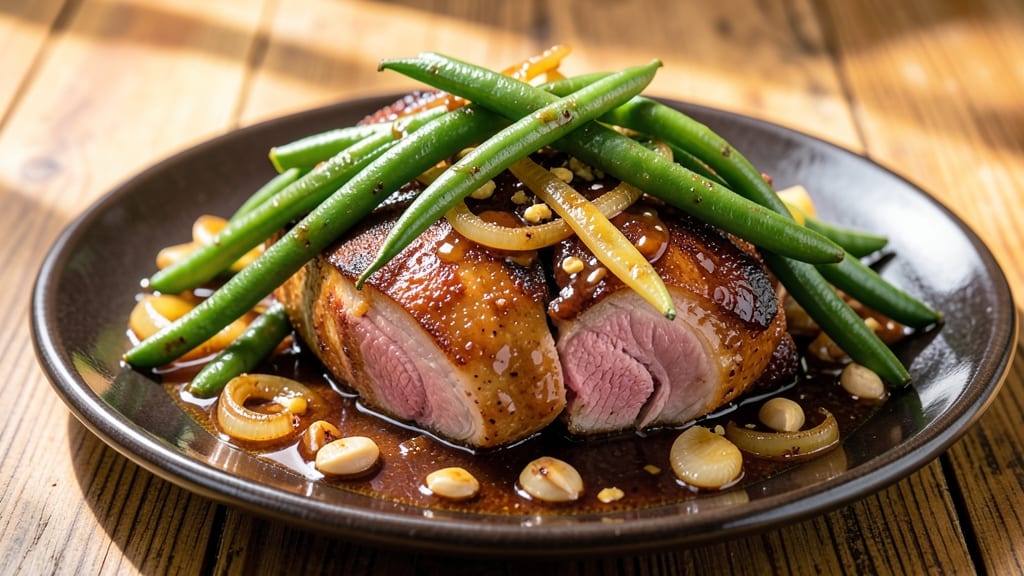
This adobo sitaw with pork recipe delivers the perfect balance of smoky, tangy pork and crisp-tender string beans in one aromatic pot. 🔥 The Filipino adobo method—vinegar and soy sauce braised with garlic and onion—creates a rich, caramelized glaze that clings to each bite of tender pork, while the string beans stay vibrant and slightly crisp.
As someone who's spent years perfecting pork dishes, I can tell you this recipe captures the soul of Filipino comfort food in every spoonful.
The beauty of this dish lies in its simplicity and depth of flavor. You'll start with pork shoulder, marinated in a blend of soy sauce, vinegar, and garlic, which tenderizes the meat while building layers of umami.
The string beans (sitaw) are added later to preserve their crisp texture, creating a delightful contrast against the melt-in-your-mouth pork. This one-pot method ensures minimal cleanup while delivering maximum flavor—just like my grandmother used to make, but with a few modern shortcuts.
What you'll end up with is a dish that's as satisfying as it is versatile. The pork falls apart easily, coated in a glossy, slightly sticky glaze that's both savory and tangy, while the string beans retain their bright green color and satisfying crunch.
The aroma alone will have everyone gathering around the table, and the first bite will make them ask for seconds. This is the kind of meal that feels like a hug in a bowl—comforting, flavorful, and impossible to resist.
Serve it over steamed white rice to soak up every last drop of that delicious sauce, or pair it with crusty bread for a heartier meal. The leftovers reheat beautifully, making this an ideal dish for meal prep or feeding a crowd.
Whether you're cooking for family or treating yourself to a taste of the Philippines, this recipe is a game-changer that will quickly become a staple in your kitchen.
Ingredients for adobo sitaw with pork
Pork shoulder, string beans, and a few pantry staples transform into a smoky, tangy Filipino classic.
| Ingredient | Amount | Notes |
|---|---|---|
| Pork Shoulder 🍖 | 2 lb | Bone-in for flavor, cut into 2-inch chunks |
| String Beans (Sitaw) 🥦 | 1 ½ lb | Trimmed, cut into 3-inch pieces |
| White Vinegar 🍶 | ½ cup | White or cane vinegar preferred |
| Soy Sauce 🥄 | ½ cup | Light or all-purpose soy sauce |
| Garlic Cloves 🧄 | 8 cloves | Minced, for marinade and cooking |
| Yellow Onion 🧅 | 1 whole | Thinly sliced, for aromatics |
| Bay Leaves 🌿 | 2 whole | Dried, for depth of flavor |
| Black Peppercorns 🌶️ | 1 tsp | Whole, lightly crushed |
| Sugar 🍚 | 2 tbsp | White or brown sugar, balances acidity |
| Olive Oil 🫒 | 2 tbsp | For searing pork |
| Salt 🧂 | 1 ½ tsp | Kosher or sea salt, adjust to taste |
| Water 💧 | 1 cup | For deglazing and simmering |
The pork shoulder is the heart of this dish—bone-in cuts add extra flavor, but boneless works too. Look for well-marbled meat at your local Asian market or butcher shop; the fat renders beautifully during cooking. If you can't find string beans, celery or green beans work in a pinch, but they won't have that signature crunch. The garlic and onion are non-negotiable—they build the aromatic base that makes this dish sing. I always grab a head of garlic from Trader Joe's because their bulbs are huge and perfect for mincing.
No soy sauce? Coconut aminos or even a splash of fish sauce (if you're okay with a slight umami boost) can work, but soy is traditional. Vinegar substitutes? Apple cider vinegar or white wine both add complexity, but stick to white vinegar for authenticity. The sugar balances the acidity—brown sugar adds a caramel note, but white sugar keeps it classic. If you're short on time, pre-minced garlic from the jar is fine (just rinse it first to remove excess moisture), but fresh is always better. The bay leaves? Toss them in early and remove before serving—they infuse deep flavor without overpowering.
This sauce gets better with time, so make it a day ahead if you can. The pork will fall apart even more by then, and the flavors meld beautifully. Store leftovers in the fridge for up to 5 days—they reheat like a dream. For freezing, portion into airtight containers with a splash of water to preserve moisture, and it'll keep for 3 months. I always double the recipe because it disappears fast—my family fights over the last bowl of rice soaking up the sauce.
Why You'll Love This Recipe
- Few Ingredients, Big Payoff: I swear by this—just pork, beans, vinegar, and garlic. No fancy pantry trips, no last-minute grocery runs. The magic happens in the braising, where those few ingredients meld into something ridiculously satisfying.
- Tangy-Savory Magic: That balance of vinegar’s sharp bite and soy’s deep umami? Chef’s kiss. The pork gets fork-tender while the sitaw stays crisp, and the garlic? It caramelizes just enough to make every bite sing.
- Weeknight to Potluck Star: Between us, this dish works everywhere. Toss it in a thermos for lunch, serve it at family gatherings, or just eat it straight from the pot when you’re too tired to care. (Yes, even on a Tuesday night.)
- Leftovers That Don’t Lie: Honestly, I make double portions because the flavor only gets better the next day. The beans soak up all the rich sauce, and the pork? Falls apart at the touch of a fork—perfect for quick lunches or reheating with rice.
Step-by-step instructions for smoky soy-glazed pork and celery
Here's how to create this rich, flavorful one-pot dish with tender pork and crisp-tender sitaw.
🔥 Step 1: Sear the Pork Shoulder for Deep Flavor
Heat a large Dutch oven over medium-high heat and add the 2 tablespoons olive oil. Once shimmering, add the 2 lb pork shoulder in 2-inch chunks, working in batches if needed. Let each piece sear undisturbed for 3-4 minutes until deep golden brown on all sides. This creates a flavorful crust that builds the sauce later.
I press down gently on the pork pieces during the first minute—this prevents them from curling and ensures even contact with the pan. Don't overcrowd the pot or the temperature will drop and you'll steam instead of sear. Transfer the browned pork to a plate as you finish each batch.
🍳 Step 2: Build the Aromatic Base
In the same Dutch oven, add the thinly sliced yellow onion and cook for 3-4 minutes until softened and just beginning to color. Add the 8 cloves minced garlic cloves and lightly crushed black peppercorns, stirring constantly for 30 seconds until fragrant—you should smell that garlic releasing its sweet aroma.
Here's where it gets good: pour in the ½ cup soy sauce and ½ cup white vinegar, scraping up all those browned bits from the bottom of the pot. These bits are pure flavor—don't skip this step! Let the mixture bubble for 1-2 minutes until slightly reduced and glossy.
🥘 Step 3: Simmer the Pork with Aromatics
Return the seared pork to the pot and add the 2 whole bay leaves, 1.5 teaspoons salt, and 2 tablespoons sugar. Pour in the 1 cup water and bring to a gentle simmer. Cover partially and cook for 45-50 minutes, stirring occasionally, until the pork is fork-tender when pierced with a knife.
Real talk: the sugar might seem odd, but it balances the acidity from the vinegar and caramelizes slightly, adding depth to the sauce. If the liquid reduces too quickly, add a splash of water—just enough to keep the pork submerged. You want it tender but not falling apart.
🍳 Step 4: Add the Sitaw and Finish Cooking
Once the pork is tender, add the 1.5 lb trimmed string beans (sitaw) cut into 3-inch pieces. Stir gently to coat them with the sauce, then cover and simmer for another 10-12 minutes until the sitaw are crisp-tender—you want them to hold their shape but be easily pierced with a fork.
Here's the trick: don't overcook the sitaw. They should retain a pleasant crunch while still being tender. Taste the sauce and adjust seasoning if needed—you might want to add a splash more soy sauce for saltiness or a touch of vinegar for brightness. The beans will absorb some of the liquid, so keep an eye on the consistency.
⏰ Step 5: Rest and Serve with Perfect Texture
Remove the dish from heat and let it rest for 5-10 minutes before serving. This resting period allows the flavors to meld and the pork to reabsorb any juices that might have pooled at the bottom. Discard the bay leaves before serving—they've done their job and can be a bit bitter if left in.
Serve the adobo sitaw piping hot, spooning the rich, smoky sauce over the tender pork and crisp-tender sitaw. Each bite delivers perfect texture contrast—juicy pork, crisp vegetables, and that beautiful balance of sweet, salty, and tangy flavors. Save any leftovers—they taste even better the next day!
Pro Tips For Making Adobo Sitaw With Pork
- SEAR THE PORK FIRST: Skip the slow start—hit that pork shoulder with high heat until it’s deep golden brown before adding anything else. I learned this the hard way: rushing the sear means you’ll end up with gray, bland meat instead of rich, caramelized flavor that carries through the whole dish.
- TRIM THE SITAW RIGHT: Don’t just rinse those string beans—snip off the tough ends with kitchen shears. The fibrous tips never soften, and they turn mushy if you leave them. Takes 30 seconds but makes a real difference in texture.
- DILUTE THE VINEGAR: Straight white vinegar can overwhelm the pork’s flavor. Mix it 1:1 with water before adding it to the pot—this balances the tang without making the dish taste harsh. (Yes, even if the recipe doesn’t say so.)
- SAVE THE GARLIC WATER: After mincing your garlic, don’t toss the juice—strain it into the cooking liquid. That aromatic pulp holds flavor gold, and skipping it means you’re losing depth. Just let it simmer in; no one will notice the tiny bits.
Serving suggestions for this adobo sitaw with pork
Rice Pairings
Steamed jasmine rice is my go-to choice for this dish—its delicate, floral aroma complements the bold flavors beautifully. Cook 1.5 cups of rice for 4 servings using a 1:1.5 rice-to-water ratio, and steam until just tender.
The rice soaks up the rich adobo sauce perfectly, creating each bite into a flavor-packed experience. For extra authenticity, try Filipino malagkit rice, which has a slightly sticky texture that pairs wonderfully with the tender pork. 🍚
Garnish Ideas
Fresh cilantro or green onions add a bright, herby contrast to the rich pork and tangy sauce. I like to sprinkle 2 tablespoons chopped cilantro or 3 green onions (thinly sliced) over the dish right before serving.
For a pop of color, add sliced cherry tomatoes or lime wedges—the acidity cuts through the richness and adds a refreshing finish. Trust me, these garnishes elevate the dish from good to unforgettable.
Bread Sides
If you're serving this as a heartier meal, garlic bread or Filipino pandesal (sweet bread rolls) make excellent companions. I often toast a baguette with 2 tablespoons butter, 3 minced garlic cloves, and a sprinkle of salt, then serve it alongside.
The bread soaks up any leftover sauce, and the garlic adds another layer of flavor that ties everything together. For a lighter option, steamed buns or crusty sourdough work just as well.
Drink Pairings
A cold San Miguel beer is the classic choice—its crisp, slightly malty flavor balances the dish's richness without overpowering it. For a non-alcoholic option, coconut water or mango juice adds a refreshing sweetness that complements the tangy adobo.
If you prefer wine, a dry Riesling with its bright acidity and citrus notes pairs surprisingly well. I always keep a pitcher of iced tea on hand too—it’s a crowd-pleaser and cuts through the bold flavors beautifully. 🍹
Meal Prep Tips
This dish reheats beautifully, making it perfect for meal prep. Store leftovers in an airtight container in the fridge for up to 5 days, or freeze for 3 months. When reheating, add a splash of water or broth to prevent drying out—just enough to loosen the sauce.
I like to portion it into individual containers so I can grab a serving straight from the fridge or freezer. The flavors actually deepen over time, so leftovers often taste even better than the first serving. 💡
Family-Style Serving
Filipino meals are all about sharing, so serve this dish family-style in a large bowl or platter. Let everyone dig in with steamed rice and extra sauce on the side.
I often set out small bowls of calamansi juice (or lime) for a tangy dip, and a plate of pickled vegetables to add crunch and acidity. The interactive nature of family-style dining makes this dish even more special—plus, it’s a great way to get everyone involved in the meal. 👨👩👧👦
Nutrition facts
Frequently asked questions
Can I substitute regular beans for sitaw (string beans)?
While you can use green beans or snap peas, they won't give you that signature crisp-tender texture that sitaw provides. For the best results, look for Chinese long beans or yard-long beans at Asian markets—they're closest in texture. If you must use green beans, cut them into 2-inch pieces and cook them for 5-7 minutes less than sitaw to preserve some crunch.
Why does my pork turn out tough instead of tender?
This usually happens when the pork isn't cooked low and slow enough. Use a meat thermometer—pork should reach 203°F for fall-apart tenderness. Cover the pot and simmer gently (small bubbles) for the full 45-50 minutes, adding water if needed to keep it moist. Never rush the cooking time, and avoid high heat that can dry out the meat.
Can I make this dish in a slow cooker? Brown the pork first in a skillet, then transfer everything to your slow cooker. Cook on low for 6-7 hours or high for 3-4 hours, adding the sitaw only in the last 30 minutes to prevent mushiness. The slow cooker's gentle heat ensures perfectly tender pork while keeping the beans crisp. Just
What's the difference between white vinegar and cane vinegar?
Both work, but cane vinegar adds a subtle sweetness that enhances the dish's depth. White vinegar is more acidic and sharp, while cane vinegar has a milder, slightly fruity note. If you only have white vinegar, use ½ cup plus 1 tablespoon extra to compensate for the milder flavor. For best results, I recommend using Filipino cane vinegar if available—it's the most authentic choice.
How do I make this dish spicier?
Add 1-2 teaspoons of ground black pepper or 1-2 sliced Thai chilies when searing the pork. For extra heat, stir in 1 teaspoon of chili flakes with the soy sauce and vinegar. If you love heat, try adding 1 tablespoon of sriracha or 1 teaspoon of gochujang (Korean chili paste) to the sauce at the end. Adjust to taste—Filipino adobo traditionally has mild heat, but this customizes it to your preference!