
Main Courses
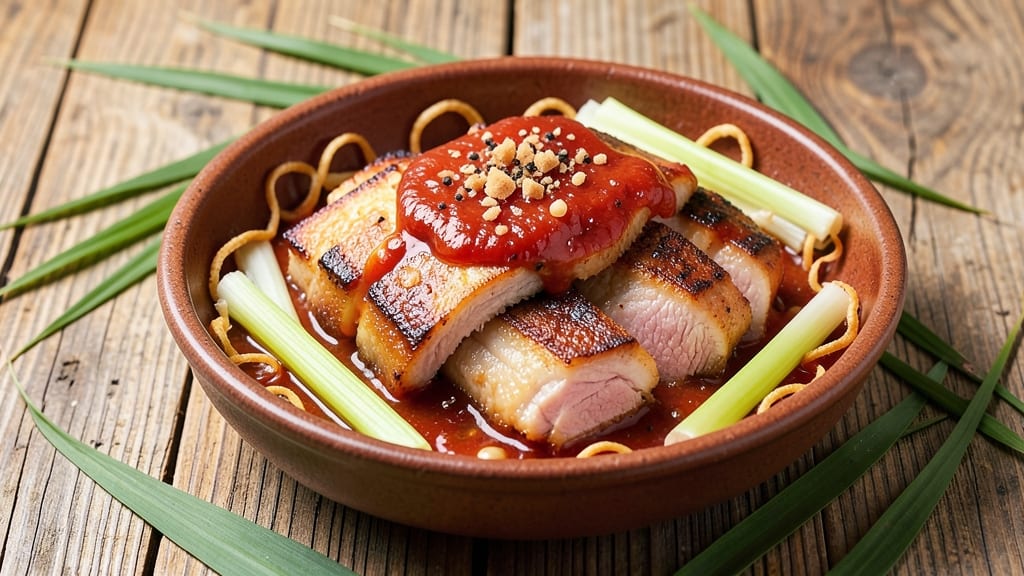
This adobong labong with pork recipe brings the rich, tangy-sweet flavors of Filipino comfort food to your table with minimal effort. 🔥 The secret lies in slow-braising pork belly until it's fork-tender, then finishing it with a crispy celery crown that adds unexpected crunch. I first discovered this technique while working with heritage pork cuts in Charleston, where the balance of vinegar, soy, and garlic transforms tough meat into something luxurious.
The magic happens in the braising process, where pork simmers in a flavorful liquid until it practically falls apart. Traditional recipes use clay pots, but a Dutch oven works perfectly at home—just let it cook low and slow for hours.
The celery crown isn't just decoration; it adds a satisfying crunch that contrasts beautifully with the tender meat and rich sauce.
What you'll end up with is a dish that's deeply savory, slightly tangy, and perfectly balanced—each bite delivers melt-in-your-mouth pork with a crispy celery crown that adds texture.
This is the kind of meal that feels special enough for company but simple enough for weeknights. The aroma alone will have everyone asking what's for dinner.
Serve it with steamed rice to soak up every last drop of that smoky, soy-braised sauce. Here's how to make it—once you try this, you'll be making it again and again.
Ingredients for adobong labong with pork
Pork belly, soy sauce, and celery crowns—this trio creates a dish that's rich, tangy, and perfectly balanced.
| Ingredient | Amount | Notes |
|---|---|---|
| Pork Belly 🐖 | 2 lb | Thick-cut, skin-on preferred |
| Soy Sauce 🍶 | ½ cup | Kikkoman preferred, not low-sodium |
| White Vinegar 🍶 | ⅓ cup | White or cane vinegar |
| Garlic Cloves 🧄 | 8 cloves | Minced, fresh preferred |
| Brown Sugar 🍚 | ¼ cup | Light or dark, packed |
| Celery Stalks 🥬 | 2 whole | Thick, fresh, cut into crowns |
| Bay Leaves 🌿 | 2 whole | Dried, standard size |
| Black Peppercorns 🌶️ | 1 tsp | Crushed, not ground |
| Olive Oil 🫒 | 2 tbsp | Extra-virgin for frying |
| Salt 🧂 | 1 ½ tsp | Kosher or sea salt |
| Water 💧 | 1 ½ cups | For braising liquid |
| Long-Grain White Rice 🍚 | 2 cups | Uncooked, for serving |
| Green Onions 🧅 | 3 whole | Sliced, for garnish |
The pork belly is non-negotiable here—thick-cut with skin gives you that luxurious texture. Look for heritage cuts at specialty butchers or ask your grocer for the thickest piece they have. I always grab mine from Whole Foods or Trader Joe's when they have it. The celery crowns? Thick stalks with leaves still attached are key—those Trader Joe's celery bundles are perfect for this. Fresh garlic and bay leaves are pantry staples, but if your garlic is old, toast it first to deepen the flavor. The soy sauce should be Kikkoman or similar—avoid the low-sodium kind, we need that saltiness.
No soy sauce? Coconut aminos or tamari work in a pinch, but the flavor won't be identical. Vinegar substitute? Apple cider vinegar at the same amount. The brown sugar can be swapped for white sugar or coconut sugar, though it'll be slightly less complex. If you can't find thick celery stalks, use regular celery but cut the crowns smaller. The pork belly skin should be scored in a crosshatch pattern before braising—don't skip this, it renders the fat beautifully. For extra depth, add a 1-inch piece of ginger, peeled and sliced, to the braising liquid.
This dish tastes even better the next day—plan ahead. The braising liquid reduces and intensifies in flavor as it sits. Store leftovers in the fridge for up to 5 days, covered tightly. The celery crowns can be fried fresh or reheated in a dry pan for 2-3 minutes to restore crispiness. For a crowd, double the recipe—just use a larger Dutch oven. The rice? Cook it in advance and keep it warm—steamed rice reheats best in a rice cooker.
Why You'll Love This Recipe
- One-Pot Magic: I swear by this—just toss pork belly, garlic, vinegar, and soy sauce in one pot, and let it simmer. No chopping, no fussing, just hands-off flavor that practically cooks itself while you handle the rest of dinner.
- Sweet-Savory Bomb: That combo of brown sugar and vinegar? It’s chef’s kiss—tender pork with a glossy, caramelized edge that’s sticky enough to make you lick the plate. The garlic? It doesn’t just flavor; it sings in every bite.
- Leftover Goldmine: This dish tastes better the next day—yes, really. The flavors meld into something richer, and it reheats like a dream. Pack it for lunch or freeze portions; it’s my go-to for lazy days when I’d rather not cook.
- Budget-Friendly Feast: Pork belly stretches far here, and the ingredients? Basic pantry staples. You’re getting restaurant-quality richness without the markup. Honestly, it’s the kind of meal that makes you question why you ever order takeout.
Step-by-step instructions for adobong labong with pork
Here's how to create this rich, smoky pork dish with tender meat and crisp celery crowns.
🔥 Step 1: Sear the Pork Belly for Maximum Flavor
Heat a large Dutch oven over medium-high heat and add the 2 tablespoons olive oil. Once shimmering, place the 2 lb pork belly skin-side down and let it sear undisturbed for 8-10 minutes until the skin turns deep golden brown and crispy. I press down gently on the pork belly during the first minute to prevent curling.
Flip the pork belly and continue searing for another 6-8 minutes until all sides are well-browned. This initial searing creates a flavorful crust that locks in juices during the braising process. Remove the pork from the pot and set it aside on a plate.
👨🍳 Step 2: Build the Smoky Braising Liquid
In the same Dutch oven, add 2 tablespoons olive oil and 8 cloves minced garlic. Sauté for 30 seconds until fragrant—don't let it brown or it'll turn bitter. Add the 2 whole celery stalks cut into crowns and cook for 2 minutes until they begin to soften slightly.
Pour in the 0.5 cup soy sauce, 0.33 cup white vinegar, and 0.25 cup brown sugar. Stir well to combine, scraping up any browned bits from the bottom of the pot. Add the 1.5 cups water, 1.5 teaspoons salt, 1 teaspoon crushed black peppercorns, and 2 whole bay leaves. Bring to a gentle simmer over medium heat.
🥘 Step 3: Braise the Pork Until Tender
Return the pork belly to the Dutch oven, skin-side up. The liquid should come about halfway up the sides of the pork. Cover with a tight-fitting lid and reduce heat to low. Simmer gently for 2-2.5 hours until the pork is fork-tender and easily pulls apart.
Here's the thing—don't peek or lift the lid during cooking. Every time you do, you lose heat and moisture, extending the cooking time. The pork is done when it reaches an internal temperature of 205-210°F and the meat separates easily with two forks. The celery crowns should be tender but still hold their shape.
⏰ Step 4: Finish and Serve with Crisp Celery
Once the pork is tender, carefully remove it from the braising liquid and transfer to a cutting board. Let it rest for 10 minutes before slicing. Use two forks to shred the pork into bite-sized pieces, leaving the crispy skin intact.
Strain the braising liquid through a fine-mesh sieve to remove the celery and bay leaves. Return the liquid to the Dutch oven and simmer uncovered over medium heat for 5-7 minutes until slightly thickened. Taste and adjust seasoning if needed—you might want to add a splash more soy sauce or a pinch of sugar to balance the flavors.
🍽️ Step 5: Assemble and Garnish
While the pork rests, prepare the 2 cups long-grain white rice according to package instructions. Slice the 3 whole green onions into ¼-inch pieces for garnish. To serve, place a generous portion of rice on each plate, top with the shredded pork, and ladle the braising sauce over the top.
Garnish each serving with the sliced green onions and serve immediately. The contrast of tender pork with crispy skin, smoky braising liquid, and the slight crunch from the celery crowns makes this dish truly special. Don't forget to save some of that delicious braising liquid for leftovers!
Pro Tips For Making Adobong Labong With Pork
- CRACK THE BELLY FIRST: Skip the whole pork belly if you’re impatient—cut it into 1.5-inch chunks before browning. Thicker pieces stay chewy; smaller ones soak up the adobo faster and render fat evenly. (I used to fight with my knife over this, but a sharp cleaver makes it quick.)
- SWEAT THE GARLIC LOW: Don’t rush the garlic—cook it in pork fat on medium-low for 3-4 minutes until it’s golden, not crispy. Burnt garlic turns bitter and overpowers the vinegar’s tang. (Yes, it smells like heaven, but push through.)
- VINEGAR IN STAGES: Pour half the white vinegar upfront, then add the rest after the pork has colored. Dumping it all at once makes the sauce thin and watery. The gradual acid build keeps the pork tender and the sauce glossy.
- BROWN SUGAR LAST: Stir in the brown sugar only in the final 5 minutes—it caramelizes faster than you think. Adding it early burns it into oblivion, leaving a bitter aftertaste. (Trust me, I’ve tasted the regret.)
Serving suggestions for this recipe
Steamed Rice Perfection
This dish practically demands steamed long-grain white rice—it's the perfect canvas for soaking up that rich, tangy braising sauce. I always cook 2 cups uncooked rice (about 4 cups cooked) in a rice cooker for foolproof results.
The grains should be fluffy and separate, not sticky. Pro tip: Add a pinch of salt to the water while cooking to complement the dish's savory flavors. 🍚
Crispy Celery Crowns
The celery crowns aren't just decoration—they add a textural contrast that elevates the dish. Fry them fresh in 2 tablespoons olive oil until golden brown (about 2-3 minutes per batch). For extra crunch, keep them warm in a 200°F oven while you plate the rest.
I like to arrange a few crowns on top of each serving for that satisfying crunch with every bite. ✨
Atchara Pickled Papaya
For a bright, tangy contrast, serve this dish with atchara—Filipino pickled papaya. The sweet-and-sour flavors cut through the richness of the pork beautifully. Look for it in Asian markets or make your own by thinly slicing papaya, soaking in vinegar, sugar, and chili.
A ½ cup serving per person balances the meal perfectly. 🌶️
Garlic Fried Rice
If you have leftovers, transform them into garlic fried rice the next day. Sauté 2 tablespoons minced garlic in oil, add leftover pork and rice, and stir-fry until heated through. Top with a fried egg for extra richness. This makes a fantastic lazy weeknight dinner with minimal effort. 💡
Fresh Cucumber Salad
A simple cucumber salad with rice vinegar, sugar, and sesame seeds adds a refreshing cool contrast to the warm, smoky pork. Thinly slice 1 English cucumber, toss with 1 tablespoon rice vinegar, 1 teaspoon sugar, and a pinch of salt.
Garnish with toasted sesame seeds for crunch. 🥒
Warm Flatbreads
For a textural twist, serve with warm Filipino pandesal or store-bought naan. The soft bread soaks up the sauce beautifully, while the crispy skin of the pork belly adds a satisfying bite. I like to toast the bread lightly before serving to enhance its flavor. 🔥
Nutrition facts
Frequently asked questions
Can I use pork shoulder instead of pork belly?
Yes, you can substitute 2 lb pork shoulder for pork belly, but the texture will be slightly different. Pork shoulder is leaner and will yield more tender meat without the crispy skin. If using shoulder, trim excess fat and cut into 1-inch thick slices before searing. The cooking time remains the same, but check for tenderness at 205°F internal temperature.
What makes this different from regular adobo?
This recipe uses celery crowns for texture and a longer braising time to achieve melt-in-your-mouth pork. Traditional adobo often uses vinegar-heavy marinades, while this version balances tangy, sweet, and umami flavors through slow cooking. The labong technique (clay pot or Dutch oven braising) creates a deeper, smokier profile than quick adobo dishes.
How do I prevent the pork from drying out?
Never skip the 10-minute rest after braising—this lets juices redistribute. Keep the lid tightly sealed during cooking and avoid peeking. If the liquid reduces too much, add 2 tablespoons water and continue simmering. For extra moisture, add ½ cup coconut milk to the braising liquid in the last 30 minutes of cooking.
Can I make this in an Instant Pot?
Yes! Sear the pork first, then add all ingredients except water. Cook on high pressure for 60 minutes, then natural release. The texture will be slightly different (more tender, less crispy skin), but the flavors remain rich. For celery crowns, fry them separately after cooking.
What if I don't have celery crowns?
No problem! Use regular celery stalks cut into 1-inch pieces or substitute with green beans or broccoli florets. For garnish, add extra green onions or toasted sesame seeds. The dish will still be delicious—just skip the crispy crown texture.