
Main Courses
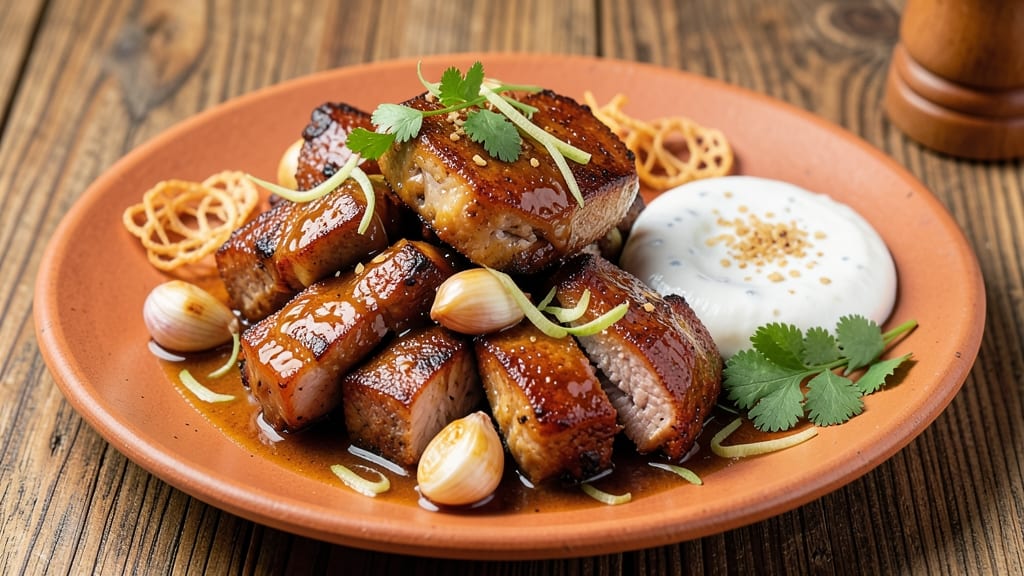
This adobong pork recipe panlasang Pinoy captures the heart of Filipino home cooking—where vinegar and soy sauce transform tough pork into tender, flavor-packed perfection. The secret lies in slow simmering, allowing the garlic, ginger, and spices to meld into a rich, tangy-savory sauce that clings to every bite.
I’ve perfected this version to deliver that restaurant-quality depth without the fuss, using simple ingredients and a one-pot method that’s as practical as it is delicious.
The beauty of adobo is its versatility—it’s both comforting and adaptable. Here, we focus on the classic soy-ginger variation, where the pork becomes fork-tender while absorbing the aromatic marinade.
The key is patience: letting the flavors develop over time creates a sauce that’s balanced between sharp vinegar, umami soy, and the warmth of ginger and garlic. This dish isn’t just a meal; it’s a taste of home, a tradition passed down through generations.
What you’ll end up with is a pot of golden-brown pork swimming in a glossy, slightly sticky sauce that’s perfect over steamed rice. The meat falls apart easily, soaking up every drop of that flavorful broth, while the aromas—smoky, sweet, and tangy—fill your kitchen.
It’s the kind of dish that disappears quickly, leaving everyone asking for seconds. Ready to make it?
For those who love texture, adding potatoes or green beans to the pot turns this into a heartier one-pot wonder, but the classic version here is all about the pork and its irresistible sauce.
Whether you’re feeding a family or meal prepping for the week, this recipe delivers satisfaction every time. Let’s get cooking!
Ingredients for adobong pork recipe panlasang pinoy
Simple ingredients that transform into restaurant-quality adobo pork with rich soy-ginger sauce.
| Ingredient | Amount | Notes |
|---|---|---|
| Pork Shoulder 🥩 | 2 lb | Bone-in for flavor, cut into 2-inch cubes |
| Coconut Milk 🥥 | 1 can | Full-fat, 13.5 oz can |
| Soy Sauce 🍶 | ½ cup | Dark or regular, not low-sodium |
| White Vinegar 🍶 | ½ cup | White or cane vinegar preferred |
| Garlic Cloves 🧄 | 8 cloves | Minced finely for deep flavor |
| Fresh Ginger 🌿 | ½ cup | Finely chopped, about 2-inch piece |
| Bay Leaves 🌿 | 2 whole | Dried, for aromatic depth |
| Black Peppercorns 🌶️ | 1 tsp | Crushed lightly, not powdered |
| Sugar 🍚 | 2 tbsp | White or brown sugar |
| Olive Oil 🫒 | 2 tbsp | For initial searing |
| Salt 🧂 | 1 ½ tsp | Kosher or sea salt |
| Green Onions 🧅 | 3 whole | Sliced, for garnish |
The pork shoulder is your star—look for cuts with good marbling at Filipino markets or the meat section of Asian grocery stores. If you can't find pork shoulder, pork butt works perfectly too. The coconut milk should be full-fat (not light) for that creamy texture—Goya or Thai Kitchen brands are reliable. Fresh ginger and garlic are non-negotiable here; frozen won't give you that same aromatic punch. For the soy sauce, Lee Kum Kee or Silver Swan are classic choices, but any good-quality dark soy works. The vinegar should be white or cane—apple cider vinegar won't give you that same sharp tang.
No coconut milk? Substitute with 1/2 cup heavy cream plus 1/2 cup water—it won't be identical but works in a pinch. Running short on fresh ginger? Dried ginger at half the amount gets you close, but toast it first for better flavor. The sugar can be swapped for brown sugar or honey if you prefer. For a deeper color, add 1/2 tsp of turmeric or annatto powder. The green onions are just for garnish—skip if you're not serving immediately. If you're making this ahead, the sauce actually improves overnight, so plan accordingly.
This dish tastes even better the next day—4-5 days in the fridge, covered tightly. For longer storage, freeze portions for up to 3 months. I always make extra because it reheats beautifully. Store the pork and sauce separately if freezing, then reheat everything together. The sauce thickens as it cools, so you can thin it with a splash of water or vinegar when reheating. Serve with steamed rice—jasmine rice is traditional, but any long-grain rice works.
Why You'll Love This Recipe
- Here’s what sold me: that perfect push-pull of tangy vinegar and rich coconut milk, with the garlic cloves frying until they’re golden and fragrant. The pork ends up fall-off-the-bone tender, but with this crispy, caramelized crust that makes it feel like a restaurant dish.
- One-Pot Magic: That’s right—just one pot, no fancy gadgets. Toss in the pork shoulder, garlic, vinegar, and soy sauce, then let the coconut milk do its creamy work while you sip coffee. Honestly, the only thing you’ll be scrubbing is your own chin from the first bite.
- Savory-Sour Balance: Here’s what sold me: that perfect push-pull of tangy vinegar and rich coconut milk, with the garlic cloves frying until they’re golden and fragrant. The pork ends up fall-off-the-bone tender, but with this crispy, caramelized crust that makes it feel like a restaurant dish.
- Leftovers That Don’t Suck: Between us, this recipe actually improves the second day. The flavors meld even deeper, and it reheats like a dream—just a quick stir in a pan or microwave. I’ve packed it for lunch, served it cold over rice, even turned it into fried rice. Versatile? More like relentless.
Step-by-step instructions for adobong pork recipe panlasang Pinoy
This one-pot wonder delivers deep, savory flavors through slow simmering and aromatic layers.
Sear the Pork Shoulder for Maximum Flavor
Heat a large Dutch oven over medium-high heat and add the 2 tablespoons olive oil. Once shimmering, add the 2 lb pork shoulder cut into 2-inch cubes, working in batches if needed. Don't crowd the pan—this ensures proper browning. Sear each side for 3-4 minutes until golden brown with crispy edges.
Here's where the magic begins: those caramelized bits sticking to the bottom will dissolve into the sauce later, creating rich depth. Once all pork is browned, transfer it to a plate and set aside. You'll notice the pork releases easily when ready—this means it's time to move on.
Build the Aromatic Base
In the same Dutch oven, add the 8 cloves minced garlic and ½ cup finely chopped fresh ginger. Cook for 1-2 minutes until fragrant and just starting to turn golden—don't let them burn. Add the 2 whole bay leaves and 1 teaspoon crushed black peppercorns, stirring for 30 seconds to toast the spices.
This step develops the foundation of your adobo. The garlic should smell sweet and pungent, while the ginger adds a warm, citrusy note. If you notice any bits sticking, use a wooden spoon to scrape them up—they're packed with flavor. Now you're ready for the liquid ingredients.
Combine Liquids and Simmer
Pour in the ½ cup soy sauce, ½ cup white vinegar, and 2 tablespoons sugar. Stir well to combine, then add the seared pork back into the pot. The mixture will bubble vigorously—let it cook uncovered for 5 minutes to allow the vinegar to cook off slightly and mellow its sharpness.
Next, add the 1 can coconut milk and 1½ teaspoons salt. Stir gently to distribute the coconut milk evenly. The sauce should thicken gradually as it simmers. Here's the thing—don't stir constantly. Occasional stirring prevents the sauce from breaking and allows the pork to develop a tender texture.
Slow-Simmer to Tender Perfection
Reduce heat to low and cover partially with a lid. Let the adobo simmer gently for 1½ to 2 hours, stirring occasionally. You're looking for the pork to become fork-tender—when a knife slides in easily and the meat pulls apart with minimal resistance.
Check the sauce consistency periodically. If it becomes too thick, add ¼ cup water to maintain the right balance. The coconut milk will create a creamy, velvety texture that contrasts beautifully with the savory pork. The longer it simmers, the deeper the flavors develop.
Finish and Garnish
Once the pork is tender, discard the bay leaves. Taste and adjust seasoning if needed—you might want to add a splash more soy sauce for saltiness or a touch of sugar to balance acidity. The sauce should coat the back of a spoon with a glossy sheen.
Garnish with 3 whole sliced green onions just before serving. These add a fresh, bright contrast to the rich, savory adobo. Let the dish rest for 5 minutes before serving—this allows the juices to redistribute, ensuring each bite is moist and flavorful.
Pro Tips For Making Adobong Pork Recipe Panlasang Pinoy
- CRISP THE PORK FIRST: Skip the slow simmer if you want real texture—sear the pork shoulder in a hot pan with a little oil until it’s golden brown on all sides before adding liquid. The crust locks in flavor and keeps the meat from turning to mush, even after hours of cooking. (Yes, even if you’re impatient like me.)
- USE FULL-STRENGTH VINEGAR: Don’t dilute that white vinegar—measure it straight from the bottle. The acidity cuts through the richness of the coconut milk and balances the soy sauce, giving you that classic tangy bite. I learned this the hard way after watering it down and ending up with something tasting like a sad stew.
- SIMMER LOW AND SLOW: Cover the pot and keep the heat at a bare simmer—no boiling, no rushing. The pork needs 2.5 to 3 hours to fall apart tenderly, and rushing it turns the sauce into a gloopy mess. Trust the process, even if it means you’ll have to resist peeking.
- TOAST THE GARLIC: Smash the garlic cloves and fry them in oil until they’re golden, not just fragrant. That extra step adds a nutty depth that raw garlic can’t match, and it prevents the sauce from tasting like a garlic powder afterthought. (Your future self will notice the difference.)
Wine and beer pairings for this adobong pork recipe panlasang pinoy
Filipino Rice Wine
Pair your adobong pork with Lambanog, a traditional Filipino coconut wine that complements the dish's creamy coconut milk base beautifully. This slightly sweet, aromatic wine bridges the gap between the pork's savory depth and the sauce's tangy notes.
Look for Lambanog from local Filipino markets or Goya Lambanog for an authentic experience. Serve chilled to highlight its crisp, refreshing qualities against the rich adobo flavors. 🍶
Craft Beer Options
A Filipino-style lager like San Miguel Pale Pilsen or Red Horse works wonderfully with adobo's bold flavors. The beer's clean, crisp profile cuts through the dish's richness while enhancing the pork's natural sweetness.
For a local twist, try Craft Root Beer—its caramel notes mirror the adobo's subtle sweetness. Avoid heavy IPAs or stouts, as they can overpower the delicate balance of the sauce. 🍺
Red Wine Pairings
For a more sophisticated pairing, opt for a medium-bodied red wine like Pinot Noir or Merlot. These wines offer enough acidity to balance the adobo's creaminess while their fruit notes complement the pork's savory depth.
A Spanish Garnacha or Italian Chianti also works well, as their earthy undertones harmonize with the garlic and ginger in the sauce. Serve slightly cooler than room temperature to enhance the wine's refreshing qualities. 🍷
Non-Alcoholic Choices
For a non-alcoholic option, calamansi soda or yuzu lemonade provides a bright, citrusy contrast to the rich adobo. The tartness of these drinks cleanses the palate between bites, making each mouthful of pork taste even more vibrant.
Another great choice is Filipino iced tea, which adds a floral note that pairs beautifully with the dish's aromatic spices. 🥤
Regional Filipino Pairings
In the Philippines, adobo is often paired with luya (turmeric) rice or garlic rice to enhance the dish's flavors. For a drink, tsokolate (Filipino hot chocolate) made with tablea or powdered chocolate offers a warm, comforting contrast.
If you're serving this at a gathering, consider sago't gulaman (tapioca pearls and agar-agar jelly) for a light, refreshing palate cleanser. 🌿
Nutrition facts
Frequently asked questions
Can I use a different cut of pork for this recipe?
Yes! While pork shoulder is ideal for its marbling and tenderness, you can substitute with pork butt or even pork belly (cut into chunks). Avoid lean cuts like tenderloin—they won't become as tender. If using belly, reduce the cooking time by 15-20 minutes since fat renders faster.
Why does my adobo sauce look too thin or too thick?
The sauce should coat the back of a spoon but still be pourable. If too thin, simmer uncovered for 10-15 minutes to reduce. Too thick? Add 1-2 tablespoons water or vinegar and stir gently. The coconut milk helps thicken naturally as it cooks—don't rush this process!
How can I make this recipe faster without sacrificing flavor?
Use a pressure cooker (30 minutes high pressure) or Instant Pot (set to "High Pressure" for 20 minutes). For stovetop, sear the pork as directed, then add all ingredients and simmer uncovered on medium-high heat for 1 hour. The vinegar will cook off faster, so taste and adjust seasoning at the end.
What's the best way to reheat leftover adobong pork?
Gently reheat in a pot over low heat with 2-3 tablespoons water or sauce to prevent drying. If using a microwave, cover with a damp paper towel and heat in 30-second intervals. The sauce thickens when cold—thin with a splash of vinegar or water if needed. Leftovers actually taste better the next day!
Can I make this dish spicier or sweeter?
For heat, add ½ teaspoon ground black pepper or 1-2 slices of siling labuyo (Filipino chili) with the garlic. For sweetness, increase sugar to 3 tablespoons** or add 1 tablespoon brown sugar. Balance is key—adjust gradually and taste as you go.