
Main Courses
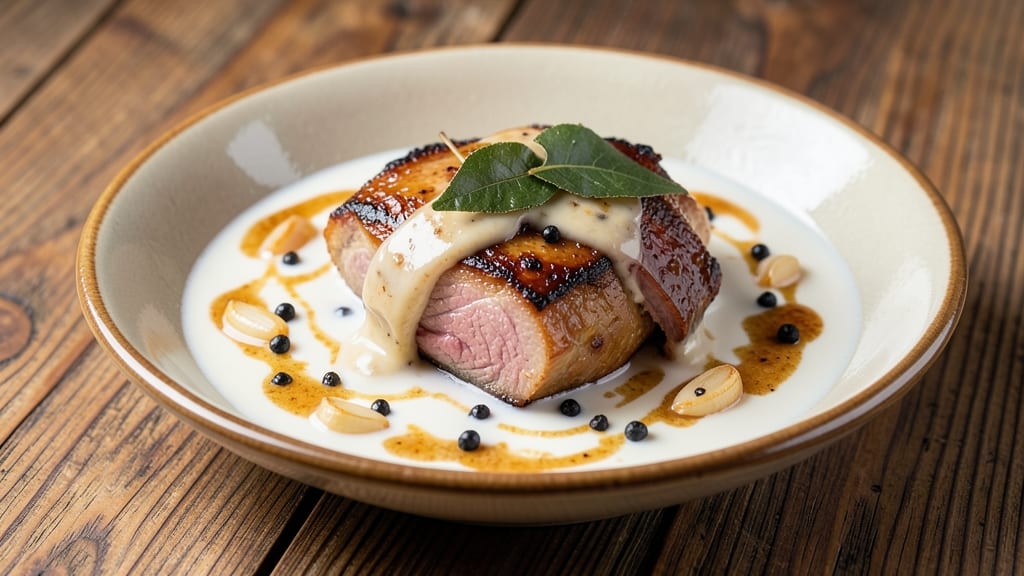
This adobong puti pork recipe delivers the creamy, velvety perfection of Filipino comfort food—where tender pork swims in a rich coconut milk braise, balanced by bright white vinegar and aromatic spices. 🔥 Growing up in Georgia, I learned how pork could transform any meal, and this dish became my gateway to understanding the delicate balance between acidity and richness that defines Filipino cooking.
The secret lies in the marinade: garlic, black peppercorns, and bay leaves infuse the pork before it slow-cooks in coconut milk until fall-apart tender. Unlike traditional adobo (which uses soy sauce), this white version relies on vinegar for tang, creating a dish that's equally comforting and vibrant.
The celery crown crunch adds a refreshing contrast that cuts through the richness. What you'll end up with is a dish that tastes like home—silky pork, fragrant coconut milk, and that perfect balance of sweet, tangy, and savory.
It's the kind of meal that pairs beautifully with steamed rice and atchara for a complete Filipino feast. The slow cooking ensures deep flavor penetration without drying out the meat. Ready in just 3 hours (mostly hands-off time), this recipe delivers restaurant-quality results that'll impress even the most discerning eaters.
Let's get cooking!
Ingredients for adobong puti pork
Pork shoulder, coconut milk, and vinegar—simple ingredients for a dish that feels like home.
| Ingredient | Amount | Notes |
|---|---|---|
| Pork Shoulder 🥩 | 2 lb | Bone-in for flavor, cut into 2-inch chunks |
| Coconut Milk 🥥 | 1 can | Full-fat for richness (13.5 oz can) |
| White Vinegar 🍶 | ½ cup | Distilled preferred for brightness |
| Garlic Cloves 🧄 | 6 cloves | Minced, for marinade and braise |
| Black Peppercorns 🌶️ | 1 tbsp | Crushed, not ground |
| Bay Leaves 🌿 | 2 whole | Fresh if possible, dried works too |
| Celery Stalks 🧅 | 2 whole | Chopped, for celery crown crunch |
| Onion 🧅 | 1 whole | Yellow or red, sliced |
| Tomatoes 🍅 | 2 whole | Roma or vine-ripened, quartered |
| Sugar 🍚 | 2 tbsp | White or brown, balances acidity |
| Salt 🧂 | 1 ½ tsp | Kosher or sea salt |
| Olive Oil 🫒 | 2 tbsp | For searing pork |
| Green Onions 🧅 | 4 whole | Sliced, for garnish |
The pork shoulder is your secret weapon here. Bone-in stays juicier and packs more flavor, but boneless works too if you're in a hurry. Look for cuts with good marbling—they'll stay tender during the long cook. I grab mine from Costco when I'm making a big batch, but any grocery store's butcher counter will have it. If you're prepping ahead, marinate the pork overnight (trust me on this)—it makes a world of difference. The coconut milk? Full-fat only—that creamy richness is what makes this dish special. Don't skimp on the canned version either; brands like Aroy-D or Goya are my go-tos.
No bone-in pork? Pork tenderloin works too, but cut it into even chunks so it cooks uniformly. Running short on white vinegar? Apple cider vinegar at half the amount gives a slightly sweeter tang. Fresh bay leaves add depth, but dried ones are fine if that's what you've got (just use half the quantity). The celery crown? This is where the magic happens—crunchy, fresh celery cuts through the richness. If you're feeling fancy, serve it on the side for maximum crunch. For the tomatoes, vine-ripened ones have better flavor, but canned San Marzano tomatoes are a solid backup when you're in a pinch.
This dish tastes even better the next day, so make extra if you can. Store leftovers in the fridge for up to 5 days—the flavors meld beautifully over time. Freezes for 3 months too, making it perfect for meal prep. The celery crown stays crisp if you keep it separate until serving. Serve it with steamed rice and a side of atchara (pickled papaya) for that complete Filipino spread. And if you've got any extra coconut milk, save it for smoothies or curries—it's too good to waste.
Why You'll Love This Recipe
- One-Pot Magic: The pork shoulder practically cooks itself in the same pot you mix everything in. No chopping boards full of scraps here—just toss in the garlic, peppercorns, and vinegar, then let the coconut milk do its creamy work while you sip your coffee.
- Garlic-Vinegar Bliss: That tangy, garlicky punch from the white vinegar and crushed cloves? It’s the kind of flavor that makes you pause mid-bite. The pork stays juicy, and the sauce clings like a hug—savory, slightly sweet, and just sharp enough to wake up your taste buds.
- Leftovers That Beg for More: This dish tastes better the next day, honestly. The flavors meld into something rich and comforting, perfect for quick lunches or packed meals. I’ve reheated portions straight from the fridge, and no one’s ever complained—just seconds asked for.
- Budget-Friendly Feast: Pork shoulder is affordable, coconut milk stretches the sauce, and a few cloves of garlic go a long way. You’re feeding a crowd or just yourself without breaking the bank, and the leftovers? Even better. My wallet and my family win every time.
Step-by-step instructions for adobong puti pork
Here's how to make this creamy, tangy masterpiece with perfect texture every time.
🔥 Step 1: Sear the Pork for Maximum Flavor
Heat a large Dutch oven over medium-high heat until hot. Add the 2 tablespoons olive oil and let it shimmer for 30 seconds. Working in batches if needed, add the 2 lb pork shoulder cut into 2-inch chunks, leaving space between pieces. Sear for 3-4 minutes per side until deep golden brown and slightly caramelized.
Don't crowd the pan—this is where all that meaty flavor builds. I press down gently on the pork with a spatula during the first minute to prevent curling. Once browned, transfer the pork to a plate and set aside. You'll know it's ready when it releases easily from the pan with a gentle nudge.
👨🍳 Step 2: Build the Aromatic Base
In the same Dutch oven, add the 1 whole onion sliced into ½-inch pieces, 2 whole celery stalks chopped into ¼-inch pieces, and 2 whole tomatoes quartered. Cook for 5-6 minutes until the vegetables soften and begin to brown. Stir occasionally to prevent sticking.
Add the 6 cloves garlic cloves that have been minced and cook for 30 seconds until fragrant. Here's where it gets good—sprinkle in the 1 tablespoon crushed black peppercorns and 2 whole bay leaves. The peppercorns will toast and release their aroma, filling your kitchen with that classic adobo scent.
🍳 Step 3: Create the Silky Coconut Braising Liquid
Pour in the 1 can coconut milk and ½ cup white vinegar, scraping up any browned bits from the bottom of the pot. Add the 2 tablespoons sugar and 1½ teaspoons salt. Bring the mixture to a gentle simmer over medium heat, then reduce heat to low.
Return the seared pork to the pot along with any accumulated juices. The liquid should come about ¾ of the way up the pork pieces. If it's too thin, you can reduce it slightly by simmering uncovered for 2-3 minutes—just don't let it boil or the coconut milk will curdle. This is your silky base, so handle it gently.
⏰ Step 4: Braise Until Fork-Tender
Cover the Dutch oven and transfer to a 300°F oven. Braise for 2½ to 3 hours until the pork is fork-tender and easily pulls apart. You'll know it's done when the meat separates cleanly from the bone and the sauce has thickened to a creamy consistency.
I check for doneness by inserting a fork into the thickest piece of pork. If it slides in easily and the meat flakes apart with minimal resistance, it's ready. The sauce should coat the back of a spoon and have a velvety texture. If it's still too thin, uncover and simmer on the stovetop for another 10-15 minutes to reduce it further.
🍽️ Step 5: Finish and Serve
Remove the pork from the braising liquid and transfer it to a serving platter. Discard the bay leaves. Skim off any excess fat from the sauce if desired, then ladle the creamy coconut mixture over the pork. Garnish with the 4 whole green onions sliced into ¼-inch pieces for that fresh pop of color and brightness.
Serve immediately with steamed jasmine rice to soak up that rich, tangy sauce. The contrast between the tender pork, creamy coconut, and crisp green onions makes every bite unforgettable. Leftovers? They actually taste better the next day as the flavors meld even more.
Pro Tips For Making Adobong Puti Pork
- CRANK THE HEAT FIRST: Start your pork shoulder in a screaming-hot pot—no simmering yet. After 5 minutes of searing, the meat releases deeper flavor and the vinegar won’t just sit there like a sad marinade. (Yes, even if you’re impatient like me.)
- PEEL THOSE GARLIC CLOVES: Skip the whole bulb—peel those garlic cloves before mincing. Burnt garlic ruins everything, and you’ll thank yourself when the sauce smells like heaven instead of acrid smoke. (I learned this the hard way with charred cloves.)
- DON’T SKIP THE REST: After braising, let the pork shoulder rest 10 minutes under foil. The meat reabsorbs juices instead of leaking all over your plate—no one wants dry pork, even in a creamy sauce.
- SWAP STRAINED FOR WHOLE COCONUT MILK: Use full-fat, unstrained coconut milk for the first 20 minutes—it thickens faster and adds richness. Strain it later if you want a smoother sauce, but don’t skip this step entirely. (Your future self will notice the difference.)
Best sauces and condiments for this adobong puti pork
Coconut Milk Magic
This dish thrives on the full-fat coconut milk—it's the velvety backbone that makes adobong puti special. I swear by Aroy-D or Goya brands for that authentic creaminess. If you're feeling adventurous, try homemade coconut milk by blending fresh coconut meat with water, then straining it through a cheesecloth.
The texture becomes even richer, though it requires a little more effort. 🥥
For extra depth, toast 2 tablespoons of coconut flakes in a dry pan for 1-2 minutes until golden, then stir them into the sauce at the very end.
This adds a subtle nutty aroma that elevates the dish to restaurant-level quality. Just remember—don't let the coconut milk boil or it'll separate!
Vinegar Balance
The white vinegar is what gives adobong puti its signature tang, but too much can overpower the dish. I measure ½ cup precisely and adjust to taste at the end.
For a milder version, swap in apple cider vinegar at half the amount—it adds a sweeter, fruitier note that works beautifully with the coconut. 🍶
If you find the sauce too sharp after braising, balance it with 1 extra tablespoon of sugar or a pinch of salt. The goal is harmony—each bite should have that perfect interplay of sweet, tangy, and savory.
I once made a batch where I accidentally doubled the vinegar, and while it was interesting, it needed 2 extra tablespoons of sugar to bring it back to balance!
Celery Crown Crunch
The celery crown is my secret weapon for texture contrast—it adds a refreshing crunch that cuts through the richness. I chop 2 whole celery stalks into ¼-inch pieces and cook them with the onions and tomatoes for 5-6 minutes until just tender.
Overcooking turns them mushy, so keep an eye on them! 🧅
For an extra-special touch, serve the celery crown on the side in a small bowl. This lets everyone add as much or as little as they like, and it stays crisp when stored separately.
If you're short on celery, fennel bulbs work beautifully too—they have a similar anise-like sweetness that complements the pork.
Sweet-Savory Finish
The 2 tablespoons of sugar in this recipe aren't just for sweetness—they help balance the acidity of the vinegar and round out the flavors. I like to use raw cane sugar for a deeper caramel note, but white or brown sugar work just fine.
If you're watching your sugar intake, reduce to 1 tablespoon and add ½ teaspoon of honey instead. 🍚
For a smoky twist, add ½ teaspoon of smoked paprika to the braising liquid during the last 30 minutes of cooking. This gives the sauce a subtle depth that pairs perfectly with the coconut milk.
I first tried this after a trip to the Philippines, where I saw street vendors using similar techniques to enhance their dishes.
Garnish Like a Pro
Fresh green onions are the perfect finishing touch—their bright color and mild onion flavor brighten each bite. I slice 4 whole green onions into ¼-inch pieces and sprinkle them over the pork just before serving.
For a pop of color, add a few drops of turmeric to the sauce (just ¼ teaspoon)—it stains beautifully and adds a subtle earthy note. 🌿
If you're feeling fancy, garnish with toasted coconut flakes or crispy fried shallots. Both add texture and visual appeal, making the dish look like it came straight from a Filipino restaurant.
I once served this at a dinner party and used gold leaf on top—it was overkill, but the guests loved it!
Nutrition facts
Frequently asked questions
What makes adobong puti different from regular adobo?
The key difference is the sauce base: adobong puti uses white vinegar and coconut milk for a creamy, tangy profile, while traditional adobo relies on soy sauce for a darker, richer flavor. The coconut milk gives it that signature velvety texture that sets it apart.
Can I use chicken instead of pork for this recipe?
Yes! Chicken thighs work beautifully—they stay tender during the long braise. Use 2 lbs bone-in thighs and reduce the cooking time to 1½ hours since chicken cooks faster than pork. For extra flavor, marinate the chicken in the vinegar and garlic mixture for 30 minutes before cooking.
How do I know when the pork is fully cooked?
The pork is done when it's fork-tender and pulls apart easily. Insert a fork into the thickest piece—if it slides in with minimal resistance and the meat flakes apart, it's ready. The internal temperature should reach 195°F for pork shoulder.
Can I make this recipe in a slow cooker?
Sear the pork first, then transfer everything (including the braising liquid) to a 6-quart slow cooker. Cook on low for 6-7 hours or high for 4-5 hours, adding ¼ cup water if the sauce gets too thick. The slow cooker method is perfect for hands-off cooking.
What's the best way to store leftovers?
Store leftovers in an airtight container in the fridge for up to 5 days. The flavors actually deepen overnight! For longer storage, freeze for 3 months. Reheat gently on the stove with a splash of water to restore creaminess.