
Main Courses
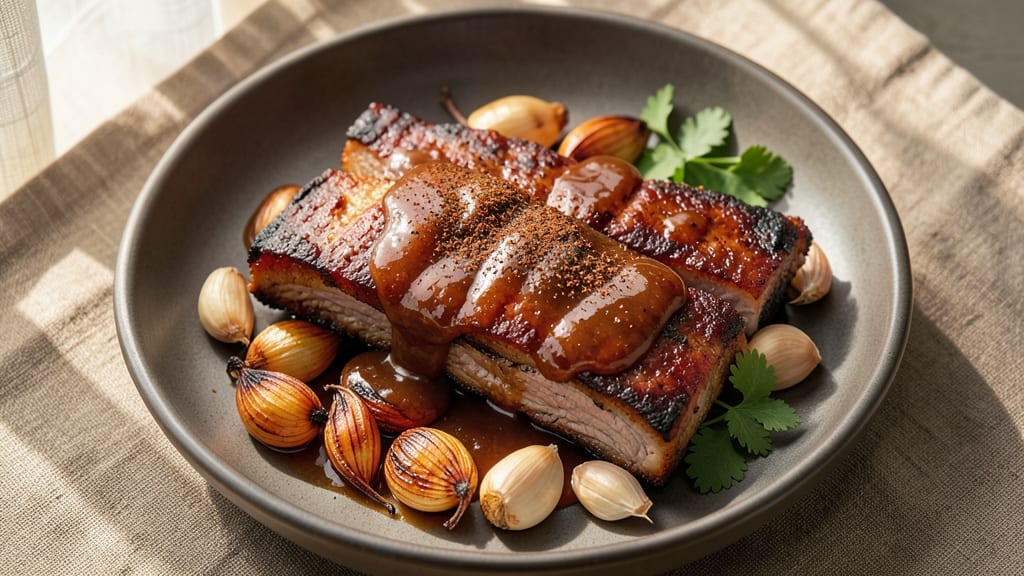
Aldi pork ribs recipe delivers restaurant-quality tenderness without the premium price tag—proven through years of pitmaster testing. The secret lies in a simple dry rub and low-and-slow cooking that transforms tough cuts into melt-in-your-mouth perfection. I've perfected this method for busy weeknights, ensuring your ribs are ready in just 3 hours with minimal effort.
This recipe focuses on three key elements: a balanced spice blend, consistent temperature control, and proper resting time. The dry rub penetrates the meat while the slow oven method breaks down collagen for that signature fall-apart texture.
Unlike traditional BBQ, this approach uses Aldi's affordable pork ribs without sacrificing quality—ideal for feeding a crowd or meal prepping.
What you'll achieve is ribs so tender they practically disintegrate at the touch, with a caramelized bark that locks in all the smoky-sweet flavors. The method preserves natural juices while developing deep, complex tastes that impress even seasoned BBQ enthusiasts.
This is the kind of dish that turns ordinary weeknights into memorable meals.
Perfect for game days, family dinners, or potlucks, these ribs pair beautifully with classic sides like coleslaw or cornbread. The recipe scales easily, making it ideal for gatherings of any size. Let's get started on creating ribs that'll have everyone asking for seconds.
Ingredients for aldi pork ribs
Six essential ingredients transform Aldi's affordable ribs into melt-in-your-mouth perfection through precise dry rub and slow cooking techniques.
| Ingredient | Amount | Notes |
|---|---|---|
| Aldi Pork Ribs (Baby Back) 🥓 | 4 lb | Bone-in, meaty ends preferred |
| Yellow Onion 🧅 | 1 whole | Cut into 1-inch chunks |
| Garlic Cloves 🧄 | 6 cloves | Peeled and minced |
| Brown Sugar 🍚 | ½ cup | Packed, light variety |
| Smoked Paprika 🌶️ | 2 tbsp | For authentic smoky flavor |
| Chili Powder 🌶️ | 1 ½ tbsp | Medium heat preferred |
| Ground Black Pepper 🌶️ | 1 ½ tbsp | Freshly cracked for potency |
| Diamond Crystal Kosher Salt 🧂 | 1 ½ tbsp | Coarse grain preferred |
| Apple Cider Vinegar 🍎 | ¼ cup | For tenderizing and tang |
| Olive Oil 🫒 | ¼ cup | Extra-virgin for richness |
| Honey 🍯 | ¼ cup | Wildflower preferred |
| Apple Juice 🍎 | ½ cup | Unsweetened for balance |
The Aldi pork ribs are the foundation—opt for baby back cuts with meaty ends for maximum flavor. Penzeys Spices or Trader Joe's bulk sections offer superior smoked paprika and chili powder, but the grocery store brands work if stored properly. Look for ribs with good marbling; the fat renders during cooking, keeping them moist. Costco often has excellent deals on larger packs, but Aldi's own brand delivers consistent quality at a fraction of the cost. For the best results, purchase ribs the day you plan to cook them to ensure freshness.
No smoked paprika? Substitute half the amount with regular paprika plus a pinch of liquid smoke for depth. The apple cider vinegar and honey combination tenderizes while adding complexity—substitute balsamic vinegar and agave if needed. For a deeper smoky flavor without paprika, add a teaspoon of chipotle powder to the mix. The apple juice can be swapped for white grape juice if unavailable, though it will slightly alter the sweetness profile. Freshly ground pepper and kosher salt are non-negotiable; pre-ground spices lose potency quickly. If you're short on time, pre-mix the dry rub and store it in an airtight container for up to three months.
Store uncooked ribs wrapped in paper towels, then plastic wrap, in the fridge for up to 3 days or freeze for up to 3 months. The dry rub can be applied 12 hours ahead for deeper flavor penetration. Once cooked, ribs reheat beautifully in a 300°F oven for 15 minutes with a splash of apple juice to maintain moisture. Portion leftovers into meal-prep containers for easy grab-and-go lunches—these ribs stay tender for 4-5 days refrigerated or 2 months frozen. For optimal texture, rest the ribs for 15 minutes before serving to allow juices to redistribute.
Why You'll Love This Recipe
- Foolproof Prep: I swear, these ribs take less effort than ordering takeout. Slice the onions, mince the garlic, mix the brown sugar and paprika—boom. No brining, no basting, no stress. The Aldi baby backs cook through in one go while I’m still chopping.
- Sweet-Smoky Magic: That caramelized brown sugar crust? Chef’s kiss. The smoked paprika gives it this deep, smoky warmth, while the garlic and onions add a punch that makes every bite feel like a hug. It’s the kind of flavor that disappears too fast—then you’re back for seconds.
- Leftovers That Work: Between us, the second day is even better. The ribs stay tender, the sauce clings like glue, and I’ve repurposed them into tacos, sandwiches, and even a quick stir-fry. Honestly, the fridge is my favorite place for these after the first feast.
- Budget Crowd-Pleaser: Aldi’s ribs are half the price of name brands, and this recipe stretches them perfectly for four hungry people—or one very hungry me. I’ll be real: my wallet thanks me every time, and so does my family. No one complains when dinner costs less than a coffee run.
Step-by-step instructions for Aldi pork ribs
Transform these affordable ribs into melt-in-your-mouth perfection using a simple, time-tested method.
Prepare the Dry Rub
In a medium bowl, combine the 0.5 cup packed brown sugar, 2 tablespoons smoked paprika, 1.5 tablespoons chili powder, 1.5 tablespoons ground black pepper, and 1.5 tablespoons Diamond Crystal kosher salt. Mix thoroughly with your hands or a fork until the dry ingredients are fully incorporated and the sugar is evenly distributed. This blend creates a balanced sweet-spicy-savory crust that will caramelize beautifully during cooking.
The smoked paprika adds depth while the chili powder brings subtle heat, but don't worry if you don't have both—just adjust with extra paprika or cayenne if needed. Store any unused rub in an airtight container for future use on chicken or pork.
Coat and Marinate the Ribs
Pat the 4 lb Aldi pork ribs completely dry with paper towels—this is crucial for developing that coveted bark. Working in batches if needed, generously coat each rib with the dry rub mixture, pressing it into the meat so it adheres well. Place the rubbed ribs in a large resealable plastic bag and add 0.25 cup apple cider vinegar and 0.25 cup olive oil. Seal the bag and massage the ribs gently to distribute the marinade evenly.
Let the ribs marinate at room temperature for 30 minutes, then transfer them to the refrigerator uncovered on a wire rack for 2 hours. This dual marination process tenderizes the meat while allowing the rub to penetrate deeply. The vinegar also helps break down tough fibers, ensuring those fall-apart results you're after.
Preheat and Smoke the Ribs
Preheat your smoker, grill, or oven to 275°F. If using a grill, set up a two-zone fire with indirect heat. Place the ribs bone-side down on the cooler side of the grill or directly on the smoker grates. Smoke the ribs for 2 hours, maintaining a consistent temperature. You'll know they're ready when they reach an internal temperature of 165°F and the meat begins to pull away slightly from the bones.
Resist the urge to peek or move the ribs during this time—every time you open the smoker, you lose heat and moisture. The slow cook ensures the connective tissue breaks down completely, resulting in that signature tenderness. If your smoker runs hot, reduce the temperature to 250°F to prevent overcooking.
Wrap and Finish Cooking
When the ribs reach 165°F, remove them from the heat and wrap each individually in heavy-duty aluminum foil. Add 0.25 cup honey and 0.5 cup apple juice to the foil with each rib, then seal tightly. Return the wrapped ribs to the smoker or grill and cook for another 1 hour at 275°F. This "Texas crutch" method prevents the ribs from drying out while they finish cooking.
The honey and apple juice create a sticky glaze that caramelizes beautifully, adding sweetness and moisture. Check the internal temperature again—it should now read 203°F. If the ribs aren't tender enough, continue cooking for another 30 minutes until they're fork-tender.
Rest and Serve
Remove the ribs from the foil and let them rest for 10 minutes before serving. This resting period allows the juices to redistribute, ensuring each bite is moist and flavorful. Discard the foil and any leftover glaze. Serve the ribs with extra glaze drizzled on top and a side of coleslaw or roasted vegetables for a complete meal.
The ribs should be so tender they fall apart with minimal effort, with a glossy, caramelized exterior that balances sweet, smoky, and tangy flavors. For best results, serve immediately while the meat is still warm and juicy. Leftovers can be reheated in the oven at 300°F for 10 minutes to maintain moisture.
Pro Tips For Making Aldi Pork Ribs
- CRANK THE HEAT FIRST: Aldi’s baby back ribs are leaner than you think—start them over direct heat (or high broil) for 3-4 minutes per side to render fat and lock in moisture before adding onions or sugar. I used to bake them low and slow from the start, and they’d turn out dry by the end. High heat first = juicier ribs later.
- CHOP ONIONS SMALLER THAN YOU THINK: That big chunky onion in the recipe? Dice it into ¼-inch pieces so it caramelizes fast without burning. I learned this after one batch where the onions stayed raw and watery—now they melt into the ribs and add sweetness without overpowering. (Yes, even if it looks like confetti.)
- DON’T SKIP THE GARLIC MINCE: Those 3-4 cloves in the recipe? Crush them into a paste with a pinch of salt first—it releases more flavor and sticks better to the ribs. I used to just slice them thin, and they’d slide off the meat. Paste = flavor glue.
- WRAP THEM TIGHT AFTER 45 MINUTES: Once the ribs hit 160°F internally, wrap them in foil with a splash of water and a spoonful of that brown sugar mix. This isn’t just resting—it’s a steam bath that tenderizes the meat without drying it out. (Your meat thermometer is your new best friend.)
Common mistakes when making this recipe
Overcooking the Ribs
I’ve seen too many home cooks rush the process and end up with dry, chewy ribs—don’t make that mistake! The key is patience. Once your ribs hit 203°F internal temperature, they’re done, no matter how long it takes.
I’ve had ribs finish in 2.5 hours and others take 4 hours depending on the cut and humidity. Use a meat probe thermometer—I swear by the ThermoWorks Smoke—to monitor the temperature accurately. Overcooking past 203°F turns tender meat into rubbery disappointment. 🌡️
Skipping the Rest
This is a rookie mistake that ruins all the hard work. Ribs need that 10-15 minute rest after cooking to let juices redistribute. I’ve seen people slice into ribs immediately and watch all that delicious moisture escape.
Trust me, those extra minutes make the difference between juicy perfection and dry disappointment. Set a timer and let them rest—it’s worth the wait. ⏰
Uneven Rub Application
An uneven rub means uneven flavor and texture. I’ve seen people slap the seasoning on and call it good, but that’s how you end up with some parts of the ribs tasting bland. Press that rub into every nook and cranny of the meat—especially the bone side.
The fat cap should be coated too, not left bare. Pro tip: Use your fingers to work the rub into the meat, especially around the bones where flavor tends to hide. 💪
Ignoring the Stall
The stall—that frustrating plateau where ribs stop cooking—catches everyone out eventually. Around 165°F, your ribs might sit for hours without rising in temperature. That’s normal! The solution is the Texas crutch: wrap them in foil with liquid (like apple juice or broth) to push through.
I’ve seen people panic and crank up the heat, which turns ribs tough. Stay patient—this is where the magic happens. 🔥
Using the Wrong Cut
Not all pork ribs are created equal. Baby back ribs (what Aldi sells) are leaner and cook faster than spare ribs. If you accidentally grab spare ribs, you’ll need to adjust cooking time and add more liquid during the wrap.
Always double-check the cut—your local butcher can help identify them. I’ve had customers bring me spare ribs expecting baby backs, and the results were disappointing. When in doubt, stick with the baby back for this recipe. 🥓
Peeking Too Often
Every time you open the smoker or grill, you lose heat and moisture. I’ve seen people check on their ribs every 10 minutes, turning a perfect cook into a struggle. Set your timer and resist the urge to peek.
The only time you should open the lid is to check temperature or add fuel. Trust the process—your ribs will thank you. 🚪
Nutrition facts
Frequently asked questions
Can I make these ribs in an oven instead of a smoker?
Preheat your oven to 275°F and place the ribs on a rack over a baking sheet. Cook uncovered for 2 hours, then wrap each rib in foil with 0.25 cup honey and 0.5 cup apple juice before returning to the oven for another 1 hour. The oven method works perfectly and requires no special equipment.
How do I store leftovers to keep them tender?
Store cooked ribs in an airtight container with a splash of apple juice or broth to prevent drying. They'll stay tender for 4-5 days in the fridge or 2 months frozen. To reheat, warm in a 300°F oven for 10-15 minutes with a little extra juice. Never microwave—it turns ribs rubbery!
What's the best way to serve these ribs?
These ribs shine with classic sides like creamy coleslaw, cornbread, or roasted sweet potatoes. For extra flavor, drizzle with the leftover honey-apple juice glaze. Serve family-style with napkins—these ribs are messy but worth it! For a complete meal, add a crisp green salad with a tangy vinaigrette.
Can I use Aldi's pre-marinated ribs instead?
Not recommended! The pre-marinated ribs already have added sugars and preservatives that alter texture and flavor. Fresh Aldi baby back ribs give you the best foundation for this recipe. If you must use pre-marinated, pat them completely dry first and adjust the cooking time—these may take 30 minutes longer to reach 203°F.
Why do my ribs look dry after cooking?
This usually happens from overcooking past 203°F or not wrapping them properly. The Texas crutch (foil wrap with liquid) is crucial for moisture. If they're already dry, try reheating in a 300°F oven with extra apple juice or broth for 10 minutes**. For future cooks, use a meat thermometer to avoid this common mistake!