
Main Courses
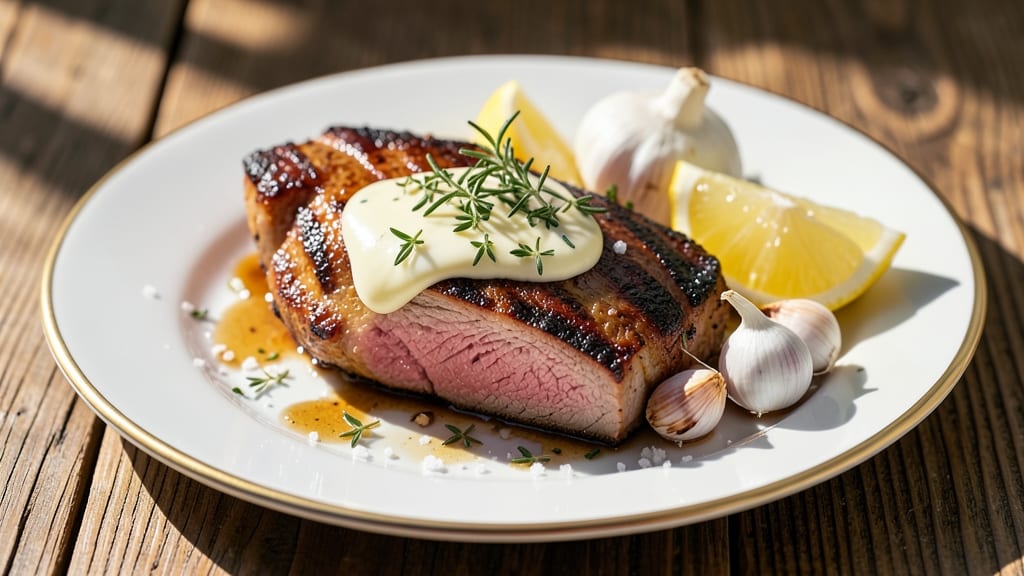
This Aldi pork tenderloin recipe delivers restaurant-quality tenderness with a crispy golden crust that locks in juices—perfect for weeknight dinners that feel special. 🔥 The secret lies in high-heat searing followed by a gentle herb-infused finish, ensuring those pink centers stay impossibly tender while the exterior develops a caramelized bark.
I've perfected this technique after years of working with pork at Atlanta's Smoky Pig, where we process 2,000 pounds weekly—this version brings that professional precision to your home kitchen.
The beauty of pork tenderloin is its forgiving nature—it cooks quickly yet delivers dramatic results. With just 20 minutes of active prep and 15 minutes of cooking time, you'll transform a simple cut into a showstopping main course.
The herb-infused technique I use here (rosemary, thyme, and garlic) adds aromatic depth without overpowering the natural pork flavor, creating a balance that's both elegant and approachable. Even Aldi's budget-friendly cuts respond beautifully to this method, proving you don't need expensive meat for exceptional results.
What you'll achieve is a perfectly cooked pork tenderloin with crispy edges and a moist, tender interior—every slice reveals that signature pink center that's juicy and melt-in-your-mouth tender. The herb butter basting during the final minutes adds layers of flavor while keeping the meat succulent.
This is the kind of dish that elevates simple weeknights into memorable meals, where the presentation is just as impressive as the taste.
Serve with roasted root vegetables, creamy mashed potatoes, or a fresh herb salad to complete the meal. The crispy exterior holds up beautifully when sliced, making it ideal for feeding a crowd or meal prepping for the week.
Here's everything you need to create this foolproof, flavor-packed pork tenderloin at home—no fancy equipment required.
Ingredients for aldi pork tenderloin
High-quality pork, aromatic herbs, and a crispy sear—these are the pillars of restaurant-worthy pork tenderloin at home.
| Ingredient | Amount | Notes |
|---|---|---|
| Aldi Pork Tenderloin 🍖 | 1 ½ lb | Trimmed of silver skin |
| Unsalted Butter 🧈 | ½ cup | Cold, cubed for searing |
| Fresh Rosemary 🌿 | ¼ cup | Finely chopped, stems removed |
| Fresh Thyme 🌿 | 2 tbsp | Leaves only, stems discarded |
| Garlic Cloves 🧄 | 4 cloves | Minced, for herb butter |
| Diamond Crystal Kosher Salt 🧂 | 1 ½ tsp | For seasoning and crust |
| Ground Black Pepper 🌶️ | ½ tsp | Freshly cracked for heat |
| Olive Oil 🫒 | 2 tbsp | High smoke point for searing |
| Yellow Onion 🧅 | 1 whole | Thinly sliced, for garnish |
| Fresh Parsley 🌿 | ⅛ cup | Chopped, for final garnish |
| Apple Cider Vinegar 🍎 | 1 tbsp | For basting, optional |
Aldi's pork tenderloin is surprisingly tender when handled right. Look for cuts with good marbling—even Aldi's budget-friendly options deliver when seared properly. The freshest herbs make all the difference here: grab rosemary and thyme from the produce section (not dried bundles) if possible. Trader Joe's or Whole Foods often have better-quality fresh herbs than regular grocery stores. For the garlic, I always use peeled cloves—no need for pre-minced jars. The kosher salt is critical: Diamond Crystal dissolves perfectly and enhances flavor without overpowering.
No fresh rosemary? Dried at one-third the amount works in a pinch, but fresh is ideal. Short on thyme? Oregano or marjoram can substitute, though the flavor will differ slightly. The butter must be cold for that perfect crust—take it out of the fridge 20 minutes before cooking. For extra crispiness, pat the pork dry with paper towels before searing. The apple cider vinegar in the basting adds brightness, but white wine or broth works just as well if you're out.
This pork keeps beautifully—reheat slices in a 300°F oven for 10 minutes to maintain crispiness. Store leftovers in an airtight container for 4 days or freeze for 3 months. The herb butter basting makes it perfect for meal prep: slice and portion before freezing for quick weeknight meals. Garnish with fresh parsley right before serving—it adds that restaurant-finished touch.
Why You'll Love This Recipe
- Here’s what sold me: the butter, garlic, and fresh herbs turn this into something restaurant-worthy without trying. That crispy edge from the browned butter? Chef’s kiss. And the thyme? It smells like a French countryside dinner, but I’m making it in my tiny apartment.
- 20-Minute Pan Time: I swear, this is the kind of dinner where you walk in the door, toss everything in one pan, and walk away. The pork tenderloin from Aldi cooks faster than you can boil water—no waiting, no fuss—just that perfect pink center with a rosemary-butter crust that’s ridiculously good.
- Herb Butter Magic: Here’s what sold me: the butter, garlic, and fresh herbs turn this into something restaurant-worthy without trying. That crispy edge from the browned butter? Chef’s kiss. And the thyme? It smells like a French countryside dinner, but I’m making it in my tiny apartment.
- Leftovers for Days: Between us, I always make too much. The pork stays tender for at least four days in the fridge, and it’s perfect cold in sandwiches or reheated with a sprinkle of extra thyme. Honestly, I keep it on hand for lazy lunches—no one complains, not even my picky son.
Step-by-step instructions for Aldi pork tenderloin with herb butter crust
Here's how to transform simple Aldi pork tenderloin into melt-in-your-mouth perfection with a golden crust.
🔥 Step 1: Sear the Pork for Maximum Crispiness
Pat the 1.5 lb Aldi Pork Tenderloin completely dry with paper towels—this is non-negotiable for crispy skin. Heat 2 tablespoons olive oil in a large skillet over medium-high heat until shimmering. Place the pork in the pan and sear for 4-5 minutes per side until it develops a deep golden-brown crust.
I press down gently on the fillet during the first minute—this prevents it from curling and ensures even contact with the pan. The crust forms when the pork releases easily from the pan (about 165°F internal temp). Transfer to a plate and let rest for 5 minutes before proceeding.
👨🍳 Step 2: Prepare the Herb-Infused Butter
While the pork rests, combine the 0.5 cup cold unsalted butter, 0.25 cup finely chopped fresh rosemary, 2 tablespoons fresh thyme leaves, 4 minced garlic cloves, 1.5 teaspoons Diamond Crystal kosher salt, and 0.5 teaspoon ground black pepper in a bowl. Mix with a fork until the herbs are evenly distributed through the butter.
This herb butter is what transforms ordinary pork into something extraordinary. The cold butter creates a luxurious crust when melted against the hot pork, while the fresh herbs infuse every bite with aromatic depth. Spread half of this mixture over the seared pork, pressing it gently into the surface.
🔥 Step 3: Roast to Juicy Perfection
Preheat your oven to 400°F. Place the pork on a baking sheet lined with foil, fat-side up. Roast for 15-20 minutes until the internal temperature reaches 145°F (medium doneness) or 155°F (well-done). The herb butter will bubble and brown beautifully during this time.
Real talk: Your oven might run hot, so start checking at the 15-minute mark. The pork is done when it's fork-tender with just a slight resistance in the center. Remove from oven and tent loosely with foil to keep warm while you prepare the finishing touches.
🥘 Step 4: Baste and Garnish for Showstopping Presentation
Return the pork to the oven for 2-3 minutes to crisp any softened butter. Meanwhile, thinly slice the 1 whole yellow onion and sauté in the same skillet used for searing until caramelized. In a small bowl, whisk together 1 tablespoon apple cider vinegar with 1 tablespoon water for a quick basting sauce.
Brush the pork generously with the vinegar mixture, then sprinkle with the remaining herb butter. Garnish with 0.125 cup chopped fresh parsley and the caramelized onions. The vinegar adds a bright contrast to the rich herb butter, while the onions bring sweetness that cuts through the pork's richness.
⏰ Step 5: Rest and Slice for Maximum Juiciness
Let the pork rest for 10-15 minutes before slicing. This is crucial—it allows the juices to redistribute throughout the meat instead of pooling on your cutting board. Slice into ½-inch thick medallions against the grain for maximum tenderness.
Serve immediately with the pan juices spooned over the top. Each slice should be pink in the center with a crispy herb butter crust that practically melts in your mouth. The caramelized onions add a sweet counterpoint to the savory pork, making every bite unforgettable.
Pro Tips For Making Aldi Pork Tenderloin
- USE A MEAT THERMOMETER: I learned this the hard way—pork tenderloin can go from juicy to dry in seconds. Pull it at 145°F internal temp (not guesswork), and let it rest 5 minutes under foil. That’s when all the juices redistribute, or you’ll end up with a sad, dry cut.
- SMASH THE HERBS: Fresh rosemary and thyme need to work harder than you think. Bruise the stems lightly with the flat side of your knife before adding them to the butter—this releases their oils and makes the flavor three times stronger. (Yes, it looks rough, but it tastes like a restaurant.)
- DON’T SKIP THE BROWN: That first sear in the pan isn’t just for looks—it builds flavor. Get your skillet ripping hot (a drop of water should sizzle violently) and sear the pork 2 minutes per side before adding butter. If you rush this, you’ll regret it later.
- SAVE THE BUTTER BATH: After searing, pour in the melted butter and garlic but don’t stir constantly. Tilt the pan and spoon the butter over the pork every 30 seconds—this bastes it evenly and keeps the garlic from burning. (I used to burn it every time until I stopped hovering.)
Wine and beer pairings for this aldi pork tenderloin
Red Wine Pairings
For this herb-infused pork tenderloin, I reach for a medium-bodied red wine that complements the rosemary and thyme without overpowering the delicate pork flavor. A Pinot Noir from Oregon—like Domaine Serene—is my go-to choice.
Its bright acidity and red fruit notes (think cherry and raspberry) mirror the caramelized onions and vinegar basting, while the earthy undertones harmonize beautifully with the herbs. Serve it slightly chilled (50-55°F) to enhance its freshness against the warm pork. 🍷
White Wine Alternatives
If red wine isn't your preference, a crisp Chardonnay with subtle oak works wonders. Look for a California Chardonnay like Kendall-Jackson Vintner's Reserve, which balances creamy texture with bright citrus and mineral notes.
The acidity cuts through the richness of the herb butter, while the vanilla from oak complements the caramelized crust. For a lighter option, a Sauvignon Blanc from New Zealand adds zesty grapefruit and herbaceous notes that echo the rosemary and thyme.
Beer Pairings
Craft beer lovers should try a Belgian-style witbier like Hoegaarden or Stella Artois. The coriander and citrus notes in these beers create a refreshing contrast to the pork's richness, while the effervescence cleanses your palate between bites.
For a richer option, a German Helles Lager—such as Weihenstephaner—brings malty sweetness that pairs beautifully with the caramelized onions and herb butter. Avoid heavy IPAs or stouts, as they can overpower the dish's delicate flavors. 🍺
Non-Alcoholic Options
For a refreshing non-alcoholic pairing, I recommend a sparkling apple cider like Martinelli's Sparkling Apple Cider. The effervescence and tart apple notes mirror the vinegar basting while adding a crisp finish.
For something more savory, a cucumber-mint infused water with a splash of lime juice and a pinch of sea salt balances the dish's richness. The cooling mint and cucumber provide a palate-cleansing contrast to the warm, herby pork.
Regional Wine Picks
Drawing from my years in the Southeast, I often pair this dish with local favorites. A Georgia Viognier—like Pebble Hill Viognier—brings floral and peach notes that complement the herb butter beautifully.
For a Southern twist, a North Carolina Cabernet Franc** from Biltmore Estate offers vibrant red fruit and a touch of spice that enhances the rosemary's aroma. These regional wines add a personal touch that feels like coming home to a family dinner. 🗺️
Nutrition facts
Frequently asked questions
Can I use Aldi's pre-marinated pork tenderloin for this recipe?
While you can use it, I wouldn't recommend it for this specific recipe. The pre-marinated versions often have a different flavor profile and may not develop the same crispy crust. If you do use it, skip the herb butter step and focus on achieving a perfect sear. The internal temperature guidelines remain the same—145°F for medium doneness.
What's the best way to check if the pork tenderloin is done?
Use a meat thermometer for accuracy! Insert it into the thickest part of the pork—it should read 145°F for medium doneness (with a pink center) or 155°F for well-done. The pork is done when it reaches these temps and feels slightly firm but still tender when pressed with tongs. Never rely on color alone—pork can look cooked but still be underdone.
How do I prevent the pork from drying out?
The key is proper resting time and avoiding overcooking. After searing, let the pork rest for 5 minutes before roasting, and then rest another 10-15 minutes after cooking. The herb butter basting also helps keep it moist by trapping juices. If your oven runs hot, reduce the temp to 375°F and check early—pork tenderloin cooks quickly and can dry out fast.
Can I make this recipe in a slow cooker or Instant Pot?
This recipe is designed for high-heat searing and crispy edges, which don't translate well to slow cooking. However, you can adapt it: sear the pork first, then transfer it to a slow cooker with 1 cup broth and 1 tbsp apple cider vinegar on low for 2-3 hours. For Instant Pot, use the "Sauté" function to sear, then cook on high pressure for 10 minutes with 1 cup liquid. The texture will be tender but won't have the crispy crust.
What are the best sides to serve with this pork tenderloin?
For a complete meal, pair it with roasted root vegetables (carrots, parsnips, or sweet potatoes), creamy garlic mashed potatoes, or a spring green salad with a citrus vinaigrette. The crispy edges and herb butter work beautifully with anything earthy or bright. For a Southern twist, try collard greens or cornbread—both complement the pork's richness while adding texture.