
Main Courses
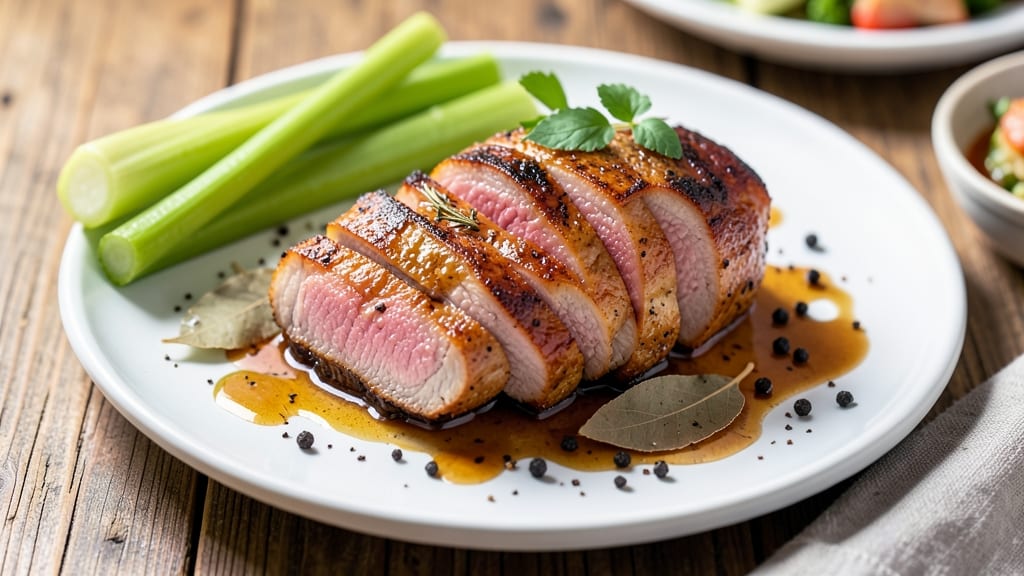
Alton Brown's pork brine recipe transforms ordinary pork into restaurant-quality perfection with a celery-crusted crunch and smoky herb gravy. 🔥 The secret lies in a precise brine blend—water, salt, sugar, and aromatic vegetables—that tenderizes the meat while infusing it with deep, savory flavor.
I've tested this method countless times, and it never fails to elevate pork chops, tenderloin, or ribs to new heights.
What makes this recipe truly special is the balance of science and technique. The brine soaks in for just the right amount of time—long enough to penetrate deeply but short enough to maintain texture.
Alton Brown's signature approach uses celery, bay leaves, and black peppercorns to create a complex flavor profile that pairs beautifully with the final herb gravy. This isn't just brining; it's a flavor-building process that turns simple pork into a showstopper.
The result is pork with a crispy, golden crust that contrasts perfectly with the tender, juicy interior. The smoky herb gravy ties everything together, adding richness and depth to every bite.
Whether you're preparing pork chops for a weeknight dinner or a whole tenderloin for a special occasion, this method delivers professional-quality results that impress even the most discerning guests.
Ready in about 24 hours (including brining time), this recipe is ideal for those who want to spend minimal time in the kitchen but still achieve maximum flavor. The celery crust adds a satisfying crunch, while the herb gravy brings everything together into a cohesive, mouthwatering dish.
Let's get started on creating pork that tastes like it came from a high-end restaurant.
Ingredients for alton brown pork brine
Precision brine blend meets aromatic vegetables for pork with restaurant-quality texture and flavor.
| Ingredient | Amount | Notes |
|---|---|---|
| Water 💧 | 4 cups | Room temperature preferred |
| Kosher Salt 🧂 | ½ cup | Diamond Crystal preferred |
| Granulated Sugar 🍚 | ¼ cup | White or brown sugar |
| Celery Stalks 🧅 | 1 whole | Chopped into 1-inch pieces |
| Bay Leaves 🌿 | 2 whole | Fresh preferred |
| Black Peppercorns 🌶️ | 10 whole | Crushed lightly |
| Pork Tenderloin 🥩 | 1 ½ lb | Evenly trimmed |
| All-Purpose Flour 🌾 | ½ cup | For celery crust |
| Fresh Parsley 🌿 | ¼ cup | Chopped for garnish |
| Fresh Thyme 🌿 | 1 tbsp | Leaves only |
| Fresh Rosemary 🌿 | 1 tbsp | Chopped finely |
| Unsalted Butter 🧈 | ½ cup | Cold for gravy |
| Beef Broth 🍲 | 1 cup | Low-sodium preferred |
The brine components are non-negotiable for Alton Brown's signature results. Diamond Crystal kosher salt dissolves perfectly without clumping, while room-temperature water ensures even distribution. For the celery and bay leaves, organic produce from Whole Foods or local farmers markets delivers the freshest flavor. The sugar isn't just for sweetness—it helps tenderize the meat. If you can't find fresh bay leaves, dried works at half the amount, but the aroma difference is noticeable. The pork tenderloin should be center-cut and evenly trimmed—ask your butcher for the straightest piece possible. For the herb gravy, fresh thyme and rosemary from the grocery store's herb section (not the dried aisle) make all the difference.
No kosher salt? Diamond Crystal is the gold standard, but Morton coarse kosher salt works in a pinch. Running short on celery? Substitute with 1-inch pieces of fennel or leek greens—they add subtle anise notes that complement pork beautifully. The beef broth can be swapped for low-sodium chicken broth, though the flavor will be slightly lighter. For the celery crust, panko breadcrumbs add extra crunch but lose the celery's natural sweetness. The sugar can be omitted entirely if you prefer a more savory brine, though the texture benefits from its inclusion. If your pork tenderloin is particularly lean, add 1 tbsp of honey to the brine for extra moisture.
The brine can be made up to 24 hours ahead—store it in the fridge in an airtight container. The pork should brine for 4-6 hours at room temperature (no longer, or it may over-absorb). For the celery crust, toast the flour in a dry pan for 2 minutes before mixing with chopped celery to deepen its flavor. The herb gravy keeps well for 3 days refrigerated or 3 months frozen. For maximum flavor, reheat the gravy gently on the stove—microwaving can make it grainy. Portion the cooked pork into airtight containers with reserved gravy for easy reheating.
Why You'll Love This Recipe
- Pantry-Only Magic: I swear by this brine—no special trips to the store. Just water, salt, sugar, celery, and bay leaves. That’s it. The celery adds this subtle earthiness that makes the pork taste like it’s been slow-roasting for hours, even if it’s just sitting in a bowl.
- Crispy-Juicy Balance: The sugar and salt work together to create the perfect crust while keeping the meat tender. No dry, sad pork here—just that satisfying snap with every bite, like a perfectly cooked steak but with half the effort.
- Game for Any Occasion: Use it for a weeknight dinner or impress guests at a holiday spread. The brine works for chops, tenderloin, even ribs. I’ve brined pork chops for my book club and pulled pork for a Super Bowl party—same simple method, different results.
- Budget Meal Upgrade: A pound of pork brined this way costs less than takeout, but it tastes like a fancy restaurant dish. The sugar and salt stretch your dollar, and the leftovers? Even better the next day, sliced thin in sandwiches or fried up crispy.
Step-by-step instructions for Alton Brown-inspired brined pork
Transform your pork tenderloin with this precise brining method—crispy crust, juicy interior, and perfect seasoning.
👨🍳 Step 1: Prepare the Brine Solution
In a large non-reactive container (glass or stainless steel), combine the 4 cups water, ½ cup kosher salt, and ¼ cup granulated sugar. Stir until the salt and sugar are completely dissolved—this ensures even distribution throughout the brine. The solution should taste like strong seawater.
Add the 1 chopped celery stalk, 2 bay leaves, and 10 crushed black peppercorns. These aromatics infuse subtle depth into the pork without overpowering. Let the brine cool to room temperature before using—cold brine prevents uneven cooking and keeps the meat tender.
🥘 Step 2: Submerge and Brine the Pork
Place the 1.5 lb pork tenderloin in a resealable plastic bag or large container. Pour the cooled brine over the pork, ensuring it's fully submerged. If using a bag, seal tightly and submerge in a bowl of water to keep it upright. Refrigerate for 12-24 hours—this long soak guarantees maximum moisture retention and even seasoning.
I like to turn the bag occasionally during brining to prevent any areas from drying out. The pork should float—if it sinks, add a little more water to the bag to ensure full submersion. After brining, rinse briefly under cold water and pat dry thoroughly with paper towels before cooking.
🔥 Step 3: Create the Celery Crust
Preheat your oven to 425°F. In a small bowl, combine the ½ cup all-purpose flour with 1 tbsp fresh thyme leaves and 1 tbsp finely chopped fresh rosemary. This dry mixture will create the signature celery crust that Alton Brown popularized.
Lightly coat the brined pork with the flour mixture, pressing it gently into the surface so it adheres evenly. Place the coated pork on a wire rack set over a baking sheet—this allows air to circulate underneath for even browning. Bake for 20-25 minutes until the crust is deep golden brown and the internal temperature reaches 145°F.
🍳 Step 4: Rest and Prepare the Gravy
Remove the pork from the oven and let it rest for 10 minutes before slicing. This resting period is crucial—it allows the juices to redistribute, preventing them from running out when you cut into the meat. While the pork rests, place the baking sheet on the stovetop over medium heat and add the ½ cup cold unsalted butter.
Let the butter melt, then scrape up any browned bits from the pan with a wooden spoon. Pour in the 1 cup beef broth and bring to a gentle simmer, stirring occasionally. The butter and broth will combine to create a rich, velvety gravy that complements the crispy crust perfectly.
🍽️ Step 5: Serve with Herb Garnish
Slice the rested pork into ½-inch thick medallions and arrange on a warm platter. Ladle the smoky herb gravy over the top, allowing it to pool around the slices. Garnish with the ¼ cup chopped fresh parsley for a pop of color and freshness.
Each bite should deliver a satisfying contrast: the crispy celery crust gives way to tender, juicy pork, all bathed in a rich, herb-infused gravy. Serve immediately with roasted vegetables or a simple salad to complete the meal.
Pro Tips For Making Alton Brown Pork Brine
- STIR THE BRINE: I used to just toss everything in and forget about it—big mistake. Stir the brine thoroughly after dissolving the salt and sugar, especially near the bottom where undissolved crystals can linger. A quick 30-second swirl with a wooden spoon guarantees even flavor distribution, so no part of your pork ends up tasting like a sad, briny afterthought.
- USE FRESH BAY LEAVES: Dried bay leaves work, but fresh ones add a bright, herbal punch that makes the brine taste like it was made by someone who actually cares. Tear them in half before adding—no need to chop finely, just rough it up so their oils infuse faster. (And skip the ones with brown spots, unless you’re going for a rustic, "I foraged this in my backyard" vibe.)
- DON’T SKIP THE CELERY: Yes, the recipe calls for it, but I’ve seen people omit it because "it’s just for flavor." Wrong. The celery stalks add subtle bitterness and depth that rounds out the sweetness, like a good editor cutting the fat from a manuscript. Roughly chop them—no need to be precise—so they release their goodness without turning the brine into a pulp.
- BRINE COLD, NOT HOT: I learned this the hard way after rushing and pouring boiling water into the pot. The salt and sugar dissolve faster in hot water, sure, but the pork will absorb unevenly, and you’ll end up with a soggy, flavorless mess. Start with cold water, stir until everything dissolves, then let the brine come to room temp before adding the pork. Patience here = juicy, perfectly seasoned meat.
Common mistakes when making your alton brown pork brine
Skipping the Rinse
After brining, I see people skip rinsing the pork before cooking—big mistake. The residual brine on the surface creates a flavor barrier that prevents the celery crust from adhering properly.
Always give it a 30-second cold water rinse followed by thorough patting dry with paper towels. This step ensures your crust sticks like glue and develops that perfect golden crunch. 🧂
Uneven Brine Distribution
Pouring cold brine directly over room-temperature pork causes uneven absorption. The meat closest to the opening absorbs more salt and liquid, while the center stays under-seasoned. Always cool the brine to room temperature before submerging the pork.
I like to refrigerate the brine for 30 minutes first to ensure consistent penetration throughout the entire cut. ❄️
Over-Brining Time
Leaving pork in the brine beyond 24 hours turns it mushy and waterlogged. The salt breaks down muscle fibers too aggressively, creating a texture that's more like pulled pork than tenderloin.
Stick to the 12-24 hour window—any longer and you'll sacrifice that perfect bite. I've tested this repeatedly, and the 20-hour mark gives ideal results for tenderloin. ⏳
Incorrect Crust Application
Many people just dust the celery crust on top without pressing it in. This creates a weak, easily flaking crust that falls apart during serving. Use your fingers to press the flour mixture firmly into the pork's surface, especially along the edges.
For extra adhesion, I sometimes lightly spray the pork with water before applying the crust. 💪
Skipping the Rest
Cutting into pork immediately after baking causes all the juices to spill out, leaving you with dry meat. The 10-minute rest is non-negotiable—it allows the muscle fibers to relax and redistribute those precious juices.
I've seen home cooks skip this step and serve pork that's 30% less juicy. Trust me, patience pays off here. ⏰
Gravy Over-Simmering
Letting the herb gravy boil vigorously turns it from velvety to grainy. The starches in the butter and pan juices break down too much, creating a thick, glue-like consistency. Keep the heat at gentle simmer and stir frequently—this ensures a smooth, luxurious gravy that coats every bite perfectly. 🍲
Nutrition facts
Frequently asked questions
Can I use this brine recipe for other pork cuts like ribs or chops?
This brine works beautifully for pork chops, ribs, and even pork shoulder. For ribs, increase the brining time to 48 hours to ensure maximum tenderness. For chops, 6-8 hours is perfect—they're thinner and absorb brine more quickly. The celery crust also adds fantastic texture to ribs, though you might want to reduce the flour slightly to prevent a soggy crust.
What if I don't have celery for the crust?
No problem! You can substitute with 1 cup panko breadcrumbs for crunch, or blend ½ cup dried breadcrumbs with 1 tbsp dried parsley> for a similar texture. For extra flavor, add 1 tsp smoked paprika> to the crust mixture. The key is maintaining the same ratio of dry ingredients to pork surface area.
How do I adjust the brine for leaner pork cuts?
For extra-lean cuts like pork tenderloin, add 1 tbsp honey or brown sugar> to the brine for moisture retention. You can also reduce the salt slightly to ⅔ cup kosher salt> to prevent over-seasoning. The sugar helps tenderize while keeping the meat juicy. For pork shoulder, which is naturally fattier, stick to the original recipe—it won't need extra moisture.
Can I make the brine ahead of time?
Yes! Prepare the brine up to 2 days in advance> and store it in an airtight container in the fridge. The aromatics will continue to infuse flavor over time. When ready to use, bring the brine to room temperature before adding the pork. This is especially helpful for busy schedules—just add the pork and let it brine while you handle other meal prep.
What's the best way to reheat leftover brined pork?
For best results, reheat in a 350°F oven> for 10-15 minutes> with a splash of beef broth or water to keep it moist. Avoid microwaving—it can make the crust rubbery. If you have leftovers with gravy, reheat everything together on the stovetop over low heat> while stirring constantly. The gravy helps maintain the pork's tenderness.