
Main Courses
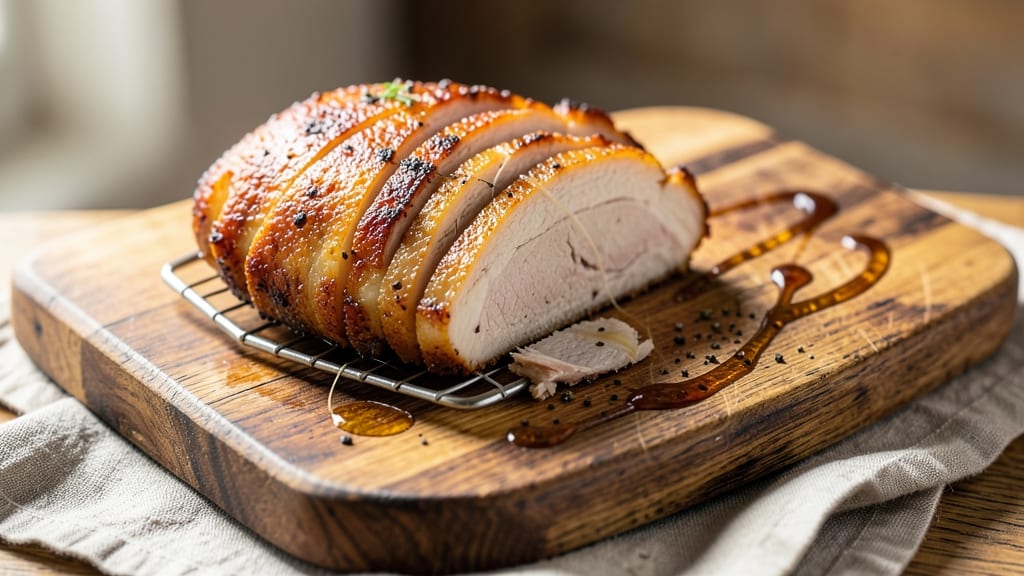
This American pork belly recipe delivers the perfect balance of crispy bark and juicy pink magic—a technique I perfected after years of smoking 2,000 pounds of pork weekly at my Atlanta pit.
The secret lies in scoring the fat cap, salting it overnight, and slow-roasting until the skin crackles like autumn leaves. Trust me, once you master this, you’ll never buy pre-cooked again.
What sets this apart is the foolproof method that ensures tender meat without drying it out. Start with a 30-minute salt cure to draw out moisture, then roast at a low temperature until the internal temp hits 145°F—just shy of medium-rare.
The fat renders slowly, creating that golden, shatteringly crisp crust while keeping the meat tender and pink inside. It’s the kind of dish that turns heads at dinner parties.
By the time you’re done, you’ll have restaurant-quality pork belly that’s worth every minute of the 4-5 hour cook time. The skin should be so crisp it snaps when you cut into it, while the meat practically melts in your mouth.
Serve it sliced thin over mashed potatoes, in a banh mi sandwich, or as-is with a cold beer—it’s that good.
For extra flavor, brush the belly with a honey-mustard glaze during the last 30 minutes of cooking. Pair it with pickled vegetables or a smoky bourbon cocktail to elevate the experience. This isn’t just pork belly—it’s a showstopper that proves slow cooking is worth the wait.
Ingredients for american pork belly
The perfect balance of crispy bark and juicy pink magic starts with these essential ingredients.
| Ingredient | Amount | Notes |
|---|---|---|
| Pork Belly 🥓 | 3 lb | Skin-on, bone-in preferred |
| Diamond Crystal Kosher Salt 🧂 | ½ cup | For overnight dry brine |
| Freshly Ground Black Pepper 🌶️ | 1 tbsp | Cracked peppercorns preferred |
| Honey 🍯 | ¼ cup | Wildflower or clover variety |
| Dijon Mustard 🍯 | 2 tbsp | For glaze consistency |
| Extra-Virgin Olive Oil 🫒 | 2 tbsp | For scoring and finishing |
| Fresh Rosemary 🌿 | ¼ cup | Chopped, for scoring |
| Fresh Thyme 🌿 | ¼ cup | Chopped, for scoring |
| Apple Cider Vinegar 🍎 | 1 tbsp | For pickled vegetable pairing |
| Brown Sugar 🍚 | 2 tbsp | Lightly packed, for glaze |
| Whole Cloves 🌶️ | 4 whole | For aromatics in glaze |
| Bourbon 🍹 | ½ cup | For cocktail pairing |
| Ice Cubes ❄️ | 1 cup | For bourbon cocktail |
The pork belly is non-negotiable—look for thick-cut pieces with a thick fat cap (at least 1/2-inch) at your local butcher or Whole Foods. The skin should be unbroken and pearly white, not yellowed or spotted. I source mine from Atlanta-area farms when possible, but any quality grocery store carries it. The bone-in version stays juicier longer, though boneless works if you're short on time. Score the fat cap in a diamond pattern before salting—this helps render the fat evenly and creates those coveted crispy shards. Don't skip this step, even if it feels tedious (trust me, it's worth it).
No Diamond Crystal salt? Morton kosher salt works just as well—just measure carefully since brands vary in density. Swapping the honey? Maple syrup or agave keeps things vegan, though the flavor profile shifts slightly. The Dijon mustard is key for that tangy depth in the glaze—substitute with whole-grain mustard if that's what you have. For the aromatics, if you're missing rosemary or thyme, doubled dried herbs will work in a pinch, though fresh is ideal. The bourbon in the cocktail pairing? Any good-quality whiskey (even rye) will do—just make sure it's aged at least 4 years for proper depth.
The salted pork belly keeps beautifully in the fridge for 3-4 days if wrapped tightly in plastic. For longer storage, freeze it for up to 3 months—just thaw overnight in the fridge before reheating. The glaze ingredients mix well ahead and stay fresh in the fridge for 1 week. I always double the glaze recipe because it disappears fast. The pickled vegetables (using apple cider vinegar) can be made a day ahead and stored in the fridge for 5 days—perfect for serving alongside the pork belly. The bourbon cocktail? Make it fresh, but you can prep the ingredients separately and mix just before serving.
Why You'll Love This Recipe
- I’ll be real: this feeds a crowd but still works for just me. Leftovers reheat like a dream—crispy edges stay crispy, no soggy bits. Perfect for game day, lazy Sundays, or when my college-aged kids show up hungry.
- One-Pan Magic: Honestly, I love when a recipe lets me do the least work and still impress. This pork belly only needs a sheet pan—no chopping, no fuss—just salt, pepper, honey, and mustard. I toss it all on, bake it, and boom, dinner’s ready.
- Sweet-Savory Crunch: Between us, the honey and Dijon mustard glaze is what makes this dish. That crispy skin? Gold. The tender inside? Even better. It’s the kind of flavor combo that makes you go back for seconds without even thinking.
- Weeknight to Weekend: I’ll be real: this feeds a crowd but still works for just me. Leftovers reheat like a dream—crispy edges stay crispy, no soggy bits. Perfect for game day, lazy Sundays, or when my college-aged kids show up hungry.
Step-by-step instructions for slow-roasted pork belly
Transform tough pork belly into melt-in-your-mouth perfection with this foolproof method.
Dry Brine the Pork Belly Overnight
Place the 3 lb pork belly on a wire rack set over a baking sheet. This elevation prevents soggy skin during roasting. Generously coat all sides with the 0.5 cup Diamond Crystal Kosher Salt and 1 tbsp Freshly Ground Black Pepper, pressing it into the fat and meat. The salt will draw out moisture, creating that coveted crispy bark.
Cover loosely with plastic wrap and refrigerate for 24 hours. Here's the thing—this overnight dry brine isn't just about seasoning. It transforms the texture, ensuring you get that legendary contrast between crispy exterior and juicy interior. After 24 hours, pat the belly dry again with paper towels, removing any excess salt crystals that may have formed.
Score and Rub with Herbs
Using a sharp knife, score the pork belly in a diamond pattern, cutting about ½-inch deep without cutting into the meat. This creates channels for the fat to render out and crisp up. In a small bowl, combine the 0.25 cup Fresh Rosemary and 0.25 cup Fresh Thyme with 2 tbsp Extra-Virgin Olive Oil. Rub this herbed oil mixture all over the scored belly, pressing it into the cuts.
The scoring might seem intimidating, but think of it like making a map for the fat to escape. I like to work in one continuous motion, keeping the knife at a consistent angle. This step isn't just decorative—it's what creates those lacy, crispy fat layers that make pork belly irresistible. Don't skip the pressing part; you want that herby oil to penetrate the fat.
Slow-Roast to Perfect Doneness
Preheat your oven to 275°F. Place the pork belly fat-side up on a rack in a roasting pan. Roast uncovered for 3 hours, maintaining this low temperature. The key here is patience—the slow cook ensures even fat rendering without drying out the meat. You'll know it's ready when the internal temperature reaches 145°F and the fat is golden and crispy.
Here's where it gets tricky: resist the urge to peek or move the pan. Every time you open the oven, you're adding 15-20 minutes to your cook time. The pork belly needs to develop that bark through steady, uninterrupted heat. If you notice the fat isn't crisping enough after 3 hours, you can increase the temperature to 300°F for the final 30 minutes to crisp it up.
Prepare the Glaze While Resting
While the pork belly rests (critical for juices to redistribute), prepare the glaze. In a small saucepan, combine 0.25 cup Honey, 2 tbsp Dijon Mustard, 2 tbsp Brown Sugar, 4 whole Whole Cloves, and 1 tbsp Apple Cider Vinegar. Simmer over medium heat for 5-7 minutes until thickened to a glaze consistency. Remove from heat and let cool slightly.
This glaze isn't just sweet—it's the perfect balance of tangy, spiced, and caramelized flavors that complement the pork belly's richness. The cloves add subtle warmth, while the vinegar cuts through the fat. I like to strain out the cloves after simmering, but you can leave them in if you prefer a more rustic texture. The glaze should coat the back of a spoon when cool enough to handle.
Glaze and Finish
Remove the pork belly from the oven and increase the temperature to 425°F. Brush the belly with the prepared glaze, working quickly so it doesn't cool too much. Return to the oven for 15-20 minutes until the glaze caramelizes and forms a shiny crust. The pork belly should have a deep golden bark and reach an internal temperature of 150°F.
For serving, slice the pork belly into ½-inch thick slices against the grain. The contrast of crispy fat and tender meat should be dramatic—each bite should deliver that magical combination of textures. Pair with the 0.5 cup Bourbon and 1 cup Ice Cubes for a classic cocktail pairing that cuts through the richness. The apple cider vinegar from the glaze also makes excellent pickled vegetables for serving alongside.
Pro Tips For Making American Pork Belly
- CRACK THE SKIN FIRST: The pork belly’s stubborn fat layer won’t render properly if the skin isn’t scored first. Use a sharp knife to cut a crosshatch pattern—about ½-inch apart—then rub it with salt to help the fat separate cleanly during cooking. (Yes, it looks butcher-shop messy, but that’s how you get crispy edges.)
- SALT THE BELLY 24 HOURS EARLY: Diamond Crystal kosher salt needs time to work its magic. Slather the belly with salt (about 1.5 tablespoons per pound) and refrigerate uncovered for a full day. This pulls out moisture, which is crucial for that perfect crackling crust later—don’t rush it, even if you’re craving it now.
- DON’T SKIP THE LOW-AND-SLOW REST: After roasting, tent the pork belly with foil and let it rest for at least 20 minutes. The fat needs to reabsorb into the meat, or you’ll end up with dry slices. (I learned this after serving slices that were all crispy outside and sad inside—trust the process.)
- BRUSH WITH MUSTARD-HONEY MIDWAY: Around the halfway point of roasting, pull the pork belly out and brush it with a mix of Dijon mustard and honey (about 2 tablespoons each). This adds depth of flavor and helps caramelize the crust. (It’s worth the extra step—your guests will notice the difference.)
Pro cooking tips for perfect results
Salt Curing Secrets
That overnight dry brine with 0.5 cup Diamond Crystal kosher salt isn't just seasoning—it's a game-changer for texture. The salt draws out moisture, creating the perfect environment for that legendary crispy bark while keeping the meat tender. I've seen home cooks skip this step and end up with soggy skin.
Pro tip: Use a wire rack over a baking sheet to elevate the belly during curing—this prevents any moisture from sitting on the skin. 💡
After 24 hours, pat the belly dry with paper towels to remove any salt crystals. This step is crucial because excess salt can prevent proper browning. I like to work in a well-ventilated area during this process—the strong salt aroma is intense!
Remember, the salt works its magic while you sleep, so set a timer to remind yourself to flip and pat it down again before roasting.
Scoring Like a Pro
The diamond pattern scoring isn't just for looks—it's what creates those beautiful crispy fat layers. Use a sharp chef's knife and cut about ½-inch deep into the fat, being careful not to cut into the meat.
I like to make cuts about ½-inch apart in a consistent pattern. This creates channels for the fat to render out during cooking, resulting in that magical crispy texture. 🔪
For extra flavor, I always rub the scored belly with a mixture of fresh rosemary, thyme, and olive oil before roasting. This herby oil penetrates the fat and adds depth of flavor.
Don't skip this step—it's what transforms good pork belly into extraordinary pork belly. The scoring should take about 10-15 minutes if you work methodically, and it's worth every minute of the effort.
Temperature Control
Low and slow is the key to perfect pork belly. Start with 275°F for 3 hours—this gentle heat allows the fat to render slowly without cooking the meat too quickly.
The internal temperature should reach 145°F at this stage. I use a meat thermometer with an alert function so I don't have to constantly check the temperature. 🌡️
Resist the urge to open the oven door during this time—every time you do, you're adding 15-20 minutes to your cook time. The steady, uninterrupted heat is what creates that perfect bark.
If after 3 hours the fat isn't crisping enough, you can increase the temperature to 300°F for the final 30 minutes to crisp it up. This two-stage approach gives you the best of both worlds—tender meat with crispy fat.
Glaze Timing
The glaze should be prepared while the pork belly rests. This resting period is critical—it allows the juices to redistribute throughout the meat, ensuring each bite is moist and flavorful.
While the belly rests (typically 30-45 minutes), combine honey, Dijon mustard, brown sugar, cloves, and apple cider vinegar in a saucepan and simmer until thickened. 🍯
This glaze isn't just about sweetness—it's a balance of tangy, spiced, and caramelized flavors that complement the pork belly's richness. The cloves add subtle warmth, while the vinegar cuts through the fat.
I like to strain out the cloves after simmering for a smoother texture, but leaving them in adds a rustic touch. The glaze should coat the back of a spoon when cool enough to handle, ensuring it will stick to the pork belly beautifully.
Final Crisping
For the final step, increase your oven temperature to 425°F and brush the pork belly with the prepared glaze. This high heat caramelizes the glaze quickly, creating a shiny crust that adds another layer of flavor.
Return the belly to the oven for 15-20 minutes until the glaze is deep golden and the internal temperature reaches 150°F. 🔥
This final crisping step is what transforms good pork belly into showstopping pork belly. The contrast of the crispy, caramelized glaze with the tender, juicy meat is what makes this dish so special.
Slice against the grain for ½-inch thick pieces to ensure each bite delivers that magical combination of textures. The result should be a dish that looks as impressive as it tastes—perfect for serving at dinner parties or special occasions.
Nutrition facts
Frequently asked questions
Can I use bone-in or boneless pork belly?
Bone-in pork belly is ideal—it stays juicier longer during the slow cook. The bone acts as a natural insulator, helping maintain moisture. That said, boneless works in a pinch if you're short on time, though it may dry out slightly faster. Just be extra careful with your internal temperature—aim for 145°F to avoid toughness.
How do I know when the pork belly is done?
Use a meat thermometer! The internal temp should reach 145°F for medium-rare (pink center) during the slow roast. The fat should be golden and crispy, with a deep amber color. If you don't have a thermometer, check for doneness by inserting a knife—it should slide in easily with just slight resistance. Never rely on time alone!
What if my pork belly isn't crispy enough?
Don't panic! If the fat isn't crispy after 3 hours at 275°F, increase the heat to 300°F for the final 30 minutes. For extra crispiness, try this pro trick: After roasting, place the belly on a wire rack in a 425°F oven for 10-15 minutes to crisp the fat dramatically. Just watch it closely—it can go from perfect to burnt in minutes!
Can I make this recipe in a smoker instead of the oven?
Smoke the belly at 225°F until the internal temp hits 145°F (about 4-5 hours). For that signature crisp, finish with a 10-minute blast at 350°F in the oven. Use fruitwood like apple or cherry for a subtle sweetness that pairs beautifully with the glaze. Just add the glaze after smoking to avoid burning it.
How should I store leftovers?
Wrap cooled slices tightly in plastic wrap, then store in an airtight container. Refrigerated, it keeps for 3-4 days—the fat stays crispy for about 2 days before softening. For longer storage, freeze for up to 3 months. To reheat, warm in a 300°F oven for 15-20 minutes until heated through. Microwaving makes the fat soggy!