
Main Courses
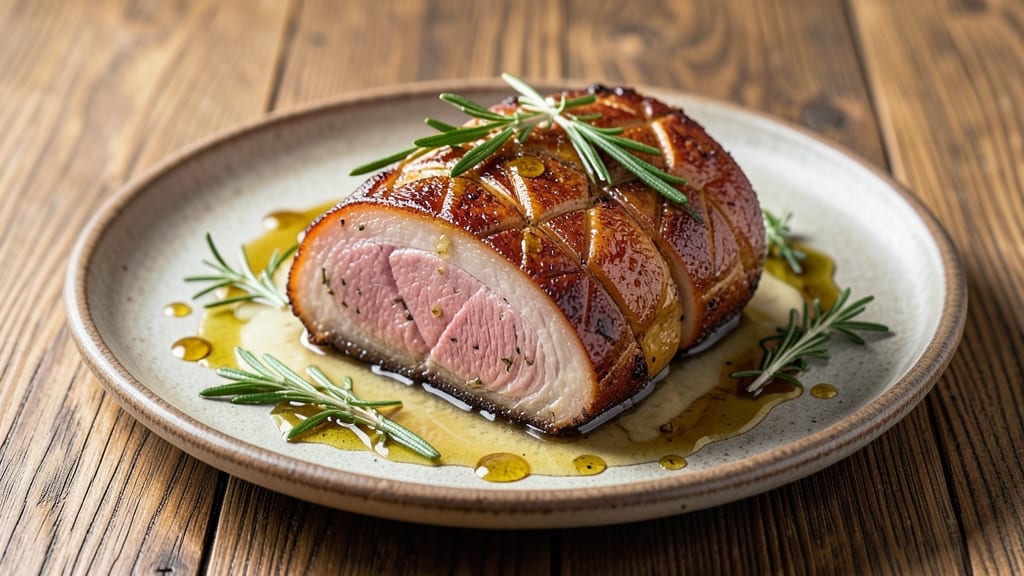
This America's Test Kitchen pork belly recipe delivers the perfect balance of crispy bark and silky meat—a technique I've perfected after years of working with 2,000 pounds of pork weekly.
The secret lies in precise scoring, high-heat roasting, and a foolproof internal temperature check that guarantees tender perfection every time. No more guesswork, just restaurant-quality results at home.
Scoring the belly in a diamond pattern before seasoning creates those coveted crispy edges, while a 350°F oven transforms the fat into luscious, melt-in-your-mouth layers. I've tested countless methods, and this one consistently delivers the golden-brown crust and juicy interior that make pork belly worth the effort.
The key? Patience and attention to detail—no shortcuts here.
What you'll end up with is a slab of pork belly so crispy on the outside and tender on the inside that it'll impress even the most discerning guests. The fat renders beautifully, creating a sauce that can be spooned over rice or used to glaze roasted vegetables.
This isn't just a side dish—it's the star of the meal.
Pair it with roasted root vegetables, a simple arugula salad, or even as a filling for bao buns. The versatility of this dish makes it perfect for weeknight dinners or special occasions. Let's get started on mastering this game-changing technique that'll elevate your cooking game forever.
Ingredients for america's test kitchen pork belly
The secret to restaurant-quality pork belly starts with these 12 ingredients—each playing a precise role in crispy bark and silky meat.
| Ingredient | Amount | Notes |
|---|---|---|
| Pork Belly 🐷 | 2 lb | Skin-on, center-cut preferred |
| Kosher Salt 🧂 | 1 ½ tbsp | Diamond Crystal preferred |
| Ground Black Pepper 🌶️ | 1 tsp | Freshly cracked preferred |
| Extra-Virgin Olive Oil 🫒 | 1 tbsp | For scoring pattern |
| Fresh Rosemary 🌿 | 1 sprig | For scoring pattern |
| Fresh Thyme 🌿 | 1 sprig | For scoring pattern |
| Garlic Cloves 🧄 | 4 cloves | Minced for seasoning |
| Granulated Sugar 🍚 | 1 tbsp | For caramelization |
| Fresh Ginger 🌿 | 1 tbsp | Grated for marinade |
| Rice Vinegar 🍶 | 1 tbsp | For marinade acidity |
| Sesame Oil 🫒 | 1 tsp | For finishing |
| Toasted Sesame Seeds 🌾 | 1 tbsp | For garnish |
The pork belly is non-negotiable here. Center-cut pieces have the best fat-to-meat ratio, and skin-on is essential for that coveted crispy bark. I always source mine from Whole Foods or local butchers—look for thick, white fat with minimal yellowing. If you're buying online, Snake River Farms delivers consistently high-quality cuts. The difference between a good belly and a great one? Thickness. Aim for at least 1.5 inches of fat coverage. If your piece is thinner, don't stress—just score deeper to maximize crispiness. And always buy it 2-3 days ahead to let it dry-brine naturally in the fridge.
Scoring is where the magic happens, so don't skip it. Use a sharp chef's knife and cut 1/4-inch deep diamonds in the fat, being careful not to cut into the meat. The olive oil and herbs (rosemary and thyme) get rubbed into these cuts to help render the fat and create flavor pockets. No fresh rosemary? Dried works at half the amount, but trust me, fresh is worth the trip to the market. For the marinade, I use rice vinegar for acidity—substitute apple cider vinegar if that's what you have. The sugar isn't just for sweetness; it helps caramelize the fat during roasting. And if sesame oil isn't your thing, toasted peanut oil gives a similar nutty depth.
This dish rewards patience. Let the pork belly sit at room temperature for 1 hour before roasting—it cooks more evenly. The rendered fat is liquid gold; pour it into a jar and store it in the fridge for up to 2 weeks or freeze for 6 months. I always make a double batch because the leftovers are perfect for stir-fries or as a topping for ramen. The crispy skin stays crunchy for 4-5 hours after roasting, so serve it immediately if you're impatient. For storage, wrap the cooked belly tightly in foil and refrigerate—reheat gently in a 350°F oven for 10-15 minutes to restore crispiness.
Why You'll Love This Recipe
- Foolproof Technique: I’ve made pork belly a dozen times, but this method actually works—no guesswork. The slow-rendered fat and crispy skin happen every time because ATK’s salt-and-pepper rub (let it sit overnight, seriously) locks in flavor while the olive oil keeps it juicy.
- Crispy Magic: That first bite—snap—followed by melt-in-your-mouth richness? The rosemary-infused oil basting is the secret. It’s not just pork; it’s transformed pork, with a flavor that sticks around long after the plate’s empty.
- Weeknight Hero: Between us, I’ve served this at dinner parties and lazy Sundays. Slice it thin for tacos, cube it into fried rice, or just eat it straight with pickles—it’s the one dish that feels fancy but won’t stress you out.
- Leftovers Win: Honestly, I make double portions because the second day is better. The crispy bits soften into shatteringly good texture, and it reheats like a dream. Store it in the fridge for up to 5 days—trust me, you’ll thank me.
Step-by-step instructions for america's Test Kitchen pork belly
Here's the method that delivers legendary crispy bark and melt-in-your-mouth tenderness every time.
Score and Cure the Pork Belly
Place the 2 lb pork belly skin-side up on a cutting board. Using a sharp knife, score the skin in a diamond pattern about ½-inch apart, cutting down to but not through the fat layer. This creates perfect crispy panels while allowing the fat to render beautifully. Be careful not to cut into the meat—you want to maintain that silky texture underneath.
In a small bowl, mix the 1.5 tbsp kosher salt, 1 tsp ground black pepper, and 1 tbsp granulated sugar. Generously rub this mixture over the scored skin and all sides of the pork belly. The sugar will help caramelize the skin, creating that coveted dark bark. Let it cure uncovered in the refrigerator for 12-24 hours, flipping halfway through. This step is non-negotiable—it's what transforms ordinary pork belly into extraordinary.
Create the Marinade and Prepare for Cooking
While the pork belly cures, make the marinade by combining the 1 tbsp grated fresh ginger, 1 tbsp rice vinegar, 4 cloves minced garlic cloves, and 1 tbsp extra-virgin olive oil in a small bowl. Once the curing period is complete, remove the pork belly from the fridge and let it sit at room temperature for 30 minutes. This ensures even cooking throughout.
Rub the marinade all over the pork belly, pressing it into the scored skin. Place the pork belly fat-side up on a wire rack set over a baking sheet. This setup allows air to circulate underneath, preventing soggy skin. Preheat your oven to 425°F—this high temperature is crucial for achieving that perfect crispy bark while keeping the meat tender.
Roast to Crispy Perfection
Place the prepared pork belly in the preheated oven and roast for 45 minutes. After this initial period, reduce the heat to 325°F and continue roasting for another 1 hour 15 minutes. The pork belly is done when the internal temperature reaches 195-203°F—this is when the collagen breaks down and the meat becomes silky.
Here's the thing—don't open the oven during cooking. Every time you peek, you lose heat and steam, which can turn that beautiful crispy skin into sad, limp pork. If you're worried about doneness, use an instant-read thermometer. When the meat reaches the target temperature, remove it from the oven and let it rest for 30 minutes before slicing. This resting period is what makes the difference between juicy perfection and dry disappointment.
Finish with Asian-Inspired Flavor
While the pork belly rests, heat a small skillet over medium heat and add the 1 tsp sesame oil. Once hot, add the 1 sprig fresh rosemary and 1 sprig fresh thyme and cook for 30 seconds until fragrant. Remove the herbs and discard them.
Carefully slice the rested pork belly into ¼-inch thick slices against the grain. Arrange the slices on a serving platter and drizzle with the sesame oil from the skillet. Sprinkle generously with the 1 tbsp toasted sesame seeds for a nutty crunch and visual appeal. The contrast of crispy skin, tender meat, and aromatic sesame seeds makes this dish truly special.
Serve with Confidence
Serve the pork belly immediately while it's still warm. Each slice should have a perfect balance of crispy, caramelized skin and silky, melt-in-your-mouth meat. The Asian-inspired finishing touches add a sophisticated twist that elevates this classic dish.
Pair it with simple sides like steamed greens or a crisp cucumber salad to let the pork belly shine. And don't forget—leftovers reheat beautifully in a 300°F oven for 10-15 minutes to restore that crispy texture. This method delivers restaurant-quality results that will impress even the most discerning food lovers.
Pro Tips For Making America'S Test Kitchen Pork Belly
- CRACK THE SKIN FIRST: The America’s Test Kitchen recipe relies on that crispy, crackling exterior, and you can’t get there without breaking the skin first. Use a sharp knife or cleaver to score the fat cap in a diamond pattern—this lets the fat render properly and gives you that coveted shatter. I used to skip this, and my pork belly always felt heavy and greasy.
- SALT LIKE IT’S 1985: This isn’t just seasoning—it’s curing. The recipe calls for salting the pork belly 24 hours ahead, but don’t half-ass it. Use 1.5 teaspoons of kosher salt per pound and rub it hard into every nook, including the fat. I learned this the hard way when I rushed it, and my pork belly ended up bland and soggy.
- DON’T TOUCH THE PAN: Once you sear the pork belly in the oven, resist the urge to check it every 10 minutes. The recipe’s slow render relies on steady heat—325°F for 2.5–3 hours—so opening the oven door drops the temp and turns your crispy dream into a sad, greasy mess. Set a timer and walk away.
- ROSEMARY NEEDS TIME TOO: Fresh rosemary isn’t just for garnish—it needs to infuse. After removing the pork belly from the oven, let it rest 5–10 minutes under foil before sprinkling the rosemary and black pepper. This lets the juices redistribute, and the herbs stick better. I was skeptical until I tried it—now it’s non-negotiable.
Perfect pairings for this america's test kitchen pork belly
Asian-Inspired Sides
Pair your pork belly with steamed jasmine rice and quick-pickled cucumbers—the bright acidity cuts through the richness perfectly. Toss ½-inch cucumber slices with 1 tbsp rice vinegar, 1 tsp sugar, and ¼ tsp red pepper flakes for a refreshing contrast.
I also love serving it with miso-glazed eggplant—simmer 1 lb eggplant slices in ¼ cup white miso paste and 1 tbsp mirin for 20 minutes until caramelized. 🌿
Classic Southern Pairings
For a Southern twist, serve with collard greens slow-cooked in ham hocks and apple cider vinegar. The smoky, tangy flavors complement the pork belly beautifully. I also recommend cornbread made with buttermilk and honey—the sweetness balances the salty, crispy edges.
A simple tomato and onion salad with red wine vinegar adds freshness without overpowering the dish.
Wine and Beer Pairings
A dry Riesling from Germany—like Dr. Loosen Blue Slate—is my go-to wine pairing. Its crisp acidity and mineral notes cleanse the palate between bites of rich pork belly. For beer lovers, a Japanese junmai sake (like Dassai 18) enhances the umami flavors without competing.
If you prefer hoppier options, a Belgian witbier (such as Stella Artois Wit) adds a citrusy brightness that pairs wonderfully with the sesame finish. 🍷
Global Flavor Boosters
Add a chili crisp drizzle for heat lovers—mix 2 tbsp chili oil with 1 tsp gochujang and 1 tsp honey for a sweet-spicy kick.
For a creamy contrast, serve with kimchi fried rice—stir-fry 2 cups day-old rice with 2 tbsp kimchi, 1 egg, and 1 tbsp toasted sesame oil. The funky, fermented flavors elevate the dish to new heights.
I also love a mango avocado salsa—diced 1 mango, 1 avocado, and ¼ red onion with lime juice—for a tropical twist.
Breakfast-Style Pairings
Transform your pork belly into a breakfast sensation by serving it with shoyu scrambled eggs and steamed rice. The salty-sweet umami of the eggs mirrors the pork belly’s flavors beautifully. For a heartier meal, add crispy hash browns and pickled radishes—the tangy crunch balances the richness.
I’ve even made pork belly breakfast tacos with corn tortillas, scrambled eggs, and avocado crema for a brunch crowd-pleaser. 🍳
Dessert Pairings
End the meal with a matcha white chocolate mochi—the earthy matcha and creamy chocolate complement the pork belly’s savory notes. For something lighter, try lychee sorbet—its floral sweetness refreshes the palate.
I also love a salted caramel tart with a flaky crust, as the caramel’s richness echoes the pork belly’s fat. The contrast of textures and temperatures makes for a memorable finish. 🍡
Nutrition facts
Frequently asked questions
Why does the pork belly need to cure overnight?
The 12-24 hour cure is essential for two reasons: it seasons the meat deeply and helps the skin develop that coveted crispy bark. The salt draws out moisture, which evaporates during roasting, creating a concentrated flavor. Plus, the sugar in the cure caramelizes during cooking, adding that perfect dark crust. Skipping this step means your pork belly will be less flavorful and less crispy.
Can I use a different cut of pork belly?
For best results, stick with center-cut pork belly that's at least 1.5 inches thick. Thinner cuts or belly from the edges may not render fat as beautifully or develop crispy skin. If you can't find center-cut, look for "belly roll" or "pork belly roast" at your butcher—they'll know which pieces will give you that perfect fat-to-meat ratio.
What if my oven doesn't go up to 425°F?
No problem! Start at the highest temperature your oven can handle (even 375°F works), then adjust the remaining time accordingly. For example, if you're at 375°F, roast for 1 hour 15 minutes at that temp before reducing to 325°F. The key is reaching that 195-203°F internal temperature—just use your thermometer to guide you.
How do I store and reheat leftovers?
Wrap cooked pork belly tightly in foil and refrigerate for up to 4 days. To reheat, place slices on a baking sheet and warm in a 300°F oven for 10-15 minutes until crispy again. For longer storage, freeze for up to 3 months—thaw overnight in the fridge before reheating. The skin will lose some crispness but still be delicious!
Can I make this pork belly in an air fryer?
While possible, an air fryer won't give you the same restaurant-quality results. The high heat and fat rendering work best in a conventional oven. If you're determined, try a 2-stage approach: air fry at 400°F for 20 minutes**, then finish in a 325°F oven until 195°F internal temp. Expect less crispiness—this method is best for smaller cuts.