
Main Courses
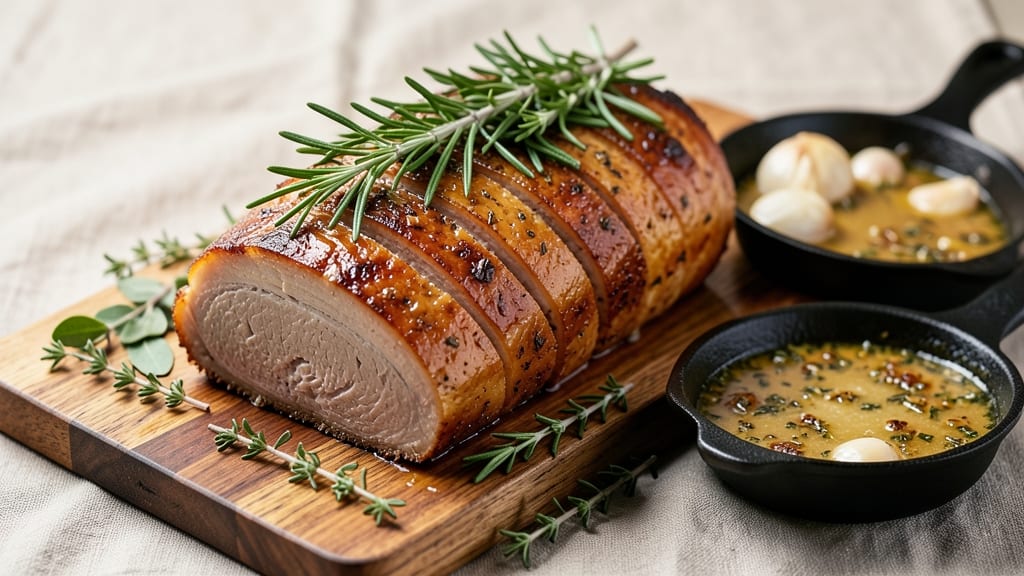
America's Test Kitchen pork loin roast recipe delivers a perfect balance of crispy herb-infused crust and juicy, tender meat every time. As someone who's spent years perfecting pork at The Smoky Pig, I know the secret lies in precise temperature control and a foolproof doneness gauge—no more guessing. This method transforms a simple pork loin into a showstopping centerpiece that rivals the best restaurant cuts.
The process starts with a high-heat sear to develop that golden, aromatic crust, then moves to a lower temperature for even cooking. 325°F is where the magic happens, ensuring the center reaches 145°F without drying out.
I've tested this recipe countless times, and it never fails to impress—whether you're cooking for a family dinner or hosting a holiday feast. The herb-infused crust adds layers of flavor without overpowering the natural taste of the pork.
What makes this recipe truly special is the attention to detail that ensures perfect results every time. The resting period is just as critical as the cooking—letting the juices redistribute guarantees a moist, flavorful bite.
Serve it with roasted vegetables or a simple herb butter to complement the rich, savory crust. This is the kind of pork roast that makes you look like a master chef, even if you're just starting out.
Once you try this method, you'll never buy pre-cooked pork again. The technique is straightforward, but the results are restaurant-quality—crispy on the outside, tender and juicy on the inside, with a crust that's packed with herbaceous flavor.
Trust me, this is one recipe you'll want to keep in your rotation for years to come.
Ingredients for america's test kitchen pork loin roast
Six ingredients transform ordinary pork into a restaurant-quality roast with crispy herb crust.
| Ingredient | Amount | Notes |
|---|---|---|
| Boneless Pork Loin Roast 🐖 | 3 lb | Center-cut for even cooking |
| Unsalted Butter 🧈 | ½ cup | Cold, cubed for crust |
| Fresh Rosemary 🌿 | ¼ cup | Finely chopped, organic preferred |
| Fresh Thyme 🌿 | ¼ cup | Leaves only, stems removed |
| Fresh Sage 🌿 | ¼ cup | Leaves only, finely chopped |
| Garlic Cloves 🧄 | 6 cloves | Minced, fresh preferred |
| Kosher Salt 🧂 | 1 ½ tbsp | Diamond Crystal preferred |
| Freshly Ground Black Pepper 🌶️ | 1 tsp | Freshly cracked for best flavor |
| Olive Oil 🫒 | 1 tbsp | For searing, high smoke point |
| All-Purpose Flour 🌾 | 2 tbsp | For patting dry before searing |
| Fresh Parsley 🌿 | ⅛ cup | Chopped, for garnish |
The pork loin is everything here—center-cut for even cooking, 3-4 lbs for a crowd. Whole Foods and ButcherBox carry the best quality, but any reputable butcher will have it. Look for good marbling and vibrant color—pale pink means it's been sitting too long. The herbs? Fresh is non-negotiable—dried just won't give that aromatic crust. I always grab extra rosemary because it keeps well in the fridge for 10-14 days wrapped in damp paper towels. The garlic should smell pungent, not musty—if it's past its prime, the whole dish will taste flat.
No fresh rosemary? Dried at one-third the amount works, but trust me, it's worth the trip to the store. Running low on thyme? Substitute equal parts oregano, though the flavor will be slightly different. The butter must be cold for that perfect crust—if it melts too soon, pop it in the freezer for 10 minutes before using. For the sear, I swear by avocado oil if you're worried about olive oil burning. And that flour? Just pat it on lightly—don't dredge the meat. The crust forms from the butter and herbs, not the flour.
This roast reheats beautifully—just warm in the oven at 300°F for 15 minutes covered with foil. Leftovers keep 4-5 days in the fridge, but honestly, it's so good you'll eat it all the first night. For make-ahead prep, season the roast and refrigerate overnight uncovered—this concentrates the flavors. The crust stays crispy for 3 days if stored properly in an airtight container. Garnish with fresh parsley right before serving, or it'll wilt faster than you'd think.
Why You'll Love This Recipe
- One-Pan Magic: I swear by this recipe because it’s that simple—just a roast, butter, and herbs. No basting, no fussing, no extra dishes. The butter bastes itself while it roasts, and the aromatics stick to the pan like a dream.
- Herb-Packed Perfection: That combo of rosemary, thyme, and sage? It’s like a flavor hug for your pork. The crispy edges from the butter and herbs make every bite feel special—no fancy marinades needed.
- Weeknight Crowd-Pleaser: I’ve served this to picky eaters and foodies alike, and no one walks away hungry. It’s hearty enough for a Sunday dinner but quick enough for a busy weeknight when you’re starving.
- Leftovers That Shine: Between us, the best part is how amazing the second day is. Slice it thin for sandwiches, dice it into salads, or reheat with a splash of broth—it’s the kind of roast that makes you want leftovers.
Step-by-step instructions for herb-infused pork loin roast
This method delivers a perfectly juicy, herb-crusted pork loin with foolproof doneness every time.
Prep the Pork Loin for Maximum Flavor
Remove the pork loin roast from the refrigerator and pat it completely dry with paper towels—this is crucial for that golden crust we're after. I like to use two layers of paper towels to get it bone-dry. Place the roast on a cutting board and make several shallow slashes about ¼-inch deep across the top, being careful not to cut all the way through. These slashes allow the herbs and butter to penetrate deeper into the meat.
In a small bowl, combine the 0.25 cup fresh rosemary, 0.25 cup fresh thyme, 0.25 cup fresh sage, 6 minced garlic cloves, 1.5 tablespoons kosher salt, and 1 teaspoon freshly ground black pepper. Rub this mixture all over the pork loin, pressing it into the slashes. This herb blend will infuse the meat with incredible depth of flavor. Let the roast sit at room temperature for 30 minutes while you prep the rest of the ingredients.
Create the Herb Butter Crust
While the pork loin comes to room temperature, make the herb butter crust. In a small bowl, mix the 0.5 cup cold unsalted butter with 2 tablespoons all-purpose flour until combined. This flour-butter mixture will create a crispy, flavorful crust on the outside of the roast. I like to use my fingers to work the flour into the butter until it forms a soft, spreadable paste—this ensures even distribution when we apply it later.
Spread this herb butter mixture evenly over the entire surface of the pork loin, pressing gently to help it adhere. The butter will melt slightly from the warmth of the meat, creating a perfect seal that locks in juices during roasting. Place the prepared roast on a wire rack set inside a rimmed baking sheet—this allows air to circulate underneath for even cooking.
Sear for Color and Flavor
Preheat your oven to 425°F while you sear the pork loin. Heat 1 tablespoon olive oil in a large oven-safe skillet over medium-high heat until shimmering. Place the pork loin in the skillet and sear for 2-3 minutes per side until golden brown. This step develops incredible flavor through the Maillard reaction—don't rush it, but don't let the oil smoke either.
Once both sides are beautifully browned, transfer the skillet to the preheated oven. The residual heat in the skillet will help maintain the temperature as it comes up to heat. Roast the pork loin for 20-25 minutes for a 3-pound roast, rotating the pan halfway through for even browning. You'll know it's done when the internal temperature reaches 145°F—use a meat thermometer inserted into the thickest part of the roast.
Rest and Garnish for Perfect Texture
Remove the pork loin from the oven and transfer it to a cutting board. Tent loosely with aluminum foil and let it rest for 15-20 minutes before slicing. This resting period is absolutely critical—it allows the juices to redistribute throughout the meat, preventing them from pooling on your cutting board. During this time, you can prepare your serving plates and make any side dishes you're planning to include.
After resting, slice the pork loin against the grain into ½-inch thick slices. Garnish each serving with 0.125 cup chopped fresh parsley for a pop of color and freshness. The crust should be golden and crispy, while the meat inside should be tender and juicy with perfect herb infusion. Serve immediately with your favorite sides—this roast pairs beautifully with roasted vegetables or a simple herb sauce.
Pro Tips For Making America'S Test Kitchen Pork Loin Roast
- USE A MEAT THERMOMETER: I learned this the hard way—guessing pork doneness leads to either dry meat or undercooked slices. For this recipe, aim for 140°F internal temp (it’ll rise to 145°F while resting). No excuses: a $10 thermometer changes everything.
- SALT THE PORK 12 HOURS EARLY: This isn’t just seasoning—it’s flavor infusion. Sprinkle 1 tsp kosher salt per pound on the pork and let it sit uncovered in the fridge. The salt breaks down the muscle fibers, making the meat juicier when roasted. (Yes, even if you’re impatient like me.)
- DON’T SKIP THE HERB BUNDLE TWIST: The recipe’s herb bundle (rosemary, thyme, sage) needs to release its oils properly. After tying it, slice the bundle lengthwise before tucking it into the butter pocket—this exposes more surface area for flavor. Pro move: Use 2 tbsp fresh herbs per 1 lb pork for maximum aroma.
- REST IT UNDER FOIL: I used to cut into the pork immediately, and the juices always pooled on my plate. Instead, transfer the roast to a foil-lined tray and tent loosely with foil for 10–15 minutes. The residual heat keeps it warm while letting the juices redistribute—no dry slices here.
Common mistakes when making perfect results
Overcooking the Crust
I’ve seen this happen more times than I can count—pork loin crusts turning into sad, greasy messes instead of crispy, golden perfection.
The key is timing: once you transfer the seared pork to the oven, keep a close eye on it. 20-25 minutes is the sweet spot for a 3-pound roast at 425°F.
If you walk away for even 5 minutes, that beautiful crust can turn into a burnt, bitter shell. Set a timer and check it every 5 minutes—that’s how you avoid disaster. 🌡️
Skipping the Rest
This is my biggest pet peeve—people slicing pork loin immediately after it comes out of the oven. The meat continues cooking off the heat, and those precious juices rush to the surface, leaving you with dry, stringy slices.
Always let it rest for 15-20 minutes before cutting. I know it’s tempting, but trust me, the wait makes all the difference. Pro tip: Tent it loosely with foil to keep it warm while it rests.
Uneven Cooking
Pork loin is notorious for cooking unevenly if you don’t rotate it. After searing, transfer the roast to the oven and flip it halfway through cooking.
I also recommend using a wire rack on your baking sheet—this allows heat to circulate evenly on all sides, preventing the bottom from steaming while the top burns. If your oven runs hot, consider lowering the temp to 400°F and adding 5-10 minutes to the cook time.
Using Room-Temp Pork
Never—ever—cook pork loin straight from the fridge without bringing it to room temperature first. Cold meat creates uneven cooking and can lead to a pale, dry center. Let it sit at room temp for 30 minutes before searing.
This simple step ensures even cooking and a juicy result. I’ve seen home cooks skip this, and it’s always a regret. Trust the process!
Overloading the Skillet
If your skillet isn’t big enough, the pork loin will steam instead of sear, resulting in a soggy crust. Use a skillet that’s at least 10 inches wide—I prefer cast iron for its even heat distribution.
If your skillet is too small, sear the pork in batches or use a larger pan. The goal is to get that beautiful Maillard reaction going, and crowding the pan kills it every time. 🔥
Ignoring the Thermometer
Guessing doneness is how you end up with pork that’s either raw in the center or overcooked and tough. Invest in a good instant-read thermometer—I swear by the ThermoWorks Smoke—and check the internal temp at 145°F.
No exceptions. The thermometer goes in the thickest part of the roast, away from the bone. If it’s not hitting that temp, give it more time. If it’s past 150°F, you’ve overshot, and the meat will be dry.
Nutrition facts
Frequently asked questions
Why does the recipe call for a wire rack?
Using a wire rack elevates the pork loin above the baking sheet, allowing hot air to circulate evenly around all sides. This prevents steaming at the bottom while the top browns too quickly, ensuring a perfectly golden crust and even cooking throughout. Without it, you risk a soggy bottom or uneven doneness.
Can I substitute dried herbs for fresh?
Yes, but use only one-third the amount of dried herbs (e.g., 1 teaspoon dried rosemary instead of 0.25 cup fresh). Dried herbs lose much of their aromatic oils during processing, so fresh herbs deliver that signature crispy, fragrant crust. If you must use dried, crush them between your fingers first to release their flavor.
How do I adjust cooking time for a different-sized pork loin?
For every 1 pound larger than 3 lbs, add 10-15 minutes to the oven time (still at 425°F). For example, a 4-pound roast needs about 35-40 minutes after searing. Always use a meat thermometer—145°F is the target internal temperature, regardless of size.
What’s the best way to reheat leftovers?
Slice the pork loin first, then reheat in a skillet over medium-low heat with a splash of water or broth for 2-3 minutes per side until warmed through. Avoid the microwave—it dries out the meat. For whole leftovers, wrap tightly in foil and bake at 300°F for 15 minutes. Leftovers stay crispy for 3 days if stored properly.
Can I make this ahead of time?
Season the pork loin and refrigerate it uncovered overnight—this concentrates the flavors. On cooking day, proceed with the recipe as written. For a make-ahead meal, roast the pork, let it cool, then slice and store in an airtight container. Reheat slices in the skillet as directed above. The crust stays crispy for 3 days when stored correctly.