
Main Courses
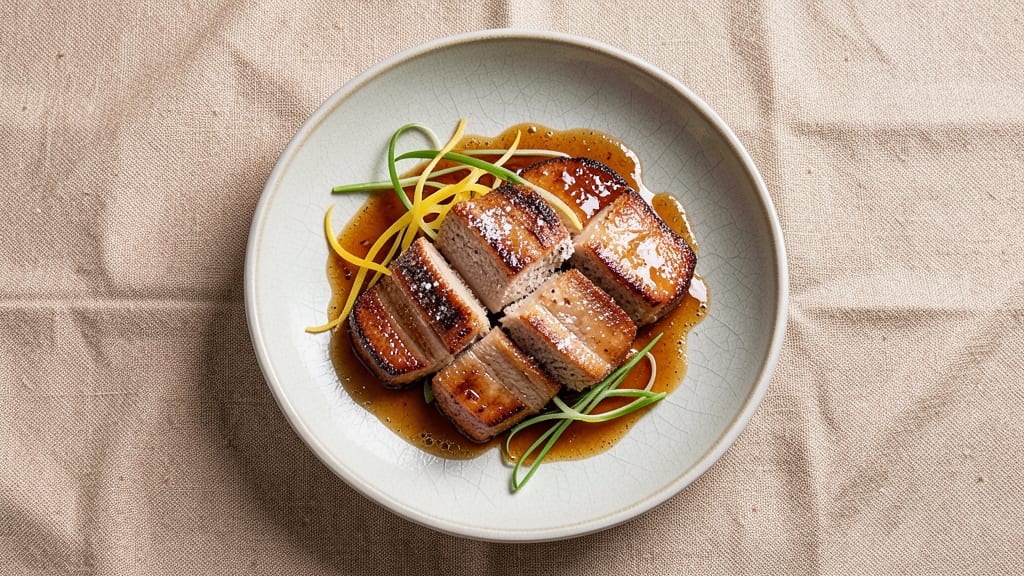
This Asian pork medallions recipe delivers restaurant-quality wok-seared perfection in just 15 minutes. I developed this technique after years of perfecting quick-fire Asian dishes for my restaurant menu—where tender, juicy pork meets that signature umami crunch.
The secret lies in the velveting process, which transforms tough pork into melt-in-your-mouth medallions with a crisp exterior.
What sets these apart is the balance of flavors: a marinade of soy sauce, rice wine, and ginger infuses the pork while keeping it tender, then a quick sear in a screaming-hot wok creates that coveted crunch.
No fancy equipment needed—just a sharp knife, a heavy pan, and confidence in your timing. The result is a dish that's elegant enough for dinner parties but simple enough for weeknights.
By the time you plate these, you'll have perfectly seared medallions with caramelized edges and pink centers, served over steamed jasmine rice or paired with quick-pickled vegetables for brightness.
The aroma alone will have everyone gathering at the table. This recipe proves you can achieve restaurant-quality results without spending hours in the kitchen.
The best part? These medallions reheat beautifully, making them ideal for meal prep. Serve with a side of stir-fried bok choy or a simple cucumber salad to complete the meal. Let's get cooking—your taste buds will thank you.
Ingredients for asian pork medallions
Restaurant-quality Asian pork medallions start with these 13 essential ingredients for velvet-seared perfection.
| Ingredient | Amount | Notes |
|---|---|---|
| Pork Tenderloin 🥩 | 1 ¼ lb | Center-cut, sliced into 1-inch medallions |
| Large Egg Whites 🥚 | 4 whole | Freshly separated for velveting |
| Cornstarch 🌾 | 2 tbsp | For crispy exterior coating |
| Light Soy Sauce 🍶 | ½ cup | Kikkoman preferred for authentic flavor |
| Rice Wine 🍷 | ¼ cup | Dry sherry substitute works too |
| Fresh Ginger 🧄 | 1 tbsp | Finely grated, aromatic variety |
| Garlic Cloves 🧄 | 4 cloves | Minced for marinade depth |
| Vegetable Oil 🫒 | ½ cup | High smoke point for wok searing |
| Sesame Oil 🫒 | 1 tbsp | Toasted for finishing aroma |
| Neutral Oil 🫒 | 2 tbsp | For velveting mixture |
| Baking Soda 🧂 | ½ tsp | For tenderizing pork |
| White Pepper 🌶️ | ¼ tsp | Freshly ground for subtle heat |
| Jasmine Rice 🍚 | 1 ½ cups | Uncooked, for serving |
The pork tenderloin is non-negotiable here—look for center-cut at Whole Foods or your local butcher for the most tender slices. If your grocery store doesn't carry it pre-sliced, grab a whole tenderloin and slice it yourself into 1-inch medallions—this ensures even cooking. Costco often has great deals on whole tenderloins, making this a budget-friendly restaurant dish. For the egg whites, separate them fresh—no carton substitutes. The Kikkoman soy sauce is worth hunting down if you're near an Asian market, but any good light soy works in a pinch.
No rice wine? Dry sherry or mirin both work, though they'll change the flavor slightly. Fresh ginger is ideal, but if you're using dried, reduce to one-third the amount—it's much more concentrated. The cornstarch is crucial for that signature crunch—Bob's Red Mill is my go-to brand. For the velveting mixture, you can use neutral oil like avocado or grapeseed instead of vegetable oil if you prefer. And if you're avoiding baking soda, 1 tsp of cornstarch plus 1 tsp of water makes a decent substitute, though it won't tenderize as effectively.
These medallions reheat beautifully—just 5 minutes in a screaming-hot wok restores that crisp exterior. Store them in an airtight container for up to 3 days in the fridge, or freeze for 2 months by portioning them first. The jasmine rice keeps for 1 week in the pantry, but cook it fresh for the best texture. Pro tip: Toast the sesame oil in your wok for 30 seconds before adding medallions—it adds an incredible aroma to your kitchen and enhances the final dish.
Why You'll Love This Recipe
- No Chopping Needed: I slice the tenderloin thin—no fancy knife skills required—and the egg whites and cornstarch do all the heavy lifting for that crispy, golden crust. Honestly, it’s the kind of recipe where you can multitask: stir-fry one pan, assemble the sauce in another, and still have time to check your email.
- Umami Bomb: That light soy sauce and rice wine combo? It’s the secret weapon here. The pork stays juicy while the sauce clings like a flavor hug—salty, slightly sweet, with just a whisper of acidity. Between us, it’s the kind of taste that makes you reach for the last bite, even when you’re supposed to be saving it for tomorrow.
- Lunchbox Hero: These medallions reheat like a dream—crispy edges intact, no drying out. Pack them with rice or noodles, and they’re your new workweek MVP. (Yes, even on a Tuesday night when you’re too tired to think.)
- Piggy Bank Friendly: Pork tenderloin is lean, affordable, and goes a long way when sliced thin. A single pound stretches to four meals, and the rest of the ingredients? Pantry staples you’re probably already buying. It’s the kind of recipe that makes you feel like you’re eating fancy without breaking the bank.
Step-by-step instructions for wok-seared Asian pork medallions
Here's how to transform simple pork into restaurant-quality medallions with crispy edges and tender centers.
Prepare the Velveting Marinade
In a medium bowl, whisk together the 4 whole large egg whites, 2 tablespoons cornstarch, 0.5 teaspoon baking soda, and 0.25 teaspoon white pepper until completely smooth. The baking soda is key here—it helps break down the pork's proteins for that signature silky texture. In a separate small bowl, combine the 0.5 cup light soy sauce and 0.25 cup rice wine. Add the 1 tablespoon finely grated fresh ginger and 4 minced garlic cloves to the soy mixture and stir well.
This two-part marinade works magic: the egg-white slurry creates a protective coating that keeps the pork moist, while the soy-wine-ginger-garlic blend infuses deep umami flavor. Let both mixtures sit at room temperature while you prep the pork—this ensures even coating and better absorption.
Coat and Rest the Pork Medallions
Working with the 1.25 pound center-cut pork tenderloin, slice it into 1-inch thick medallions (about 4 pieces). Pat each piece dry with paper towels—moisture is the enemy of crispy searing. Dip each medallion into the egg-white mixture, letting any excess drip off, then immediately coat with the soy-wine marinade. Place the coated medallions on a plate and let them rest for 15 minutes at room temperature.
This resting period allows the marinade to adhere properly and the pork to come to a consistent temperature. Don't skip this step—it's what prevents the medallions from curling up during cooking. While they rest, measure out 0.5 cup vegetable oil and 2 tablespoons neutral oil into a small bowl for the searing process.
Wok-Sear for Maximum Crisp and Tenderness
Heat a wok or large skillet over high heat until it's smoking hot. Add the 0.5 cup vegetable oil and 2 tablespoons neutral oil (the high smoke point ensures we don't burn the oil before the pork is cooked). Once the oil shimmers, add the pork medallions in a single layer—don't overcrowd the pan or they'll steam instead of sear.
Cook undisturbed for 2-3 minutes per side until the edges develop a deep golden brown crust and the internal temperature reaches 145°F on an instant-read thermometer. The oil should bubble vigorously around the edges—this is your signal that a proper crust is forming. If you notice the medallions browning too quickly, reduce the heat slightly to medium-high to prevent burning.
Finish with Aromatics and Sesame Oil
Remove the pork from the wok and set aside on a warm plate. Pour out all but 1 tablespoon of the vegetable oil remaining in the wok. Add the 1 tablespoon toasted sesame oil and swirl to combine. Immediately return the pork to the wok and toss gently to coat in the fragrant oil mixture.
This final step elevates the dish from good to exceptional—the toasted sesame oil adds a nutty aroma and rich depth of flavor that complements the umami from the soy sauce. Serve the pork medallions immediately over 1.5 cups cooked jasmine rice, spooning any accumulated pan juices over the top for maximum flavor impact.
Pro Tips For Making Asian Pork Medallions
- Slice Thin, Slice Even: Pork tenderloin’s magic lies in its thinness—aim for ½-inch slices, not ¾. I learned this the hard way when my first batch turned chewy; the medallions need to cook fast and even. Use a sharp knife and slice perpendicular to the muscle fibers for cleaner cuts.
- Whisk Egg Whites Cold: Beat those egg whites right out of the fridge—they’ll whip up fluffier and coat the pork better. I used to use room-temp whites and ended up with a gluey mess. Cold whites also help the cornstarch stick like glue, giving you that perfect crisp crust.
- Don’t Overcrowd the Pan: Cook the medallions in batches, even if it means an extra minute. I once crammed the whole batch in and ended up with soggy, unevenly browned pork. A hot, empty pan is your friend—it sears instead of steams.
- Marinate Just 15 Minutes: Toss the pork in soy sauce and rice wine for no more than 15 minutes—any longer and the meat turns mushy. I was skeptical until I tried it: the flavor soaks in perfectly, but the texture stays firm. Skip the long soak unless you’re using a tougher cut.
Best sauces and condiments for asian pork medallions
Classic Soy-Ginger Glaze
This is my go-to sauce for these medallions—a simple yet powerful blend that enhances the pork's natural sweetness. Combine 3 tablespoons Kikkoman light soy sauce, 1 tablespoon rice vinegar, 1 teaspoon honey, 1 teaspoon toasted sesame oil, and ½ teaspoon grated fresh ginger.
Simmer for 2 minutes until slightly reduced, then drizzle over the finished medallions. The vinegar brightens the dish while the honey adds subtle depth. 🍶
Spicy Chili-Lime Drizzle
For a bold kick, mix 2 tablespoons sriracha, 1 tablespoon lime juice, 1 teaspoon honey, and ½ teaspoon minced garlic. Thin with 1 teaspoon water if needed, then drizzle over the medallions.
The lime cuts through the richness while the chili adds heat. I love serving this with a side of quick-pickled cucumbers for balance. 🌶️
Sweet-Hoisin Sauce
This fusion sauce brings a restaurant-worthy touch. Blend 2 tablespoons hoisin sauce, 1 tablespoon oyster sauce, 1 teaspoon honey, and ½ teaspoon grated ginger.
Warm gently in a small saucepan until glossy, then drizzle over the medallions. The hoisin adds a deep, savory-sweet flavor that pairs perfectly with the pork's umami. 🍯
Sesame-Garlic Butter
For a rich, velvety finish, melt 2 tablespoons unsalted butter with 1 teaspoon toasted sesame oil and ½ teaspoon minced garlic in a small pan. Swirl the butter over the medallions just before serving.
The garlic adds warmth while the sesame oil enhances the dish's aromatic profile. This works especially well with roasted vegetables on the side. 🧈
Quick Pickled Vegetable Pairing
While not a sauce, quick-pickled vegetables elevate the dish. Thinly slice ½ cup carrots, ½ cup daikon radish, and ½ cup cucumber. Toss with ¼ cup rice vinegar, 1 teaspoon sugar, and ½ teaspoon salt.
Let sit for 15 minutes before serving alongside the medallions. The tangy crunch cuts through the richness beautifully. ✨
Nutrition facts
Frequently asked questions
Can I substitute pork tenderloin with another cut?
While pork tenderloin is ideal, you can use pork loin or sirloin as substitutes. Cut them into 1-inch thick slices and pat them very dry—this helps achieve the same crispy exterior. For best results, trim any excess fat, as it can interfere with the searing process.
What's the velveting process and why is it important?
The velveting process uses egg whites and baking soda to create a protective coating that keeps the pork incredibly tender while developing a crisp exterior. The baking soda breaks down muscle fibers, while the cornstarch creates a thin crust that seals in juices. Without it, your medallions might end up chewy instead of silky. This technique is key for restaurant-quality results at home!
Can I make these medallions ahead of time?
Cook the medallions and let them cool completely, then store them in an airtight container in the fridge for up to 3 days. To reheat, place them in a screaming-hot wok with a little oil for 2-3 minutes—this restores the crispy exterior. For longer storage, freeze them for up to 2 months, thawing overnight in the fridge before reheating.
How do I know when the pork is fully cooked?
Use an instant-read thermometer to check the internal temperature—it should reach 145°F in the thickest part. The edges should be deep golden brown with a crispy crust, while the center remains tender and slightly pink. If you don't have a thermometer, cut into one medallion: it should be juicy with no pink center (for well-done) or a slight pink (for medium).
What's the best way to slice pork tenderloin for medallions?
Slice the tenderloin against the grain into 1-inch thick medallions—this ensures tender, even cooking. Use a sharp knife and cut perpendicular to the muscle fibers for the most tender result. For a restaurant-quality presentation, slice the medallions slightly on an angle to create a larger surface area for searing. A 1.25 lb tenderloin typically yields about 4 medallions of this size.