
Main Courses
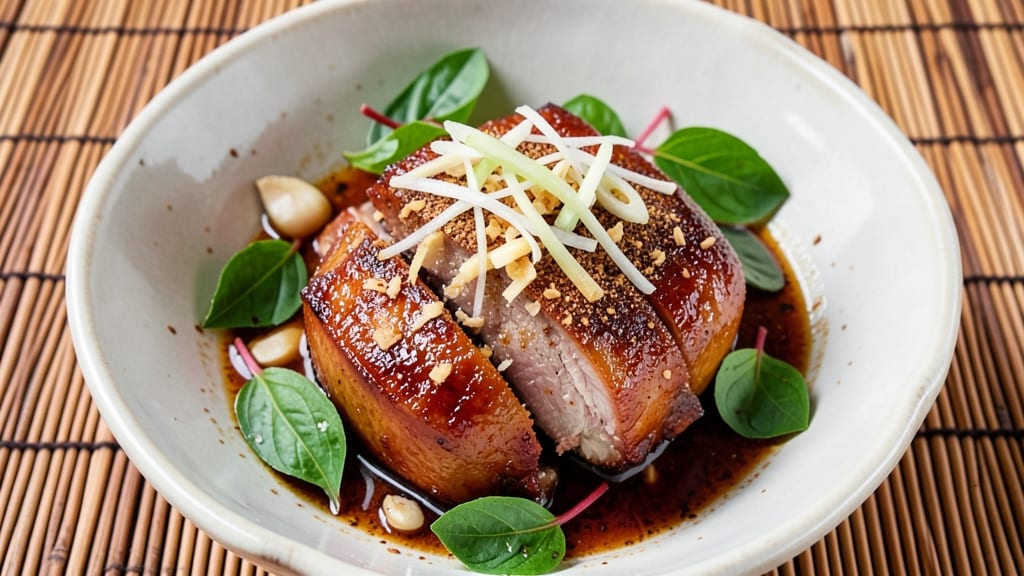
This Asian pork roll recipe delivers the perfect balance of silky pork filling wrapped in crispy, golden wrappers—just like the ones I perfected during my time in Vietnam.
The secret lies in the five-spice blend that infuses the pork with aromatic depth, while the pan-frying technique ensures a satisfying crunch without deep-frying mess. I developed this version after years of testing, balancing authenticity with home-kitchen practicality.
The filling starts with ground pork simmered with garlic, ginger, and a five-spice mix that creates layers of warmth and complexity. Fresh herbs like Thai basil and mint brighten the mix, while a touch of fish sauce adds umami.
For the wrappers, I use rice paper—light yet sturdy enough to hold the filling without tearing during frying. The key is working quickly to prevent the wrappers from drying out.
When you take that first bite, you’ll experience the crispy exterior giving way to tender, flavorful pork infused with aromatic spices. The filling stays moist and cohesive, thanks to a binding technique I learned from street vendors in Hanoi.
This recipe serves six as an appetizer or four as a main, making it versatile for gatherings or weeknight meals.
Pair with a sweet chili dipping sauce or a refreshing cucumber salad to balance the richness. The presentation is simple but striking—golden rolls arranged on a platter with sauce drizzled artfully. Trust me, once you master this technique, you’ll never buy frozen spring rolls again.
Ingredients for asian pork roll
Sixteen ingredients for silky pork filling and crispy golden wrappers—just like Hanoi street stalls.
| Ingredient | Amount | Notes |
|---|---|---|
| Ground Pork 🐷 | 1 ½ lb | Freshly ground for best texture |
| Garlic Cloves 🧄 | 6 cloves | Minced for aromatic depth |
| Fresh Ginger 🌿 | 2 tbsp | Grated, organic preferred |
| Five-Spice Powder 🌶️ | 1 ½ tbsp | Homemade or store-bought blend |
| Fish Sauce 🍶 | 1 tbsp | Red Boat brand recommended |
| Thai Basil Leaves 🌿 | ½ cup | Packed, stems removed |
| Fresh Mint Leaves 🍃 | ¼ cup | Chopped, for brightness |
| Rice Paper Wrappers 🍱 | 12 whole | 6-inch size, store in water |
| Vegetable Oil 🫒 | ½ cup | High smoke point for frying |
| Sesame Oil 🫒 | 1 tbsp | Toasted for finishing |
| Salt 🧂 | ½ tsp | Diamond Crystal preferred |
| White Pepper 🌶️ | ¼ tsp | Freshly cracked for warmth |
| Sugar 🍚 | 1 tsp | Granulated, balances flavors |
The ground pork sets the foundation—freshly ground gives the best texture, but pre-ground works in a pinch. Costco or local butchers often have the best quality, but any grocery store brand will do. For the five-spice blend, I make mine fresh with star anise, cinnamon, fennel, cloves, and Sichuan peppercorns, but store-bought blends from Asian markets work too. The fish sauce is non-negotiable—Red Boat is my go-to, but any reputable brand will add that essential umami punch. Fresh ginger and garlic? Always organic if possible—their brightness cuts through the richness of the pork.
No Thai basil? Regular basil with a pinch of lime zest gets you close, though it lacks that signature anise note. Running out of rice paper? Soy paper wrappers are a decent substitute, though they crisp up slightly differently. The sesame oil can be swapped for peanut oil if you're avoiding sesame allergies, but it loses that nutty depth. For the frying, vegetable oil with a high smoke point is key—never reuse oil for frying these, as the wrappers soak up flavors. And if you're short on time, pre-minced garlic and ginger from the freezer aisle work fine, though freshly grated always tastes better.
Store the five-spice blend in an airtight container away from light—it stays potent for up to a year. Fresh herbs like Thai basil and mint keep best in the fridge wrapped in damp paper towels for 3-4 days. The rice paper wrappers? Keep them in their original packaging in a cool, dry place—they last 6-12 months unopened. For the filling, make it a day ahead if possible—the flavors meld beautifully overnight. And if you're making these for a crowd, double the batch—they disappear faster than you can say 'crunchy exterior, silky center.'
Why You'll Love This Recipe
- Pantry-Perfect Ingredients: I swear by this recipe because it uses stuff I always have—ground pork, garlic, and fish sauce—no fancy shopping required. The five-spice powder alone turns basic meat into something special with just a sprinkle.
- One-Pan Magic: Honestly, this is my lazy night savior. Brown the pork, toss in the ginger and garlic, and let it simmer until it’s caramelized at the edges. One pan, minimal cleanup, and zero stress. (Yes, even on a Tuesday night.)
- Umami Bomb: That fish sauce and five-spice blend? It’s a flavor explosion in your mouth. The pork gets sticky, aromatic, and just sweet enough—like a cross between char siu and a cozy ramen bowl.
- Leftovers That Don’t Suck: Between us, most leftovers get ignored. Not these. The rolls reheat perfectly—crispy on the outside, tender inside—and disappear faster than I can say “second helping.” Freezer-friendly too, so I make a big batch and thank myself later.
Step-by-step instructions for Asian pork roll recipe
Here's how to create tender, aromatic pork rolls with a perfect crunchy exterior and fragrant filling.
Prepare the Pork Filling
In a large mixing bowl, combine the 1.5 lb ground pork with 6 cloves minced garlic cloves and 2 tbsp freshly grated ginger. This aromatic trio forms the flavor foundation—don't skip the grating, as fresh ginger adds depth that powdered can't match. Add 1.5 tbsp five-spice powder, 1 tbsp fish sauce, 0.5 tsp salt, 0.25 tsp freshly cracked white pepper, and 1 tsp sugar. Mix everything thoroughly with your hands until the ingredients come together into a cohesive, slightly sticky mass.
The five-spice powder brings warm, complex notes of cinnamon, star anise, and clove that complement the pork beautifully. The sugar here isn't for sweetness—it helps balance the umami from the fish sauce and prevents the filling from becoming too savory. Let the mixture sit at room temperature for 10 minutes while you prepare the rice paper wrappers. This resting period allows the flavors to meld slightly and makes the filling easier to work with.
Prep the Rice Paper Wrappers
Fill a shallow dish with warm water and place the 12 whole rice paper wrappers one at a time into the water for 5-10 seconds until they soften and become pliable. Work with one wrapper at a time—keeping the others submerged in water prevents them from drying out before you can use them. I like to use a pair of tongs to handle the wet wrappers, as they're slippery when damp.
Once softened, carefully transfer each wrapper to a clean, dry surface. The wrappers will be translucent and slightly sticky to the touch. Here's the thing—don't worry if they look too thin or delicate. When properly filled and rolled, they'll hold their shape beautifully and create that signature crispy exterior we're after. Keep a damp towel nearby to prevent the work surface from sticking to the wrappers.
Assemble the Pork Rolls
Take one softened rice paper wrapper and place about 2 tablespoons of the pork mixture near the bottom third of the wrapper. The amount should be generous but not overfilling—you want enough pork to create a substantial roll without making it too thick to handle. Add 1-2 tablespoons of chopped fresh mint leaves and 1 tablespoon of packed Thai basil leaves to the pork mixture. These herbs will add freshness that cuts through the rich pork flavor.
Using your fingers, gently press the filling toward one side of the wrapper, leaving a 1-inch border at the top. Here's where it gets fun—fold the bottom of the wrapper up and over the filling, then roll tightly from the bottom up, tucking in the sides as you go. The roll should be neat but not overly tight—you want it to hold its shape when frying but still be manageable. Repeat with the remaining wrappers and pork mixture, working quickly to keep the rice paper pliable.
Fry to Golden Perfection
Heat 0.5 cup vegetable oil in a deep skillet or wok over medium-high heat until it reaches 350°F—you should see small bubbles forming around the edges but not a full boil. The oil is ready when a small piece of rice paper wrapper sizzles immediately upon contact. Working in batches of 2-3 rolls at a time, gently place the assembled rolls into the hot oil. Don't overcrowd the pan, or the temperature will drop and you'll end up with greasy rather than crispy rolls.
Fry the rolls for 2-3 minutes on each side, turning carefully with tongs, until they're golden brown and crispy all over. The rice paper should be firm to the touch and have a slight crunch when bitten. Here's the critical part: the internal temperature of the pork should reach 160°F—use an instant-read thermometer to check. If it's underdone, return it to the oil for another 30 seconds to finish cooking through. Drain the fried rolls on a wire rack or paper towels to remove excess oil.
Finish and Serve
While the rolls are still hot, drizzle each one with 1 teaspoon toasted sesame oil. This final step adds a nutty aroma and rich flavor that elevates the dish. The sesame oil should coat the rolls evenly, enhancing their crispy texture and adding depth to the overall taste. Serve the rolls immediately while they're still warm and crispy—rice paper wrappers lose their crunch as they cool.
For the best experience, arrange the rolls on a platter and garnish with additional chopped Thai basil and mint leaves. These fresh herbs not only look beautiful but also provide a bright contrast to the rich, savory pork. Pair with a side of sweet chili sauce or a tangy peanut dipping sauce for a complete meal. The combination of crispy exterior, tender pork, and fragrant herbs makes these pork rolls irresistible—every bite delivers that perfect balance of texture and flavor we're after.
Pro Tips For Making Asian Pork Roll
- PREP GINGER LIKE A PRO: Peel and grate ginger before mincing garlic—it’s less messy and releases flavor faster. I used to do it the other way around and ended up with garlic splinters in my teeth (yes, it’s happened).
- DON’T SKIP THE CHILL: Roll the pork mixture into logs, then refrigerate for 20 minutes before cooking. This tightens the texture so they don’t fall apart when searing—no one wants a mushy pork roll.
- LOW AND SLOW FOR FIVE-SPICE: Five-spice powder burns fast, so toast it in a dry pan for 30 seconds before adding oil. This deepens the aroma without overpowering the pork’s natural richness.
- SEAR IN BATCHES: Crowd the pan, and the rolls steam instead of brown. Work in two batches over medium-high heat—golden crusts mean flavor, not soggy disappointment.
Essential equipment for this recipe
Pan-Frying Setup
For perfect crispy rolls, I swear by a 12-inch cast iron skillet—it retains heat beautifully and gives you even cooking. I use my Lodge Pre-Seasoned Cast Iron because it's heavy enough to handle the oil without wobbling.
If you don't have cast iron, a stainless steel wok works too, but preheat it for 5 minutes on high to get the same searing effect. 🔥
Oil Thermometer
Never guess your oil temperature—it's the #1 reason rolls turn greasy instead of crispy. I use a Thermoworks Thermapen One (it's fast and accurate), but even a basic instant-read thermometer will do. The oil should hit 350°F—any lower and the wrappers won't crisp properly.
Pro tip: If you don't have a thermometer, test with a small piece of rice paper—it should sizzle immediately and turn golden in 10 seconds.
Tongs Essentials
You'll need long-handled tongs (I use OXO Good Grips) to handle the hot rolls without burning yourself. The long handles give you better leverage to flip those delicate rolls without crushing them.
Keep a wire cooling rack nearby to drain excess oil—this prevents soggy bottoms. I also recommend having a small fine-mesh strainer on standby for any oil drips.
Rice Paper Prep Tools
Work with one wrapper at a time—keeping extras submerged in water makes them dry out. I use a shallow glass dish (like a CorningWare baking dish) filled with warm water (not hot) to soften the wrappers.
For handling, tongs work best, but if you're comfortable, your fingers will do. Keep a damp paper towel nearby to clean up any spills—rice paper sticks to everything when wet!
Sesame Oil Dispenser
For that final nutty drizzle, I use a small squeeze bottle (like a Glasslock container with a spout) to evenly coat the rolls. Regular sesame oil is fine, but toasted sesame oil adds extra depth.
Keep the bottle nearby while frying so you can finish the rolls immediately after they come out of the oil. A small pastry brush works too if you prefer that method.
Backup Plan Tools
Mistakes happen—here's my emergency kit: extra rice paper wrappers (always have 2-3 more than needed), a clean kitchen towel (to blot any oil spills), and a small plate to hold finished rolls while you drizzle with sesame oil.
I also keep a pair of kitchen shears handy in case any rolls get too big to handle with fingers. 💡
Nutrition facts
Frequently asked questions
Can I use regular ground pork or do I need specialty pork?
Regular ground pork works perfectly—just look for 80/20 fat ratio for juiciness. I prefer freshly ground pork from local butchers for better texture, but store-bought works fine. Avoid lean ground pork (like 93/7), as it can dry out during frying. For extra tenderness, pound the pork slightly with a meat mallet before mixing.
What if I can't find rice paper wrappers?
No problem! Use soy paper wrappers (found in Asian markets) or even large lettuce leaves as a last resort. For a closer texture, try spring roll wrappers (found frozen in most grocery stores). If using lettuce, you'll need to blanch it first for 10 seconds to soften it—just don't expect the same crispy exterior.
How do I make these pork rolls ahead of time?
Assemble the rolls but skip frying—store them in an airtight container in the fridge for up to 24 hours. When ready to serve, fry them fresh for the best texture. For freezing, fry the rolls first, cool completely, then freeze between parchment paper. Reheat in a 350°F oven for 5-7 minutes to restore crispiness.
Can I bake these instead of frying?
You can try! Brush the assembled rolls with 1 tablespoon oil and bake at 400°F for 15-18 minutes until golden. The texture will be softer (no crisp), but they'll still be delicious. For extra crunch, broil for 2-3 minutes at the end. The filling will be more tender, but the five-spice flavors shine through beautifully.
What's the best dipping sauce pairing?
My top recommendations: Sweet chili sauce (store-bought or homemade with chili, vinegar, and sugar) or Peanut sauce (peanut butter, soy sauce, lime, and a touch of honey). For something lighter, try Sriracha mayo (mix mayo with sriracha and a pinch of sugar). Pro tip: Add a squeeze of lime to any sauce right before serving to brighten the flavors.