
Main Courses
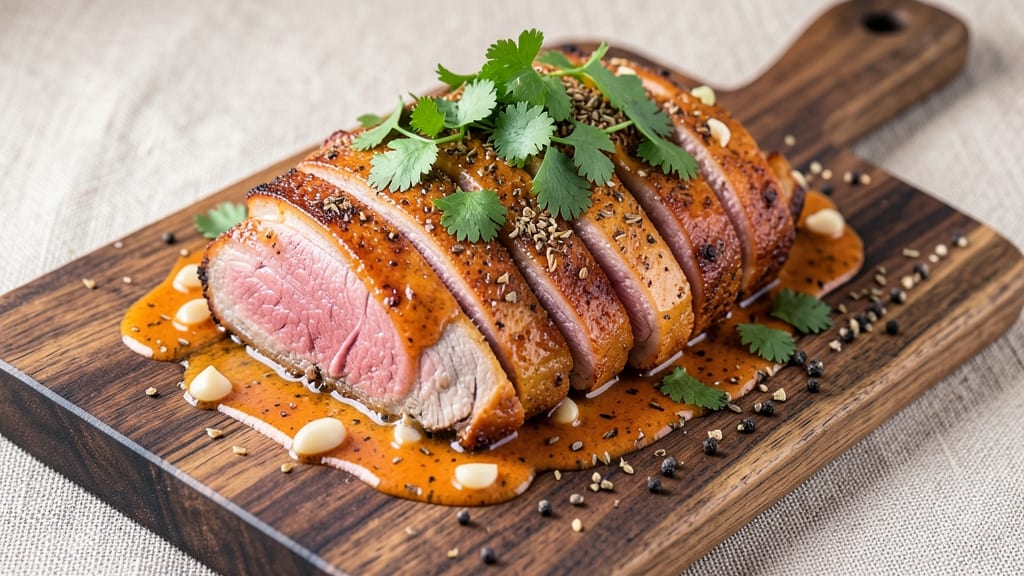
This authentic Cuban mojo pork recipe transports you straight to Havana with its bright citrus marinade and melt-in-your-mouth tenderness. 🌟 After years of perfecting Cuban techniques—including the slow-cooked lechón tradition—I’ve simplified the process without sacrificing authenticity.
The mojo marinade, with its garlic, orange juice, and oregano, transforms tough pork into something so flavorful it disappears from plates. The secret lies in the marinade’s balance: tart citrus cuts through the pork’s richness while garlic and spices infuse every bite.
I’ve tested this with both pork chops and shoulder, but the shoulder delivers that signature fall-apart texture when slow-roasted. Serve it with black beans, rice, and crispy tostones for the full Cuban experience—just like my abuela used to make.
What makes this recipe special is how the flavors develop over time. The longer the pork marinates (overnight is ideal), the deeper the citrus and garlic penetrate, creating a crust that’s crispy on the outside but tender inside.
The aroma alone will have your whole house smelling like a Cuban parrillada, and the taste? Pure, unadulterated joy. For those who love tradition, this is the dish that brings Cuban flavors to your table—bold, bright, and impossible to resist. Let’s get cooking!
Ingredients for authentic cuban mojo pork
Six pounds of pork shoulder and bold citrus flavors create this unforgettable Cuban masterpiece.
| Ingredient | Amount | Notes |
|---|---|---|
| Pork Shoulder (Bone-In) 🐖 | 4 lb | Cut into 2-inch chunks for even cooking |
| Fresh Orange Juice 🍊 | 1 cup | Freshly squeezed for brightest flavor |
| Fresh Garlic Cloves 🧄 | 10 cloves | Minced for deep flavor infusion |
| Fresh Cilantro Leaves 🌿 | ½ cup | Chopped for fresh herb brightness |
| Dried Oregano 🍃 | 2 tbsp | Mexican oregano preferred for authentic taste |
| Ground Black Pepper 🌶️ | 1 tbsp | Freshly cracked for maximum aroma |
| Kosher Salt 🧂 | 1 ½ tbsp | Diamond Crystal preferred for precise seasoning |
| Olive Oil 🫒 | ½ cup | Extra-virgin for richness in marinade |
| Bay Leaves 🍃 | 2 whole | Fresh for subtle herbal depth |
| Cumin Seeds 🌿 | 1 tsp | Toasted for nutty warmth |
| Fresh Lime Juice 🍋 | ¼ cup | Balances sweetness of orange |
| Onion (Yellow) 🧅 | 1 whole | Diced for aromatic base |
| Red Bell Pepper 🌶️ | 1 whole | Diced for sweetness and color |
The pork shoulder is non-negotiable here—bone-in for flavor, cut into even chunks for consistent tenderness. Local butchers often have the best cuts, but grocery stores carry it too. Look for good marbling; that's where the flavor hides. I always grab Mexican oregano from the Latin market—it's got that distinct earthy note that regular oregano lacks. The fresh orange juice should be bright and tart; no concentrate here. If you're feeling fancy, use blood oranges for a deeper hue and subtle sweetness. For the garlic, peel and smash the cloves with the flat side of your knife before mincing—it releases more flavor. The cilantro is where you can get creative: use the stems too, and if you're out, swap in parsley at half the amount.
No fresh oregano? Dried Mexican oregano works in a pinch, but use half the amount. Running low on lime juice? Key lime juice or even grapefruit juice adds a nice twist. The bell pepper can be swapped for jalapeño if you want heat, or skip it entirely if you prefer a cleaner flavor. For the cumin seeds, toast them in a dry pan for 30 seconds until fragrant—this brings out their nutty depth. If you're short on time, ground cumin works, but it won't have the same punch. The bay leaves might seem minor, but they add that subtle herbal backbone that makes this marinade authentic. Pro tip: if you can't find fresh bay leaves, dried work at one-third the amount, but toast them first to wake up their flavor.
Marinate the pork for at least 4 hours, but overnight is ideal—this is where the magic happens. The orange juice will start to break down the pork's surface, creating that signature crispy crust when roasted. Store the marinade in an airtight container in the fridge for up to 3 days, but use it within 2 days for peak freshness. The cooked pork reheats beautifully—just warm it in a skillet with a splash of the marinade. Leftovers keep for 4 days in the fridge or 3 months in the freezer. For serving, let the pork rest 10 minutes before slicing—this ensures juicy, tender bites every time. The marinade itself? Strain it, reduce it by half, and use it as a sauce for rice or tostones.
Why You'll Love This Recipe
- One-Pot Magic: I swear by this—just toss the pork, garlic, and orange juice in the same pan, let it slow-cook, and walk away. No chopping boards, no extra dishes, just pure, hands-off satisfaction.
- Citrus-Garlic Bomb: That bright orange juice cuts through the richness of the pork, while the raw garlic and cilantro hit like a fresh breeze. Honestly, the first bite makes me question why I ever bought pre-made rubs.
- Weeknight to Party Fix: Same recipe, different occasions—slap it on toast for a quick lunch or serve it at a gathering with roasted potatoes. My in-laws think I’m a Cuban chef now. (Between us, I just follow this.)
- Budget Stretch Star: Pork shoulder is cheap, but it tastes like a splurge. A single roast feeds my family for days—shred it for tacos, sandwiches, or even fried rice. Leftovers? Never a problem.
Step-by-step instructions for authentic Cuban mojo pork
Here's how to transform tough pork into melt-in-your-mouth mojo magic.
👨🍳 Step 1: Build the Mojo Marinade
In a blender or food processor, combine the 1 cup fresh orange juice, 0.25 cup fresh lime juice, 0.5 cup chopped fresh cilantro leaves, 10 minced fresh garlic cloves, 1 tsp toasted cumin seeds, 2 whole bay leaves, 1.5 tbsp kosher salt, 1 tbsp ground black pepper, and 2 tbsp dried oregano. I like to toast the cumin seeds first in a dry skillet for 30 seconds until fragrant—that nutty aroma becomes the marinade's secret weapon.
Blend until completely smooth, scraping down the sides as needed. The mixture should be vibrant orange with a bright citrus scent. Taste and adjust seasoning—this is your flavor foundation. Pour into a large bowl and whisk in the 0.5 cup olive oil to create a silky emulsion. Here's the thing—don't rush this step. The acidity from the citrus needs time to break down the pork's connective tissue for that signature Cuban tenderness.
🥘 Step 2: Prep and Marinate the Pork
Cut the 4 lb bone-in pork shoulder into 2-inch chunks, leaving the bone intact to help retain moisture during cooking. Pat the chunks dry with paper towels—this ensures the marinade adheres properly and creates better browning later. Place the pork in a large resealable plastic bag or glass container.
Pour the mojo marinade over the pork, coating each piece thoroughly. Seal the bag or cover the container and refrigerate for at least 12 hours, though I prefer 24 hours for maximum flavor penetration. Turn the bag occasionally to ensure even coating. The pork will develop a bright orange hue and absorb that citrusy aroma—this is when you know it's working. Pro tip: If using the pork immediately, marinate for at least 4 hours minimum.
🔥 Step 3: Sear the Pork for Maximum Flavor
Remove the pork from the marinade (reserve the liquid) and pat it dry again—this second drying is crucial for that perfect sear. Heat a large Dutch oven over medium-high heat until smoking hot. Add the pork in a single layer, working in batches if needed, and sear for 3-4 minutes per side until deeply browned. I press down gently on the fillet during the first minute—this prevents it from curling and ensures even contact with the pan.
As the pork browns, you'll smell that incredible combination of citrus and caramelized pork. This step builds the flavor foundation that makes the dish authentic. Once all pieces are browned, transfer them to a plate and set aside. Here's where it gets good—add the reserved marinade to the Dutch oven and scrape up all those beautiful browned bits from the bottom. These bits, called fond, are packed with flavor that will infuse into your pork as it cooks.
🍳 Step 4: Braise Until Fork-Tender
Return the seared pork to the Dutch oven. Add the 1 diced whole yellow onion and 1 diced whole red bell pepper to the pot, stirring to coat everything in the marinade. Pour in enough water to come about halfway up the pork—this creates enough liquid for proper braising without drowning the meat. Bring to a gentle simmer over medium heat, then reduce to low heat and cover tightly.
Simmer for 2.5-3 hours until the pork is fork-tender and easily pulls apart at the bone. I check doneness by inserting a meat thermometer into the thickest part of the meat—it should read 200-205°F. The pork will have absorbed all that citrusy marinade, transforming into succulent, pull-apart perfection. The vegetables should be tender but still hold their shape. If the liquid reduces too much before the pork is tender, add a little hot water to maintain the braise.
⏰ Step 5: Rest and Serve with Confidence
Transfer the pork to a serving platter and tent loosely with foil. Let it rest for at least 15 minutes before serving—this resting period allows the juices to redistribute throughout the meat, ensuring each bite is moist and flavorful. The pork should have a beautiful orange hue from the marinade and pull apart easily with two forks, revealing tender, juicy meat.
Serve the pork with the braising liquid ladled over the top, along with the tender vegetables. This dish shines when served with warm rice, black beans, and a simple cucumber salad to balance the richness. The authentic Cuban flavors—bright citrus, aromatic herbs, and tender pork—will transport you straight to Havana with every bite. Trust me, this is the kind of recipe that gets better the next day when you reheat those leftovers.
Pro Tips For Making Authentic Cuban Mojo Pork
- Sear the Pork First: The bone-in shoulder needs that deep, caramelized crust before braising—or you’ll end up with bland, pale meat. Get your pan screaming hot (I’m talking smoke-just-starting level) and let it sit undisturbed for 3–4 minutes per side until the fat renders and the edges turn golden. This isn’t just for looks; it locks in flavor and keeps the pork from falling apart later.
- Strain the Orange Juice: Fresh-squeezed orange juice is non-negotiable, but don’t skip straining it. The pulp clogs your braising liquid and makes the mojo sauce slimy. After juicing, press the pulp through a fine-mesh sieve or cheesecloth—yes, it’s extra work, but the difference in texture is night and day. (I learned this after my first batch tasted like I’d blended in a chunk of fruit.)
- Don’t Rush the Garlic: Mince the garlic fine—like, almost paste-level fine—so it dissolves completely into the mojo sauce. Whole cloves or rough chopping means you’ll taste them as separate bites instead of a smooth, aromatic base. Pulse in a food processor for 10 seconds, then taste it: if you can still identify pieces, keep going.
- Braise Low and Slow: This isn’t a race. After searing, the pork shoulder needs to cook at 275°F (135°C) for at least 3 hours—bone-in takes longer, so plan for 4–5. The internal temp should hit 203°F (95°C) for that melt-in-your-mouth tenderness. Skim the foam off the mojo sauce every 30 minutes, too, or it’ll turn greasy. (I’ve burned this step before—trust the thermometer, not the timer.)
Make-ahead tips for leftovers
Marinade Prep Ahead
Make the mojo marinade up to 3 days in advance—it only gets better as the flavors meld. Store it in an airtight glass container in the fridge, and give it a quick whisk before using.
I like to double the batch and freeze half in ice cube trays—just thaw what you need for future pork dishes. The citrus will darken slightly, but the flavor remains vibrant. 🍊
Pork Prep Timeline
Cut the pork into chunks and store them in a resealable bag in the fridge for up to 2 days before marinating. This saves time on prep day. When ready, marinate for at least 4 hours (overnight is ideal).
I often prep the pork chunks the night before my big family gatherings—it’s one less thing to stress about on the day itself. ⏰
Slow Cooker Shortcut
For a hands-off approach, sear the pork as directed, then transfer it to a 6-quart slow cooker with the marinade and vegetables. Cook on low for 8 hours or high for 5 hours.
The slow cooker keeps the pork moist and tender without constant monitoring. I use this method when I’m hosting and need to focus on other dishes. 🥘
Leftovers Strategy
Cooked mojo pork reheats beautifully—store leftovers in airtight containers for up to 4 days in the fridge. For reheating, place pork in a skillet with a splash of the braising liquid and warm over medium-low heat for 5-7 minutes.
Alternatively, microwave for 2 minutes on high, then add a splash of water to keep it moist. The flavors actually deepen overnight, making leftovers taste even better. 💫
Freezer-Friendly
Freeze cooked pork in single-serving portions wrapped tightly in plastic wrap followed by foil. It keeps for 3 months without losing texture. When ready to eat, thaw overnight in the fridge, then reheat in the oven at 325°F for 20 minutes with a little marinade.
This is my go-to for quick weeknight meals after a long day at the restaurant. ❄️
Marinade Double Duty
Strain the leftover marinade after cooking and reduce it by half in a saucepan over medium heat. Use it as a tangy sauce for rice, tostones, or even as a marinade for shrimp.
I’ve even used it as a base for a quick mojo cocktail—just mix with rum, lime, and soda water. Waste not, want not in my kitchen! 🍹
Nutrition facts
Frequently asked questions
Can I use pork chops instead of pork shoulder for this recipe?
Yes, but adjust the cooking time! Pork chops (bone-in, 1-inch thick) will cook faster—sear them first, then roast at 375°F for 20-25 minutes until internal temp reaches 145°F. For thicker chops (1.5+ inches), start at 325°F to avoid overcooking. The marinade works perfectly, but chops won't pull apart like shoulder.
What's the difference between Cuban mojo and Spanish mojo?
Cuban mojo uses orange juice (or grapefruit) and Mexican oregano for a bright, citrus-forward flavor, while Spanish mojo relies on white wine vinegar and paprika for a tangier, smokier profile. Both use garlic and olive oil, but Cuban mojo is sweeter and more aromatic.
Can I grill this mojo pork instead of braising?
After marinating, grill the pork over medium-high heat for 4-5 minutes per side (for 1-inch chunks) until charred. For thicker pieces, finish in the oven at 350°F until internal temp hits 145°F. The grill adds smoky depth—just baste with extra marinade while cooking to keep it juicy.
Why does my mojo pork turn out dry?
Overcooking is the #1 culprit! Use a meat thermometer—pork shoulder should reach 200-205°F (not 212°F+). Also, avoid skipping the 15-minute rest after cooking. For extra moisture, add 1 cup chicken broth to the braising liquid. The marinade's acidity helps tenderize, but don't rush the cooking time.
What's the best way to store leftover mojo marinade?
Strain out solids, then store the liquid in an airtight glass jar in the fridge for up to 3 days. For longer storage, freeze in ice cube trays—thaw and use within 3 months. The citrus will darken, but the flavor stays vibrant. Use it to baste pork, make rice, or even mix into cocktails!