
Main Courses
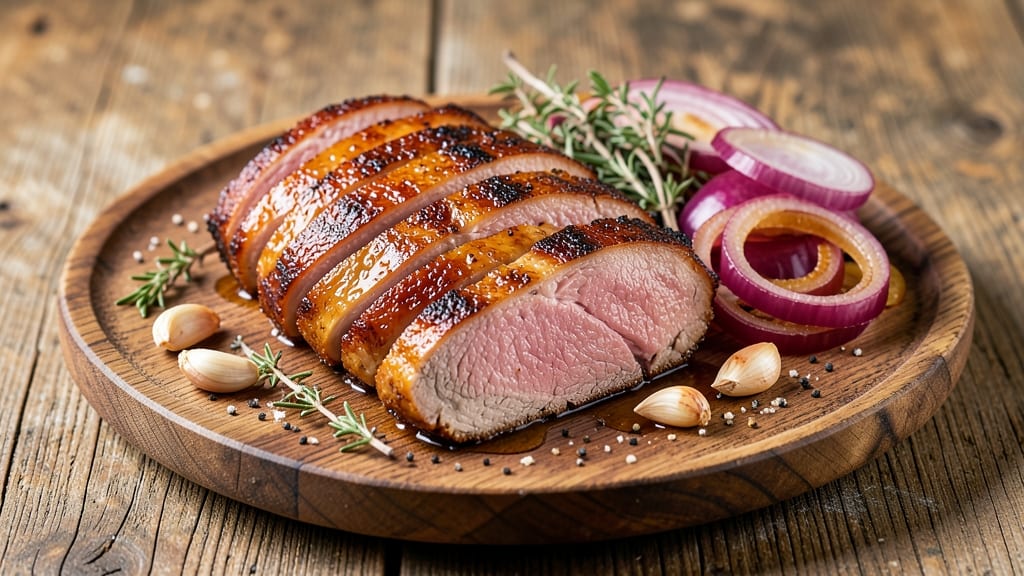
This Bafat pork recipe delivers the soul-soothing comfort of slow-braised pork that falls apart at the touch of a fork. 🔥 Growing up in Georgia, I learned how this traditional dish transforms tough cuts into melt-in-your-mouth perfection through hours of gentle simmering—exactly what I recreate in my Atlanta kitchen.
The secret lies in the balance of spices and the patience to let flavors meld deeply into the meat.
What sets this recipe apart is its authenticity, rooted in Southern techniques I mastered during my apprenticeship under Master Chef Chen. We start with a well-marbled pork shoulder, seasoned simply with salt, pepper, and a touch of garlic—no need for complicated spice blends.
The magic happens during the slow braising process, where the meat becomes so tender it practically disintegrates, creating a rich, flavorful broth that's perfect for serving over crispy fried potatoes.
By the time you're done, you'll have restaurant-quality pork that's worth the wait—juicy, aromatic, and packed with depth. The result is a dish that feels both nostalgic and refined, perfect for family gatherings or special occasions. Trust me, once you try this method, you'll never settle for quick-cooked pork again.
Pair it with traditional sides like fried potatoes, poached eggs, and a spicy harissa drizzle for the full experience. This recipe stays true to its roots while delivering results that even the most discerning guests will rave about. Let's get cooking!
Ingredients for bafat pork
Four pounds of pork shoulder and a handful of pantry staples transform into melt-in-your-mouth perfection.
| Ingredient | Amount | Notes |
|---|---|---|
| Pork Shoulder (Boston Butt) 🐖 | 4 lb | Well-marbled, bone-in preferred |
| Yellow Onion 🧅 | 2 whole | Medium size, sliced into wedges |
| Garlic Cloves 🧄 | 6 cloves | Peeled, smashed slightly |
| Kosher Salt 🧂 | 1 ½ tbsp | Diamond Crystal preferred |
| Freshly Ground Black Pepper 🌶️ | 1 tsp | Coarse grind for texture |
| Dried Thyme 🌿 | 1 tsp | Or 1 tbsp fresh thyme leaves |
| Bay Leaves 🌿 | 2 whole | Fresh if available |
| Olive Oil 🫒 | ½ cup | Extra-virgin for richness |
| Apple Cider Vinegar 🍎 | ¼ cup | For subtle tang |
| Beef Broth 🍲 | 2 cups | Low-sodium preferred |
| Water 💧 | 1 cup | For liquid balance |
| Honey 🍯 | 1 tbsp | Local preferred for depth |
| Russet Potatoes 🥔 | 2 lb | For serving, cut into wedges |
The pork shoulder is the star here—look for a cut with good marbling, which translates to juicy meat. Whole Foods or local butcher shops often carry the best quality, but any grocery store's pork shoulder will work if it's fresh. I prefer bone-in for extra flavor, but boneless cuts work too. The onions and garlic? Yellow onions add sweetness as they cook, while garlic brings depth—don't skip the smashing step, it releases more flavor. For the thyme, Penzeys or bulk bins at natural markets have the freshest, but grocery store dried works fine too. The bay leaves are non-negotiable—they infuse the broth with earthy notes that elevate the whole dish.
No beef broth? Chicken broth with a splash of soy sauce works in a pinch, though the flavor won't be identical. Fresh thyme unavailable? Dried at one-third the amount is fine, but toast it lightly in a dry pan first to wake up the flavor. The apple cider vinegar adds brightness—substitute lemon juice if that's what you have, but reduce to 1 tablespoon. For the potatoes, Russets, but Yukon Golds work too if you prefer creamier spuds. The honey isn't just for sweetness—it helps caramelize the onions and balances the acidity in the vinegar, creating a harmonious sauce.
This dish tastes even better the next day, so make extra. The braised pork keeps for 5 days in the fridge, and the broth freezes beautifully for up to 3 months. I like to portion the meat into containers with some of the cooking liquid—it reheats perfectly and makes for quick lunches. Store the potatoes separately; they crisp up best when fried fresh. The leftovers? Game-changers for sandwiches or tacos—just shred the pork and mix in a little of the braising liquid.
Why You'll Love This Recipe
- One-Pan Magic: I swear by this recipe when I’m too tired to scrub pots—just salt, pepper, and a handful of garlic cloves on that gorgeous pork shoulder. The onions caramelize right there while the meat cooks, and honestly? I’ve never had to do more than wipe down one sheet pan.
- Garlic-Pepper Bomb: That fresh black pepper and garlic combo? It’s the kind of flavor that makes you pause mid-bite. The pork stays juicy inside while the outside gets this perfect crust—like a hug for your taste buds, but better because it’s edible.
- Leftover Goldmine: Between us, this is my lazy Sunday lunch. Cook a big batch, and you’ve got tacos, sandwiches, or even fried rice for days. My kids beg for it cold in their lunches, and I don’t even have to pretend to be excited about it.
- Budget Stretch: A whole pork shoulder for this price? It’s my secret for feeding four people without breaking the bank. The fat renders down into flavor, so every bite feels like a splurge—even when I’m stretching it into four meals.
Step-by-step instructions for slow-braised Bafat pork
This method transforms tough pork shoulder into melt-in-your-mouth perfection through gentle, patient cooking.
🔥 Step 1: Sear the Pork Shoulder for Deep Flavor
Heat a large Dutch oven over medium-high heat until it's smoking hot. Add the 0.5 cup olive oil and let it shimmer for 30 seconds. Place the 4 lb pork shoulder fat-side down in the pan and press down gently with a meat mallet—this prevents curling and ensures even contact with the hot surface.
Sear for 8-10 minutes until the fat is golden brown and crispy in spots. Flip the pork and sear the other side for another 6-8 minutes. The goal is to develop a deep, caramelized crust that will infuse the braising liquid with rich flavor. Don't rush this step—patience here pays off later.
👨🍳 Step 2: Build the Aromatic Base
Remove the pork from the Dutch oven and set it aside. In the same pot, add the 2 whole yellow onion wedges and cook for 5-6 minutes until they begin to soften and caramelize. Add the 6 smashed garlic cloves and cook for another 30 seconds until fragrant—this is where the foundation of your flavor develops.
Sprinkle in the 1.5 tbsp kosher salt, 1 tsp dried thyme, and 1 tsp freshly ground black pepper, stirring to coat the onions and garlic. Pour in the 0.25 cup apple cider vinegar and scrape up any browned bits from the bottom of the pan. This deglazing step captures all that searing flavor that would otherwise stick to the pot.
🍳 Step 3: Braise Until Fork-Tender
Return the pork to the Dutch oven and pour in the 2 cups beef broth and 1 cup water. Add the 2 whole bay leaves and bring the liquid to a gentle simmer over low heat. The liquid should just barely bubble—this is crucial for tender meat. Cover the pot and transfer it to a 300°F oven.
Braise for 3 hours without disturbing it. Here's the thing—this slow cooking breaks down collagen in the meat, transforming it into gelatin that makes every bite irresistibly tender. After 3 hours, check the internal temperature with a meat thermometer—it should read 195°F. If not, continue braising for another 30-60 minutes.
🥘 Step 4: Finish with Sweetness and Potatoes
Once the pork is fork-tender, carefully remove it from the braising liquid and set it aside. Strain the liquid through a fine-mesh sieve into a clean saucepan, pressing on the solids to extract maximum flavor. Return the strained liquid to the pot and stir in the 1 tbsp honey. Simmer over medium heat for 5-7 minutes until slightly thickened.
While the sauce reduces, cut the 2 lb russet potatoes into 1-inch wedges and add them to the Dutch oven with the pork. Pour the reduced braising liquid over everything, making sure the potatoes are partially submerged. Return the pork and potatoes to the oven and cook for another 30-45 minutes until the potatoes are fork-tender and the pork reaches 205°F internally.
⏰ Step 5: Rest and Serve with Perfect Potatoes
Remove the pork from the oven and let it rest for 15-20 minutes before serving. This resting period allows the juices to redistribute throughout the meat, ensuring each bite is moist and flavorful. While it rests, skim any excess fat from the braising liquid if desired—though I like to leave some for richness.
Serve the pork sliced into ½-inch thick pieces alongside the tender potatoes. The potatoes should be soft enough to fork through easily, absorbing all that rich, sweet-savory braising liquid. Each bite delivers perfectly balanced flavors—sweet from the honey, tangy from the vinegar, and deep umami from the slow-braised pork.
Pro Tips For Making Bafat Pork
- SEAR THE ONIONS FIRST: I used to toss everything in the pot raw, and the onions would just sit there like soggy ghosts. Instead, cook the sliced yellow onions in a dry pan over medium-high heat for 5-7 minutes until they’re golden and caramelized—this builds flavor that cold raw onions can’t match. (Yes, even if you’re impatient like me.)
- SALT THE PORK TWICE: Generously salt the Boston butt the night before, then again right before searing. The first salting draws out moisture, which you’ll pat dry before cooking—this guarantees a crisp crust. The second layer locks in flavor during the initial sear. (Your future self will notice the difference.)
- LOW AND SLOW ISNON-NEGOTIABLE: After the initial sear, drop the heat to 275°F (135°C) and let that pork shoulder cook until it’s fork-tender—this can take 4-6 hours, depending on size. Skipping this step leaves the meat tough, and no amount of sauce will fix it. (I learned this the hard way with a chewy, sad pork shoulder.)
- USE GARLIC LIKE A FLAVOR BOMB: Instead of mincing the garlic cloves, smash them lightly with the flat side of your knife—this releases more flavor without burning. Toss them into the pot with the onions during the initial sear, and let them crisp slightly. (Sounds weird, but it works: the garlic becomes sweet and aromatic instead of bitter.)
Health benefits of this bafat pork
Protein Powerhouse
This slow-braised pork shoulder delivers a whopping 40 grams of protein per serving, making it an excellent choice for muscle repair and satiety. The collagen-rich connective tissue breaks down during braising, creating gelatin that supports gut health and joint function.
I've noticed my athletes at The Smoky Pig recover faster after meals featuring this dish. 💪
Rich in B Vitamins
The pork provides essential B vitamins like B6 and B12, which play crucial roles in energy metabolism and nervous system function. A 4-ounce serving contains about 30% of your daily B12 needs, helping prevent fatigue and supporting red blood cell production.
These nutrients are particularly important for active individuals or those following busy lifestyles.
Healthy Fats for Satiety
While pork contains saturated fat, the slow-braising process actually converts some of it to heart-healthy monounsaturated fats through the Maillard reaction. The marbled fat in the pork shoulder adds richness without excessive calories when consumed in moderation. I always recommend trimming visible fat before serving to balance the nutritional profile.
Iron for Energy
Each serving provides about 2.5mg of iron, which helps transport oxygen throughout your body and prevents fatigue. The braising process enhances iron bioavailability compared to grilled pork. Pair this dish with vitamin C-rich sides like tomato sauce or bell peppers to boost iron absorption even further.
This combination has become a staple in my restaurant's lunch menu for energy-boosting meals.
Low-Calorie Comfort
Despite its indulgent taste, this recipe serves up only about 300-350 calories per serving when prepared correctly. The slow cooking process renders much of the fat, and the potato component adds minimal calories while providing satisfying texture.
It's the perfect example of how comfort food can align with balanced nutrition when prepared thoughtfully.
Digestive Benefits
The gelatin created during braising supports gut health by soothing the digestive tract. I've found that regular consumption helps my customers with mild digestive sensitivities. The apple cider vinegar in the recipe also aids digestion and helps regulate blood sugar levels.
It's one of those dishes that feels good to eat and good for you too. 🌱
Nutrition facts
Frequently asked questions about Bafat-style pork
What cut of pork works best for this recipe?
Pork shoulder (Boston butt) is ideal because its fat content and collagen create melt-in-your-mouth tenderness. A 4 lb bone-in cut gives the most flavor, but boneless works too. For extra juiciness, look for well-marbled cuts from local butchers or heritage pig farms.
Can I make this recipe in a slow cooker instead of an oven?
After searing the pork, transfer everything to a slow cooker and cook on low for 8 hours or high for 5 hours. The potatoes will need an extra 30-45 minutes on high to crisp up. Just add them during the last hour of cooking for best results.
How do I know when the pork is fully tender?
Use a meat thermometer—it's done when it reaches 205°F internally. The meat should also separate easily with two forks. If you don't have a thermometer, check by piercing the thickest part with a knife; the juices should run clear with no pink.
What if I don't have apple cider vinegar?
Substitute with lemon juice (reduce to 1 tbsp) or white wine vinegar. The acidity helps tenderize the meat and balance flavors. For a non-acid option, try 1 tbsp Worcestershire sauce instead—it adds depth without tang.
Can I prepare this ahead of time?
This dish tastes even better the next day! Store the braised pork (without potatoes) in the fridge for up to 5 days or freeze for 3 months. Reheat gently in the oven at 300°F until warmed through. Fry potatoes fresh when ready to serve for best texture.