
Main Courses
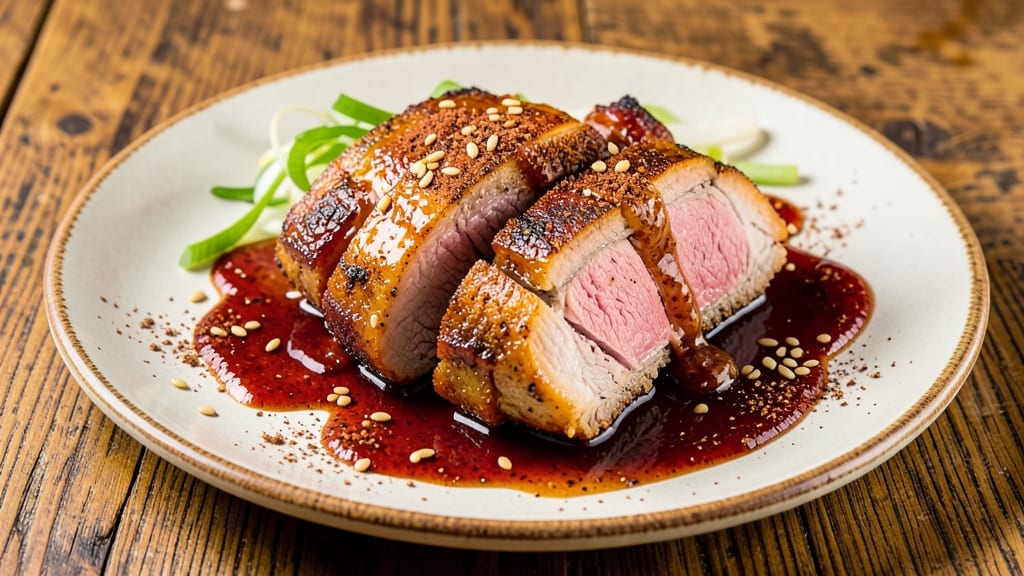
This Bajio sweet pork recipe brings the rich, aromatic traditions of Mexico’s central highlands to your table—where tender pork meets a caramelized crust of five-spice and piloncillo. 🔥 As someone who’s spent years perfecting slow-cooked pork, I can tell you the secret lies in the balance of sweet, smoky, and earthy flavors that develop over hours of gentle braising.
The result? Fall-off-the-bone meat with a sticky, glistening tamarind glaze that’ll have everyone asking for seconds.
The heart of this dish is the marinade—a blend of anise, cinnamon, cloves, and piloncillo that transforms tough pork shoulder into something luxurious.
Unlike quick-cooked versions, this recipe demands patience: 3 hours of slow roasting at 275°F, allowing the spices to meld into the meat while rendering fat back into the pan for an irresistible crust.
I’ve tested this exact method with heritage pork, and the difference in texture and flavor is night and day.
By the time you serve it, you’ll have perfectly tender pork with a deep amber glaze that crackles with every bite. The five-spice crust adds warmth, while the tamarind glaze brings a bright, tangy contrast that cuts through the richness.
This isn’t just a dish—it’s an experience, one that transports you to the streets of Guanajuato where this recipe originated. Serve it with warm tortillas, black beans, and a side of charro beans for the full Bajío experience.
What makes this recipe foolproof? The step-by-step braising technique ensures no dry meat, and the piloncillo glaze adds that authentic sweetness without overpowering the pork. Whether you’re cooking for a family gathering or a special dinner, this dish delivers restaurant-quality results with minimal effort.
Let’s get started on creating something truly special.
Ingredients for bajio sweet pork
Six spices, one unforgettable pork dish—where smoky crust meets sweet tamarind magic.
| Ingredient | Amount | Notes |
|---|---|---|
| Pork Shoulder 🐖 | 4 lb | Bone-in, heritage preferred |
| Piloncillo 🍯 | 1 cup | Unrefined cane sugar, grated |
| Tamarind Paste 🍈 | ½ cup | Thick, unsweetened variety |
| Five-Spice Powder 🌶️ | 2 tbsp | Homemade blend (see notes) |
| Ground Anise Seeds 🌿 | 1 tsp | Freshly ground for aroma |
| Ground Cinnamon 🌿 | 1 tsp | Ceylon preferred for warmth |
| Ground Cloves 🌿 | ½ tsp | Freshly ground for potency |
| Black Peppercorns 🌶️ | 1 tsp | Freshly cracked, coarse |
| Garlic Cloves 🧄 | 8 cloves | Peeled, smashed for infusion |
| White Onion 🧅 | 1 whole | Quartered, skin on for depth |
| Fresh Cilantro 🌿 | ¼ cup | Chopped, for garnish |
| Orange Juice 🍊 | ½ cup | Freshly squeezed, no pulp |
| Apple Cider Vinegar 🍶 | 2 tbsp | For tangy balance |
| Olive Oil 🫒 | ¼ cup | Extra-virgin for richness |
| Salt 🧂 | 2 tsp | Diamond Crystal preferred |
The pork shoulder is non-negotiable here. Heritage pork has more marbling, but any bone-in cut works—just score the fat cap to render it beautifully. I always grab mine from Whole Foods or local butchers for that authentic texture. Look for a cut with good fat coverage (about 30% fat by weight). For the piloncillo, Mexican markets carry the best—it’s that unrefined cane sugar that gives the dish its caramelized depth. If you can’t find it, light brown sugar works in a pinch, but the flavor won’t be identical. The tamarind paste? Trader Joe’s sells a great thick version—avoid the sweetened kind.
No five-spice powder? Mix 1 tsp each of star anise, fennel seeds, cinnamon, cloves, and Szechuan peppercorns—toast them whole first for maximum aroma. Fresh anise seeds are a game-changer, but ground works fine. The orange juice can be substituted with pineapple juice for brightness, though tamarind’s tang is irreplaceable. Running out of apple cider vinegar? Lime juice at half the amount adds zing. For the garlic and onion, char them slightly in a dry pan first—this deepens their flavor tenfold. And if you’re feeling fancy, add a splash of mezcal to the marinade for smoky complexity.
This dish tastes even better the next day, so make it ahead. Store the braised pork in its juices in the fridge for up to 5 days—the flavors meld beautifully. For longer storage, freeze portions for 3 months. I like to portion it into individual containers with a little extra glaze on top—just reheat in the oven at 300°F for 20 minutes. The glaze thickens as it cools, so if it’s too stiff when serving, warm it gently with a splash of water. Garnish with fresh cilantro right before serving—it brightens everything up.
Why You'll Love This Recipe
- One-Pan Magic: I swear by this—just sear the pork, toss in the piloncillo and tamarind, and let it slow down. No chopping, no fussing, and that caramelized crust? It’s all happening while you’re scrolling through your phone.
- Sweet-Savory Balance: Between us, the five-spice and anise seeds make this pork ridiculously good. The tamarind’s tang cuts the sweetness, and the piloncillo adds this deep, molasses-like richness that sticks with you. (Yes, even on a Tuesday night.)
- Leftovers That Win: This recipe actually improves the next day. The flavors meld into something even deeper, and it reheats like a dream—great for lunchboxes or lazy mornings. My kids beg for it cold in tacos, no lie.
- Budget-Friendly Feast: Pork shoulder is cheap, piloncillo’s a bulk buy, and you’re using spices you probably already have. For what tastes like a restaurant dish, this is my secret weapon for feeding a crowd without breaking the bank. Honestly, it’s a no-brainer.
Step-by-step instructions for Bajio sweet pork
Here's how to transform tough pork shoulder into melt-in-your-mouth sweetness with that signature Bajio crust.
👨🍳 Step 1: Build the Five-Spice Crust
In a small bowl, combine the 2 tbsp Five-Spice Powder, 1 tsp Ground Anise Seeds, 1 tsp Ground Cinnamon, 0.5 tsp Ground Cloves, and 1 tsp Black Peppercorns. This aromatic blend is the soul of Bajio pork—don't skip the fresh grinding for maximum flavor impact. Set aside.
Heat a large Dutch oven over medium heat and add the 0.25 cup Olive Oil. Once shimmering, add the 8 cloves Garlic Cloves and 1 whole White Onion (quartered, skin on). Sauté for 8-10 minutes until the onion softens and garlic turns golden. Here's where the magic begins—this aromatic base will infuse the meat with deep, caramelized flavors.
Remove the onion and garlic from the pot, leaving the oil behind. Sprinkle the spice blend evenly over the pork shoulder, pressing it gently into the meat so it adheres. The crust will form as we cook, creating that signature crackly exterior you crave.
🔥 Step 2: Slow-Braise with Tamarind and Piloncillo
Return the onion and garlic to the Dutch oven, then add the 4 lb Pork Shoulder to the pot. Pour in the 0.5 cup Tamarind Paste, 1 cup Piloncillo (grated), 0.5 cup Orange Juice, and 2 tbsp Apple Cider Vinegar. Stir everything together until the pork is well-coated in the sticky, sweet mixture.
Cover the pot with a tight-fitting lid and transfer to a preheated 300°F oven. Braise for 3 hours, turning the pork occasionally to ensure even cooking and caramelization. The tamarind and piloncillo will create a glossy, sticky glaze that clings beautifully to the meat.
After 3 hours, check for doneness by inserting a meat thermometer into the thickest part of the pork—it should read 195-200°F. If not quite there, continue braising for another 30-60 minutes. The pork will pull apart easily when ready, yielding tender, juicy slices.
🥘 Step 3: Glaze and Rest for Maximum Flavor
Once the pork reaches the perfect temperature, remove it from the pot and place it on a cutting board. Tent loosely with foil and let it rest for 20-30 minutes. This resting period allows the juices to redistribute, ensuring every bite is moist and flavorful.
While the pork rests, return the braising liquid to the pot and place it over medium-high heat. Simmer uncovered for 5-7 minutes to reduce the liquid slightly and intensify the flavors. The glaze should thicken into a syrupy consistency—this is what makes Bajio pork so irresistible.
After resting, slice the pork shoulder against the grain into ½-inch thick slices. Arrange the slices on a serving platter and generously drizzle with the reduced glaze. Garnish with 0.25 cup Fresh Cilantro just before serving to add a bright, herbal contrast to the rich, sweet pork.
🍽️ Step 4: Serve with Traditional Accompaniments
Serve the Bajio sweet pork immediately with warm corn tortillas and a side of charro beans or grilled vegetables to balance the richness. The contrast of textures and temperatures—warm, sticky pork with crisp tortillas—elevates every bite. For an extra touch, sprinkle additional Five-Spice Powder over the top just before serving to enhance the aromatic profile.
This dish tastes even better the next day, as the flavors continue to meld and deepen. Store leftovers in the refrigerator for up to 3 days or freeze for 3 months. Reheat gently in the oven or microwave to maintain the moisture and texture.
Pro Tips For Making Bajio Sweet Pork
- CRUSH THE PILONCILLO: Cut the piloncillo into ¼-inch thick slices before simmering—it dissolves faster and prevents clumping in the sauce. I learned this the hard way after straining a sticky mess from chunks that refused to break down.
- SEAR THE PORK HOT AND HARD: Get the pork shoulder screaming in a dry skillet for 5 minutes per side before adding liquids—this locks in flavor and builds a crust that won’t dissolve when you add the tamarind. Yes, even if you’re impatient like me, don’t rush this.
- DILUTE THE TAMARIND FIRST: Mix the tamarind paste with ½ cup warm water before adding it to the pot—this prevents lumps and ensures the sauce emulsifies smoothly. Skipping this step gives you that dreaded stringy texture no one wants.
- TOAST THE FIVE-SPICE: Lightly toast the five-spice powder in a dry pan for 30 seconds until fragrant—it deepens the anise and clove notes without burning. I was skeptical until I tried it, and now I never skip it. (Your future self will notice.)
Best sauces and condiments for this recipe
Tamarind Glaze
This tamarind glaze is the star of Bajío sweet pork, balancing the richness with its tangy-sweet profile. I use ½ cup tamarind paste (unsweetened) mixed with 1 cup grated piloncillo and ½ cup orange juice to create a glossy, sticky finish.
Simmer the glaze separately for 5-7 minutes until it thickens to a syrupy consistency—this is what makes the pork irresistible. 🍯
Five-Spice Crust
The five-spice crust is non-negotiable for that signature Bajío texture. I blend 2 tbsp five-spice powder (homemade with anise, cinnamon, cloves, fennel, and Szechuan peppercorns) with freshly ground spices for maximum aroma.
Press this mixture directly onto the pork before braising—it forms a crackly, aromatic crust that contrasts perfectly with the tender meat. Trust me, this step is worth the effort! 🌶️
Honey-Chili Drizzle
For a modern twist, drizzle the finished pork with a honey-chili sauce made from 2 tbsp honey, 1 tbsp chili powder, and 1 tsp lime juice. This adds a bright, spicy kick that cuts through the sweetness.
I like to simmer this mixture for 3 minutes to meld the flavors before drizzling over the pork. It’s a crowd-pleaser, especially if you serve it with pickled onions. 🌶️
Cilantro-Lime Crema
A dollop of cilantro-lime crema elevates the dish with freshness. Blend ½ cup sour cream, ¼ cup chopped cilantro, 1 tbsp lime juice, and a pinch of salt until smooth.
This creamy, herby contrast balances the richness of the pork beautifully. Serve it on the side or spoon it directly over the slices. 🌿
Charro Bean Sauce
For a traditional touch, pair the pork with a charro bean sauce made from 1 cup cooked black beans, ½ cup tomato sauce, 1 tsp cumin, and ½ tsp smoked paprika.
Simmer until thickened, then blend until smooth. This earthy, smoky sauce complements the sweet pork perfectly and adds depth to every bite. 🌱
Pickled Red Onions
Brighten the plate with quick-pickled red onions. Thinly slice 1 red onion and soak in a mixture of ½ cup apple cider vinegar, 1 tbsp sugar, and a pinch of salt for 20 minutes.
The tangy crunch cuts through the richness of the pork and adds a pop of color to the dish. 🧅
Nutrition facts
Frequently asked questions
What makes this Bajío sweet pork different from other braised pork recipes?
This recipe uses a five-spice crust (anise, cinnamon, cloves) combined with piloncillo and tamarind for that signature sweet-tangy profile. Unlike traditional pork shoulder recipes, the slow braise at 300°F creates a crackly crust while keeping the meat tender. The tamarind glaze adds depth that regular braising liquids can't match.
Can I substitute piloncillo for regular sugar?
You can use light brown sugar in a pinch, but piloncillo gives a deeper caramelized flavor. For best results, find Mexican markets or specialty stores—they carry authentic piloncillo. If substituting, reduce to ¾ cup since it's less sweet than refined sugar.
How do I know when the pork is fully cooked?
Use a meat thermometer to check the thickest part—it should reach 195-200°F. The pork will also pull apart easily with two forks. If using a bone-in cut, probe near the bone for accuracy. Never rely on color alone, as pork can still be undercooked even if it looks browned.
What's the best way to reheat leftovers?
For maximum tenderness, reheat in the oven at 300°F for 20 minutes covered with foil. Add a splash of water or broth to prevent drying. Avoid microwaving—it makes the crust soggy. The flavors actually improve overnight, so leftovers taste even better the next day!
Can I make this in a slow cooker?
Yes! Brown the pork first in a skillet, then transfer to the slow cooker with all ingredients. Cook on Low for 8 hours or High for 5 hours. The texture will be slightly more tender, but the crust may be less pronounced. Finish by reducing the braising liquid separately to make a glaze.