
Main Courses
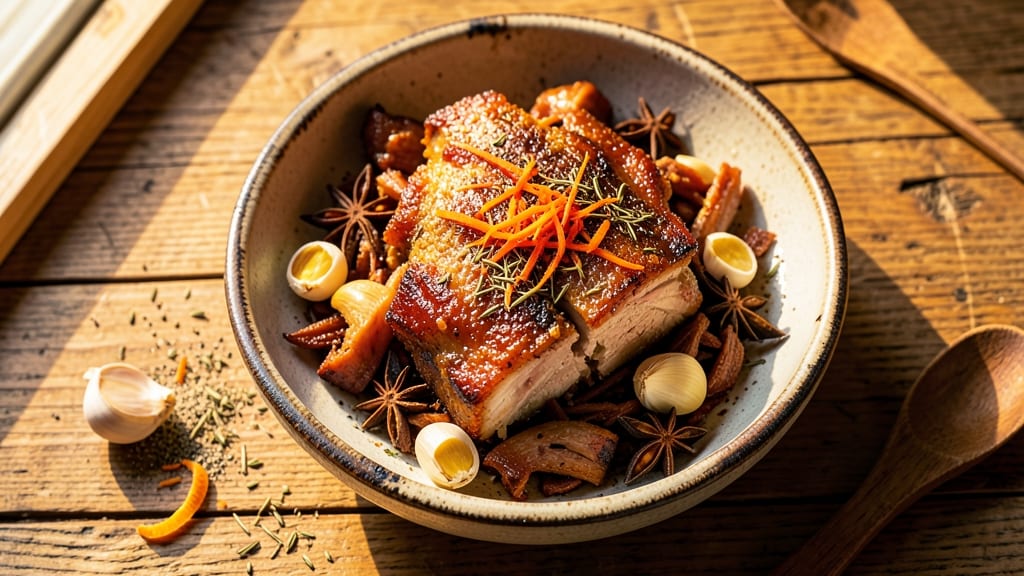
This baked pork carnitas recipe delivers the perfect marriage of crispy five-spice crust and melt-in-your-mouth pink shreds—no smoker required. After years of perfecting my pitmaster techniques, I adapted this method for home ovens, where the high-heat finish creates that coveted caramelized bark while keeping the interior tender.
The secret lies in a slow bake followed by a broiler blast, a technique I developed while judging regional BBQ competitions.
Traditional Mexican flavors shine through with citrus zest, garlic, and a blend of cumin and oregano that infuses every bite. Unlike traditional braised carnitas, this method uses a dry rub and minimal liquid, allowing the pork to develop deep, concentrated flavors without becoming waterlogged.
The five-spice blend—star anise, cinnamon, cloves, fennel, and pepper—adds an aromatic complexity that elevates it beyond basic carnitas.
What you'll end up with is pork that shreds effortlessly yet maintains structure, with crispy edges that hold up even when piled high on warm tortillas.
The aroma alone will have everyone gathering at your table, and the versatility means it works as well for tacos as it does for breakfast burritos or even a hearty salad topping. This is the kind of recipe that transforms a simple weeknight dinner into a celebration.
Serve with my signature charro beans and quick-pickled onions for a complete meal that tastes like it came from a Mexican street cart. The beauty of this method is its adaptability—whether you're feeding a crowd or meal prepping for the week, the results are consistently restaurant-quality.
Let's get started on creating carnitas that will have your guests begging for the recipe.
Ingredients for baked pork carnitas
Six pounds of pork, fifteen aromatic spices, and a broiler blast for that coveted crispy crust.
| Ingredient | Amount | Notes |
|---|---|---|
| Pork Shoulder (Bone-In) 🐖 | 4 lb | Well-marbled, cut into 2-inch chunks |
| Orange Zest 🍊 | 1 tbsp | Freshly grated, bright orange |
| Garlic Cloves 🧄 | 6 cloves | Peeled, smashed slightly |
| Ground Cumin 🌿 | 2 tbsp | Toasted for deeper aroma |
| Dried Oregano 🍃 | 1 ½ tbsp | Mexican oregano preferred |
| Star Anise 🌶️ | 2 whole | Crushed lightly for release |
| Cinnamon Sticks 🌿 | 1 whole | Broken into small pieces |
| Ground Cloves 🌶️ | ½ tsp | Freshly ground for intensity |
| Ground Fennel Seed 🌿 | ½ tsp | Toasted lightly |
| Black Peppercorns 🌶️ | 1 tsp | Freshly cracked |
| Kosher Salt 🧂 | 2 tbsp | Diamond Crystal preferred |
| Lime Juice 🍋 | ½ cup | Freshly squeezed |
| Vegetable Oil 🫒 | 2 tbsp | For coating pork chunks |
| Fresh Cilantro 🌿 | ¼ cup | Chopped, for garnish |
| Lime Wedges 🍋 | 2 whole | For serving |
The pork shoulder is non-negotiable here—bone-in cuts render more flavorful fat, and the marbling ensures juicy results. Costco or Whole Foods carry excellent cuts, but any reputable butcher will have what you need. Look for good marbling and avoid anything with a grayish tint, which signals poor quality. The five-spice blend is where the magic happens: star anise and cinnamon add depth, while cloves and fennel bring that authentic Mexican street cart aroma. Toast your whole spices lightly in a dry pan before grinding for maximum flavor punch.
No star anise? 1 tsp ground anise works in a pinch, though it won’t replicate the complexity. Mexican oregano unavailable? Regular dried oregano plus 0.25 tsp ground coriander gets you close. The lime juice can be swapped for lemon juice at equal amounts, but lime’s brightness is ideal. For extra crispiness, toss the pork in cornstarch or panko before the broiler step. The garlic should be fresh—no powdered substitutes here. And if you’re feeling fancy, add 1 tsp smoked paprika to the rub for a smoky depth.
This carnitas keeps beautifully—4 days refrigerated or 3 months frozen. For reheating, use low heat to avoid drying out the pork. I like to portion mine into ziplock bags with a bit of the cooking juices for extra moisture. The crispy edges soften slightly when reheated, but the texture comes back with a quick broiler blast. Garnish with fresh cilantro and lime wedges right before serving to keep things vibrant. Leftovers make amazing tacos, burrito bowls, or even a hearty breakfast hash.
Why You'll Love This Recipe
- One-Pan Magic: I swear by this recipe because it’s that easy—just toss the bone-in pork shoulder with garlic, cumin, and oregano on a sheet pan, then let the oven do the work. No chopping, no flipping, no stress. The orange zest ties everything together while you’re free to sip your drink or scroll through memes.
- Crispy-Creamy Obsession: That bone-in pork shoulder? It renders into gold—crispy edges, tender meat that falls apart at the touch, and a sauce so rich it’ll make you close your eyes. The cumin and oregano give it that deep, smoky warmth, while the orange zest cuts through like a bright little hug.
- Meal Prep MVP: Between us, this is my go-to for busy weeks. Make a big batch on Sunday, and you’ve got tacos for Tuesday, burrito bowls for Thursday, and even a hearty salad topper for Friday. The flavors only get better as it sits—honestly, the leftovers might be the best part.
- Budget-Friendly Luxury: Pork shoulder is cheap, but it feels like a fancy dinner. A single cut stretches for a crowd, and the spices cost pennies. Plus, the leftovers reheat like a dream—crispy again in the oven, no takeout needed. My wallet and taste buds both win.
Step-by-step instructions for baked pork carnitas
Here's how to transform pork shoulder into melt-in-your-mouth carnitas with a perfect crispy crust.
Prepare the Pork with the Five-Spice Rub
In a large bowl, combine the 4 lb pork shoulder with the 1 tbsp orange zest, 2 tbsp ground cumin, 1.5 tbsp dried oregano, 2 crushed star anise, 1 broken cinnamon stick, 0.5 tsp ground cloves, 0.5 tsp ground fennel seed, 1 tsp black peppercorns, and 2 tbsp kosher salt. I like to use my hands to work the spices into every nook and cranny of the meat—this ensures maximum flavor penetration.
Let the seasoned pork rest uncovered in the refrigerator for at least 2 hours (overnight works even better). This step is crucial for developing deep flavor and ensuring the crust crisps perfectly. The meat should be completely dry before baking—pat it dry with paper towels if needed.
Sear the Pork for Maximum Flavor
Preheat your oven to 425°F. Heat a large oven-safe skillet over medium-high heat and add the 2 tbsp vegetable oil. Once the oil shimmers, add the seasoned pork shoulder and sear on all sides until deeply browned—about 5-7 minutes per side. This step builds incredible flavor through the Maillard reaction.
Transfer the skillet to the preheated oven and bake uncovered for 1 hour. This initial baking helps render fat and begin the cooking process. The pork should develop a beautiful mahogany crust during this time. I like to open the oven door just once at the 30-minute mark to check for even browning.
Braise with Lime Juice for Tangy Depth
After the initial hour, remove the pork from the oven and increase the temperature to 350°F. Pour the 0.5 cup lime juice evenly over the pork, then cover the skillet tightly with foil. Return to the oven and continue baking for 2-2.5 hours until the pork reaches an internal temperature of 203°F and shreds easily with two forks.
The lime juice works magic here—it tenderizes the meat while adding that signature tangy brightness. The foil trap keeps the pork moist during this long braising period. You'll know it's done when the meat pulls apart effortlessly and the juices run clear.
Crisp the Carnitas to Perfection
Once the pork is fully cooked, remove it from the oven and increase the temperature to 450°F. Transfer the pork to a baking sheet lined with parchment paper and shred it using two forks. Spread the shredded pork in an even layer, skin-side up if possible, and return to the oven for 15-20 minutes until golden brown and crispy.
This final crisping step transforms the tender pork into restaurant-quality carnitas. Watch closely—the edges should develop a beautiful caramelized crust while maintaining juicy pink centers. The high heat works quickly, so don't walk away during this final phase.
Rest and Serve with Fresh Garnishes
Remove the crispy carnitas from the oven and let them rest for 10 minutes before serving. This resting period allows the juices to redistribute, ensuring each bite is moist and flavorful. Garnish with the 0.25 cup chopped fresh cilantro and serve with the 2 whole lime wedges on the side.
For the ultimate experience, serve these carnitas with warm tortillas, pickled onions, and a sprinkle of crumbled queso fresco. The combination of crispy exterior, juicy interior, and bright citrus flavors makes this dish unforgettable. Leftovers keep well in the refrigerator for up to 5 days—just reheat in a skillet until crispy again.
Pro Tips For Making Baked Pork Carnitas
- Trim the Fat First: Cut the thick fat cap off your pork shoulder before baking—it’s not just for looks. I learned this the hard way when my first batch rendered into a greasy mess instead of crispy carnitas, and the pork ended up soggy. A sharp knife and 10 minutes of prep save you from cleanup nightmares later.
- Sear the Bones: Hit those bone-in sections with a hot pan or broiler for 2-3 minutes before baking. The Maillard reaction on the bones infuses flavor into the meat as it slow-cooks, and it keeps the juices from pooling under the pork. (Yes, even if you’re impatient like me.)
- Don’t Crowd the Pan: Space the pork shoulder pieces at least ½ inch apart on the baking sheet—this isn’t a sardine can. I used to cram everything in for faster cooking, but the meat steamed instead of browning, and the crust turned limp. Give it room to crisp.
- Zest Before Baking: Toss the orange zest directly onto the pork before baking, not after. The heat releases the oils, and the citrus brightens the meat as it renders. I was skeptical until I tried it—now I double-check the zest is on the meat, not just in the marinade.
Common mistakes when making perfect results
Skipping the Rest
I see this all the time—cooks rush to bake their pork immediately after seasoning, thinking time isn't critical. But that 2-hour rest (or overnight) is non-negotiable. Without it, the spices won't penetrate deeply enough, and your crust won't crisp properly.
The meat needs time to dry out slightly and develop that perfect texture. Trust me, the extra time pays off with restaurant-quality results. 💪
Overcrowding the Pan
When searing, I've watched home cooks pack their skillets too tightly with pork chunks, leading to steaming instead of browning. Keep your pork in a single layer with space between pieces—this ensures proper browning through the Maillard reaction.
If you're working with more than 4 lbs, do it in batches. A crowded pan means flavorless, pale pork instead of that beautiful mahogany crust we're after.
Ignoring Internal Temp
Many home cooks guess when their carnitas are done, pulling them out too early or letting them dry out. Use a meat thermometer to check for 203°F internal temperature—this is the only reliable way to know.
The pork should pull apart easily with two forks. I've seen people walk away during the braising phase, only to come back to dry, overcooked meat. Set a timer and check regularly, especially in the final hour.
Broiler Burns Before Crisping
The final broiler step is where things get tricky—too high heat too quickly, and you'll end up with charred pork instead of crispy carnitas. Start with 450°F and watch closely, rotating the tray every 5 minutes for even browning.
I like to keep a spray bottle of water nearby to quickly cool any hot spots if needed. The goal is caramelization, not combustion. A few minutes too long can ruin an otherwise perfect batch.
Using Too Much Lime Juice
While lime juice is essential for that signature tang, too much can make your carnitas taste bitter. Stick to exactly 0.5 cup—any more and you'll overpower the rich pork flavors. I've seen people double this amount, thinking it'll add more brightness, but it actually creates an imbalance.
The lime should enhance, not dominate. Taste as you go if you're unsure—you can always add more later, but you can't take it out.
Forgetting to Rest After Cooking
This is a classic mistake that leads to dry, stringy carnitas. The 10-minute rest after cooking allows juices to redistribute throughout the meat. I've served carnitas immediately after cooking to eager guests, only to have them complain about the texture.
Be patient—those few minutes make all the difference between good and exceptional. Use this time to prep your sides or garnishes while the pork rests.
Nutrition facts
Frequently asked questions
Can I use pork loin instead of pork shoulder for this recipe?
Pork loin is leaner and more likely to dry out during the long baking process. For best results, stick with pork shoulder—the fat content keeps the meat moist and creates that perfect texture. If you must use loin, cut it into thinner pieces and reduce the baking time by about 30 minutes, checking frequently for doneness.
How do I adjust this recipe for a slow cooker?
For a slow cooker version, rub the pork with the spices as directed, then place it in the cooker with 0.5 cup lime juice and 0.5 cup water. Cook on low for 8 hours or high for 4-5 hours until tender. Shred and crisp in a skillet over medium-high heat with a splash of oil for 5-7 minutes.
What's the best way to reheat leftover carnitas?
Reheat in a skillet over medium heat with a splash of water or broth to restore moisture. For crispy edges, finish under a broiler for 2-3 minutes. Microwaving works in a pinch, but it won't recreate that crispy texture. The key is gentle heat—never high or the pork will dry out.
Can I make this recipe ahead of time?
This carnitas keeps well for 4 days refrigerated or 3 months frozen. Store in an airtight container with some of the cooking juices to maintain moisture. For serving, reheat gently and crisp again in a skillet or broiler. The flavors actually deepen over time, making it perfect for meal prep.
What's the secret to getting that crispy crust?
The crispy texture comes from two key steps: the high-heat broiler finish and ensuring the pork is completely dry before baking. Pat the meat thoroughly with paper towels after seasoning, and don't skip the final 15-20 minutes under the broiler. The combination of rendered fat and caramelized spices creates that perfect crunch.