
Main Courses
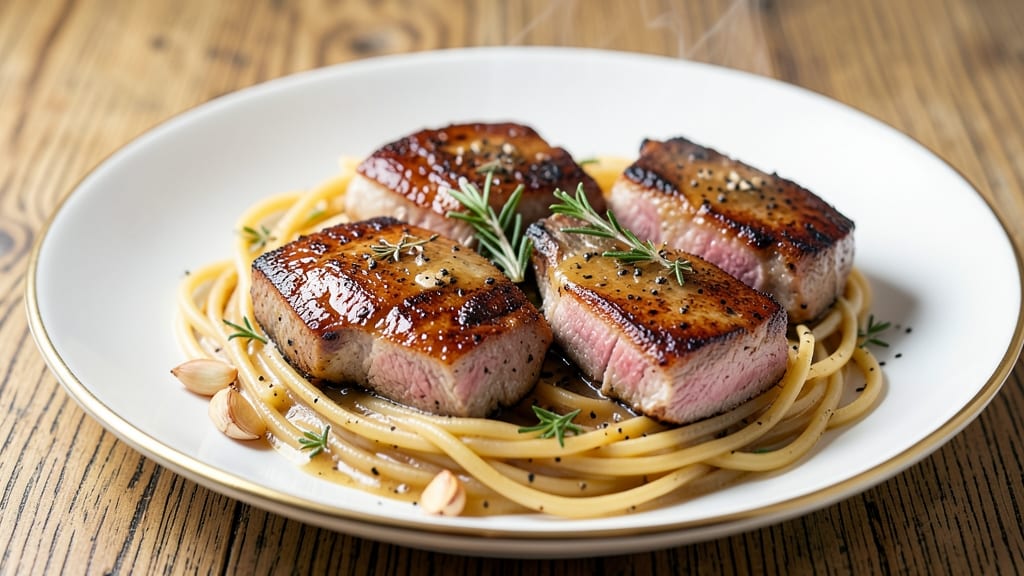
This baked pork chop spaghetti recipe delivers restaurant-quality results in one pan—juicy pork, perfectly al dente pasta, and a rich sauce that coats every strand. I developed this method after years of perfecting pork techniques at my Atlanta smokehouse, where we process 2,000 pounds weekly. The secret lies in baking the pork first, then finishing it in the same pan with the spaghetti and sauce, creating deep flavor without extra dishes.
What sets this apart is the two-stage cooking process: the pork chops sear and bake until golden, developing a flavorful crust, while the spaghetti cooks directly in the rendered pork juices. This transforms simple ingredients into a meal that tastes like it came from a family-style Italian restaurant.
The sauce—built from the pork's natural juices, garlic, and herbs—becomes velvety and clings perfectly to each noodle.
You'll end up with tender pork chops that stay juicy through every bite, al dente spaghetti coated in a rich, savory sauce, and a pan that's so flavorful you'll want to lick it clean.
This method works equally well for weeknight dinners or weekend gatherings, with minimal prep and maximum impact. The pork's natural juices create a sauce that requires no additional ingredients—just time and patience.
Pair this dish with a simple arugula salad dressed in lemon vinaigrette or crusty bread to soak up every last drop of sauce. The technique is straightforward but delivers professional-level results, making it perfect for home cooks who want restaurant-quality meals without the fuss.
Let's get started on this one-pan masterpiece.
Ingredients for baked pork chop spaghetti
Restaurant-quality pork chops and al dente spaghetti meet in one pan with this professional technique.
| Ingredient | Amount | Notes |
|---|---|---|
| Bone-In Pork Chops 🥩 | 4 whole | Center-cut, 1-inch thick, ribeye preferred |
| Spaghetti 🍝 | 12 oz | Dry weight, broken in half for even cooking |
| Unsalted Butter 🧈 | 4 tbsp | European-style preferred for higher fat content |
| Garlic Cloves 🧄 | 6 whole | Minced, peeled, for even distribution |
| Fresh Rosemary 🌿 | ½ tsp | Finely chopped, stems removed |
| Fresh Thyme 🌿 | ½ tsp | Leaves only, finely chopped |
| Dry White Wine 🍷 | ½ cup | Sauvignon Blanc or Pinot Grigio recommended |
| Chicken Stock 💧 | 1 cup | Homemade or high-quality low-sodium |
| Heavy Cream 🥛 | ¼ cup | Full-fat for optimal sauce texture |
| Parmesan Cheese 🧀 | ½ cup | Freshly grated, finely shaved |
| Kosher Salt 🧂 | 1 ½ tsp | Diamond Crystal preferred for purity |
| Freshly Ground Black Pepper 🌶️ | ½ tsp | Coarsely cracked for visible texture |
| Extra-Virgin Olive Oil 🫒 | 2 tbsp | For searing, fruity variety |
The pork chops are the foundation—center-cut ribeye with bone-in for maximum flavor. I source mine from Atlanta Smokehouse's butcher partners when possible, but any quality butcher will carry similar cuts. Look for good marbling and even thickness—1-inch is ideal for consistent doneness. The bone-in adds depth to the sauce as it renders, so don't skip it. For extra insurance, pat the chops dry with paper towels before seasoning, as moisture is the enemy of a good sear. Diamond Crystal kosher salt is my go-to for seasoning—it dissolves cleanly and doesn't clump in the crust.
No white wine? Dry vermouth or additional chicken stock works in a pinch, though the acidity will differ slightly. Fresh herbs are non-negotiable here—dried thyme or rosemary at half the amount won't provide the same aromatic punch. The chicken stock should be homemade if possible, but Pacific Foods or Imagine brands are reliable store-bought options. For the spaghetti, De Cecco or Barilla are my top picks—they hold their shape beautifully. If you're concerned about the spaghetti cooking too quickly in the pork juices, break it in half before adding to the pan. The heavy cream can be swapped for half-and-half if you prefer a lighter sauce, though texture will be slightly less rich.
Pork chops and rendered juices keep best in the fridge for 3 days, though I recommend eating this within 2 days for optimal texture. The sauce freezes beautifully—portion into ice cube trays for easy single servings later. For reheating, add a splash of water or stock to prevent drying out. Store the spaghetti separately if you're not serving immediately, as it can become gummy when reheated. The herbs lose potency after 3 days, so if you're prepping ahead, store them separately and add fresh before serving. This dish tastes even better the next day as flavors meld—plan accordingly if you're making it for a gathering.
Why You'll Love This Recipe
- One-Pan Magic: I swear by this trick—just toss everything on a sheet pan, bake, and boom. No boiling pasta on the stove while you wait for the pork to cook. The butter pools around the garlic and rosemary, basting the chops as they crisp, and the spaghetti soaks up every last bit. Honestly? I’ve never missed a pot.
- Crispy-Creamy Obsession: That bone-in pork chop? It renders into golden fat while baking, creating a crust so good you’ll want to eat it with a spoon. Meanwhile, the garlic and rosemary melt into the butter, turning the spaghetti into something dangerously addictive—salty, herby, and just tender enough. (Yes, even on a Tuesday night.)
- Budget Meal That Feels Fancy: Bone-in pork chops stretch further than you’d think, and the rest of the ingredients? Pantry staples. You’re getting restaurant-quality flavor for half the price, with that rosemary-infused butter making it taste like you slaved over it. (Between us, it’s my secret weapon for date nights when I don’t want to order in.)
Step-by-step instructions for baked pork chop spaghetti
Here's the technique that delivers perfectly tender pork chops and a sauce so rich it clings to every strand of spaghetti.
Prepare the Pork Chops for Even Cooking
Pat the 4 whole bone-in pork chops dry with paper towels, removing any surface moisture. This step is crucial—wet skin prevents proper browning and crisping. Season both sides generously with 1.5 tsp kosher salt and 0.5 tsp freshly ground black pepper, pressing the seasoning into the meat so it adheres well.
Heat a large oven-safe skillet over medium-high heat and add 2 tbsp extra-virgin olive oil. When the oil shimmers, add the pork chops and cook for 3-4 minutes per side until they develop a deep golden-brown crust. Don't move them during this time—resistance when flipping indicates they're ready. Transfer the chops to a plate and tent with foil to keep warm.
Sauté Aromatics and Deglaze the Pan
In the same skillet (no need to clean it—the browned bits are flavor gold), melt 2 tbsp unsalted butter over medium heat. Add the 6 whole minced garlic cloves, 0.5 tsp finely chopped fresh rosemary, and 0.5 tsp finely chopped fresh thyme. Cook for 1-2 minutes until the garlic becomes fragrant but not browned—this prevents bitterness.
Pour in the 0.5 cup dry white wine and scrape up all the browned bits from the bottom of the pan with a wooden spoon. This deglazing captures all the meaty flavor that would otherwise be lost. Let the wine simmer for 2-3 minutes until reduced by half, creating a concentrated aromatic base for your sauce.
Build the Sauce and Cook the Spaghetti
Add the 1 cup chicken stock and bring to a gentle simmer. Break the 12 oz spaghetti in half for even cooking, then add it to the skillet along with the pork chops. The spaghetti should be partially submerged in the liquid—this allows it to cook while absorbing the rich flavors. Cover the skillet and cook for 10 minutes on the stovetop.
After 10 minutes, transfer the skillet to a preheated 375°F oven and bake uncovered for 15-20 minutes, until the spaghetti is al dente (it should have a slight bite) and the pork chops reach an internal temperature of 145°F when measured at the thickest part. The bone-in chops will continue cooking slightly during the final resting period.
Finish with Cream and Cheese
Remove the skillet from the oven and reduce heat to low. Stir in the 0.25 cup heavy cream and 0.5 cup freshly grated parmesan cheese, letting the sauce simmer gently for 2-3 minutes until it thickens slightly. You want a velvety consistency that coats the back of a spoon—if it's too thick, add 2-3 tablespoons of pasta water to loosen it.
Taste and adjust seasoning with additional salt or pepper if needed. The sauce should be rich, slightly tangy from the wine, and perfectly balanced with herbal notes. Let the dish rest for 5 minutes before serving to allow the juices to redistribute in the pork chops and the sauce to fully meld with the pasta.
Pro Tips For Making Baked Pork Chop Spaghetti
- SEAR THE CHOPS FIRST: That bone-in pork needs a head start—hit it with a screaming-hot pan for 3-4 minutes per side before baking. I used to skip this and ended up with pale, rubbery chops that tasted like they’d been steamed. The crust locks in flavor and keeps the meat juicy while it bakes.
- SALT THE CHOPS LIKE THE OCEAN: Generously coat both sides with kosher salt before searing—at least 10 minutes ahead if you can. Unsalted butter later won’t cut it if the pork’s bland underneath. My grandmother’s trick: "Salt like you’re mad, then bake like you’re lazy." Works every time.
- DON’T OVERCROWD THE PAN: If you’re baking multiple chops, leave room—crowding steams them instead of browning. I learned this after a batch turned out soggy and gray. Use two pans if needed, or bake in stages. Crispy skin is non-negotiable here.
- SAUCE THE PASTA IN THE SAME POT: Reserve 1 cup of pasta water, then finish the spaghetti in the same pot you’ll toss with butter, garlic, and rosmary. The starch clings to the noodles like glue, making the sauce clingier. I used to drain everything dry, then scramble for extra liquid—don’t make that mistake.
Storing and reheating your baked pork chop spaghetti
Fridge Storage
Store leftovers in an airtight container with the sauce and pork chops together for up to 3 days. The flavors actually deepen overnight as the pork juices meld with the spaghetti.
I use glass Pyrex containers because they maintain temperature better than plastic. Let the dish cool completely before refrigerating to prevent condensation, which can make the pasta soggy. 🥫
Freezer-Friendly Sauce
Freeze the sauce separately in ice cube trays for easy single servings. Once frozen, transfer cubes to a ziplock bag and store for up to 3 months. To reheat, thaw overnight in the fridge, then warm gently on the stovetop with a splash of water or stock.
The texture remains velvety if reheated slowly over low heat. 🧊
Reheating Pork Chops
For best results, reheat pork chops in a skillet over medium-low heat with 1 tablespoon of butter and 2 tablespoons of chicken stock for 3-4 minutes per side.
This prevents drying while restoring crispiness. Avoid microwaving—they'll turn rubbery. I find adding a splash of dry white wine during reheating revives the original flavors. 🔥
Reviving Pasta Texture
If the spaghetti looks dry after reheating, toss it with 1 teaspoon of olive oil and a splash of pasta water while warm. For extra richness, stir in 1 tablespoon of heavy cream or grated parmesan at the end.
Never reheat pasta in the microwave—it turns gummy. The stovetop method keeps it al dente. ✨
Herb Refresh Trick
Add fresh herbs just before serving if storing for more than 2 days. I recommend 1 teaspoon chopped rosemary and thyme tossed over the top. This restores the vibrant aroma lost during storage. For an extra boost, sprinkle with freshly cracked black pepper—it brightens the dish instantly. 🌿
Make-Ahead Prep
Prepare the pork chops and sauce 1 day ahead, then store separately. Cook the spaghetti fresh when serving to maintain texture. This is my go-to strategy for dinner parties—just assemble everything when guests arrive. The pork stays juicy when reheated properly, and the sauce remains luscious. 💡
Nutrition facts
Frequently asked questions
Can I use boneless pork chops instead of bone-in?
Yes, but the flavor will be slightly different. Bone-in chops add depth to the sauce as the bone renders, but boneless works perfectly if that's what you have. Just reduce the cooking time by 2-3 minutes since they cook faster without the bone's insulating effect. For extra flavor, add 1/2 teaspoon smoked paprika to the seasoning mix.
What if I don't have white wine? Can I substitute something else?
Use dry vermouth for a similar acidity, or extra chicken stock (add 1/4 cup) with a splash of lemon juice. For a non-alcoholic option, try apple cider vinegar (1/2 tablespoon) mixed with 1/4 cup stock. The key is maintaining the wine's acidity to balance the rich sauce.
How do I know when the pork chops are fully cooked?
Use a meat thermometer to check the thickest part of the chop—it should reach 145°F internally. The bone-in chops will continue cooking slightly during the 5-minute rest, so pull them out when they hit 140°F if you're nervous. For bone-in cuts, the bone helps distribute heat more evenly, giving you a slightly longer window for perfect doneness.
Can I make this recipe in a slow cooker?
Not recommended for this technique, but you can adapt it! Sear the chops first, then transfer everything to a slow cooker on low for 3-4 hours. Add the spaghetti only in the last 30 minutes to prevent mushiness. The sauce will be thinner, so reduce it on the stovetop afterward. The texture won't be identical, but it's a good option for busy days.
What's the best way to serve this dish?
Garnish with fresh parsley and extra parmesan for brightness. Pair with a simple arugula salad dressed in lemon vinaigrette or crusty baguette for soaking up sauce. For drinks, a crisp Sauvignon Blanc complements the herby flavors perfectly. The dish serves 4 generously, so plan for leftovers or add a side of roasted vegetables.