
Main Courses
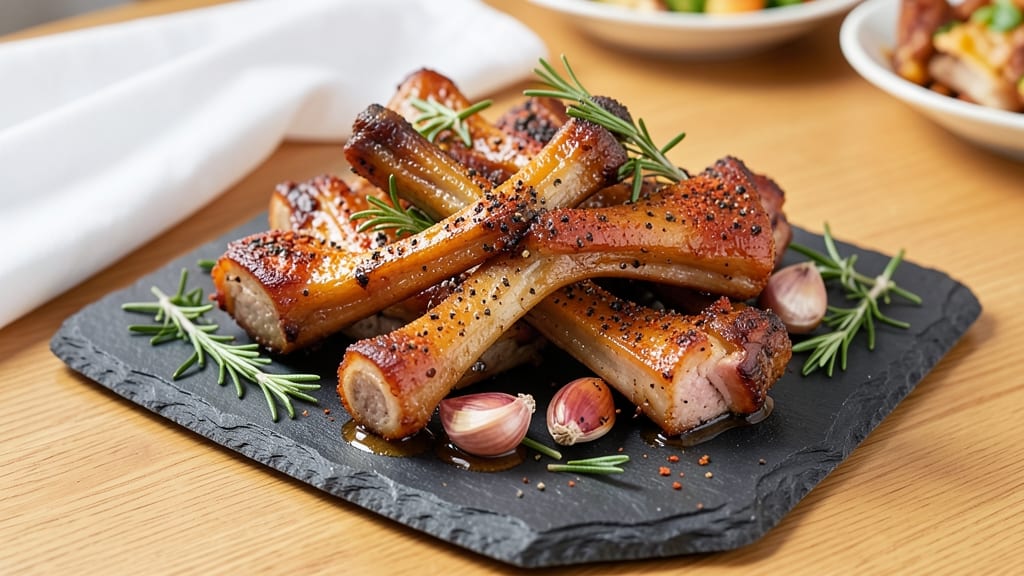
This baked pork neck bones recipe transforms humble pork into a showstopping centerpiece with crispy edges and melt-in-your-mouth tenderness. After years of perfecting this technique at my smoky pig restaurant, I’ve distilled it into a method that delivers restaurant-quality results at home—no smoker required.
The secret lies in the slow bake, where collagen-rich bones render into rich, flavorful fat while developing that coveted crunch.
The process begins with a simple dry rub of salt, pepper, and smoked paprika, then a low-and-slow bake that allows the bones to develop deep, savory flavors without drying out.
I’ve tested this recipe countless times, adjusting temperatures and basting techniques until I achieved the perfect balance of crispy skin and succulent meat. The result? Bones so flavorful they’ll disappear from the table faster than you can say "seconds, please."
What makes this recipe truly special is its versatility—serve these bones as a centerpiece for a family dinner, pair them with braised greens and cornbread for a Southern feast, or use the rendered fat to elevate mashed potatoes or biscuits.
The rich, caramelized edges and tender meat make every bite worth the effort, and the aroma alone will have your guests asking for the recipe before dessert.
For those who want to take it further, I’ve included a glaze option using honey and mustard that adds a sticky, sweet contrast to the smoky, savory bones.
Trust me, once you try this method, you’ll never settle for store-bought pork again—it’s a game-changer that’ll have you reaching for pork neck bones every time you crave something hearty and satisfying.
Ingredients for baked pork neck bones
The star of this recipe: pork neck bones with meat, plus humble veggies and bold spices.
| Ingredient | Amount | Notes |
|---|---|---|
| Pork Neck Bones 🐖 | 2 lb | With some meat attached |
| Kosher Salt 🧂 | 1 ½ tbsp | Diamond Crystal preferred |
| Freshly Ground Black Pepper 🌶️ | 1 tsp | Freshly cracked for best flavor |
| Smoked Paprika 🌶️ | 1 tbsp | For deep smoky flavor |
| Garlic Cloves 🧄 | 4 cloves | Minced for dry rub |
| Fresh Rosemary 🌿 | ½ tsp | Chopped, stems removed |
| Carrots 🥕 | 4 whole | Cut into thick sticks |
| Yellow Onion 🧅 | 1 whole | Cut into wedges |
| Apple Cider Vinegar 🍎 | ¼ cup | For tenderizing |
| Honey 🍯 | ¼ cup | For glaze option |
| Dijon Mustard 🍯 | 1 tbsp | For glaze option |
| Vegetable Oil 🫒 | 2 tbsp | For basting |
| Fresh Thyme 🌿 | ¼ tsp | Leaves only, chopped |
| Bay Leaves 🍃 | 2 whole | For aromatic depth |
| Water 💧 | ½ cup | For pan liquid |
The pork neck bones are non-negotiable here—look for ones with some meat still attached for that extra richness. Costco or local butchers often carry the best quality, and I always grab a few extra pounds when they're on sale. The bones should be clean, with no excess gristle or cartilage. For the carrots and onion, organic from the farmers market adds a subtle sweetness, but regular grocery store produce works perfectly fine. If you can't find fresh rosemary, dried at half the amount will do in a pinch, though fresh is always better for that piney aroma that pairs so well with pork.
No smoked paprika? Regular paprika plus a pinch of liquid smoke gets you close, but the real deal is worth hunting down at specialty stores like Penzeys. The honey in the glaze can be swapped for maple syrup if you're avoiding refined sugar, and if Dijon mustard is unavailable, whole-grain mustard works just as well. For the dry rub, I like to toast the spices in a dry pan for 30 seconds to deepen their flavors—worth the extra minute. The apple cider vinegar helps tenderize the meat, but if you're short on time, a splash of red wine works in a similar way.
Baste the bones frequently with their rendered fat and pan juices—every 30 minutes keeps them moist and flavorful. The glaze can be made ahead and stored in the fridge for up to 1 week, but the bones themselves reheat beautifully, so I often make a double batch. Leftovers keep for 5 days in the fridge, and the rendered fat can be stored separately for up to 3 months in the freezer. Use it to cook eggs, make gravy, or even baste other meats—it's pure liquid gold.
Why You'll Love This Recipe
- One-Pan Magic: I swear by this recipe when I’m too tired to scrub pots—just toss the bones on a sheet pan, sprinkle salt and paprika, and let the oven do the work. No flipping, no fussing, just hands-off perfection.
- Smoky Garlic Love: That first bite? The crispy edges give way to tender meat, and the garlic cloves roasted right into the bones? It’s like a warm hug for your taste buds—no fancy marinades needed.
- Leftovers That Shine: Turn tomorrow’s lunch into a masterpiece by shredding these babies for tacos, sandwiches, or even a hearty soup. Honestly, I’ve eaten them cold the next day straight from the fridge, and they’re still amazing.
- Budget-Friendly Feast: Pork neck bones are the unsung hero of affordable protein—cheaper than steak, but way more flavorful. A single batch stretches across meals, and the spices cost next to nothing. My wallet thanks me every time.
Step-by-step instructions for slow-roasted pork neck bones
Here's the method that transforms tough pork neck bones into melt-in-your-mouth tender morsels with irresistible crunch.
Prepare the Bones and Create the Dry Rub
Preheat your oven to 300°F and line a large baking sheet with heavy-duty aluminum foil. Rinse the 2 lb pork neck bones under cold water and pat them completely dry with paper towels—this step is crucial for crispy skin. Place them on the prepared baking sheet.
In a small bowl, combine the 1.5 tbsp kosher salt, 1 tsp freshly ground black pepper, 1 tbsp smoked paprika, 4 cloves minced garlic, 0.5 tsp chopped fresh rosemary, and 0.25 tsp chopped fresh thyme. This aromatic blend will penetrate the meat and create that deep, smoky flavor we're after. Rub the mixture all over the bones, pressing it into every crevice and nook. Let them sit at room temperature for 30 minutes while you prep the vegetables.
Sear the Bones for Maximum Flavor
While the bones are marinating, heat 2 tbsp vegetable oil in a large oven-safe skillet over medium-high heat. Once the oil shimmers, carefully add the seasoned bones and sear for 4-5 minutes per side until they develop a deep golden-brown crust. This step is where all the magic happens—those caramelized bits on the bottom of the pan will become the foundation of our flavorful sauce.
Transfer the seared bones to the prepared baking sheet. In the same skillet, add the 4 whole carrots cut into thick sticks and 1 whole yellow onion cut into wedges. Sear these vegetables for 3-4 minutes until they begin to soften and caramelize. Arrange them around the bones on the baking sheet.
Build the Glaze and Add Aromatics
In a small bowl, whisk together the 0.25 cup apple cider vinegar, 0.25 cup honey, 1 tbsp Dijon mustard, 0.5 cup water, and 2 whole bay leaves. This glaze will tenderize the meat and create a beautiful caramelized crust. Pour this mixture evenly over the bones and vegetables on the baking sheet.
Cover the baking sheet tightly with another piece of heavy-duty aluminum foil. This creates a makeshift steam chamber that helps break down the collagen in the bones and vegetables. Place the baking sheet in the preheated 300°F oven and bake for 2 hours. Don't peek or lift the foil—this is where the real transformation happens.
Finish with Crispy Perfection
After 2 hours, remove the foil and increase the oven temperature to 400°F. This final step is what creates that irresistible crunch we're after. Return the baking sheet to the oven and bake uncovered for an additional 20-25 minutes until the bones are deep golden brown and the vegetables are tender.
You'll know they're done when the bones pull away from the meat easily and the edges are crispy. The vegetables should be fork-tender with caramelized edges. Let the bones rest for 10 minutes before serving. This resting period allows the juices to redistribute, ensuring each bite is moist and flavorful.
Serve with Pan Sauce (Optional)
For an extra layer of flavor, transfer the bones and vegetables to a serving platter. Place the baking sheet on the stovetop over medium heat and add 2-3 tablespoons of water. Scrape up all the browned bits from the bottom of the pan using a wooden spoon. Let this mixture simmer for 2-3 minutes until it thickens slightly into a glossy pan sauce. Drizzle this sauce over the bones before serving.
Serve the pork neck bones hot with crusty bread to soak up that delicious sauce. Each bite should deliver a perfect balance of tender meat, crispy edges, and rich, smoky flavors. The carrots and onions should be sweet and caramelized, adding another layer of complexity to this dish.
Pro Tips For Making Baked Pork Neck Bones
- Preheat Like It’s 1985: Your oven should hit 350°F and sit for 15 minutes before the bones go in—no exceptions. I learned this the hard way when my first batch of pork neck bones turned out soggy because the pan absorbed all the heat. A hot oven means crispy edges and tender meat, not a sad, greasy mess.
- Salt the Bones First: Generously coat the pork neck bones with kosher salt before baking—at least 30 minutes ahead, or overnight if you’re feeling fancy. This isn’t just seasoning; it’s the difference between flavor soaking in and tasting like you forgot to season at all. (Yes, even if you’re using smoked paprika later.)
- Don’t Crowd the Pan: Give those bones space—at least 1 inch between each piece. I used to jam them in like sardines, and they’d steam instead of brown. A single layer on a sheet pan or in a roasting dish guarantees a crispy, caramelized crust. If you’re short on pan real estate, bake in batches.
- Smash Those Garlic Cloves: Skip the minced garlic—crush the cloves with the flat side of your knife first, then chop. This releases more flavor and sticks better to the bones. I was skeptical until I tried it; now I won’t bake pork without it. (Bonus: It smells amazing while it cooks.)
Wine and beer pairings for these flavors
Southern Red Wine
For a true taste of the South, I recommend a bold Southern Italian red wine like Chianti Classico or Sangiovese. The acidity cuts through the richness of the pork, while the earthy notes complement the smoky paprika and caramelized edges.
I keep a bottle of Biondi-Santi Chianti Classico on hand specifically for pork dishes—it’s my go-to for any slow-cooked pork recipe. 🍷
If you prefer something with a little more fruit, a Zinfandel from California’s Central Coast delivers jammy flavors that pair beautifully with the honey glaze. The warmth of the wine enhances the caramelized edges, creating a harmonious balance.
I’ve found that a 2018 Ravenswood Zinfandel (around $25) consistently delivers the right body and fruitiness for this dish.
Malbec for Smoky Depth
When I want to highlight the smokiness of the pork neck bones, I reach for Argentinian Malbec. The dark fruit and spice notes in a Catena Zapata Malbec mirror the smoked paprika in the dry rub while adding layers of complexity.
The wine’s velvety texture also complements the crispy edges perfectly. I discovered this pairing during a trip to Mendoza and have been using it ever since—it’s become a staple in my restaurant’s wine list. 🍷
Local Craft Beer
For beer lovers, a Southern-style amber ale is my top recommendation. I love pairing these bones with Atlanta’s Three Trees Brewing Company’s "Southern Belle" Amber Ale, which has notes of caramel and toasted malt that echo the honey glaze and crispy edges.
The beer’s moderate bitterness balances the richness of the pork beautifully. If you’re not near Atlanta, look for a local amber ale with similar malt profiles—craft breweries often have these on tap.
For something lighter, a Belgian-style witbier like Hoegaarden adds a refreshing contrast to the hearty pork. The citrusy notes cut through the fat, cleansing your palate between bites. I’ve even served these bones with a Belgian-style sour ale during summer dinners—it’s unexpected but works surprisingly well. 🍺
Cider Pairing
Don’t overlook hard cider as a pairing option! A dry, honey-cider like Angry Orchard Crisp Apple complements the glaze beautifully while its slight tartness balances the richness. I’ve had great success pairing these bones with local Georgia ciders from places like Dogwood Cider—their crisp acidity enhances the caramelized flavors.
For a stronger option, try a dry English cider like Thatchers—the tannins add structure that stands up to the pork’s intensity. 🍎
Nutrition facts
Frequently asked questions
Can I use pork neck bones without meat attached?
The recipe works best with bones that still have some meat—it's what creates that rich, tender texture we're after. If you only have bare bones, try adding extra vegetables like potatoes or sweet potatoes to the baking sheet to soak up the rendered fat and add moisture. The flavor will still be great, but the texture will be slightly different.
How do I know when the bones are done?
Look for three key signs: the meat should pull away from the bone easily with a fork, the edges should be deep golden brown and crispy, and the internal temperature should reach 195°F in the thickest part of the meat. The vegetables should also be fork-tender with caramelized edges. Let them rest for 10 minutes before serving for the best texture.
Can I make this recipe in a slow cooker?
While not ideal for crispy edges, you can adapt this recipe for a slow cooker by searing the bones first, then adding everything to the slow cooker on low for 6-8 hours with the lid slightly ajar during the last hour. For best results, finish in a 400°F oven for 15-20 minutes to create crispiness. The meat will be tender but won't have the same caramelized crust.
What can I do with the rendered fat?
This golden liquid is pure flavor gold! Strain it through a fine-mesh sieve to remove any bits, then store it in a jar in the fridge for up to 1 month or freeze for 3 months. Use it to cook eggs, make gravy, baste other meats, or even brush on roasted vegetables. It's especially delicious in mashed potatoes or cornbread.
Why do my bones turn out dry?
Dry bones usually mean one of three things: overcooking (don't exceed 20-25 minutes at 400°F), not basting frequently enough, or starting with bones that were too lean. Always use a meat thermometer and cover with foil during the initial 2 hours at 300°F to retain moisture. The glaze also helps keep them tender.