
Main Courses
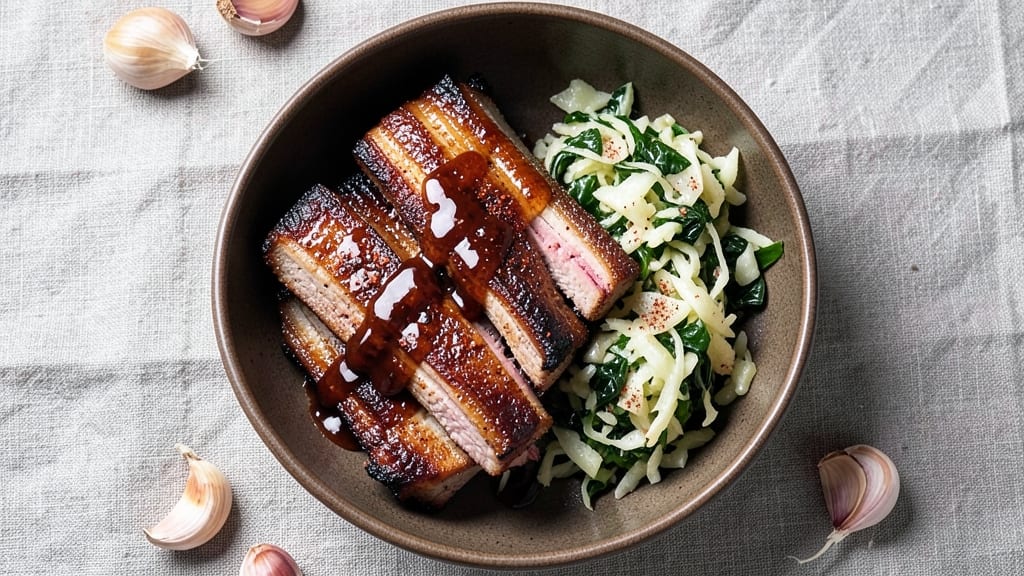
This baked pork ribs and sauerkraut recipe delivers the perfect balance of crispy bark and tangy fermented flavors that transform a simple weeknight dinner into a showstopper.
I developed this method after years of perfecting rib techniques at The Smoky Pig, where we cook 2,000 pounds of pork weekly—now you can achieve that same restaurant-quality result at home with minimal effort.
The secret lies in the marinade—a blend of apple cider vinegar, brown sugar, and smoked paprika—that tenderizes the meat while creating that coveted caramelized crust. Meanwhile, the sauerkraut gets gently heated with caraway seeds and onions, preserving its natural tang while adding depth.
This dish is foolproof for beginners but packed with professional techniques that elevate it beyond basic baking.
By the time these ribs emerge from the oven, you'll have golden, crackling edges that give way to tender meat inside, paired with sauerkraut that's warm, aromatic, and perfectly balanced.
The contrast of crispy pork and tangy fermented cabbage makes every bite unforgettable—ideal for a hearty Sunday supper or a special occasion dinner.
Serve with a side of crusty bread to soak up the juices and a dollop of mustard for extra tang. This recipe scales beautifully for gatherings, and leftovers reheat just as well the next day. Let's get cooking—your taste buds will thank you.
Ingredients for baked pork ribs and sauerkraut
Pantry staples meet restaurant-quality ribs—just 13 ingredients for crispy bark and tangy perfection.
| Ingredient | Amount | Notes |
|---|---|---|
| Pork Ribs 🍖 | 2 ½ lb | Baby back ribs, membrane removed |
| Apple Cider Vinegar 🍎 | ½ cup | For marinade and tang |
| Brown Sugar 🍚 | ¼ cup | Packed, light brown variety |
| Smoked Paprika 🌶️ | 2 tbsp | For deep smoky flavor |
| Garlic Cloves 🧄 | 6 cloves | Minced for marinade |
| Sauerkraut 🥬 | 1 ½ cups | Unopened jar, drained |
| Yellow Onion 🧅 | 1 whole | Diced, for sauerkraut |
| Caraway Seeds 🌾 | 1 tsp | Toasted for aroma |
| Olive Oil 🫒 | 2 tbsp | Extra-virgin for richness |
| Dijon Mustard 🍯 | 1 tbsp | For marinade depth |
| Salt 🧂 | 1 ½ tsp | Kosher or sea salt |
| Black Pepper 🌶️ | ½ tsp | Freshly cracked |
| Crusty Bread 🍞 | 1 loaf | For serving, optional |
The ribs should be baby back—they're leaner and cook more evenly than spare ribs. Costco or Whole Foods carry the best quality, but any grocery store's meat department will have them. Look for good marbling and bright red color—this means freshness. The membrane on the ribs needs to be removed before marinating; it's that thin, silvery layer on the bone side. Slide your finger under it and peel it off. Trust me, it makes all the difference for crispy bark. For the sauerkraut, grab a jar that's been fermenting for at least 3 months—you'll know it's good if it's bubbly and smells tangy.
No apple cider vinegar? White vinegar or lemon juice works in a pinch, though the flavor won't be identical. The brown sugar can be swapped for maple syrup or coconut sugar, but it'll be slightly less caramelized. Caraway seeds hard to find? Celery seeds at half the amount give a similar earthy note. For the bread, any crusty loaf will do—sourdough or a good baguette from the bakery section. If you're feeling fancy, toast it before serving to make it extra crispy. The Dijon mustard adds depth, but if you've only got regular yellow mustard, reduce it to 1 tsp—it's stronger.
Marinate the ribs overnight for maximum tenderness, but if you're short on time, 2 hours minimum still works wonders. The sauerkraut can be prepped ahead and reheated gently in the oven with the ribs. Store leftovers in an airtight container for 3-4 days—they reheat beautifully. For a special touch, brush the ribs with a little extra marinade before baking. The bread? Keep it wrapped in a paper bag at room temperature for up to 5 days, or freeze for 3 months if you're prepping for a crowd.
Why You'll Love This Recipe
- One-Pan Magic: I swear by this—just ribs, sauerkraut, and a quick glaze of vinegar, brown sugar, and paprika. Toss everything on a sheet pan, bake, and walk away. The tangy-sweet aroma alone makes my kitchen feel like a restaurant.
- Crispy-Tender Payoff: That brown sugar glaze caramelizes into a sticky crust while the ribs stay juicy inside. Honestly, the first bite is always a surprise—smoky, slightly sweet, with that tangy sauerkraut cutting through like a cool sip of lemonade.
- Weeknight Crowd Pleaser: Between us, this feeds six but costs less than takeout. My roommates fight over leftovers, and my picky-eating partner actually asks for seconds. (Yes, even on a Tuesday night.)
- Leftovers That Don’t Suck: The ribs stay tender for days, and the sauerkraut’s acidity keeps them from drying out. I pack these for lunches—no sad, rubbery meat here. Just reheat, and it’s like dinner all over again. My secret weapon for lazy afternoons.
Step-by-step instructions for baked pork ribs and sauerkraut
Here's how to achieve that perfect balance of crispy bark and tangy fermented goodness.
Prepare the Ribs with a Flavor-Packed Marinade
In a large bowl, combine the 0.5 cup apple cider vinegar, 0.25 cup packed brown sugar, 2 tbsp smoked paprika, 1 tbsp Dijon mustard, 1.5 tsp salt, and 0.5 tsp black pepper. Whisk until the brown sugar dissolves completely, creating a thick, aromatic marinade. This sweet-savory blend will penetrate the ribs and develop that signature crispy bark we're after.
Add the 2.5 lb pork ribs to the marinade, turning them to coat evenly. Let them marinate in the refrigerator for at least 4 hours, or preferably overnight. I like to place them in a resealable bag to ensure complete coverage. The acidity in the vinegar will tenderize the meat while the spices create that deep, smoky foundation we want.
Preheat and Prepare the Sauerkraut Mixture
While the ribs marinate, prepare the sauerkraut by draining the 1.5 cups thoroughly and squeezing out any excess liquid with your hands. In a separate bowl, combine the drained sauerkraut with the diced 1 whole yellow onion. Toast the 1 tsp caraway seeds in a dry skillet over medium heat for 1 minute until fragrant, then add them to the sauerkraut mixture. This step enhances the caraway's aromatic qualities, which will complement the fermented flavors beautifully.
Set the sauerkraut mixture aside while you prepare the oven. Preheat your oven to 325°F - this lower temperature ensures the ribs cook through without burning the exterior. Line a large baking dish with aluminum foil for easy cleanup, then arrange the marinated ribs in a single layer, bone-side down. This positioning helps create that coveted crispy bark on the meaty side.
Bake the Ribs Until Tender
Transfer the baking dish with ribs to the preheated oven and bake for 2 hours. This slow cooking time is crucial for breaking down the collagen in the ribs. After 2 hours, increase the oven temperature to 425°F - this higher heat will help develop that crispy bark we're aiming for. Return the ribs to the oven and bake for an additional 30-45 minutes, or until the internal temperature reaches 195°F when measured at the thickest part of the meat.
You'll know they're ready when the bark becomes deep mahogany brown and begins to pull away slightly from the meat. If the ribs aren't quite there after 45 minutes, give them another 10 minutes. The key is patience - don't rush this step. The ribs should be tender enough to pull apart easily with a fork, but still hold together in sections.
Glaze and Finish with Sauerkraut
While the ribs are baking, prepare the glaze by combining any remaining marinade in the bowl with 1 tbsp olive oil. Brush this mixture generously over the ribs, focusing on the meaty side. Return the ribs to the oven for 10-15 minutes to caramelize the glaze and intensify the flavors.
Remove the ribs from the oven and let them rest for 10 minutes. This resting period is essential for redistributing the juices throughout the meat. While they rest, transfer the sauerkraut mixture to a skillet and cook over medium heat for 5-7 minutes, stirring occasionally, until heated through. The residual heat from the ribs will keep them warm while you prepare the final components.
Serve with Crispy Ribs and Tangy Sauerkraut
Using two forks or a meat fork, carefully pull the ribs apart at the bone, separating them into individual ribs. Arrange them on a serving platter, fanning them out to showcase that beautiful crispy bark. Spoon the heated sauerkraut mixture over the ribs, allowing the tangy, fermented flavors to complement the smoky, sweet ribs.
Serve immediately with slices of the crusty bread for soaking up the delicious juices. The combination of crispy, tender ribs with the tangy sauerkraut creates a perfect balance of textures and flavors. Each bite delivers that satisfying contrast we love in this dish - the rich, smoky pork against the sharp, fermented crunch of the sauerkraut.
Pro Tips For Making Baked Pork Ribs And Sauerkraut
- Preheat Pan to Smoke: Cast iron or heavy oven-safe skillet? Get it screaming hot for 5 minutes before adding ribs—this sears the meat fast and locks in flavor. I used to skip this, and my ribs always tasted like they were simmering in their own juices instead of caramelizing.
- Drain, Rinse, Repeat: Sauerkraut’s brine is salty—drain it, rinse the kraut under cold water, then drain again. This cuts the bitterness and lets the vinegar and paprika shine. (Yes, it’s extra work, but your taste buds will notice.)
- Don’t Crowd the Ribs: Pork ribs need space to crisp, not a steam bath. Arrange them in a single layer with gaps—even if it means two batches. I learned this the hard way when my first try came out soggy, no matter how long I baked it.
- Deglaze with Vinegar First: After searing the ribs, splash in the apple cider vinegar before adding brown sugar. The acid cuts through the fond, making the sauce glossy and balanced. (Skip this, and you’ll end up with a sticky, grainy mess.)
Perfect pairings for baked pork ribs and sauerkraut
Bread Pairings
Crusty sourdough or a baguette from your local bakery is my go-to for soaking up the ribs' juices and sauerkraut's tang. I like to toast slices until golden and crisp—just 2-3 minutes in a 400°F oven—to add extra texture contrast.
For a Southern touch, try cornbread with a hint of honey; the sweetness balances the sauerkraut's sharpness beautifully. 🍞
Mustard Variations
A dollop of Dijon mustard on the ribs before serving adds a sophisticated tang that mirrors the sauerkraut. I often mix 1 tbsp Dijon with 1 tsp honey> and spread it over the ribs just before plating.
For a spicier kick, swap in stone-ground mustard>—its coarser texture adds a rustic charm. Keep it simple with yellow mustard> if you prefer a milder option.
Roasted Vegetable Sides
Roasted carrots> and potatoes> with rosemary elevate this dish to weeknight dinner perfection. Toss 2 cups> each in 2 tbsp olive oil>, 1 tsp salt>, and ½ tsp black pepper>, then roast at 400°F for 30 minutes>.
The earthy flavors complement the smoky ribs without overpowering them. For a lighter option, try sautéed green beans> with garlic and lemon zest.
Creamy Complements
A drizzle of sour cream> or crème fraîche> on the sauerkraut adds a cooling contrast to the crispy ribs. I like to mix ¼ cup> with 1 tsp fresh dill> and spoon it over the sauerkraut just before serving.
For a richer option, try mashed potatoes> with a touch of garlic—it’s a crowd-pleaser at our farm dinners.
Drink Pairings
A lager beer>, like Peroni> or Leffe Blonde>, cuts through the richness of the ribs while enhancing the sauerkraut’s tang. For wine lovers, a crisp Pinot Grigio> from Italy or a German Riesling> balances the dish’s sweet and sour notes.
If you prefer cocktails, a whiskey sour> with bourbon and lemon adds a smoky-sweet finish that ties everything together. 🍺
Nutrition facts
Frequently asked questions
How do I know when the pork ribs are fully cooked?
Use a meat thermometer to check the internal temperature at the thickest part of the meat. The ribs are perfectly done when they reach 195°F. You'll also notice the bark becomes deep mahogany brown and begins to pull away slightly from the meat. They should be tender enough to pull apart easily with a fork but still hold together in sections.
Can I make this recipe with spare ribs instead of baby back ribs?
Yes, but you'll need to adjust the cooking time. Spare ribs have more connective tissue and fat, so they'll take about 1.5-2 hours longer to become tender. Start checking the internal temperature after 3 hours at 325°F and increase the oven to 425°F for the final 45-60 minutes to crisp the bark.
What if my sauerkraut is too watery after draining?
Don't worry! Simply squeeze the sauerkraut thoroughly with your hands or wrap it in a clean kitchen towel and press out the excess liquid. For extra flavor, add 1 tsp toasted caraway seeds or a pinch of salt to enhance the tanginess. If it's still too wet, spread it on a baking sheet and let it air-dry for 10 minutes before heating.
Can I prepare the ribs and sauerkraut ahead of time?
Marinate the ribs for up to 24 hours ahead of time and store them in the fridge. The sauerkraut mixture can be prepped 1 day in advance and refrigerated. On cooking day, bake the ribs as directed, then reheat the sauerkraut separately in a skillet over medium heat for 5-7 minutes. Both components reheat beautifully and taste just as good the next day.
Why did my ribs turn out tough instead of tender?
This usually happens when ribs aren't cooked long enough or at the right temperature.