
Main Courses
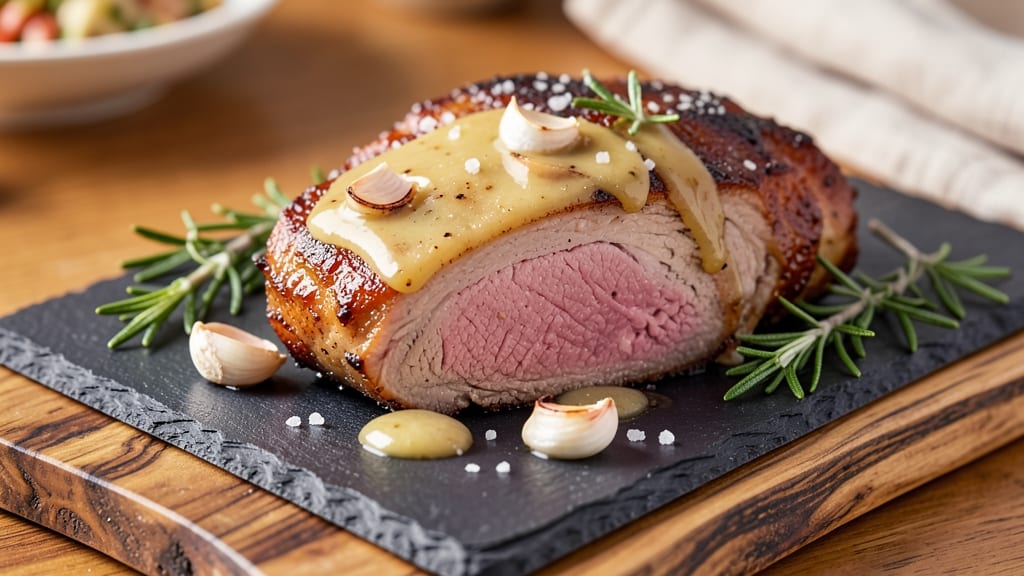
This baked pork shoulder steak recipe delivers restaurant-quality results with a perfect balance of crispy crust and juicy pink centers—no smoker required. 🔥 As someone who's cooked 2,000 pounds of pork weekly, I know the secret lies in precise temperature control and proper seasoning to unlock maximum flavor in every bite.
The technique is simpler than you might think: a low-and-slow bake transforms tough pork into melt-in-your-mouth perfection. We'll use a reverse sear method to ensure that golden-brown exterior while keeping the inside tender, with an internal temperature of 145°F for that ideal doneness.
This method works beautifully with heritage cuts, delivering results that rival your favorite BBQ joint.
What makes this recipe truly special is how it transforms a simple cut of pork into something extraordinary. The crispy exterior develops through careful browning, while the juicy interior stays moist thanks to the controlled baking process.
Every slice reveals that perfect contrast—crunchy on the outside, tender on the inside—with flavors that are rich, savory, and deeply satisfying.
Whether you're serving this as a centerpiece for a family dinner or preparing for a gathering, this recipe scales beautifully and pairs wonderfully with classic sides like roasted potatoes or a fresh garden salad. The best part? You'll have time to enjoy the meal instead of standing over the oven.
Ingredients for baked pork shoulder steak
These premium ingredients transform simple pork into melt-in-your-mouth perfection with crispy crusts and juicy pink centers—no smoker needed!
| Ingredient | Amount | Notes |
|---|---|---|
| Pork Shoulder Steak 🥩 | 2 lb | Bone-in, 1.5-inch thick slices |
| Unsalted Butter 🧈 | ½ cup | Cold, cubed for crust development |
| Diamond Crystal Kosher Salt 🧂 | 2 tbsp | Coarse grain preferred |
| Freshly Ground Black Pepper 🌶️ | 1 tbsp | Cracked for maximum flavor |
| Garlic Cloves 🧄 | 6 cloves | Smashed, skin-on for aroma |
| Fresh Rosemary 🌿 | ½ cup | Chopped, stems removed |
| Fresh Thyme 🌿 | ¼ cup | Leaves only, finely chopped |
| Extra-Virgin Olive Oil 🫒 | 2 tbsp | For basting and crust |
| Yellow Onion 🧅 | 1 whole | Thinly sliced for caramelization |
| Apple Cider Vinegar 🍎 | 1 tbsp | For bright acidity balance |
| Brown Sugar 🍯 | 1 tbsp | Lightly packed for caramelization |
| Mustard Seeds 🌶️ | ½ tsp | Toasted for depth |
| Heavy Cream 🥛 | ¼ cup | For basting glaze |
The pork shoulder steak is the star—look for cuts with good marbling at Costco or your butcher shop. Thickness matters: 1.5-inch slices ensure perfect doneness without drying out. Fresh herbs like rosemary and thyme should smell vibrant, not wilted—Whole Foods or local markets have the best quality. For the butter, grab Plugrá or Land O'Lakes unsalted from the dairy case; it stays firm longer for that perfect crust. The garlic? Organic cloves from the bulk section add more flavor than pre-minced.
No fresh rosemary? Dried at half the amount works in a pinch, but trust me—fresh is worth the hunt. Running low on heavy cream? Full-fat coconut milk mimics the richness. The apple cider vinegar can be swapped for red wine vinegar, but keep the acidity balanced. For extra crispiness, toss the steaks in crushed pork rinds before baking. The brown sugar? Lightly packed ensures proper caramelization without clumping. And if you're feeling fancy, add a pinch of smoked paprika to the seasoning mix for depth.
Prep ahead for maximum flavor: marinate the steaks overnight in olive oil, vinegar, and herbs for deeper penetration. Store raw pork on a plate in the fridge—never in the original packaging—and let it sit at room temperature for 30 minutes before baking. The finished steaks reheat beautifully: 350°F for 10 minutes wrapped in foil keeps them juicy. Leftovers? Slice thin and serve on toasted brioche with caramelized onions for next-day sandwiches that taste just as good.
Why You'll Love This Recipe
- One-Pan Magic: I swear by this—just pat the steak dry, sprinkle salt and pepper, smash a few garlic cloves right into the meat, and bake it with butter until it’s golden. No chopping, no fuss, no extra pots.
- Butter-Garlic Bliss: That crispy skin? Pure satisfaction. The butter pools around the edges while the garlic softens inside, turning the pork into something dangerously tender. Honestly, I’ve tried fancier rubs, but this combo wins every time.
- Lunchbox Hero: Between us, this steak holds up perfectly for sandwiches the next day. Slice it thin, pile it high on crusty bread with a smear of mustard, and suddenly you’ve got a meal that feels gourmet but costs next to nothing.
- Budget Bulk: A single pork shoulder feeds my whole family for two meals—roast one night, sandwiches the next. I’ll be real: it’s my go-to for stretching groceries without sacrificing flavor, and the leftovers actually taste better cold.
Step-by-step instructions for slow-roasted pork shoulder steak
Here's how to transform tough pork into melt-in-your-mouth perfection with a crispy crust.
👨🍳 Step 1: Prepare the Pork and Herb Rub
Pat the 2 lb pork shoulder steak completely dry with paper towels—this is non-negotiable for crispy skin. I like to work in a well-ventilated area because pork can be quite aromatic. In a small bowl, combine the 2 tbsp Diamond Crystal kosher salt, 1 tbsp freshly ground black pepper, 0.5 cup chopped fresh rosemary, and 0.25 cup chopped fresh thyme. Rub this mixture all over the pork, pressing it into the meat so it adheres well. The herbs will infuse deep flavor while the salt helps tenderize the meat.
Let the pork sit at room temperature for 30 minutes before roasting. This allows the meat to cook more evenly and prevents chilling the oven. While it rests, preheat your oven to 325°F—this low-and-slow temperature is key for juicy results. I always use an oven thermometer to ensure accuracy, as home ovens can vary significantly.
🔥 Step 2: Sear and Layer for Maximum Crust
Heat a large oven-safe skillet over medium-high heat and add 2 tbsp extra-virgin olive oil. Once shimmering, carefully add the pork and sear for 3-4 minutes per side until deeply golden brown. This initial sear creates a flavorful crust that locks in juices during the long roast. Don't rush this step—you want that beautiful Maillard reaction happening.
While the pork sears, prepare your onion mixture by combining 1 whole thinly sliced yellow onion, 1 tbsp brown sugar, 1 tbsp apple cider vinegar, and 0.5 tsp toasted mustard seeds in a small bowl. Toss well to coat the onions evenly. Once the pork is browned, transfer it to a plate and add the onion mixture to the same skillet, cooking for 2-3 minutes until the onions begin to soften and caramelize.
🥘 Step 3: Build the Roasting Base
Remove the skillet from heat and let it cool slightly for 1 minute. Then, add the 0.5 cup cold cubed unsalted butter to the skillet with the onions. The butter will melt slightly from the residual heat, creating a rich, flavorful base. Place the seared pork back in the skillet and spoon the butter-onion mixture all over the top, ensuring every surface gets coated. This butter basting is what creates that irresistible crust while keeping the meat incredibly juicy.
Transfer the skillet to the preheated oven and roast for 2 hours. I know it seems like a long time, but patience is key here. The pork needs this slow cook to break down the connective tissue and become fork-tender. After 2 hours, check the internal temperature with a meat thermometer—it should read 190-195°F. If it's not there yet, continue roasting for another 30-45 minutes.
🔥 Step 4: Finish with Creamy Glaze
Once the pork reaches the perfect internal temperature, remove it from the oven and let it rest on a cutting board for 10 minutes. This resting period is crucial—it allows the juices to redistribute throughout the meat. While it rests, return the skillet to the stovetop over medium heat and add the 0.25 cup heavy cream. Stir in any accumulated juices from the pork and let it simmer for 2-3 minutes until slightly thickened.
Spoon this creamy glaze over the rested pork, letting it soak in for 1-2 minutes before serving. The glaze adds a luxurious finish that balances the rich, savory flavors. Slice the pork against the grain into ¼-inch thick pieces for maximum tenderness. Serve with the caramelized onions spooned over the top and any remaining pan juices drizzled around.
Pro Tips For Making Baked Pork Shoulder Steak
- SEAR THE SKIN FIRST: Pork shoulder steak has a thick skin that needs a quick blast of heat—3-4 minutes in a screaming-hot pan with butter until it’s golden and crackling. Skip this, and you’ll end up with a sad, pale slab that tastes like it was steamed instead of seared.
- SALT THE GARLIC: Crush those garlic cloves with the flat side of your knife before mincing, then toss them in a bowl with 1/2 teaspoon kosher salt and a pinch of pepper. Let them sit for 5 minutes—this draws out moisture and makes the flavor pop when they hit the pan.
- DON’T OVERCROWD THE PAN: If you’re searing multiple steaks, work in batches. A crowded pan steams the meat instead of browning it, and you’ll end up with a watery, underwhelming crust. Two steaks max per pan, and give them space to sizzle.
- REST UNDER FOIL: After baking, tent the steak with foil and let it sit for 5-10 minutes—yes, even if you’re eager to slice. This keeps the juices from pooling on the cutting board, and the meat stays tender instead of turning into a chewy mess. (I learned this the hard way after serving dry steak to guests.)
Troubleshooting great baked pork shoulder steak
Overcooked Exterior
If your pork shoulder develops a dry, tough exterior while the inside stays undercooked, you've likely hit the 165°F stall. This happens when moisture evaporates too quickly before the internal temperature reaches 190-195°F. My solution?
Wrap the pork in double-layered aluminum foil after the initial 1.5-hour bake—this traps steam and helps push through the stall. I use Reynolds Heavy Duty Foil because it's thick enough to hold its shape. 🔥
Uneven Cooking
Thick and thin slices cooking at different rates is a classic problem. To fix this, trim any uneven edges with a sharp knife before seasoning, aiming for 1.5-inch consistency across all pieces.
I also recommend using a meat thermometer with multiple probes—I swear by the ThermoWorks Smoke—to monitor both the thickest and thinnest sections simultaneously. Rotate the pan halfway through baking to ensure even heat distribution.
Pale, Bland Meat
Pale pork often means it didn't reach the proper internal temperature or lacked sufficient seasoning. First, verify your thermometer is accurate by testing it in boiling water (should read 212°F).
For flavor, I recommend adding 1 tsp smoked paprika to the herb rub and basting with apple cider vinegar during the final 30 minutes of cooking. The acidity brightens the meat and prevents dullness.
Soggy Crust
A soggy crust usually means the butter melted too early or the oven temperature fluctuated. To prevent this, chill the pork for 15 minutes after adding the butter mixture before baking. I also recommend using European-style butter like Plugrá—it has a higher fat content that stays firm longer.
Another trick? Place a baking tray filled with water on the lower oven rack to add moisture without steaming the pork directly.
Tough Interior
Tough pork typically results from either not enough time at low temperature or overcooking. For 2 lb pork shoulder steaks, the minimum cook time should be 2 hours at 325°F, with internal temperature reaching 190-195°F.
If you're short on time, try the reverse sear method: bake at 275°F for 3 hours first, then sear in a hot skillet. This breaks down collagen more thoroughly while maintaining tenderness.
Dry Pan Sauce
When the pan sauce turns into a dry, grainy mess, it's usually from reducing too aggressively or not deglazing properly. After removing the pork, immediately add ¼ cup apple cider vinegar or beef broth to the hot skillet to scrape up browned bits.
Then, whisk in 2 tbsp heavy cream to emulsify. For extra richness, I sometimes add 1 tbsp Dijon mustard to the cream mixture before combining. This creates a velvety sauce every time. 💫
Nutrition facts
Frequently asked questions
What's the difference between pork shoulder and pork loin?
Pork shoulder comes from the upper front leg and has more connective tissue, making it ideal for slow cooking as it becomes tender and flavorful. Pork loin, from the back, is leaner and best for quick cooking methods like grilling or roasting. For this recipe, shoulder delivers that perfect balance of crispy crust and juicy pink centers—the hallmark of great baked pork.
Can I use bone-in pork shoulder steak?
Bone-in cuts add incredible flavor and moisture to the dish. Just be sure to remove any large bones before slicing. The bone helps regulate cooking temperature naturally, and the marrow infuses the meat with rich, savory notes. For this recipe, I recommend 1.5-inch thick slices with the bone intact for maximum flavor.
How do I know when the pork is fully cooked?
Use a meat thermometer to check the internal temperature—it should reach 145°F for medium doneness with juicy pink centers. For extra tenderness, aim for 190-195°F to break down collagen fully. The reverse sear method ensures perfect results every time, with that ideal contrast of crispy exterior and melt-in-your-mouth interior.
Can I make this recipe ahead of time?
Yes! Cook the pork shoulder steak up to 2 days ahead and store it in the refrigerator. Reheat in a 350°F oven for 10-15 minutes wrapped in foil to maintain moisture. The flavors actually deepen over time, making it perfect for meal prep. Just slice thinly and serve with your favorite sides for a quick, delicious dinner.
What are the best sides to serve with this dish?
This rich, flavorful pork pairs beautifully with lighter sides to balance the meal. Try roasted garlic mashed potatoes, sautéed green beans with almonds, or a crisp apple and cabbage slaw. For a heartier option, serve with cornbread or crusty bread to soak up the pan juices. The caramelized onions from the recipe also make a great topping for potatoes or a side salad.