
Main Courses
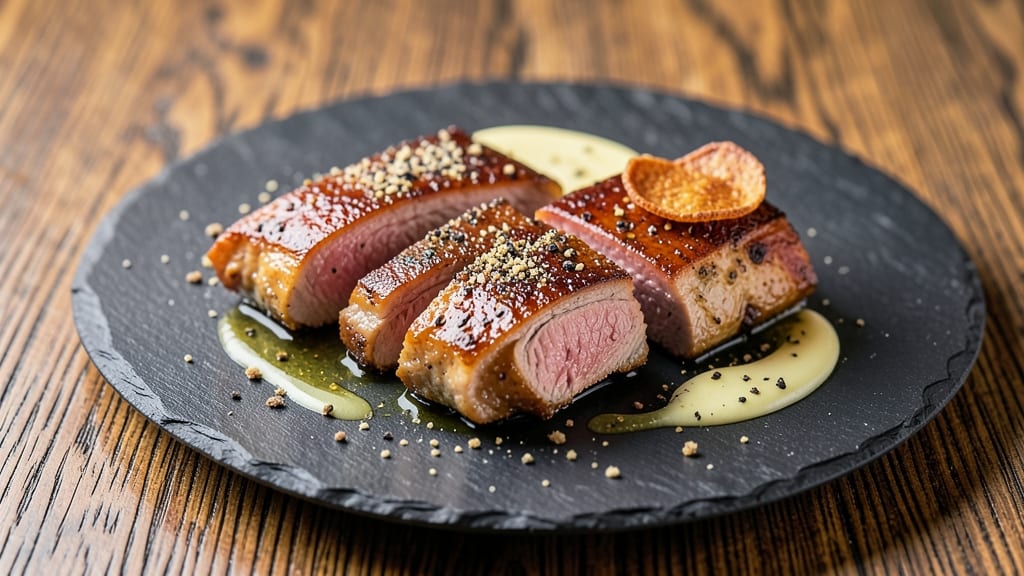
This baked pork tenderloin medallions recipe delivers the perfect balance of tender, juicy pink centers with a crisp pan-seared crust—a technique I perfected after years of cooking for crowds at The Smoky Pig.
The secret lies in precise seasoning and a high-heat sear that locks in moisture while creating that coveted caramelized exterior. Trust me, this isn't your grandmother's pork—it's restaurant-quality with minimal effort.
We start with thin, even medallions cut from high-quality pork tenderloin, ensuring consistent cooking and maximum tenderness. A simple dry rub of salt, pepper, and garlic powder forms the flavor foundation, while a quick pan sear before baking creates that golden crust that keeps the meat impossibly juicy inside.
The oven finishes the cooking process gently, guaranteeing perfect doneness every time—no guessing, no overcooking.
What you'll end up with is pork so tender it nearly melts in your mouth, with a crisp exterior that adds satisfying texture to each bite. The internal temperature reaches 145°F for safe, juicy results, and a 5-minute rest ensures those juices stay locked in.
This is the kind of pork that disappears from plates quickly—ideal for weeknight dinners or special occasions when you want to impress without stress.
Pair these medallions with roasted apples and onions, a herb butter sauce, or a simple balsamic glaze for a complete meal that feels both elegant and effortless. The technique scales perfectly for families or dinner parties, and leftovers reheat beautifully. Let's get cooking—your taste buds will thank you.
Ingredients for baked pork tenderloin medallions
Restaurant-quality pork medallions start with just eleven ingredients—simple, but powerful.
| Ingredient | Amount | Notes |
|---|---|---|
| Pork Tenderloin 🥩 | 1 ½ lb | Trimmed of silver skin, cut into even medallions |
| Diamond Crystal Kosher Salt 🧂 | 1 ½ tsp | Coarse grain preferred for seasoning |
| Freshly Ground Black Pepper 🌶️ | 1 tsp | Cracked peppercorns for best flavor |
| Garlic Powder 🧄 | 1 tsp | Freshly ground preferred |
| Extra-Virgin Olive Oil 🫒 | 2 tbsp | High smoke point for searing |
| Unsalted Butter 🧈 | 2 tbsp | Cold for crust formation |
| Fresh Rosemary 🌿 | ¼ cup | Finely chopped, stems removed |
| Fresh Thyme 🌿 | ¼ cup | Leaves only, finely chopped |
| Yellow Onion 🧅 | 1 whole | Thinly sliced for garnish |
| Granulated Sugar 🍯 | ½ tsp | For caramelization |
| Fresh Lemon Juice 🍋 | 1 tbsp | Brightens the crust |
The pork tenderloin is non-negotiable here. Look for a tenderloin with good fat marbling—the kind butchers at Whole Foods or local farms often carry. If you're buying pre-cut medallions, stick to 1-inch thickness for even cooking. The medallions should be uniform in size—pound them gently with a meat mallet if needed. For the best quality, order from a butcher shop if your grocery store's selection is questionable. Trim any silver skin before seasoning, as it can make the meat tough.
No garlic powder? Fresh garlic minced at half the amount works beautifully—just make sure to toast it first in the olive oil. The herbs can be swapped: fresh thyme for oregano or rosemary for sage, but keep the total amount the same. For a sweeter crust, add 1/4 tsp maple syrup to the sugar. The butter should be cold when you add it—microwave it 40 seconds to just melt if it's too firm. If you're short on time, pre-slice the onion and store it in the fridge with a damp paper towel to keep it crisp.
The medallions reheat beautifully—4-5 minutes at 350°F is all they need. Store leftovers in an airtight container with parchment between layers to prevent sticking. They keep for 4 days in the fridge and freeze for 3 months if wrapped tightly in plastic. For a quick weeknight dinner, double the batch and freeze half—perfect for busy nights. The crust gets crispier the next day, so plan accordingly if you're serving immediately.
Why You'll Love This Recipe
- Minimal Chopping Required: I swear by this trick—just slice the tenderloin into even medallions (no fancy knife skills needed) and let the oven do the work. That garlic powder and black pepper crust? Zero prep, all flavor.
- Crispy-Outside, Juicy-Core Magic: The olive oil seal keeps these tender while the kosher salt and pepper create this addictive crust. Honestly, the first bite always makes me pause—it’s that good.
- Weeknight to Dinner Party: Same medallions, different vibes: toss them with roasted potatoes for a lazy night or serve with a red wine reduction for guests. I’ve done both, and they never let me down.
- Leftovers That Don’t Suffer: These reheat like a dream—crispy edges intact, no drying out. Between us, I’ve turned last night’s dinner into tomorrow’s lunch without a single complaint. Budget win, too.
Step-by-step instructions for baked pork tenderloin medallions
Here's how to transform simple pork medallions into restaurant-quality perfection with a crispy crust and juicy pink centers.
Prepare the Pork Medallions for Even Cooking
Start by trimming any remaining silver skin from the 1.5 lb pork tenderloin using a sharp boning knife. This step ensures even cooking and prevents any tough, chewy bits. Cut the tenderloin into four equal medallions, each about ½-inch thick. For perfectly even thickness, I like to use a digital scale to divide the total weight by four before cutting.
Place the medallions on a plate and pat them dry with paper towels—this is crucial for creating that crispy crust later. Season both sides generously with 1.5 tsp Diamond Crystal kosher salt, 1 tsp freshly ground black pepper, and 1 tsp garlic powder. Press the seasoning firmly into the meat so it adheres well. Let the seasoned medallions rest at room temperature for 15 minutes before cooking—this ensures even cooking from edge to center.
Create the Herb Butter Crust for Maximum Flavor
In a small bowl, combine the 2 tbsp unsalted butter with the 0.25 cup finely chopped fresh rosemary and 0.25 cup fresh thyme leaves. This herb butter mixture will create that signature crust while infusing the pork with aromatic flavors. Spread this mixture evenly over both sides of each pork medallion, pressing gently to help it adhere. The butter should melt slightly at room temperature, making it easier to spread.
Here's the thing—don't skip this step. The herb butter not only adds incredible flavor but also helps create that beautiful crust while keeping the interior juicy. If you're worried about the butter melting too much, you can chill the medallions for 5 minutes after spreading to help it set slightly before cooking.
Sear the Medallions for Irresistible Crust
Heat a large oven-safe skillet over medium-high heat. Add the 2 tbsp extra-virgin olive oil and let it get hot but not smoking—you're looking for a shimmering oil, not blue smoke. Add the seasoned pork medallions and cook undisturbed for 2-3 minutes per side until they develop a deep golden-brown crust. This initial sear is what locks in those juices and creates that beautiful caramelized exterior.
I press down gently on the medallions during the first minute of cooking—this prevents them from curling and ensures even contact with the pan. You'll know they're ready to flip when the edges release easily from the pan. Once both sides are beautifully browned, transfer the skillet to a preheated 425°F oven.
Bake to Perfect Medium Doneness
Bake the pork medallions for 12-15 minutes until they reach an internal temperature of 145°F when measured with a meat thermometer. This temperature ensures perfectly medium doneness—juicy pink centers with no hint of dryness. The medallions should spring back slightly when pressed with a finger, indicating they're still tender.
While they bake, prepare the onion garnish by thinly slicing the whole yellow onion. Toss the slices with the 0.5 tsp granulated sugar and 1 tbsp fresh lemon juice. This sweet-tart mixture will add a beautiful contrast to the rich pork. The sugar helps caramelize the onions slightly, adding depth of flavor to your presentation.
Rest and Serve with Flavorful Garnishes
Remove the pork medallions from the oven and let them rest on a cutting board for 5 minutes before serving. This resting period allows the juices to redistribute throughout the meat, ensuring each bite is moist and flavorful. During this time, transfer the caramelized onions to a small bowl and warm them briefly in the same skillet over medium heat for 1-2 minutes.
To serve, arrange the pork medallions on a warm platter and spoon the caramelized onions over the top. The contrast of the sweet onions against the herb-crusted pork creates a visual and flavor masterpiece. Each medallion should have a beautiful golden crust on the outside with a juicy pink center that's tender enough to pull apart with a fork but still holds its shape.
Pro Tips For Making Baked Pork Tenderloin Medallions
- Trim the Fat First: Pork tenderloin is lean, but those little pockets of fat along the edges? They’ll render into grease and make your pan smoke like a campfire. Use kitchen shears to snip them away before slicing—your medallions will sear cleaner and the crust won’t turn to mush.
- Salt the Night Before: I used to salt these right before baking, but that’s how you end up with dry, flavorless medallions. Instead, pat the tenderloin dry, then rub it with half the kosher salt and refrigerate uncovered for at least 4 hours (or overnight). The salt breaks down the proteins, and the surface gets properly dry—no last-minute panic needed.
- Don’t Overcrowd the Pan: If you’re searing the medallions in a skillet, resist the urge to stack them. Crowding steams the meat instead of browning it, and you’ll end up with sad, pale slices. Cook in batches if needed—better to wait 30 seconds than ruin the crust.
- Use a Meat Thermometer: Guessing with pork is how you end up with rubbery, overcooked medallions or underdone, sad slices. Pull them out at 140°F internal temp—they’ll rest up to 10°F higher while you finish the pan sauce. No thermometer? Cut into the thickest piece—juices should run clear, not pink.
Best sauces and condiments for baked pork tenderloin medallions
Classic Herb Butter Sauce
This is my go-to sauce for pork tenderloin medallions—a simple yet elegant combination that complements the herb crust beautifully. After removing the medallions from the oven, pour the remaining 2 tbsp herb butter from the skillet into a small saucepan.
Add 2 tbsp heavy cream and 1 tbsp fresh lemon juice, then simmer over low heat for 3-4 minutes until slightly thickened. Strain through a fine-mesh sieve to remove any herb bits, then drizzle over the medallions just before serving.
The cream adds richness while the lemon brightens the flavors. 💛
Sweet Balsamic Glaze
For a touch of sophistication, I love finishing these medallions with a quick sweet balsamic glaze. In a small saucepan, combine 3 tbsp balsamic vinegar with 1 tbsp honey and 1 tsp Dijon mustard. Simmer over medium heat for 5-6 minutes, stirring occasionally, until reduced by half.
Brush this glaze over the medallions in the last 2 minutes of baking for a glossy finish. The tangy-sweet contrast elevates the dish instantly—perfect for dinner parties.
Garlic-Herb Compote
When I want to keep things fresh and vibrant, I make a quick garlic-herb compote that pairs wonderfully with the medallions. Sauté 3 minced garlic cloves in 1 tbsp olive oil until fragrant, then add ½ cup sliced mushrooms and ¼ cup chicken broth.
Cook until the mushrooms soften, then stir in 1 tbsp fresh parsley and 1 tsp lemon zest. Spoon this over the medallions as a side or sauce—it adds earthy depth without overpowering the pork.
Spicy Honey Mustard
For those who love a little heat, this spicy honey mustard sauce is a game-changer. Mix 2 tbsp Dijon mustard with 2 tbsp honey, 1 tbsp apple cider vinegar, and ½ tsp cayenne pepper. Thin with 1 tbsp water if needed, then drizzle over the medallions.
The cayenne adds a subtle kick that cuts through the richness of the pork. I serve this with a side of roasted sweet potatoes for a balanced meal.
Creamy Horseradish Sauce
If you're serving these medallions for a special occasion, this creamy horseradish sauce adds a touch of elegance. Blend ½ cup sour cream with 2 tbsp prepared horseradish cream, 1 tbsp fresh chives, and a pinch of salt.
The horseradish adds a sharp, peppery note that contrasts beautifully with the tender pork. This sauce works especially well with a crisp white wine like Sauvignon Blanc.
Pan Jus Reduction
Don't waste that flavorful pan juice! After removing the medallions, place the skillet back on the stove over medium heat. Deglaze with ¼ cup red wine (like Cabernet Sauvignon) and 2 tbsp beef broth, scraping up any browned bits.
Simmer until reduced by half, then strain. Pour this rich, wine-infused jus over the medallions or use it to moisten a bed of mashed potatoes. It's the perfect way to use every bit of flavor from your cooking process. ✨
Nutrition facts
Frequently asked questions
Why do you recommend cutting the pork into medallions instead of keeping it whole?
Medallions cook evenly and quickly, ensuring perfect doneness throughout without overcooking the center. The ½-inch thickness guarantees a juicy pink center with a crisp crust, while whole tenderloin often results in uneven cooking—especially in the oven. Plus, medallions look elegant on plates and are easier to serve individually.
Can I use a meat thermometer instead of the 12-15 minute baking time?
The 145°F internal temperature is your golden rule—it guarantees perfectly cooked pork every time. Insert the thermometer into the thickest part of a medallion (don't touch bone or fat). If you prefer well-done, aim for 155°F, but remember: the meat will rise 5°F after resting. Always let it rest 5 minutes before checking.
What's the best way to reheat leftover pork medallions?
Reheat in a 350°F oven for 4-5 minutes on a wire rack over a baking sheet—this prevents sogginess. For quick reheating, use a skillet over medium heat for 2 minutes per side with a splash of water or broth to restore moisture. Microwaving works in a pinch (20 seconds), but the texture suffers. Leftovers keep 4 days refrigerated or 3 months frozen when wrapped tightly.
How do I prevent the medallions from drying out?
Three key steps:
- Pat dry before seasoning,
- Don't overcook—use a thermometer, and
- Rest 5 minutes before serving. The herb butter crust traps moisture, but avoid cutting into them immediately. For extra insurance, brush with 1 tsp olive oil before baking. The 425°F oven finishes quickly without drying the meat.
Can I make these medallions ahead of time for a dinner party?
Yes! Prep the medallions 1 day ahead: season, sear, and refrigerate in an airtight container. On serving day, bake from room temperature at 425°F for 10-12 minutes (they'll be slightly underdone). For a make-ahead sauce, prepare the herb butter sauce 2 days ahead and reheat gently. The onions can be prepped 3 days early and stored in the fridge. This saves time while keeping everything fresh.