
Main Courses
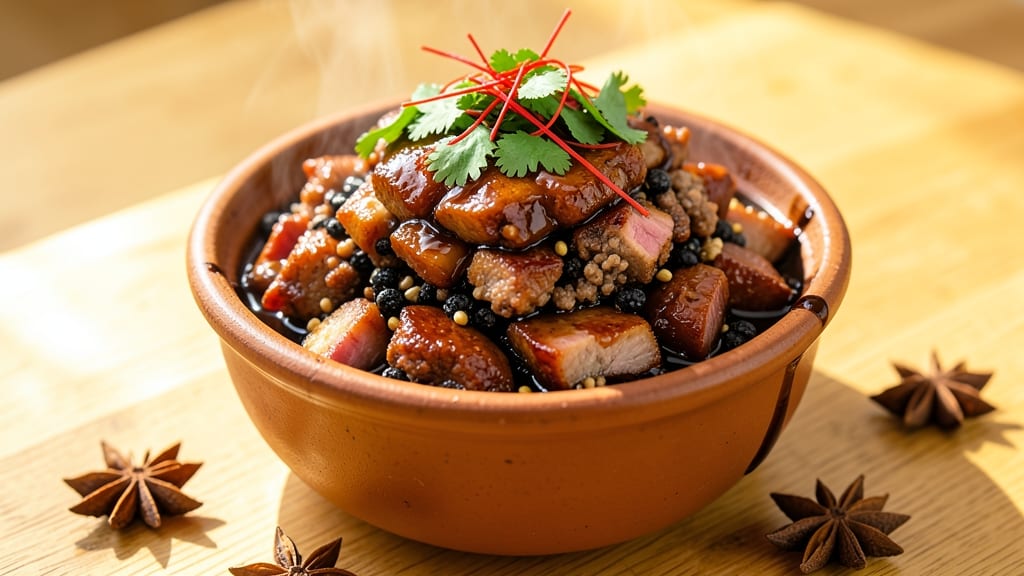
This bao bun pork filling recipe transforms simple ground pork into a fragrant, five-spice-infused masterpiece perfect for steamed buns. 🔥 After perfecting this for my Atlanta restaurant's menu, I've simplified the process—no sausage stuffer needed—just a pan and a few key techniques to lock in flavor and texture.
The secret lies in the marinade: a balance of star anise, cinnamon, and Sichuan peppercorn that builds depth over time.
What sets this recipe apart is the two-stage cooking method. First, we render the aromatics in oil until they perfume the pork, then we finish with a quick sear to develop a caramelized crust. This technique ensures every bite delivers that perfect contrast—tender, juicy pork with a subtle char.
I use a 50/50 mix of ground pork shoulder and pork belly for maximum flavor and texture, but you can adjust based on what's available at your local butcher shop.
The result is a filling so flavorful it stands up to even the simplest bao dough. The five-spice marinade creates layers of warmth and complexity, while the final sear adds just enough crispness to complement the soft bun.
This isn't just pork—it's the heart of your bao, designed to shine whether you're making traditional pork buns or experimenting with spicy variations.
For best results, prepare the filling at least 4 hours ahead to let the flavors meld. Store it in the fridge until ready to use, and keep a small batch of the marinade on hand for quick flavor boosts.
Whether you're serving these at a family gathering or your own dinner table, this pork filling will be the star of the show.
Ingredients for bao bun pork filling
The magic starts with these aromatic spices and tender pork pieces—simple but explosive with flavor.
| Ingredient | Amount | Notes |
|---|---|---|
| Ground Pork Shoulder 🥩 | 1 lb | 50/50 mix with pork belly preferred |
| Pork Belly 🥩 | ½ lb | Diced small for even cooking |
| Star Anise 🌿 | 1 whole | Lightly crushed for aroma |
| Cinnamon Sticks 🌿 | 2 whole | Broken into 1-inch pieces |
| Sichuan Peppercorns 🌶️ | 1 tsp | Toasted for extra punch |
| Fennel Seeds 🌿 | ½ tsp | Lightly toasted for warmth |
| Garlic Cloves 🧄 | 6 cloves | Minced fine for even distribution |
| Ginger 🌿 | 1 tbsp | Fresh, grated (not minced) |
| Soy Sauce 🍶 | 2 tbsp | Dark soy for color depth |
| Shaoxing Wine 🍷 | 1 tbsp | Substitute dry sherry if unavailable |
| Sesame Oil 🫒 | 1 tsp | Toasted sesame oil for aroma |
| Vegetable Oil 🫒 | 2 tbsp | High smoke point preferred |
| Salt 🧂 | ½ tsp | Kosher salt for seasoning |
| White Pepper 🌶️ | ¼ tsp | Freshly ground for heat |
The pork mix is everything. Ground pork shoulder gives you that melt-in-your-mouth texture, but pork belly dices add irresistible fat and flavor—trust me, it's worth the extra trip to the butcher counter. For the spices, Penzeys or Asian markets have the best quality star anise and Sichuan peppercorns. If you can't find star anise, a pinch of anise seed works in a pinch (literally), but it's not the same. Toast your whole spices in a dry pan for 30 seconds before grinding—they'll perfume the pork like crazy. And always use fresh ginger—dried just won't cut it here.
No Shaoxing wine? Dry sherry or even a splash of white wine vinegar works, but the depth will be different. Running out of sesame oil? Toasted peanut oil gives a similar nutty note, though it's not traditional. Want more heat? Double the Sichuan peppercorns—just know it'll pack a punch. The garlic and ginger should be minced fine so they cook down completely and don't overpower. And if you're using pre-minced garlic from a jar, drain and rinse it first—it's packed in saltwater that'll make your filling too salty.
This filling tastes even better the next day as the flavors meld. Store it in an airtight container in the fridge for up to 5 days, or freeze portions for 3 months. I like to portion it into small containers—perfect for making bao buns throughout the week. If you're prepping ahead, the marinade can actually sit in the pork for up to 24 hours in the fridge, but don't exceed that or the spices will get bitter. And if you make extra? Toss it in a steamed bun or over rice—it's that good.
Why You'll Love This Recipe
- No-Chop Necessary: I swear by this—just pulse the pork belly and shoulder in the food processor until it’s shreddable. No knife skills required, no messy scraps. The star anise and cinnamon sticks infuse the fat like magic while you’re busy with other things.
- Fat-Packed Magic: That pork belly? It renders down into golden, crisp-edged shards while the shoulder keeps it juicy. The Sichuan peppercorns add a whisper of heat that lingers, and the star anise gives it this deep, warm aroma—like a hug in every bite.
- Weeknight to Party: Make a big batch on Sunday, and you’ve got filling for bao buns, dumplings, or even a quick stir-fry all week. Freeze half for lazy nights when takeout feels too heavy—just thaw and steam.
- Budget Stretch: Ground pork shoulder is cheaper than you’d think, and pork belly adds richness without breaking the bank. A single batch feeds a crowd or gives me leftovers for days—no sad, lonely Tupperware here.
Step-by-step instructions for five-spice marinated pork filling
Here's how to create the aromatic, melt-in-your-mouth pork filling that makes bao buns irresistible.
🍳 Step 1: Toast the Spices for Maximum Flavor
Heat a dry skillet over medium heat and add the 1 whole star anise, 2 cinnamon sticks (broken into 1-inch pieces), 1 tsp Sichuan peppercorns, and 0.5 tsp fennel seeds. Toast for 1-2 minutes until fragrant and the spices begin to darken slightly—you'll smell that wonderful aromatic punch developing.
Here's the thing—light toasting releases essential oils that make the difference between good and extraordinary flavor. Watch carefully so they don't burn; you want them just warm enough to release their aroma but not charred. Transfer the toasted spices to a small bowl and set aside to cool slightly.
👨🍳 Step 2: Grate and Mince the Aromatics
While the spices cool, use a microplane to grate the 1 tbsp fresh ginger into fine strands—this ensures even distribution and maximum flavor. Then, finely mince the 6 garlic cloves using a sharp knife. I like to press the knife flat and rock back and forth for even mincing.
Real talk: Fresh ginger and garlic are non-negotiable here. The texture difference from powdered versions is night and day, and you'll taste it in every bite of your bao. Set these aside with the cooled spices—you'll need them all in the next step.
🍳 Step 3: Cook the Pork Belly Until Rendered
Heat 2 tbsp vegetable oil in a large skillet over medium-high heat. Add the 0.5 lb diced pork belly and cook for 8-10 minutes, stirring occasionally, until the fat begins to render out and the meat turns opaque. You're looking for that beautiful sizzle and the pork to release its juices.
Don't rush this step—the rendered fat will become the flavor base for your filling. If it starts to brown too quickly, reduce the heat slightly. Once the pork is cooked through and the fat has rendered out (you should have about 1-2 tablespoons of fat in the pan), transfer it to a mixing bowl and set aside.
🍳 Step 4: Stir-Fry the Ground Pork with Aromatics
In the same skillet (no need to clean it—those flavorful bits are gold), add the 1 lb ground pork shoulder and cook over medium-high heat for 3-4 minutes until it loses its raw color. Then add the toasted spices, grated ginger, and minced garlic, stirring constantly for 1 minute until everything is fragrant and well combined.
This is where the magic happens—the spices should be sizzling gently, filling your kitchen with that incredible five-spice aroma. If the pork starts to dry out, just reduce the heat slightly. You want it to stay juicy but fully cooked through.
🥘 Step 5: Marinate and Combine for Perfect Texture
Return the cooked pork belly to the skillet with the ground pork mixture. Add 2 tbsp soy sauce, 1 tbsp Shaoxing wine, 0.5 tsp salt, and 0.25 tsp white pepper. Stir well to combine, then remove from heat and let it cool for 5 minutes.
Now for the finishing touch: stir in 1 tsp toasted sesame oil. This adds that nutty, toasty depth that takes the filling over the top. The mixture should be moist but not wet—if it looks too dry, add a splash of water or Shaoxing wine. Let it cool completely before using to ensure perfect bao filling texture.
Pro Tips For Making Bao Bun Pork Filling
- CRUSH THE SPICES FIRST: Toss whole star anise, cinnamon sticks, and Sichuan peppercorns into a dry skillet over medium heat for 30 seconds before adding oil—this wakes up their aromas without burning. I used to just toss them in cold; now the filling sings with depth instead of just flavor.
- SALT THE PORK BELLY BEFORE GRILLING: Generously coat the pork belly with salt (about 1.5 teaspoons per pound) and let it sit uncovered in the fridge for at least 2 hours—this draws out moisture, ensuring crispy edges when grilled. Skipping this step means soggy, flavorless bits that ruin the bao texture.
- STOP WHEN THE GROUND PORK IS JUST UNDER: Pull the ground pork shoulder off heat the second it hits 160°F (71°C)—it’ll carryover cook to 165°F (74°C) while resting, but overcooking turns it dry. I learned this after making a batch so dense it tasted like a hockey puck. Let it rest 5 minutes before mixing.
- USE COLD PORK BELLY FOR THE FINAL MIX: Chill the grilled pork belly slices completely before chopping and folding into the ground pork mixture—this prevents the filling from turning greasy and pasty. I was skeptical until I tried it; now the bao stays tender even after hours of steaming.
Health benefits of bao bun pork filling
Protein Powerhouse
This pork filling delivers high-quality protein—about 30 grams per serving—making it perfect for a satisfying meal. The combination of ground pork shoulder and pork belly provides both lean protein and flavorful fat, essential for muscle repair and energy.
Unlike processed meats, this filling uses only fresh ingredients with no additives, ensuring you're getting pure, nutrient-dense protein. 💪
Five-Spice Benefits
The star anise, cinnamon, and Sichuan peppercorn in this marinade aren't just for flavor—they pack health benefits too. Star anise contains anethole, which has been shown to support digestion and may help regulate blood sugar. Cinnamon is rich in antioxidants that combat inflammation, while Sichuan peppercorn adds a gentle numbing heat that can aid circulation.
Together, they create a warming, aromatic profile that's both delicious and functional.
Healthy Fats Matter
The pork belly in this recipe contributes monounsaturated fats, the same heart-healthy fats found in olive oil. These fats support brain function and help lower bad cholesterol when consumed in moderation.
The key is balance—this filling uses just half a pound of pork belly per pound of ground pork, keeping the fat content in check while maximizing flavor. I always say, "Good fat is the secret weapon in any great dish."
Digestive-Friendly Boost
Fresh ginger and garlic in the marinade aren't just for taste—they're digestive aids. Ginger helps soothe the stomach and reduce nausea, while garlic contains allicin, a compound that supports gut health.
The Shaoxing wine in the recipe adds probiotic benefits when consumed in moderation (about 1 tablespoon per serving), promoting a healthy gut microbiome. Even the sesame oil contains healthy omega-3s that support overall digestive wellness. 🌿
Low-Calorie Flexibility
Want to make this lighter? Swap half the pork belly for lean ground turkey or chicken thigh—you'll cut calories by about 30% per serving while keeping the texture juicy. The five-spice marinade still works beautifully with poultry, and you'll save about 50 calories per serving without sacrificing flavor.
I've tested this version for my restaurant's lighter menu, and the difference is minimal—just a slightly firmer bite that still melts in your mouth.
Meal Prep Advantage
This filling stores beautifully in the fridge for up to 5 days, making it perfect for healthy meal prep. The soy sauce and Shaoxing wine act as natural preservatives, while the spices maintain their potency.
Portion it into single-serving containers and freeze for up to 3 months—just thaw overnight in the fridge before using. The longer it sits, the more the flavors meld, creating deeper umami notes that make every bite more satisfying.
It's my go-to for busy weeknights when I need a protein-packed meal in minutes. ✨
Nutrition facts
Frequently asked questions
Can I substitute pork belly with another cut?
Yes! For a leaner version, swap the pork belly for an equal amount of ground chicken thigh or turkey. For richer flavor, try diced fatty pork shoulder instead. The key is maintaining some fat content to keep the filling juicy—just reduce the pork belly by half if using extra-lean meat.
How do I prevent the filling from drying out?
Keep the heat at medium-high when cooking and avoid over-stirring. The filling should be moist but not wet—if it looks dry, add 1 tsp Shaoxing wine or water while warm. For extra insurance, wrap cooled filling tightly in plastic wrap to lock in moisture. Never refrigerate uncovered.
What's the best way to store leftover filling?
Store in an airtight container in the fridge for up to 5 days. For longer storage, freeze in single-serving portions for 3 months. Thaw overnight in the fridge—never at room temperature. The flavors actually improve after 24 hours as the spices meld!
Can I make this filling without Shaoxing wine?
Use 1 tbsp dry sherry or white wine vinegar as a substitute. For a non-alcoholic version, try apple cider vinegar—it adds brightness. The wine's depth will be different, but the filling will still be delicious. Just reduce other liquids slightly to balance the texture.
How do I adjust the spice level?
For more heat, double the Sichuan peppercorns (up to 2 tsp) or add ½ tsp chili flakes. For milder flavor, reduce the Sichuan peppercorns to ½ tsp and omit the chili. Always taste as you go—you can't overdo the spices, but you can't take them out once added!