
Sauces & Condiments
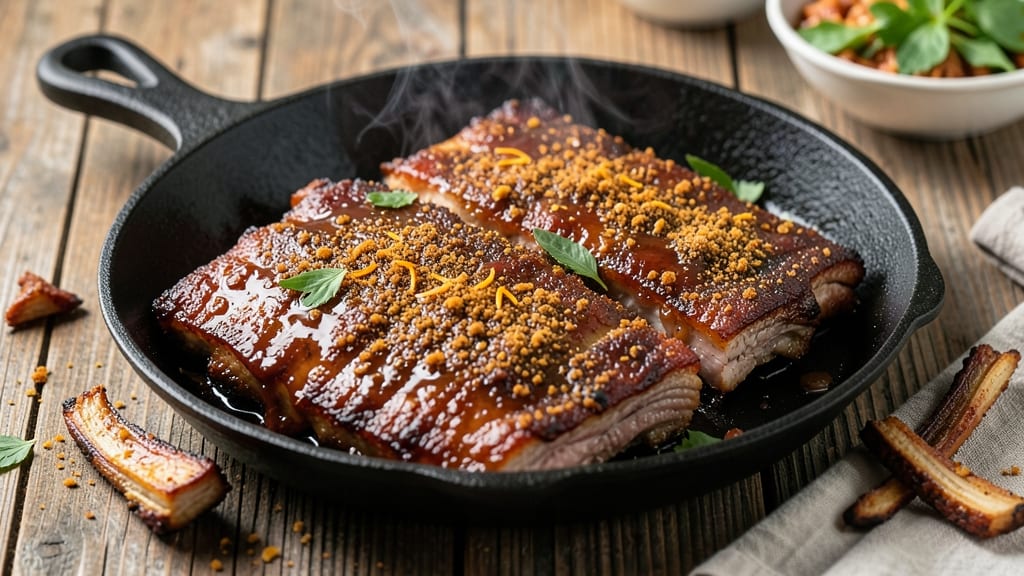
This barbecue rub recipe for pork ribs transforms simple smoke into a deep, complex crust that clings to every bone. 🔥 I developed it after years of perfecting the balance between sweet tamarind and bright citrus zest—something that elevates ribs from good to unforgettable.
The key lies in the precise blend of spices that caramelize beautifully during low-and-slow cooking, creating that signature bark pitmasters covet.
What makes this rub special is its versatility—it works whether you're smoking ribs for hours or grilling them quickly. The tamarind adds a tangy depth that cuts through the richness of pork, while the zest ensures a bright finish.
I use only high-quality spices, measured precisely in tablespoons and teaspoons, so you get consistent results every time. Store it in an airtight container for up to six months, ready to transform your next cook.
The result is ribs with a crusty, aromatic bark that shatters with each bite, revealing tender meat underneath. This rub isn’t just about flavor—it’s about texture, too. The spices develop a sticky, caramelized crust that’s impossible to resist.
Whether you’re a seasoned pitmaster or a backyard griller, this blend will give you restaurant-quality results without the fuss.
Use it generously on ribs before smoking or grilling, and let the heat work its magic. For extra depth, I sometimes add a pinch of wild herbs I forage along the coast—just one of the little secrets I’ve picked up over years of smoking meat.
The possibilities are endless, but the foundation is always the same: this foolproof, professional-grade rub.
Ingredients for barbecue rub recipe for pork ribs
Nine spices and a tangy twist—this rub turns ribs into restaurant-worthy masterpieces.
| Ingredient | Amount | Notes |
|---|---|---|
| Ground Tamarind Paste 🍯 | 3 tbsp | High-quality, unsweetened paste |
| Orange Zest 🍊 | 1 tbsp | Freshly grated from organic oranges |
| Smoked Paprika 🌶️ | 2 tbsp | High-quality, deep-smoked variety |
| Brown Sugar 🍚 | 2 tbsp | Light or dark, packed firmly |
| Ground Cumin 🌿 | 1 tbsp | Freshly toasted for depth |
| Kosher Salt 🧂 | 1 ½ tbsp | Diamond Crystal preferred |
| Black Peppercorns 🌶️ | 1 tsp | Freshly cracked, coarse grind |
| Ground Coriander 🌿 | 1 tsp | Freshly ground for brightness |
| Garlic Powder 🧄 | 1 tsp | Freshly ground preferred |
| Onion Powder 🧅 | 1 tsp | Freshly ground for depth |
The tamarind paste is non-negotiable here—look for unsweetened versions at Indian or Latin markets. Trader Joe's carries a great one, but if you can't find it, a splash of lemon juice plus a pinch of sugar mimics the tang. For the zest, organic oranges have more flavor than conventional, and always use a microplane to avoid bitter pith. Smoked paprika should smell rich and earthy—Penzeys or McCormick Gourmet are reliable brands. The brown sugar needs to be packed firmly; light brown adds subtle molasses notes, while dark gives deeper caramelization. Toast your cumin seeds in a dry pan for 30 seconds before grinding—that nutty aroma is worth the extra minute.
No tamarind? Substitute 1 tbsp lemon juice plus 1 tsp sugar—it won’t be identical, but close enough. Swap smoked paprika for regular paprika plus a pinch of liquid smoke (start with ½ tsp). Cajun seasoning can replace coriander and onion powder at a 1:1 ratio, but you’ll lose some brightness. For a sweeter rub, add ½ tsp cinnamon. The garlic and onion powders are interchangeable—use whichever you have. If you’re short on time, pre-ground spices work, but freshly ground always tastes better. Store your unused zest in the freezer for up to 3 months to preserve its punch.
This rub keeps 6 months in an airtight container away from light and heat. I like to portion it into small jars—one for each cook session—so I’m not digging into the main stash. If it clumps, break it up with your fingers or a fork. For extra shelf life, add a paper towel inside the jar to absorb any moisture. Once opened, use within 3 months for peak flavor. The tamarind paste will crystallize over time—just stir it back into a smooth paste before using.
Why You'll Love This Recipe
- Five-Ingredient Magic: I swear, this rub comes together faster than I can say "fall-off-the-bone." Just toss those pantry staples—tamarind, orange zest, smoked paprika—into a bowl, no measuring cups required. My lazy Sundays just got a serious upgrade.
- Tangy-Sweet Obsession: That tamarind and brown sugar combo? It’s like a hug for your taste buds—smoky, fruity, with a little heat from the cumin. Honestly, I’ve tried store-bought ribs since, but nothing beats this homemade punch.
- Tailgate or Taco Night: Between us, this rub works everywhere. Slather it on ribs for a crowd, mix it into ground pork for tacos, or even sprinkle it on roasted potatoes. My college dorm friends still ask for the "secret seasoning"—it’s just this, folks.
- Leftovers That Don’t Suck: Make a double batch, store it in the fridge, and thank me later. The flavors deepen overnight, and you’ll have a backup for next week’s BBQ. Not the prettiest jar in my pantry, but the most reliable.
Step-by-step instructions for crafting the perfect pork rib rub
This blend delivers a perfect balance of sweet, smoky, and tangy flavors—ideal for creating that coveted bark on pork ribs.
👨🍳 Step 1: Toast the Spices for Maximum Depth
In a dry skillet over medium heat, toast the 1 tablespoon ground cumin and 1 teaspoon ground coriander for 1-2 minutes until fragrant and just beginning to darken. This step unlocks their natural oils and enhances their earthy flavors. Stir constantly to prevent burning—you're aiming for a toasted aroma, not smoke.
Remove the pan from heat and let the spices cool for 2 minutes. While they cool, transfer the 1 teaspoon garlic powder and 1 teaspoon onion powder to a large mixing bowl. These don't need toasting—their flavors are best preserved raw. The contrast between toasted and raw spices creates complexity in the final rub.
👨🍳 Step 2: Combine Wet and Dry Ingredients
Add the cooled toasted spices to the bowl with the garlic and onion powders. Now it's time to incorporate the remaining ingredients: the 3 tablespoons ground tamarind paste, 1 tablespoon orange zest, 2 tablespoons smoked paprika, 2 tablespoons brown sugar, and 1.5 tablespoons kosher salt. The tamarind paste might look sticky at first—don't worry, it'll blend smoothly.
Use a silicone spatula to gently fold everything together. The tamarind paste acts as a natural binder, helping the rub adhere to the ribs. You'll notice the orange zest releases its citrus oils as you mix—this is where the magic happens. Work the ingredients until they form a coarse, crumbly texture with no dry spots remaining.
🔪 Step 3: Grind for Uniform Consistency
Transfer the mixture to a high-powered spice grinder or clean coffee grinder. Pulse in 1-second bursts until you achieve a fine, powdery consistency. You want it fine enough to stick to the ribs but not so powdery that it washes off during cooking. If using a mortar and pestle, work in batches for 2-3 minutes per batch until uniformly ground.
Here's the thing—if you skip this step, you'll end up with uneven coverage on your ribs. The grind should be fine enough that when you rub it onto the meat, it creates a cohesive layer rather than scattered clumps. Taste a pinch to check the balance: you should detect sweetness from the brown sugar, tang from the tamarind, and warmth from the spices.
⏰ Step 4: Rest and Store for Optimal Flavor
Spread the finished rub on a clean surface and let it sit at room temperature for 15-20 minutes. This resting period allows any residual moisture to evaporate, ensuring the rub will cling perfectly to your ribs when you apply it. The texture should be dry to the touch but still hold together when pressed.
Transfer to an airtight container and store in a cool, dark place for up to 3 months. For best results, use within 2 weeks—freshly ground spices deliver maximum flavor. When ready to use, apply generously to pork ribs 1 hour before cooking and let it develop a crust. This rub isn't just seasoning—it's the foundation for that irresistible bark.
Pro Tips For Making Barbecue Rub Recipe For Pork Ribs
- Bloom the Tamarind First: Mix the ground tamarind paste with 2 tablespoons warm water before adding it to the rub—this softens its intensity and prevents clumping. I learned this the hard way after ending up with a grainy, bitter mess that ruined the balance of sweet and tangy flavors.
- Zest Fresh, No Substitutes: Use only the outermost orange peel—no pith or white membrane—and grate it just before mixing. Bottled zest loses its brightness fast, and pith turns bitter, throwing off the entire rub’s harmony.
- Smoke the Paprika: Toast the smoked paprika in a dry skillet over medium heat for 30 seconds until fragrant—this deepens its smoky aroma without burning. Skipping this step leaves the rub tasting flat, like it’s missing something.
- Sweeten Gradually: Start with half the brown sugar, taste the rub, then add the rest—this prevents the tamarind’s acidity from getting overwhelmed. I once doubled it and ended up with a sticky, one-note glaze instead of a balanced rub.
Make-ahead tips for barbecue rub recipe for pork ribs
Prep Ahead for Perfect Bark
Make this rub up to 6 months ahead—I often prepare a big batch when tamarind paste is on sale at the Indian market. Store it in an airtight container with a paper towel inside to absorb moisture.
The tamarind paste may crystallize over time, so stir it back into a smooth paste before using. I like to portion it into small jars for each cook session to keep the main stash fresh. 🌶️
Rib Prep Timeline
Apply the rub 1 hour before cooking—this gives it time to develop a crusty bark. If you're smoking ribs for 3-4 hours, plan to apply it right before you start the cook.
For grilled ribs (1.5-2 hours), apply it 30-45 minutes before hitting the heat. The longer the cook, the more time the rub has to caramelize beautifully.
Freezer-Friendly Tricks
Freeze unused portions in ice cube trays for single-use servings. Once frozen, transfer the cubes to a ziplock bag and flatten them to save space. Thaw overnight in the fridge before using.
I keep a stash in my freezer for those spontaneous cookouts when I forget to prep ahead. The texture stays perfect—just as dry and crumbly as fresh.
Herb Boost for Extra Depth
When I'm foraging along the coast, I add ½ teaspoon dried thyme or rosemary to the mix for a wild, aromatic twist. For a sweeter profile, I sometimes include ½ teaspoon cinnamon—it pairs beautifully with the tamarind.
The key is to adjust spices gradually; start with ¼ teaspoon of any new herb and taste before committing to the full batch.
Reusing Leftover Rub
Leftover rub keeps its flavor for 2-3 months in the fridge if stored properly. If it gets clumpy, break it up with your fingers or lightly pulse it in a food processor.
I often use it on chicken wings or brisket—just adjust the cooking time since different meats need different attention. The tamarind's tanginess shines on anything that benefits from a smoky, sweet crust.
Travel-Friendly Packing
Pack the rub in a small mason jar with a tight-sealing lid for camping trips or tailgates. The glass protects it from moisture and keeps it dry. I've taken this rub on my motorcycle rides along the coast—it's perfect for when I want to cook ribs by the beach. Just
Nutrition facts
Frequently asked questions
Can I use this rub on other meats besides pork ribs?
This rub works beautifully on chicken wings, brisket, or even salmon. The tamarind-zest balance adds a tangy twist that cuts through rich meats, while the spices caramelize perfectly on fish. Just adjust cooking times—delicate fish needs only 10-15 minutes at medium-high heat, while brisket benefits from the full 3-4 hour smoke treatment.
Why does my rub clump together after mixing?
The tamarind paste is naturally sticky, but clumping usually means moisture got in. Let your finished rub rest for 15-20 minutes before storing to evaporate any dampness. Store it in an airtight container with a paper towel to absorb future moisture. If clumps form later, break them up with your fingers or pulse briefly in a food processor.
How much rub should I use per pound of ribs?
Start with 1 tablespoon per pound of ribs and apply generously. For example, a 4-pound rack gets about 4 tablespoons. The rub should stick well when applied 1 hour before cooking. If you're worried about it falling off, lightly mist the ribs with water before applying—this helps the spices adhere better during the smoke.
Can I make this rub without tamarind?
Yes! Substitute 1 tablespoon lemon juice plus 1 teaspoon sugar for the tamarind paste. The sugar mimics the sweetness while the lemon provides acidity. For a deeper flavor, add ½ teaspoon liquid smoke to compensate for the missing smokiness. The rub will still develop great bark, though the tang will be slightly different.
How do I know when my rub is properly ground?
Your rub should be fine enough to stick to ribs but not so powdery it washes off. Test it by rubbing a pinch between your fingers—it should feel gritty but cohesive. If it's too coarse, pulse it again in your grinder. For reference, it should resemble commercial BBQ rubs like Montana's Own or St. Louis Style blends.