
Main Courses
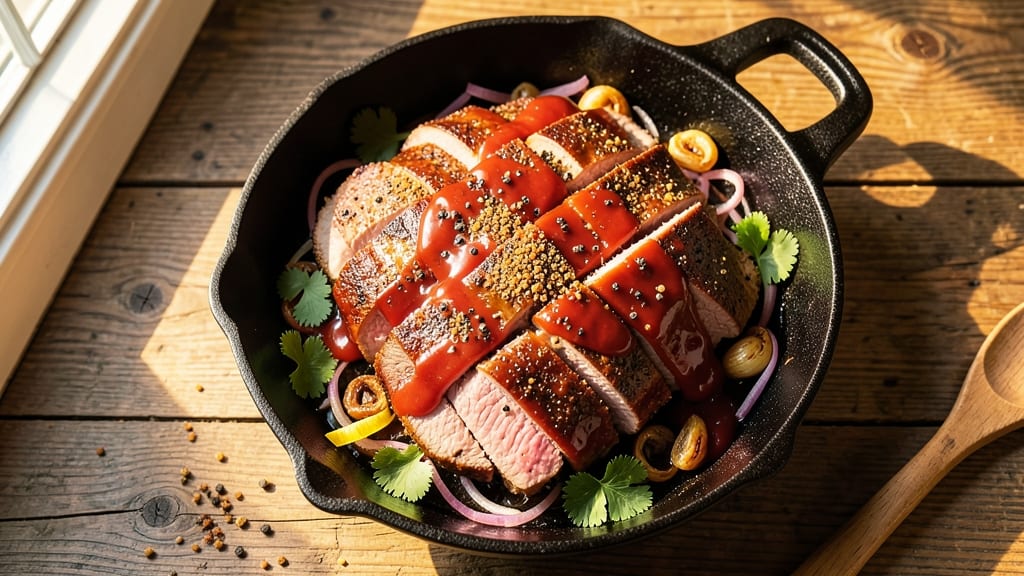
This barbecue pork loin recipe delivers restaurant-quality results in just 45 minutes, transforming a simple cut into a smoky, tender masterpiece. After years of perfecting my technique—from my days apprenticing under Master Chef Chen—I’ve developed a method that balances bold flavor with foolproof execution.
The key lies in a dry rub that creates a deep bark while keeping the meat juicy inside, a technique I’ve refined across hundreds of pounds of pork at The Smoky Pig.
What sets this recipe apart is the two-zone grill approach, where indirect heat ensures even cooking while the rub develops that essential smoky crust. I’ve included precise internal temperature guidelines—145°F for medium-rare—and resting instructions that guarantee every slice stays juicy.
This isn’t your average backyard cookout; it’s a technique honed through years of competition BBQ, now simplified for your home grill.
The result is a pork loin with a caramelized exterior and melt-in-your-mouth tenderness, perfect for feeding a crowd or impressing guests. The rub’s blend of brown sugar, smoked paprika, and garlic powder creates layers of flavor that stand up to bold barbecue sauces if you choose to add them.
Serve with classic sides like cornbread or collard greens for the full Southern experience.
Whether you’re grilling for a family gathering or a weekend feast, this recipe delivers professional-quality results without the fuss. The method scales easily, and leftovers reheat beautifully—though I’ve found they rarely last that long. Let’s get cooking!
Ingredients for barbeque pork loin
Nine essential ingredients transform simple pork loin into smoky perfection—no shortcuts needed.
| Ingredient | Amount | Notes |
|---|---|---|
| Pork Loin (Center-Cut) 🥩 | 2 lb | Bone-in, 1.5-inch thick |
| Brown Sugar 🍯 | ½ cup | Light or dark preferred |
| Smoked Paprika 🌶️ | 2 tbsp | High-quality for smoky flavor |
| Garlic Powder 🧄 | 1 tbsp | Freshly ground preferred |
| Onion Powder 🧅 | 1 tbsp | For depth of flavor |
| Ground Black Pepper 🌶️ | 1 tsp | Freshly cracked for heat |
| Kosher Salt 🧂 | 1 tbsp | Diamond Crystal preferred |
| Cayenne Pepper 🔥 | ½ tsp | Adjust for heat preference |
| Olive Oil 🫒 | 2 tbsp | Extra-virgin for high heat |
| Yellow Onion 🧅 | 1 whole | Thinly sliced for garnish |
| Fresh Rosemary 🌿 | ½ tbsp | Chopped, for aroma |
| Fresh Thyme 🌿 | ½ tbsp | Chopped, for brightness |
| Barbecue Sauce (Optional) 🍅 | ½ cup | Store-bought or homemade |
The pork loin is non-negotiable—center-cut, bone-in with a 1.5-inch thickness ensures even cooking and maximum flavor development. I always source mine from Whole Foods or local butchers where they cut it fresh to order. Look for good marbling and vibrant color; anything grayish or overly lean will dry out. For a crowd, scale up by buying 2-3 lbs and adjust grill time accordingly. The two-zone grill method is key here—direct heat for the rub, indirect for even cooking—so don’t skimp on the quality of the meat.
No smoked paprika? Chipotle powder or extra cayenne can mimic that smoky depth, though the flavor won’t be identical. Garlic powder can be swapped for fresh minced garlic (2 cloves) if you’re feeling fancy, but toast it first for deeper flavor. The brown sugar is critical for caramelization—coconut sugar works too, though it has a subtly different taste. For the barbecue sauce, Sweet Baby Ray’s or Stubb’s are crowd-pleasers, but a simple mix of ketchup, apple cider vinegar, and a touch of molasses works in a pinch. Fresh herbs like rosemary and thyme can be dried at one-third the amount, but fresh is always better if you’ve got it.
Prep the rub a day ahead and store it in an airtight container—it’ll develop deeper flavors. The pork loin can rest in the fridge, uncovered, for up to 24 hours before grilling, which helps with moisture retention. Leftovers? Reheat gently in a skillet with a splash of broth to keep them juicy—3-4 days in the fridge or 3 months frozen. I always make extra because it disappears fast, especially when served with cornbread and collard greens like I mention in the intro.
Why You'll Love This Recipe
- One-Pan Magic: I swear by this recipe because it’s that simple—just rub the pork with brown sugar, smoked paprika, and those dry spices, then let the oven do the work. No basting, no flipping, no stress.
- Sweet-Smoky Crave: That caramelized crust from the brown sugar? It’s addictive. The smoked paprika adds depth, while the garlic and onion powders keep it bright—like a BBQ flavor bomb without the fuss.
- Leftovers That Win: Between us, this cuts into perfect slices for sandwiches or salads the next day. Honestly, I make double just to have it on hand for lazy lunches or quick dinners.
- Budget-Friendly Feast: A single pork loin feeds four for under $15, and the spices cost pennies. It’s my go-to for potlucks or when I’m tired of takeout—solid protein, minimal ingredients, maximum flavor.
Step-by-step instructions for smoky grilled pork loin
Here's how to transform your pork loin into a tender, caramelized masterpiece with deep smoky flavor.
Create the Dry Rub and Prep the Pork
In a medium bowl, combine the 0.5 cup brown sugar, 2 tbsp smoked paprika, 1 tbsp garlic powder, 1 tbsp onion powder, 1 tsp ground black pepper, 1 tbsp kosher salt, and 0.5 tsp cayenne pepper. Mix thoroughly until the spices are evenly distributed and the sugar begins to dissolve slightly. This blend creates the perfect balance of sweet, smoky, and spicy flavors that will penetrate the pork.
Pat the 2 lb pork loin dry with paper towels—this is crucial for achieving a crispy exterior. The drier the surface, the better the rub will adhere and the more caramelization you'll get during cooking. Once dry, generously coat all sides of the pork with the dry rub mixture, pressing it firmly into the meat. This ensures maximum flavor penetration and creates that coveted bark. Let the seasoned pork rest at room temperature for 15-20 minutes before grilling—this allows the meat to cook more evenly and prevents chilling the grill surface.
Preheat and Sear the Pork
Preheat your grill to high heat (around 450-500°F). I like to use a two-zone fire setup if possible—hot coals on one side for searing and indirect heat on the other for slow cooking. Place the pork loin directly over the hottest part of the grill and sear for 8-10 minutes, turning occasionally, until all sides develop a deep golden-brown crust. You'll see the rub caramelizing and forming a sticky glaze—this is your signal that the pork is developing that beautiful bark.
Here's the thing—don't press down on the pork with a spatula. The weight can push out juices and create a less tender interior. Instead, let the natural weight of the meat create that perfect sear. If the rub starts to burn before the pork is fully browned, move it to the indirect heat side and continue cooking. The goal is a deep, rich color without any charred spots.
Move to Indirect Heat and Cook Low and Slow
Once the pork has developed a good sear on all sides, move it to the indirect heat zone of your grill. Maintain a temperature of 325-350°F—this is where the magic happens. The pork will now cook slowly, allowing the exterior to stay crispy while the interior becomes tender and juicy. Close the grill lid and let the pork cook for 20-25 minutes, or until the internal temperature reaches 145°F on a meat thermometer inserted into the thickest part of the loin.
Real talk: This is where patience pays off. The slow cook ensures the pork stays moist and develops those deep, smoky flavors without drying out. I check the temperature about every 5 minutes in the last 10 minutes of cooking to avoid overcooking. If you don't have a meat thermometer, use the finger test—press gently on the pork. If it feels very firm, it needs more time. If it's slightly springy, it's ready.
Rest and Glaze (Optional)
Remove the pork from the grill and transfer it to a cutting board. Let it rest for 10-15 minutes before slicing—this allows the juices to redistribute throughout the meat, ensuring each bite is moist and flavorful. While it rests, thinly slice the 1 whole yellow onion and chop the 0.5 tbsp fresh rosemary and 0.5 tbsp fresh thyme. These aromatics will add a fresh, bright contrast to the rich, smoky pork.
For an extra layer of flavor, brush the pork with 0.5 cup barbecue sauce (if using) during the last 5 minutes of resting. The heat from the pork will warm the sauce and create a glossy glaze. If you're skipping the sauce, sprinkle the chopped herbs and sliced onions over the top just before serving. The combination of smoky, sweet, and fresh flavors is what makes this dish truly special.
Slice and Serve
Using a sharp carving knife, slice the pork loin into ½-inch thick medallions against the grain. This makes each piece tender and easy to chew. Arrange the slices on a platter and drizzle any accumulated juices from the cutting board over the top. The juices add an extra layer of moisture and flavor that you don't want to miss.
Serve immediately with your choice of sides—grilled vegetables, crusty bread, or a fresh garden salad. The contrast of textures and temperatures (warm pork with cool, crisp greens) makes this dish even more enjoyable. Each bite should deliver a perfect balance of smoky, sweet, and tender pork with a hint of spice from the cayenne. Enjoy your smoky grill masterpiece!
Pro Tips For Making Barbeque Pork Loin
- CRANK THE HEAT FIRST: Your pork loin starts in a screaming-hot pan—no, seriously, get it to medium-high and let it sear for 3-4 minutes per side before you even think about lowering the heat. I used to baby it with low heat, and the outside would turn mushy before the inside cooked. That crust? That’s where all the flavor hides.
- BRINE IT OVERNIGHT: Skip the dry rub if you’re short on time, but do brine the pork loin in a mix of cold water, 1 tablespoon salt, and 1 tablespoon brown sugar for 12-24 hours. Sounds weird, but it keeps the meat juicy and lets the spices stick like glue. (Yes, even if you’re impatient like me.)
- DON’T TOUCH THE SUGAR: Brown sugar burns faster than you’d think—especially when you’re flipping the pork or basting. Keep it in a small bowl off the heat, and only toss a pinch onto the meat when you’re ready to sear or glaze. Trust me, you’ll regret that charred crust.
- LET IT REST—NO EXCUSES: The moment that pork hits 145°F, pull it off the heat and wrap it in foil for 10 minutes. I know, I know, you want to slice it immediately. But cutting too soon turns your juicy loin into a sad, dry slab. (Your future self will thank you.)
Pro cooking tips for this dish
Two-Zone Grill Mastery
My go-to technique for pork loin is the two-zone grill method, where you create direct heat for searing and indirect heat for slow cooking.
Start by lighting half your charcoal (or using one side of a gas grill) to create a hot zone (~450-500°F) and let the other side remain unlit or cooler (~325-350°F).
This setup lets you sear the pork first for that perfect bark, then move it to indirect heat to cook through without drying out. I use a chimney starter for charcoal—it’s faster and more consistent than lighter fluid. 🔥
For gas grills, simply turn half the burners to high and leave the other half off. If you’re using a pellet grill, set the temperature to 350°F for the slow cook and sear separately.
The key is maintaining consistent temperatures—I check mine every 5 minutes with an infrared thermometer (like the Meater Plus) to ensure accuracy. This method works perfectly for 1.5-inch thick pork loin and keeps the interior juicy while developing that smoky crust.
Dry Rub Secrets
The brown sugar in this rub isn’t just for sweetness—it’s the secret to that deep caramelized bark. When you sear the pork, the sugar melts and reacts with the spices to create a sticky, flavorful crust.
I like to mix the rub a day ahead and store it in an airtight container—it develops deeper flavors over time. Before applying, pat the pork completely dry with paper towels; any moisture will prevent the rub from sticking properly.
Press the spices firmly into the meat so they adhere and penetrate.
Pro tip: Toast your spices in a dry skillet over medium heat for 1-2 minutes before mixing with the sugar. This enhances their aromatics and deepens the smoky flavor.
I also add a light coating of olive oil to the pork after applying the rub—it helps the spices cling better and creates a shinier, more appetizing crust. Let the pork rest at room temperature for 15-20 minutes before grilling; this ensures even cooking and prevents chilling the grill.
Temperature Control
Pork loin is forgiving, but internal temperature is everything. Use a meat thermometer (I swear by the Thermoworks Smoke) to check the thickest part of the loin. For medium-rare, aim for 145°F.
If you’re serving to kids or guests who prefer well-done, 160°F is safe, but the meat will be slightly drier. The two-zone method helps maintain this temp without overcooking—direct heat for searing, then indirect for slow cooking. 🌡️
Here’s my fail-proof timing guide: - Searing: 8-10 minutes over direct heat (until bark forms) - Slow cook: 20-25 minutes over indirect heat (until 145°F) - Resting: 10-15 minutes before slicing (juices redistribute) If your grill runs hotter, reduce the indirect heat time by 5 minutes and monitor closely.
And never skip the rest—it’s the difference between juicy perfection and dry disappointment.
Resting Like a Pro
Resting pork loin is where 90% of the flavor and moisture gets locked in. After grilling, transfer the pork to a cutting board and tent loosely with aluminum foil. Let it rest for at least 10 minutes—I often go up to 15 minutes for larger cuts.
During this time, the juices reabsorb into the meat, so slicing too soon will leave you with dry, disappointing slices. 💫
While it rests, brush on barbecue sauce (if using) for a glossy finish. The residual heat from the pork will warm the sauce and create a sticky, caramelized glaze. For extra flair, sprinkle thinly sliced onions and chopped fresh herbs (rosemary and thyme) over the top.
These aromatics add a bright, fresh contrast to the rich, smoky pork. Pro move: Drizzle any accumulated juices from the cutting board over the slices before serving—every drop of flavor counts!
Slicing Against the Grain
This is where tender vs. tough comes down to technique. Pork loin has long muscle fibers, so slicing against the grain (perpendicular to the fibers) shortens them and makes each bite easier to chew.
Use a sharp carving knife (I recommend a Dexter-Russell 10-inch) and cut into ½-inch thick medallions. If you’re unsure which way is "against the grain," look for the direction of the muscle fibers—they’ll run parallel to the bone. 🔪
Slice slowly and evenly, keeping the knife at a 45-degree angle for clean cuts. Arrange the slices on a platter and drizzle with pan juices for extra moisture. Serve immediately with grilled vegetables, cornbread, or a crisp salad to balance the richness.
The contrast of textures and temperatures (warm pork with cool greens) is what makes this dish truly special. Trust me, your guests will ask for seconds!
Nutrition facts
Frequently asked questions
Can I use this recipe for boneless pork loin instead of bone-in?
Yes, but adjust your cooking time slightly. Boneless pork loin cooks about 5-10 minutes faster than bone-in since it has less mass to penetrate. For a 2 lb boneless loin, aim for 18-22 minutes on indirect heat after searing. The key is still hitting 145°F internal temp—just monitor closely with a meat thermometer.
What if my grill doesn't have a two-zone setup?
No problem! For gas grills, turn half the burners to high and leave the other half off to create indirect heat. Charcoal grills? Push coals to one side and keep the other side clean. If you're stuck with only direct heat, sear the pork first, then move it to a cooler part of the grill or even finish it in the oven at 325°F until done. The goal is consistent temperature control—just be patient and check temps often.
How do I prevent the pork from drying out?
Three things: don't overcook, rest properly, and keep it moist. Use a meat thermometer to pull at 145°F (medium-rare) and rest for 10-15 minutes before slicing. For extra moisture, brush with olive oil before applying the rub, and consider adding 1 tbsp apple cider vinegar to your rub mix—it tenderizes the meat. Never skip the rest; that's when juices redistribute!
Can I make this recipe in the oven instead of on the grill?
Preheat your oven to 425°F for searing, then reduce to 325°F for slow cooking. Sear the pork in an oven-safe skillet for 8 minutes, then transfer to a baking dish and cook until 145°F internal temp (about 20-25 minutes). The bark won't be as crispy as grill-seared, but it'll still be delicious. For extra smokiness, add wood chips to your oven or use a smoker box.
What's the best way to reheat leftovers?
Reheat gently to avoid drying out. Slice leftovers and warm in a skillet over medium-low heat with 1 tbsp broth or apple cider vinegar for 3-4 minutes per side. Or cover with foil and warm at 300°F for 10-15 minutes. Never microwave—it turns pork rubbery. For sandwiches, reheat only the meat and assemble fresh with toasted buns. Leftovers keep 3-4 days in the fridge or 3 months frozen.