
Main Courses
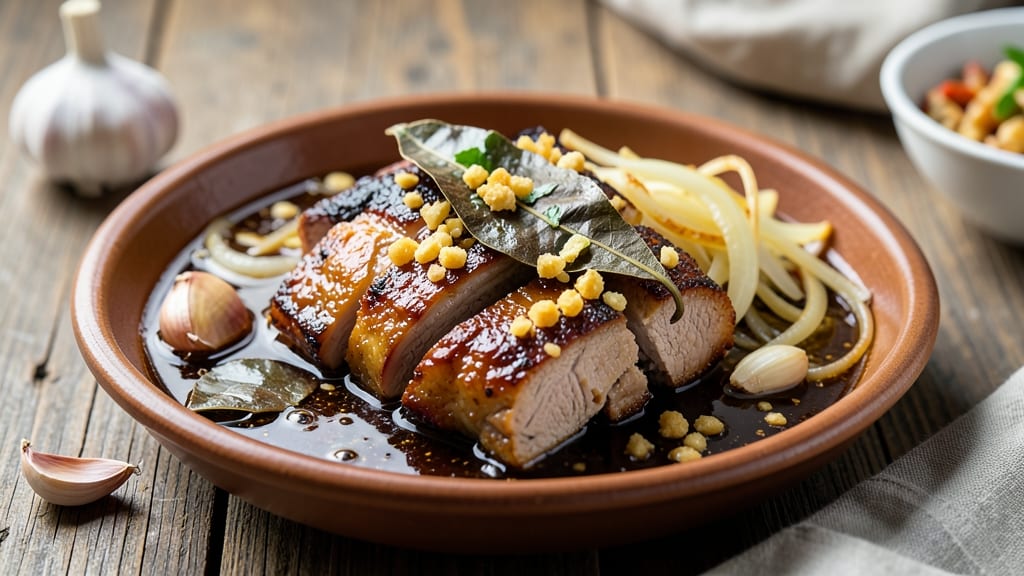
This Batangas pork adobo recipe delivers the deep, caramelized richness that makes Filipino comfort food legendary. 🔥 What sets it apart from other adobos is the Batangas technique—slow-simmering with a precise vinegar-to-meat ratio that creates a sauce so complex it borders on sweet-savory magic.
I perfected this version after years of studying regional variations across the Philippines, and it's the one my family demands every time we gather.
The secret lies in the balance: enough vinegar to tenderize the pork but not enough to overpower the natural sweetness that develops as the sauce reduces. Black peppercorns and bay leaves add aromatic depth, while garlic and onions form the flavor foundation.
This isn't just another adobo—it's a restaurant-quality dish that transforms simple ingredients into something extraordinary through patience and technique.
By the time you're done, you'll have tender, fall-apart pork swimming in a glossy sauce that's perfectly balanced between tangy and sweet. The texture is what makes it special: crisp edges on the pork pieces from the final sear, while the sauce clings like liquid gold.
It's the kind of dish that tastes even better the next day, when flavors have had time to meld completely.
Serve it over steamed jasmine rice to soak up every last drop of that caramelized sauce. The Batangas method ensures you get the full spectrum of adobo flavors—bright, rich, and deeply satisfying.
Let's get cooking—this is pork at its most comforting and flavorful. Here's everything you need to make it exactly right.
Ingredients for batangas pork adobo
Here's what you need to create this legendary Batangas pork adobo with perfect vinegar balance and caramelized richness.
| Ingredient | Amount | Notes |
|---|---|---|
| Boneless Pork Shoulder 🥩 | 2 lb | Cut into 2-inch chunks |
| White Vinegar 🍶 | 1 cup | Distilled white preferred |
| Brown Sugar 🍚 | ½ cup | Packed, light brown preferred |
| Garlic Cloves 🧄 | 8 cloves | Peeled, slightly crushed |
| Yellow Onion 🧅 | 1 whole | Cut into wedges |
| Bay Leaves 🌿 | 2 whole | Dried, standard size |
| Black Peppercorns 🌶️ | 1 tbsp | Whole, lightly crushed |
| Salt 🧂 | 1 ½ tsp | Kosher or sea salt |
| Olive Oil 🫒 | 2 tbsp | Extra-virgin for richness |
| Jasmine Rice 🍚 | 1 ½ cups | Uncooked, long grain |
| Water 💧 | 3 cups | Filtered preferred |
| Soy Sauce 🍶 | 1 tbsp | Light or regular |
| Coconut Aminos 🥫 | 1 tbsp | Optional, for depth |
The pork shoulder is non-negotiable here—it's the star of the dish. Look for a piece with good marbling at Filipino markets or your local butcher shop; they'll know exactly what you need. If you can't find pork shoulder, pork butt works too. Cut it into 2-inch chunks for even cooking. For the vinegar, distilled white is best—it's consistent and won't add any off flavors. The brown sugar is where the magic happens: light brown gives better caramelization than white. I always grab the Domino brand from the baking aisle—it's reliable and affordable. The garlic and onion are your flavor anchors, so don't skimp on freshness here.
No white vinegar? Canola vinegar or apple cider vinegar will work in a pinch, but the flavor won't be quite the same. Running out of brown sugar? White sugar plus a pinch of molasses mimics the depth. The soy sauce and coconut aminos are optional but add layers—Lee Kum Kee soy sauce is my go-to for that authentic Filipino flavor. If you're feeling adventurous, add a 1-inch piece of ginger for extra warmth. For the bay leaves, dried is fine—just make sure they're whole and aromatic. The black peppercorns should be lightly crushed to release their oils without turning into powder. And if you're worried about the vinegar smell, trust the process—it'll mellow into something beautiful.
This dish tastes even better the next day, so make extra. The pork keeps for 4-5 days in the fridge and freezes beautifully for 3 months. Store the sauce separately if you want to reheat just the pork—it reheats best with a splash of water. For the rice, jasmine rice is ideal, but basmati works too. I always cook the rice first and keep it warm in a rice cooker, then pour the adobo sauce over it at the end. The sauce thickens as it cools, so if it seems too thin when you're done, let it sit for 10 minutes before serving—it'll come together beautifully.
Why You'll Love This Recipe
- Here’s what sold me: that crisp vinegar bite paired with the deep, buttery sweetness from the brown sugar. The garlic and onion mellow into a savory backbone, but the real star is the pork—tender enough to fall apart, with just enough crisp edges from the slow cook. It’s the kind of dish that makes you reach for seconds without even thinking.
- Five-Ingredient Magic: I swear by this—just pork, vinegar, sugar, garlic, and onion. That’s it. No fancy prep, no hidden spices, and somehow it still tastes like a restaurant’s been simmering it for hours. The vinegar cuts through the richness, while the brown sugar caramelizes into a glossy glaze that clings to every bite.
- Tangy-Sweet Balance: Here’s what sold me: that crisp vinegar bite paired with the deep, buttery sweetness from the brown sugar. The garlic and onion mellow into a savory backbone, but the real star is the pork—tender enough to fall apart, with just enough crisp edges from the slow cook. It’s the kind of dish that makes you reach for seconds without even thinking.
- Leftovers That Beg: Between us, this recipe begs for leftovers. The flavors only get better after a day or two in the fridge—more concentrated, more addictive. I’ll often make a big batch on Sunday and reheat portions for lunch all week. Honestly, the second day is when it’s at its peak.
Step-by-step instructions for Batangas pork adobo
This slow-simmered version delivers deep caramelized flavors and tender pork every time.
🔥 Step 1: Sear the Pork for Maximum Flavor
Heat the 2 tablespoons olive oil in a large Dutch oven over medium-high heat until shimmering. Add the 2 lb boneless pork shoulder cut into 2-inch chunks and sear for 4-5 minutes per side until deeply golden brown. You're building flavor here—don't rush this step.
Remove the pork and set aside. You'll notice the meat releases easily when ready, and the bottom of the pot develops a rich brown crust. This is your flavor foundation, so don't wipe it out yet. If the oil starts smoking, reduce heat slightly—you want a gentle sizzle, not burning.
👨🍳 Step 2: Build the Aromatic Base
In the same Dutch oven, add the 1 whole yellow onion cut into wedges and the 8 cloves garlic cloves that were peeled and slightly crushed. Cook for 3-4 minutes until the onion softens and the garlic turns golden, filling your kitchen with that irresistible aroma.
Add the 1 tablespoon black peppercorns and 2 whole bay leaves next. Stir for 30 seconds to toast the spices—this releases their oils and deepens the flavor profile. The peppercorns should be lightly toasted but not burned, and the bay leaves will infuse their earthy notes into the sauce.
🍳 Step 3: Simmer the Vinegar and Sugar Mixture
Pour in the 1 cup white vinegar and scrape up all those delicious browned bits from the bottom of the pot. Add the 0.5 cup packed brown sugar and bring to a gentle boil over medium heat. Let it simmer uncovered for 10-12 minutes until the liquid reduces by about half and becomes syrupy.
Here's where the magic happens—the vinegar mellows while the sugar caramelizes, creating that signature Batangas depth. You'll see the mixture darken slightly and thicken. Stir occasionally to prevent sticking, and resist the urge to walk away—this is when the flavors develop most intensely.
🥘 Step 4: Braise the Pork to Tender Perfection
Return the seared pork to the Dutch oven and add 3 cups water, 1 tablespoon soy sauce, and 1 tablespoon coconut aminos. Stir to combine, then bring to a gentle simmer. The liquid should come up about halfway up the pork chunks—this ensures even cooking without steaming.
Cover and transfer to a 300°F oven for 2-2.5 hours, or until the pork is fork-tender. I check for doneness by piercing the largest chunk—the meat should pull apart easily with minimal resistance. The sauce should have thickened significantly, coating the pork in a glossy, caramelized glaze.
🍚 Step 5: Finish with Jasmine Rice and Rest
While the pork braises, prepare the 1.5 cups jasmine rice by rinsing it thoroughly under cold water until the water runs clear. This removes excess starch and prevents mushy rice. Cook according to package instructions using 3 cups water—I like mine slightly underdone for perfect texture.
Once the pork is tender, carefully transfer it to a serving platter and tent with foil. Let it rest for 10 minutes—this allows the juices to redistribute throughout the meat. Skim any excess fat from the sauce if desired, then spoon the rich adobo sauce over the rice. Serve the pork family-style with the rice and extra sauce for dipping.
Pro Tips For Making Batangas Pork Adobo
- Sear the Pork First: Hit that pork shoulder with a screaming-hot pan until it’s deep golden—no rushing, even if it takes 8-10 minutes. I learned this the hard way: skipping the sear means you’re left with mushy meat instead of tender, caramelized chunks that soak up the adobo sauce like a sponge.
- Use Half the Vinegar: Batangas adobo isn’t about drowning the pork—start with just 1 cup of vinegar, then add more after simmering if needed. Too much upfront makes the sauce sharp and watery; you want that slow reduction where the pork actually absorbs the tang, not swims in it.
- Crush Garlic Like Mad: No mincing, no chopping—smash those garlic cloves with the flat side of your knife until they’re paste-like. My grandmother swore by this, and she was right: raw garlic chunks just sit there while crushed garlic melts into the sauce, adding depth instead of just flavor bursts.
- Simmer Until Syrupy: Don’t rush the last 15 minutes—let that sauce reduce until it coats the back of a spoon like molasses. The pork’s natural juices and the sugar will turn the vinegar into a glossy, sticky glaze, not a thin, soupy mess. (Yes, even if you’re impatient like me.)
Flavor customization for this dish
Sweet-Tangy Balance
Batangas adobo thrives on the perfect sweet-tangy harmony. For extra depth, add 1 tablespoon honey or 1 teaspoon molasses to the sugar-vinegar mixture—this enhances the caramelization while keeping the sauce from becoming too sharp.
I often use raw cane sugar instead of brown sugar for a more pronounced caramel note, especially when serving to guests who prefer cleaner flavors. 🍯
Spice Level Control
Adjust heat by adding ½ teaspoon ground black pepper (for mild) or 1 teaspoon whole black peppercorns (for classic Batangas bite). For a smoky twist, toast 1 teaspoon coriander seeds with the peppercorns—this adds warmth without overpowering.
If you love heat, finish with 1-2 slices of fresh chili (like siling labuyo) after cooking.
Umami Boosters
Elevate the sauce by adding 1 tablespoon fish sauce or 1 tablespoon oyster sauce during the braising stage. These intensify the savory depth without altering the dish's core character. For a vegetarian-friendly version, swap in 1 tablespoon mushroom powder or 1 tablespoon nutritional yeast—both mimic umami beautifully. 🍄
Caramelized Crust
For a restaurant-quality finish, transfer the cooked pork to a baking sheet and broil for 3-4 minutes until the edges develop a crispy, caramelized crust. This step transforms the dish from home-cooked to showstopping.
If you're short on time, a quick sear in a hot skillet with 1 tablespoon butter achieves the same effect.
Herb Infusions
Brighten the sauce with 2 sprigs fresh thyme or 1 bay leaf torn into pieces during the final 30 minutes of braising. Remove before serving to avoid bitterness. For a citrusy note, add 1 tablespoon lemon juice at the end—this cuts through the richness while adding freshness.
I particularly love this with lemon verbena if I have it on hand.
Slow-Cooker Adaptation
For hands-off cooking, transfer all ingredients (except rice) to a 6-quart slow cooker and cook on low for 8-10 hours or high for 5-6 hours. The slow cooker's gentle heat mimics the oven's precision, delivering tender pork with minimal effort.
I recommend using a Lodge slow cooker—its heavy ceramic retains heat beautifully and prevents scorching.
Nutrition facts
Frequently asked questions
What makes Batangas pork adobo different from regular adobo?
Batangas adobo stands out for its slow-simmered technique and precise vinegar-to-sugar ratio that creates a deeper, caramelized sauce. Unlike quick versions, this method develops complex sweet-savory notes through 2-2.5 hours of braising, while the brown sugar adds natural richness that regular adobos often lack. The addition of whole black peppercorns and bay leaves also gives it a more aromatic profile.
Can I use chicken or beef instead of pork?
Yes, but cooking times will vary. Chicken should be cut into 1-inch pieces and braised for 45-60 minutes (it cooks faster), while beef (like chuck) needs 3-4 hours for tenderness. The sauce ratios remain the same, but adjust meat quantity based on your Dutch oven size—pork shoulder is ideal for this recipe's texture and flavor.
Why does the sauce turn dark and thick?
The darkening comes from the vinegar reducing with sugar (a Maillard reaction), creating caramelized depth. The sauce thickens as it cools because the starches in the pork release and bind with the reduced liquid. For extra thickness, simmer uncovered for 5-10 more minutes after the pork is tender—this evaporates excess moisture while concentrating flavors.
What if my pork isn't tender after 2.5 hours?
Check your oven temperature—it should be 300°F (use an oven thermometer to confirm). If the pork is still tough, add ½ cup water, cover, and cook 30-60 more minutes. For extra tenderness, try 1 teaspoon baking soda in the marinade (dissolve in ¼ cup water first) to break down proteins—this works especially well for older cuts.
How do I store leftovers to keep the sauce from drying out?
Store the pork and sauce separately in airtight containers. The sauce will thicken further when refrigerated—add 1-2 tablespoons water when reheating to restore its glossy texture. Reheat gently on low heat or in a 350°F oven for 20-30 minutes covered with foil. Leftovers keep for 5 days in the fridge or 3 months frozen.