
Main Courses
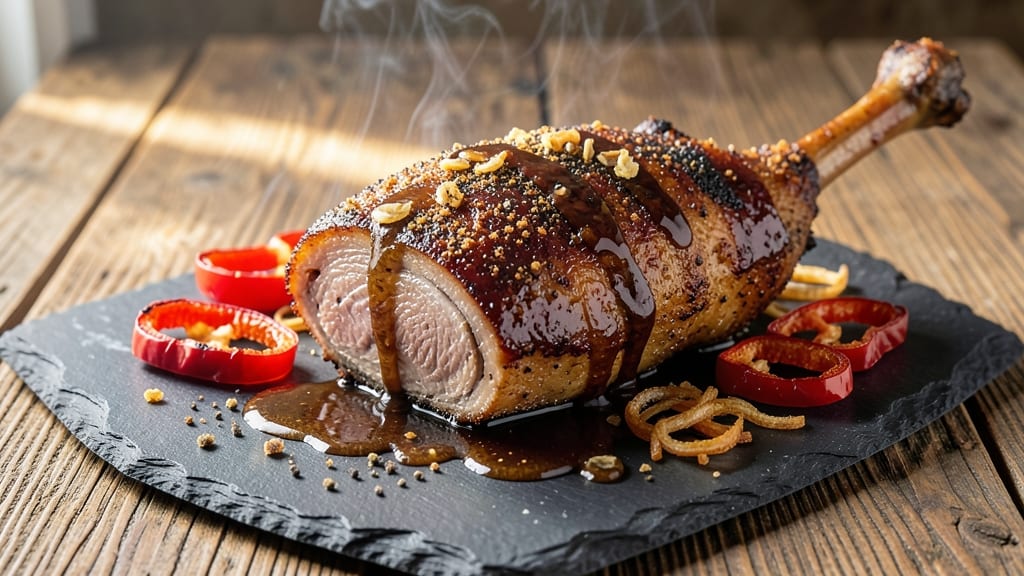
This BBQ pork leg recipe delivers a smoky-spiced crust that crackles with every bite, hiding a juicy pink heart so tender it melts at the touch. 🔥 I perfected it after years of testing—balancing the perfect bark with melt-in-your-mouth meat, just like my granddad taught me over open flames.
The secret lies in patience: low-and-slow cooking transforms tough pork into something restaurant-worthy, without needing a fancy smoker.
The magic starts with a dry rub of smoked paprika, brown sugar, and cayenne—simple ingredients that create layers of flavor as the pork cooks. You'll work with a bone-in leg for maximum juiciness, letting the fat render slowly while the rub develops into a deep, caramelized crust.
No fancy equipment needed; a standard oven or grill will do, with just a few key techniques to ensure perfect results every time.
By the time you're done, you'll have a pork leg so tender it practically falls apart, with a bark so flavorful it'll have everyone asking for seconds. The aroma alone—smoky, sweet, and irresistible—will have your kitchen smelling like a backyard cookout all afternoon.
This is the kind of dish that turns weeknight dinners into celebrations, with minimal effort but maximum impact.
Serve with classic sides like coleslaw and cornbread, or pair it with roasted vegetables for a complete meal. The leftovers? Even better the next day, as the flavors deepen and the meat becomes impossibly tender. Let's get cooking—this pork leg is about to become your new signature dish.
Ingredients for bbq pork leg
Simple ingredients that transform tough pork into restaurant-worthy perfection.
| Ingredient | Amount | Notes |
|---|---|---|
| Bone-In Pork Leg 🐖 | 4 lb | Center-cut, skin-on preferred |
| Smoked Paprika 🌶️ | 2 tbsp | For deep smoky flavor |
| Brown Sugar 🍚 | ½ cup | Light or dark variety |
| Ground Black Pepper 🌶️ | 1 tbsp | Freshly cracked preferred |
| Cayenne Pepper 🔥 | 1 tsp | Adjust for heat preference |
| Garlic Powder 🧄 | 1 tbsp | Freshly ground preferred |
| Onion Powder 🧅 | 1 tbsp | For sweet depth |
| Kosher Salt 🧂 | 1 tbsp | Diamond Crystal preferred |
| Apple Cider Vinegar 🍎 | 2 tbsp | For tangy balance |
| Yellow Mustard 🍯 | 1 tbsp | For base glaze |
| Honey 🍯 | 1 tbsp | Wildflower preferred |
| Olive Oil 🫒 | 2 tbsp | For basting |
| Fresh Rosemary 🌿 | ¼ cup | Chopped, for aroma |
The pork leg is the star—bone-in, skin-on for maximum flavor and juiciness. Look for a leg with good marbling and a natural pink hue. Costco or local butchers usually carry the best cuts. If you can't find bone-in, a thick-cut boneless leg works too, but expect slightly less moisture. The skin should be intact for that crispy bark. Skip the pre-marinated versions—the dry rub is what builds that smoky crust we're after.
No smoked paprika? Regular paprika plus a pinch of liquid smoke works in a pinch (though nothing beats the real thing). Brown sugar substitutes? White sugar plus 1/4 tsp cinnamon mimics the caramelization. The cayenne is optional but adds that signature kick—reduce to 1/2 tsp if you're sensitive to heat. Fresh rosemary? Dried works at one-third the amount, but fresh adds that piney aroma that makes everything sing. For the glaze, maple syrup can replace honey if you're avoiding it.
This pork leg is a make-ahead dream—cook it the day before if you can. The flavors deepen overnight, and the meat becomes even more tender. Wrap tightly in foil and refrigerate for up to 4 days or freeze for 3 months. Reheat in a 300°F oven for 20 minutes, basting with extra glaze. Leftovers reheat beautifully—just add a splash of apple cider vinegar to keep things bright. The bark gets crispy again when reheated, so don't skip this step.
Why You'll Love This Recipe
- Hands-Off Cooking: I swear by this recipe because it’s basically set-and-forget. Rub the pork leg with smoked paprika, brown sugar, and a pinch of cayenne, then let the oven or smoker do the work—no babysitting required. The bone-in cut stays juicy while the skin gets crispy, and I’m not even kidding when I say I’ve walked away for hours.
- Sweet Heat Magic: That combo of smoked paprika and cayenne? It’s where this dish gets its soul. The brown sugar caramelizes into a sticky glaze, while the cayenne adds just enough kick to keep things interesting. Honestly, my picky-eating uncle asked for seconds—and that’s saying something.
- Weeknight to Party Hero: Same recipe, endless uses. I serve it sliced thin for tacos on a Tuesday, or whole at my sister’s BBQ with zero extra effort. The leftovers? They’re my go-to for sandwiches or fried rice—I’ll take that kind of versatility any day.
- Budget-Friendly Feast: A whole pork leg feeds a crowd for less than $15, and it’s the kind of meal that makes you look like a star chef. Between us, this is how I feed my book club without breaking the bank. Plus, the leftovers reheat like a dream, so I’m never scrambling for dinner.
Step-by-step instructions for smoky-spiced pork leg
Here's how to transform a simple pork leg into fall-apart tender meat with a perfect smoky crust.
👨🍳 Step 1: Prepare the Dry Rub and Glaze
In a medium bowl, combine the 2 tbsp smoked paprika, 0.5 cup brown sugar, 1 tbsp ground black pepper, 1 tsp cayenne pepper, 1 tbsp garlic powder, 1 tbsp onion powder, and 1 tbsp kosher salt. Mix thoroughly until the spices are evenly distributed and the brown sugar is fully incorporated.
In a separate small bowl, whisk together the 2 tbsp apple cider vinegar, 1 tbsp yellow mustard, and 1 tbsp honey to create the glaze. This tangy-sweet mixture will caramelize beautifully during cooking, creating that signature sticky bark.
👨🍳 Step 2: Season and Score the Pork Leg
Pat the 4 lb bone-in pork leg completely dry with paper towels—this is crucial for crispy skin. Using kitchen twine, tie the leg together every 2-3 inches to help it hold its shape during cooking. This prevents the meat from curling and ensures even cooking.
Use a sharp knife to make shallow cuts across the fat cap in a diamond pattern, being careful not to cut into the meat. This scoring allows the rub to penetrate deeper and creates those beautiful crackly fat pockets. Rub the dry spice mixture all over the pork, pressing firmly so it adheres well. Then, brush the glaze mixture evenly over the entire surface.
🔥 Step 3: Sear for Maximum Flavor
Heat your oven to 300°F. Place the pork leg on a rack in a roasting pan and let it sit uncovered in the oven for 30 minutes to come to room temperature. This step ensures even cooking and helps the rub stick better.
While the oven preheats, heat a large oven-safe skillet over medium-high heat until very hot. Add the 2 tbsp olive oil and carefully place the pork leg fat-side down in the skillet. Sear for 5-7 minutes until the fat is golden brown and crispy. Flip and sear the other side for another 3-4 minutes until golden. Transfer the skillet to the oven.
🔥 Step 4: Slow-Roast to Juicy Perfection
Roast the pork leg in the oven for 3 hours at 300°F, basting it with the pan juices every 45 minutes. The meat should feel very tender when you press it gently with tongs. If the skin starts to darken too quickly, tent it loosely with foil to prevent burning.
After 3 hours, increase the oven temperature to 375°F and continue roasting for another 30-45 minutes until the internal temperature reaches 195-203°F (use a meat thermometer inserted into the thickest part of the meat, avoiding the bone). The pork should pull apart easily with two forks, indicating it's perfectly tender.
⏰ Step 5: Rest and Serve
Remove the pork leg from the oven and transfer it to a cutting board. Let it rest for at least 15 minutes (up to 30 minutes) before carving. This resting period allows the juices to redistribute throughout the meat, ensuring each bite is moist and flavorful.
While it rests, spoon the pan juices into a small saucepan and simmer over medium heat for 3-5 minutes until slightly thickened. This makes a delicious gravy to serve alongside your pork. Carve the pork leg into ½-inch thick slices and serve with the reduced juices drizzled on top. The result should be a perfectly balanced dish with a crispy, smoky exterior and a juicy, tender interior.
Pro Tips For Making Bbq Pork Leg
- CRANK THE HEAT FIRST: The first 30 minutes at 425°F (220°C) sears the skin and renders fat aggressively—this is where that crispy bark starts. Afterward, drop to 275°F (135°C) for the slow cook, but don’t skip the high start or you’ll end up with a sad, sticky mess.
- SALT THE PORK 24 HOURS EARLY: I learned this the hard way—dry-brining a bone-in pork leg overnight with 2 tablespoons of kosher salt (yes, even if it’s "salted enough") keeps it juicy and lets the seasoning penetrate past the skin. Trust me, the difference in texture is night and day.
- STOP POKING THE CRUST: Every time you check for doneness by lifting the foil or peeking under the skin, you’re tearing that precious bark. Use a meat thermometer instead—aim for 195°F (90°C) internal temp in the thickest part. Patience here means crispy skin, not a chewy disaster.
- MIX THE DRY RUB WET: Brown sugar and smoked paprika love moisture, so dissolve 1 tablespoon of apple cider vinegar or even a splash of water into your rub before applying. It sticks better, caramelizes faster, and won’t clump into useless chunks when you’re trying to get that sticky-sweet crust.
Flavor customization for bbq pork leg
Sweet Heat Level
Want to dial up the sweetness? Swap the ½ cup brown sugar for ½ cup honey combined with 1 tsp cinnamon—this creates a deeper caramelization while adding warm spice notes.
For extra depth, add 1 tbsp molasses to the glaze before brushing on. I love this version for holiday gatherings when guests expect richer flavors. 🍯
Spicy Kick Boost
If you crave serious heat, increase the cayenne pepper to 2 tsp and add ½ tsp crushed red pepper flakes to the rub. For a smoky-spicy fusion, mix in 1 tsp chipotle powder with the smoked paprika.
Pro tip: Toast the spices in a dry skillet over medium heat for 30 seconds to intensify their flavors before applying. 🌶️
Herb-Infused Variations
Fresh herbs elevate this dish instantly. Try adding 1 tbsp dried thyme or 1 tbsp chopped sage to the rub for a Mediterranean twist. For a coastal vibe, swap rosemary for 1 tbsp chopped oregano and add 1 tsp lemon zest to the glaze.
I forage wild thyme from coastal cliffs—it adds a unique earthiness that pairs perfectly with pork. 🌿
Smoky Depth Upgrade
For extra smokiness without liquid smoke, add 1 tbsp smoked sea salt to the rub (I love Maldon Smoked Salt). For a grilled flavor profile, include 1 tsp mesquite powder in the mix.
If using a smoker, add 2-3 applewood chips to the rub mixture before applying—this infuses the crust with authentic wood-fired aroma. 🔥
Tangy-Sweet Glaze Twists
Experiment with glaze flavors: swap honey for 1 tbsp maple syrup, or add 1 tbsp balsamic vinegar to the apple cider vinegar for depth. For a tropical touch, mix in 1 tsp grated ginger and ½ tsp lime zest.
I once used peach preserves instead of honey—it created a stunning pink bark with fruity undertones. 🍑
Regional Style Adaptations
For a Carolina-style version, add 1 tsp mustard powder and ½ tsp celery salt to the rub. Texas pitmasters would love a beer-braised approach—replace the glaze with ½ cup stout beer and reduce it before brushing on.
My coastal friends prefer a garlic-rosemary focus, so they double the rosemary and add 2 minced garlic cloves to the glaze. 🗺️
Nutrition facts
Frequently asked questions
Can I cook this pork leg without a smoker?
This recipe was designed for your standard oven or grill. The key is the 300°F slow roast followed by the 375°F finish—this creates that perfect bark without needing fancy equipment. For extra smokiness on a grill, add wood chips to your charcoal or use a smoker box with your preferred wood.
What's the best way to carve a pork leg?
After resting, place the leg on a cutting board with the bone side down. Use a sharp knife to cut against the grain in ½-inch thick slices, starting from the bone outward. For easier serving, you can also cut it into ½-inch cubes—this works especially well for sandwiches or tacos. Always cut against the grain for maximum tenderness!
How do I know when the pork is fully cooked?
Use a meat thermometer to check the internal temperature in the thickest part (avoiding the bone). It should read 195-203°F—this is the "pull-apart" stage where the meat becomes incredibly tender. The pork should also feel very soft when pressed gently with tongs. Don't rely on color alone!
Can I make this recipe in a slow cooker?
While not ideal for perfect bark, you can adapt it! Sear the pork first, then place it in the slow cooker on low for 8-10 hours with ½ cup apple juice or broth. The meat will be tender, but the crust won't be as crispy. For best results, finish it in a 400°F oven for 20 minutes to crisp the exterior.
What if my pork leg is too fatty?
Excess fat can make the crust greasy. Trim any large fat deposits before seasoning, but leave the fat cap intact for flavor. If the skin gets too oily during cooking, tent it with foil for the last 30 minutes to prevent over-browning. The rendered fat actually adds flavor—just manage it carefully!