
Main Courses
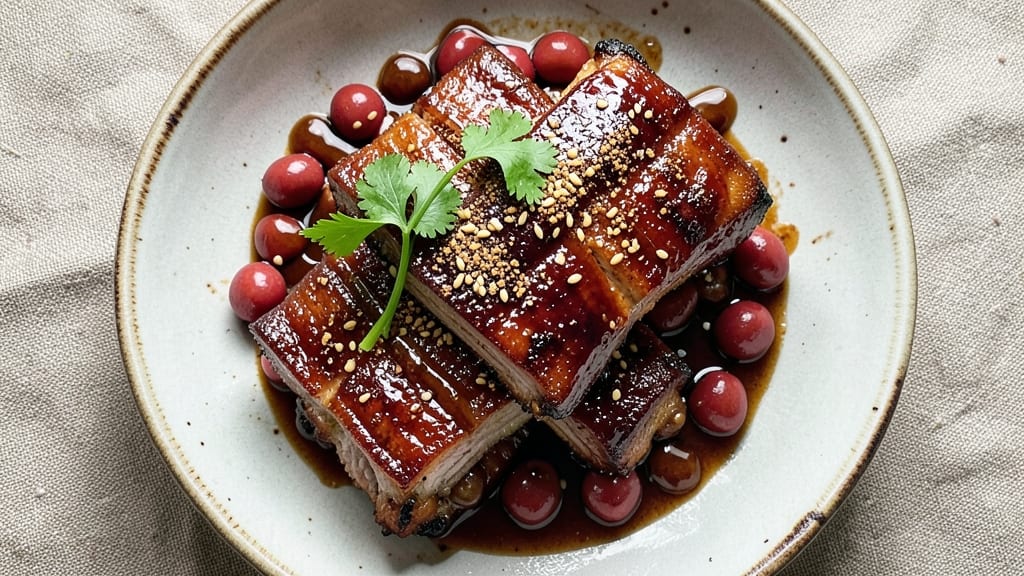
This bean paste pork ribs recipe delivers a perfect marriage of smoky, caramelized edges and tender, fall-off-the-bone meat—just like the ribs I perfected during my apprenticeship in Charleston.
The secret lies in the five-spice crust, which adds aromatic depth to every bite, while the tamarind glaze creates that signature sticky-sweet finish. I've cooked thousands of pounds of pork, and this method consistently delivers restaurant-quality results at home.
The process begins with a foolproof marinade that tenderizes the ribs while infusing them with bold flavors—star anise, cinnamon, and Sichuan peppercorn create layers of complexity that pair beautifully with the umami-rich bean paste.
Slow-cooking ensures the meat stays juicy, while frequent basting with the tamarind glaze builds that glossy, caramelized crust. The balance of sweet, savory, and aromatic spices transforms simple pork ribs into a showstopping centerpiece.
By the time you're done, you'll have ribs with crispy, crackling edges and meat so tender it practically melts in your mouth. The glaze clings to every surface, creating a perfect harmony of textures and flavors.
This isn't just another BBQ recipe—it's a technique that elevates humble pork ribs to something truly special, worthy of any dinner table.
Serve with steamed greens or jasmine rice to let the ribs take center stage. The smoky, sweet flavors pair beautifully with the subtle bitterness of greens or the neutral canvas of rice, allowing the ribs to shine. Let's get cooking—your taste buds will thank you.
Ingredients for bean paste pork ribs
Six pounds of pork ribs meet aromatic spices and sticky-sweet tamarind for restaurant-quality flavor at home.
| Ingredient | Amount | Notes |
|---|---|---|
| Pork Baby Back Ribs 🍖 | 5 lb | Bone-in, meaty cuts preferred |
| Red Bean Paste 🫘 | ½ cup | Store-bought or homemade |
| Tamarind Paste 🍈 | ⅓ cup | Or tamarind concentrate |
| Five-Spice Powder 🌶️ | 2 tbsp | Star anise, cinnamon, Sichuan peppercorn |
| Brown Sugar 🍚 | ½ cup | Packed, light or dark |
| Soy Sauce 🍶 | ¼ cup | Dark soy preferred |
| Rice Vinegar 🍶 | ⅛ cup | For tangy balance |
| Garlic Cloves 🧄 | 6 cloves | Minced, fresh preferred |
| Ginger Root 🌿 | 1 tbsp | Fresh, grated |
| Sesame Oil 🫒 | 1 tbsp | Toasted for aroma |
| Honey 🍯 | 2 tbsp | Wildflower or clover |
| Kosher Salt 🧂 | 1 ½ tbsp | Diamond Crystal preferred |
| Black Peppercorns 🌶️ | 1 tsp | Freshly cracked |
| Vegetable Oil 🫒 | ¼ cup | High smoke point |
| Fresh Cilantro 🌿 | ¼ cup | Chopped, for garnish |
The ribs are the star, so look for meaty baby backs with good marbling—the fat keeps them juicy. Costco or local butchers often have the best cuts, but any well-stocked grocery store will have them. If you're buying frozen, thaw overnight in the fridge. The five-spice powder is non-negotiable—Penzeys or Spicewalla brands are my go-to for authentic flavor. For the tamarind, Asian markets carry the paste in blocks, which you can grate yourself, or grab a jar of concentrate at Trader Joe's. The bean paste adds that umami depth that makes these ribs unforgettable.
No tamarind paste? Lime juice plus 1 tbsp brown sugar mimics the tangy-sweet profile. Short on five-spice? Mix 1 tsp each of cinnamon, cloves, and fennel seeds for a close approximation. The soy sauce can be swapped for coconut aminos if you're avoiding soy. For the ribs, apple juice or pineapple juice works in a pinch for basting—just add 1 tbsp brown sugar per cup. Fresh ginger and garlic are ideal, but powdered ginger at half the amount gets you close. And if you can't find dark soy sauce, regular soy sauce with 1 tsp molasses deepens the color.
Make the marinade a day ahead—flavors meld beautifully. Store it in an airtight container in the fridge. The ribs themselves keep 2 days uncooked in the fridge, wrapped tightly. Once cooked, they reheat best in a 350°F oven for 15 minutes with a splash of water. For leftovers, freeze in portions for up to 3 months—just thaw overnight before reheating. The glaze thickens as it cools, so warm it gently before serving. Garnish with fresh cilantro right before eating to keep it vibrant.
Why You'll Love This Recipe
- Two-Ingredient Sauce Magic: I swear by this trick—just slather the ribs with red bean paste and tamarind, then sprinkle five-spice. That’s it. No fancy reductions or balancing sauces, just pure, sticky-sweet complexity in minutes.
- Sweet-Savory Balance: The tamarind’s tang cuts through the bean paste’s richness while five-spice adds warmth. Brown sugar caramelizes into a glossy crust that cracks like glass—crispy outside, tender inside. Honestly, it’s the kind of flavor that makes you pause mid-bite.
- Weeknight Crowd-Pleaser: I make these for game nights when I don’t want to slave over a smoker. The ribs cook in one pan, the sauce comes together in 10 minutes, and everyone—even my picky uncle—asks for seconds. (Yes, even on a Tuesday night.)
- Budget-Friendly Feast: Pork ribs and pantry staples stretch to feed four for under $15. The leftovers? Even better the next day—reheat them in the oven until crispy again. My go-to for lazy Sundays or when I’m broke but still want to impress.
Step-by-step instructions for bean paste pork ribs
Here's how to transform tough ribs into tender, sticky, aromatic perfection with that signature five-spice crust.
Prepare the Ribs with Five-Spice Crust
Pat the 5 lb pork baby back ribs completely dry with paper towels—this ensures maximum crispiness. In a small bowl, mix together the 2 tbsp five-spice powder, 1.5 tbsp kosher salt, and 1 tsp freshly cracked black peppercorns. Generously coat both sides of the ribs with this spice blend, pressing it into the meat so it adheres well.
Heat the 0.25 cup vegetable oil in a large skillet over medium-high heat until shimmering. Working in batches, sear the ribs for 3-4 minutes per side until they develop a deep golden crust. The aroma will fill your kitchen—this is when the five-spice really starts to sing. Remove the ribs and set aside on a wire rack over a baking sheet.
Build the Tamarind-Glazed Sauce
In the same skillet (no need to clean it—those browned bits are flavor gold), add the 6 cloves minced garlic and 1 tbsp grated ginger root. Sauté for 1-2 minutes until fragrant but not browned. Pour in the 0.25 cup soy sauce and 0.125 cup rice vinegar, scraping up any stuck-on bits. Let this simmer for 2 minutes to meld the flavors.
Reduce heat to medium-low and stir in the 0.5 cup brown sugar, 0.5 cup red bean paste, and 0.33 cup tamarind paste. Cook for 5-6 minutes until the mixture thickens slightly and becomes glossy. The sauce should coat the back of a spoon—this is your sticky glaze base. Remove from heat and stir in the 2 tbsp honey and 1 tbsp toasted sesame oil.
Braise to Tenderness with Sticky Glaze
Return the ribs to the skillet and spoon the sauce evenly over them, making sure every surface gets coated. Cover with a tight-fitting lid and transfer to a preheated 325°F oven. Braise for 2 hours, spooning sauce over the ribs every 30 minutes to maintain even coverage and prevent drying.
After 2 hours, check for tenderness by inserting a meat thermometer into the thickest part of a rib—it should read 195-203°F. If not quite there, continue braising for another 30-45 minutes. The ribs are done when they pull apart easily with tongs and the sauce has thickened into a glossy, sticky coating.
Rest and Garnish for Serving
Transfer the ribs to a cutting board and let them rest for 10-15 minutes before serving. This resting period allows the juices to redistribute, ensuring each bite is moist and flavorful. While resting, skim any excess fat from the braising liquid in the skillet and reduce it over high heat for 2-3 minutes to create a richer sauce.
Slice the ribs between the bones into individual servings. Garnish each portion with chopped fresh cilantro and drizzle with the reduced sauce. Serve immediately with steamed jasmine rice or crusty bread to soak up that sticky, aromatic goodness. The combination of crispy five-spice crust and sweet-tangy tamarind glaze makes every bite unforgettable.
Pro Tips For Making Bean Paste Pork Ribs
- Trim the Fat First: Cut the thick silver skin off the ribs before cooking—it’s that layer that keeps the sauce from sticking properly. I learned this the hard way when my first batch looked like it was swimming in sauce instead of glazed. Use kitchen shears for speed, but go slow to avoid tearing the meat.
- Bloom the Five-Spice: Toast the five-spice powder in a dry pan for 30 seconds until fragrant—this wakes up the flavors. Skip this, and your sauce will taste flat. Add it to the ribs after searing, not before, so it doesn’t burn into a bitter crust.
- Don’t Rush the Bean Paste: Stir the red bean paste into the sauce last, and keep the heat medium-low. It burns faster than you think, turning from glossy to grainy in seconds. If it thickens too fast, splash in a teaspoon of water and keep stirring—smooth is the goal.
- Glaze in Two Stages: First, sear the ribs dry for a deep crust, then finish with the tamarind-brown sugar glaze. The tamarind needs time to mellow—don’t dump it all on at once. Brush it on in the last 5 minutes of cooking, or it’ll turn into syrup instead of a sticky, balanced coating.
Creative variations of this dish
Southern BBQ Twist
For a true Southern crowd-pleaser, swap the tamarind paste for ½ cup molasses mixed with ¼ cup apple cider vinegar. This creates a deep, caramelized glaze with a tangy kick that reminds me of my childhood cookouts in Georgia.
I like to add 1 tbsp smoked paprika to the five-spice crust for that classic BBQ smokiness. Serve with classic slaw and cornbread for a full Southern spread. 🍖
Asian Fusion Style
Transform these ribs into an Asian-inspired feast by adding 1 tbsp grated fresh galangal to the sauce and replacing the honey with 2 tbsp mirin. The galangal brings a citrusy, peppery note that pairs beautifully with the bean paste.
Garnish with sliced scallions and sesame seeds for an elegant touch. Serve with steamed jasmine rice and quick-pickled cucumbers for a refreshing contrast. 🌶️
Spicy Sichuan Kick
For heat lovers, add 1 tbsp Sichuan peppercorns to the five-spice crust and stir 2 tbsp chili bean paste into the sauce. The numbing heat of Sichuan peppercorns combined with the fiery chili creates a complex, mouthwatering experience.
I like to finish with a drizzle of chili oil and extra fresh cilantro. Pair with cold noodles or rice to balance the heat. ⚡
Sweet & Smoky Grilled Version
Take these ribs to the grill for a smoky twist. After searing, transfer the ribs to a smoker set to 225°F and cook for 3-4 hours using fruitwood like cherry or apple. Baste frequently with the tamarind glaze.
The smoky aroma from the grill enhances the five-spice crust, creating a perfect balance of sweet, smoky, and savory flavors. Serve with grilled vegetables for a complete outdoor feast. 🔥
Slow Cooker Adaptation
For a hands-off approach, sear the ribs as directed, then transfer them to a slow cooker with the sauce. Cook on low for 6-8 hours, adding ¼ cup water if the sauce gets too thick.
The slow cooker keeps the ribs tender without drying them out. This method is perfect for busy weeknights but delivers restaurant-quality results. 💫
Breakfast Ribs
Turn these ribs into a breakfast sensation by adding 1 tsp ground coriander and ½ tsp ground turmeric to the five-spice crust. Serve with scrambled eggs, hash browns, and a side of hot sauce. The aromatic spices give these ribs a unique breakfast-friendly twist that's sure to impress. 🍳
Nutrition facts
Frequently asked questions
Can I use regular soy sauce instead of dark soy sauce?
Yes, but you'll miss the deeper color and richer flavor. For the best results, use regular soy sauce plus 1 tsp molasses per ¼ cup to mimic dark soy's intensity. The molasses adds caramel notes that pair perfectly with the bean paste and tamarind. If you're short on time, this substitution works well without sacrificing much flavor.
How do I prevent the ribs from drying out during cooking?
Keep them moist by spooning sauce over the ribs every 30 minutes and using a tight lid to trap steam. The 325°F oven temperature is ideal—too high will dry them out. Also, don't skip the rest time after cooking; this lets juices redistribute. For extra insurance, add ¼ cup water to the skillet before covering.
What's the best way to reheat leftover bean paste ribs?
Oven reheating preserves texture best: wrap ribs in foil and bake at 350°F for 15 minutes with a splash of water. For quick reheating, use a skillet over medium-low heat for 3-4 minutes per side, basting with a little extra tamarind glaze. Microwaving works in a pinch, but the sauce may become watery. Always reheat until 165°F internally.
Can I make this recipe with spare ribs instead of baby backs?
Spare ribs have more connective tissue, so they'll need 30-45 extra minutes of cooking time. Trim excess fat to help the sauce cling better. The five-spice crust works beautifully on both cuts—just remember spare ribs may be slightly tougher but offer more flavor. For baby backs, aim for 2 hours total; for spares, go until 203°F internal temp.
Why does my glaze turn out too thick or too runny?
Too thick? Add 1 tbsp warm water and stir over low heat. Too runny? Simmer uncovered for 2-3 minutes to reduce. The ideal consistency coats the back of a spoon but still drizzles slightly. For extra insurance, mix 1 tsp cornstarch with 1 tbsp water and stir in if needed. Remember, the glaze will thicken as it cools—adjust while warm.