
Side Dishes
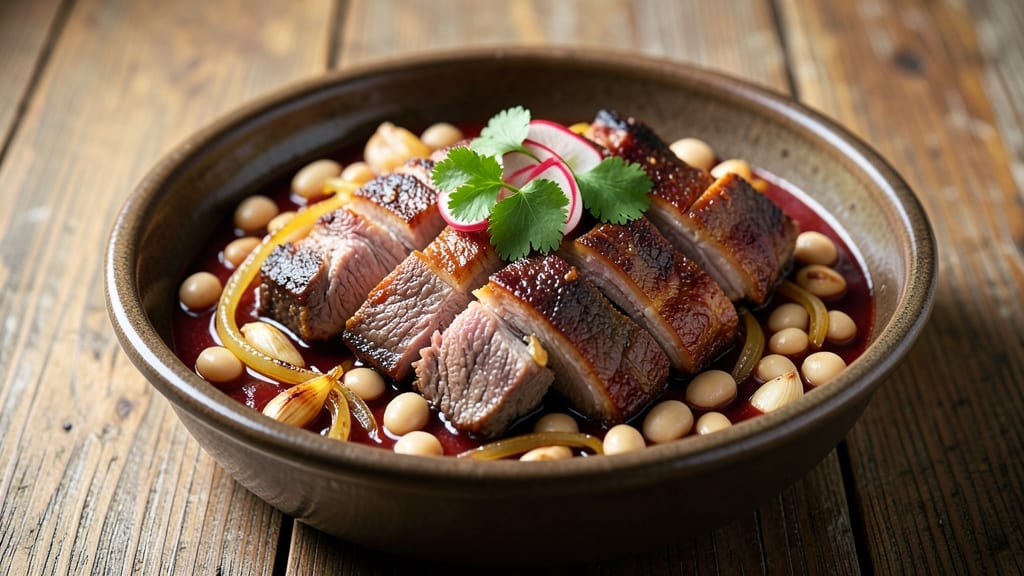
This beef pochero recipe with pork and beans delivers the deep, smoky flavors of a classic Latin American stew that only gets richer overnight. 🌟 Born from Caribbean roots but embraced across Central America, pochero transforms tough cuts into melt-in-your-mouth tenderness while beans absorb every layer of savory goodness.
The secret lies in slow braising—where spices, aromatics, and liquid meld into a harmonious broth that clings to every bite.
What sets this recipe apart is the perfect balance of proteins and textures: tender beef, juicy pork, and creamy beans all simmered together until the meat falls apart at the touch of a fork.
The key ingredients—garlic, cumin, bay leaves, and a touch of vinegar—create that signature tangy depth, while the long cooking time develops flavors that only improve with time. Unlike quick weeknight meals, pochero rewards patience with a dish that tastes even better the next day.
This is comfort food at its finest—restaurant-quality without the fuss. The rich, slightly thickened broth coats every ingredient, while the smoky spices and vinegar brighten each bite. Perfect for family gatherings, game days, or cozy weeknight dinners, this stew serves as both the star and the centerpiece.
The best part? Leftovers taste even more delicious reheated, making it a make-ahead dream.
Whether you're serving it with warm cornbread, crusty bread, or over rice, this beef pochero with pork and beans delivers a hearty, satisfying meal that feels like a warm embrace.
The recipe walks you through every step—from searing the meats to balancing the broth—so you end up with a dish that tastes like it came from a traditional Latin kitchen. Let's get cooking!
Ingredients for beef pochero recipe with pork and beans
Six proteins and twelve flavors—this is the magic behind a restaurant-worthy pochero that tastes even better tomorrow.
| Ingredient | Amount | Notes |
|---|---|---|
| Beef Chuck Roast 🥩 | 2 ½ lb | Tough cut, cubed 1.5-inch pieces |
| Pork Shoulder 🐖 | 2 lb | Bone-in for flavor, cubed |
| Great Northern Beans 🌾 | 1 ½ cups | Dried, soaked overnight |
| Yellow Onion 🧅 | 2 whole | Chopped, medium size |
| Garlic Cloves 🧄 | 8 cloves | Peeled, smashed slightly |
| Tomato Paste 🍅 | ½ cup | Smooth, no sugar added |
| Ground Cumin 🌿 | 2 tbsp | Toasted for depth |
| Bay Leaves 🌿 | 4 whole | Fresh preferred |
| White Vinegar 💧 | ¼ cup | Distilled, not apple cider |
| Chicken Broth 💧 | 4 cups | Low-sodium, homemade preferred |
| Olive Oil 🫒 | ¼ cup | Extra-virgin for richness |
| Salt 🧂 | 1 ½ tbsp | Diamond Crystal preferred |
| Black Peppercorns 🌶️ | 1 ½ tsp | Freshly cracked |
| Cilantro 🌿 | ¼ cup | Chopped, for garnish |
The beef and pork are the stars, so don't skimp on quality. Look for well-marbled chuck roast and pork shoulder—Costco or local butchers have the best cuts. The beans? Dried is non-negotiable—canned lacks that creamy texture. Soak them overnight in cold water with a pinch of salt. For the broth, homemade is ideal, but low-sodium store-bought works in a pinch. The tomato paste should be smooth, not chunky—Mueller's or Barilla are my go-tos.
No cumin? Mexican oregano at half the amount adds a similar earthiness. Fresh bay leaves are worth hunting down—they infuse flavor better than dried. Running low on vinegar? Lime juice at double the amount brings brightness. The olive oil matters here—use something fruity and robust, like California extra-virgin. For the cilantro, stems included—more flavor, less waste. And if you're short on time, pre-cooked beans (like cannellini) work in a bind, but soak them first to soften.
This stew only gets better with time—4-5 days in the fridge, 6 months frozen. The flavors meld beautifully overnight, so plan ahead. Store in airtight containers with the broth on top to keep everything moist. Reheat gently on low heat, stirring occasionally. The beans will thicken the broth naturally—add a splash of water if it gets too thick. Garnish with fresh cilantro right before serving—it wilts fast, so don't add it early.
Why You'll Love This Recipe
- One-Pot Magic: Honestly, this dish is my lazy-day hero—just dump everything into a heavy pot, add water, and let it simmer. No chopping like a maniac, no constant stirring, and the flavors meld together without any fuss.
- Deep Umami Bomb: That beef chuck and pork shoulder? They turn ridiculously tender, soaking up the garlic and onions until the broth is rich enough to make you close your eyes. The Great Northern beans add a hearty bite that keeps every bite satisfying.
- Leftovers That Beg for More: Between us, this recipe makes way more than I can eat in one sitting. The next day, the beef gets even more fork-tender, and I swear the flavors deepen—perfect for quick lunches or tossing into tacos. (Yes, even on a Tuesday night.)
- Budget-Friendly Feast: A single pot feeds a crowd for less than $15, and you’re not sacrificing flavor for pennies. The pork and beef stretch across multiple meals, while the beans add bulk without breaking the bank. My wallet and my family thank me every time.
Step-by-step instructions for smoky-spiced beef pochero
This rich, flavor-packed stew transforms tough cuts into melt-in-your-mouth perfection with just a few hours of simmering.
🔥 Step 1: Brown the Meats for Deep Flavor
Heat the 0.25 cup olive oil in a large Dutch oven over medium-high heat. Working in batches, add the 2.5 lb beef chuck roast and 2 lb pork shoulder (cubed as specified) and sear until deeply browned on all sides—about 8-10 minutes per batch. This step is non-negotiable; those browned crusts pack maximum flavor into your stew.
As you sear, I like to press down gently on the meat with a wooden spoon to ensure even browning. If the pan gets too crowded, reduce to medium heat to prevent steaming. Transfer the browned meats to a plate and set aside—you'll need that Dutch oven for the next steps.
👨🍳 Step 2: Build the Aromatic Base
In the same Dutch oven, add the 2 chopped yellow onions and cook over medium heat for 5-6 minutes until softened and slightly caramelized. Add the 8 smashed garlic cloves and cook for another 30 seconds—just until fragrant—being careful not to burn them. Here's where it gets good: stir in the 2 tbsp toasted ground cumin and 1.5 tbsp salt and let the spices toast for 30 seconds—this releases their essential oils and deepens their flavor.
Add the 0.5 cup tomato paste and cook for 2 minutes—this helps remove the raw taste from the tomato solids. Pour in the 0.25 cup white vinegar and scrape up any browned bits from the bottom of the pot. This deglazing step captures all that meaty goodness you worked so hard to create.
🥘 Step 3: Simmer the Stew with Beans and Broth
Return the browned meats to the pot. Add the 1.5 cups soaked great northern beans, 4 cups chicken broth, and 4 whole bay leaves. Bring everything to a gentle boil, then reduce heat to low—this is a slow cook, not a quick one. Cover and simmer for 2.5 hours, stirring occasionally to prevent the beans from sticking to the bottom.
Here's the thing about pochero—patience is your friend. The longer it simmers, the more the flavors meld together. I check the beans after 1 hour—they should be tender but still hold their shape. If they're breaking apart too soon, add ½ cup more broth to keep them intact. The meat should be fork-tender by the end, falling apart easily when pierced with a fork.
🔪 Step 4: Finish with Fresh Herbs and Rest
Once the meats are tender and the beans are just right, remove the bay leaves and discard them. Stir in the 1.5 tsp freshly cracked black peppercorns and let the stew simmer uncovered for another 10 minutes—this reduces the liquid slightly and intensifies the flavors. Taste and adjust seasoning if needed; you might need a pinch more salt to balance the richness.
Transfer the stew to a serving bowl and let it rest for 15-20 minutes—this allows the flavors to settle and the juices to redistribute throughout the dish. The stew will thicken as it cools, which is exactly what you want. Just before serving, stir in the 0.25 cup chopped cilantro—this adds a bright, fresh contrast to the deep, smoky flavors.
⏰ Step 5: Serve and Enjoy (Better Tomorrow!)
Ladle the pochero into bowls, making sure each serving gets a generous portion of both meats and beans. The beauty of this dish is that it tastes even better the next day—if you have leftovers, refrigerate them and reheat gently on the stove with a splash of broth to restore the moisture.
Here's my pro tip: serve it with warm cornbread or crusty bread to soak up every last bit of that rich, smoky sauce. The combination of tender beef, pork, and hearty beans creates a satisfying, comforting meal that's perfect for family dinners or cozy gatherings. Trust me, once you taste this, you'll be making it again and again!
Pro Tips For Making Beef Pochero Recipe With Pork And Beans
- Brown the Meat First: Don’t just toss those cuts of beef chuck and pork shoulder into the pot raw—sear them first in batches over medium-high heat until they’re deeply browned. I learned this the hard way: skipping the sear means flavorless broth and tougher meat. Use about 2 tablespoons of oil per batch, and don’t rush it—wait until the edges are crispy before moving them.
- Soak the Beans Overnight: Great Northern beans need a good long soak—at least 8 hours, ideally overnight—to soften properly. I used to skip this and ended up with beans that were still rock-hard after hours of simmering. Drain and rinse them before adding to the pot, and if you’re short on time, use a pressure cooker (but still soak them first).
- Simmer Slow and Low: This isn’t a race—keep the heat at a gentle simmer (small bubbles, not a rolling boil) for at least 3 hours, or until the beef and pork are fork-tender. After burning three batches where I cranked the heat too high, I finally realized the magic happens at a steady, low simmer. Cover the pot and let it do its thing.
- Add Onions and Garlic Early: Don’t wait until the end to toss in those onions and garlic—chop them roughly and add them with the beans at the start. This lets them infuse the broth with sweetness and depth over hours of cooking. I was skeptical until I tried it: the flavor is richer, and the onions caramelize just enough to add texture without turning to mush.
Best sauces and condiments for this beef pochero recipe with pork and beans
Creamy Avocado Sauce
Blend 1 ripe avocado, ½ cup sour cream, 2 tbsp lime juice, 1 tbsp chopped cilantro, ½ tsp cumin, and salt to taste until smooth. Drizzle over individual servings for a cool, creamy contrast to the smoky stew.
I love adding a pinch of chipotle powder for subtle heat. 🥑 This sauce adds freshness and balances the richness beautifully.
Tangy Lime Crema
Mix ½ cup Mexican crema (or sour cream) with 2 tbsp fresh lime juice, 1 tbsp chopped cilantro, and ¼ tsp salt. Thin with 1-2 tbsp water if needed. Spoon over the top of each bowl right before serving—it brightens the flavors and adds a citrusy zing.
For extra depth, add ½ tsp ground cumin or a dash of hot sauce. 🍋
Pickled Red Onions
Quick-pickle 1 small red onion (thinly sliced) in ½ cup white vinegar, 1 tbsp sugar, and ½ tsp salt for 15 minutes. Drain and sprinkle over the stew just before serving.
The sharp, tangy crunch cuts through the richness and adds a refreshing bite. I often double the batch—they disappear fast! 🧅
Crispy Tortilla Strips
Cut 2 corn tortillas into thin strips, brush with olive oil, and bake at 375°F for 8-10 minutes until golden and crispy. Sprinkle with ½ tsp smoked paprika while hot.
These add a satisfying crunch and soak up the delicious broth. Store in an airtight container for up to 3 days. 🌯
Spicy Tomato Salsa
Combine 1 cup diced Roma tomatoes, ¼ cup diced red onion, 2 tbsp chopped cilantro, 1 jalapeño (seeds removed, minced), 1 tbsp lime juice, and ½ tsp salt.
Let sit for 10 minutes to meld flavors. Serve as a topping or side—it adds a fresh, spicy contrast. For extra heat, add ¼ tsp cayenne pepper. 🌶️
Garlic Butter Cornbread
Mix 1 cup cornmeal, 1 cup flour, 1 tbsp baking powder, 1 tbsp sugar, and ½ tsp salt. In another bowl, whisk 1 cup buttermilk, 2 tbsp melted butter, and 1 minced garlic clove.
Combine wet and dry ingredients, then bake at 400°F for 20-25 minutes. The warm, buttery bread soaks up the stew perfectly. 🍞
Nutrition facts
Frequently asked questions
Can I use canned beans instead of dried for this recipe?
Yes, you can substitute canned beans, but there are a few key adjustments. Use 2 (15-ounce) cans of Great Northern beans (drained and rinsed) and add them during the last 30 minutes of simmering. Canned beans cook much faster than dried, so you'll want to prevent them from breaking down. For extra flavor, sauté them with a pinch of cumin and garlic before adding to the stew.
How do I know when the meat is tender enough?
The meat should be fork-tender, meaning it should easily shred with a fork and fall apart. For beef, this typically takes 2-2.5 hours of simmering, while pork may be ready slightly sooner. Test a piece by inserting a fork - if it slides in easily and the meat separates cleanly, it's done. If not, give it another 30 minutes of cooking time.
Can I make this recipe in a slow cooker? The slow cooker is perfect for this dish. Brown the meats as directed, then transfer everything to the slow cooker. Cook on low for 7-8 hours or high for 4-5 hours. The long cooking time actually enhances the flavors. Just
What's the best way to reheat leftovers?
Reheat gently on the stove over low heat with a splash of broth or water to restore moisture. Stir occasionally and keep the heat low to prevent the beans from breaking down. If the stew seems too thick after reheating, add a little more liquid. The flavors actually improve overnight, so leftovers taste even better the next day!
Can I freeze this stew?
Yes, this stew freezes beautifully for up to 6 months. Let it cool completely, then store in airtight containers with the broth on top to keep everything moist. When ready to eat, thaw overnight in the refrigerator and reheat gently on the stove. The texture may change slightly, but the flavors will still be rich and satisfying.