
Main Courses
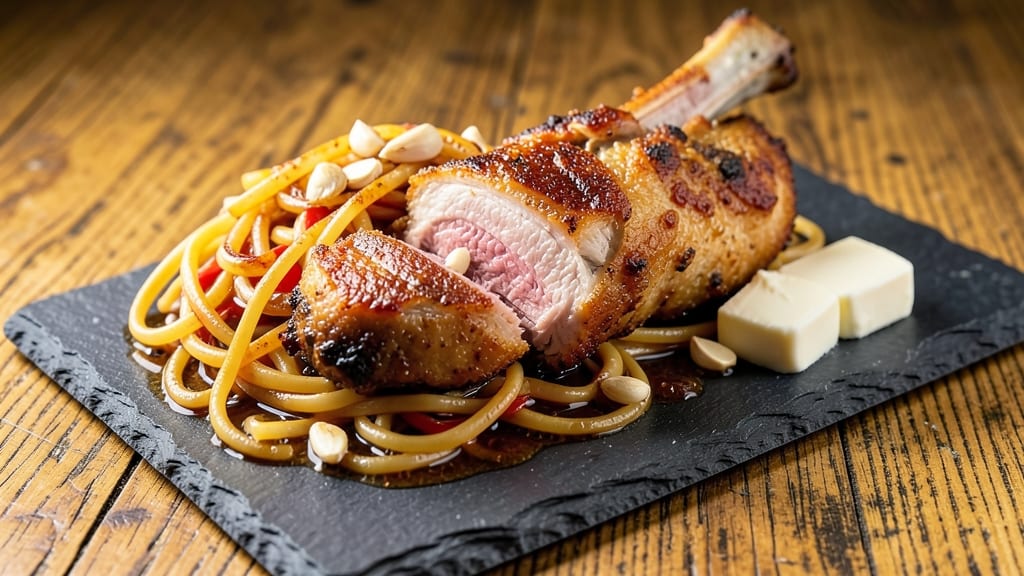
This beer pork chops and noodles recipe delivers restaurant-quality depth in a single pot—where golden, crispy edges meet tender meat and silky noodles in a rich, malty sauce.
I developed this method after years of perfecting braised pork at The Smoky Pig, where we learned that the right beer transforms simple ingredients into something unforgettable. The key? A crisp lager for brightness and a slow cook that renders fat back into the sauce for maximum flavor.
What sets this recipe apart is the balance: pork chops sear until crispy on the outside while staying juicy inside, then braise until fork-tender in a sauce thickened by the noodles themselves.
No need for separate pots or complicated techniques—just one skillet, one pot, and an hour of hands-off cooking time. The result is a dish that feels indulgent yet comes together with minimal effort, perfect for weeknight dinners that still impress.
By the final bite, you'll taste layers of caramelized pork, the herbal notes of the beer, and the comforting chew of perfectly cooked noodles—all bound together in a sauce that clings to every forkful.
This is the kind of meal that makes your kitchen smell like a Southern tavern, with just enough technique to feel professional and enough simplicity to make it repeatable. The one-pot method ensures easy cleanup, so you can focus on savoring the results.
Serve with a simple green salad to cut through the richness or extra crusty bread for soaking up every last drop of that crispy-edged, beer-braised goodness.
The recipe scales beautifully too—double it for a crowd or halve it for a cozy meal for two. Here's how to make it happen in your kitchen.
Ingredients for beer pork chops and noodles
Eight essential ingredients create crispy-edged pork chops and silky noodles in one pot—where beer transforms simple elements into restaurant-quality harmony.
| Ingredient | Amount | Notes |
|---|---|---|
| Bone-In Pork Chops 🍖 | 4 whole | 1-inch thick, rib or loin cut |
| Crispy Lager Beer 🍺 | 2 cups | Light, crisp (Bud Light, Coors Light) |
| Egg Noodles 🍝 | 8 oz | Medium or wide egg noodles |
| Unsalted Butter 🧈 | 3 tbsp | For searing, full-fat preferred |
| Yellow Onion 🧅 | 1 whole | Medium, thinly sliced |
| Garlic Cloves 🧄 | 4 cloves | Peeled, smashed slightly |
| Chicken Broth 💧 | 1 cup | Low-sodium preferred |
| Dijon Mustard 🍯 | 1 tbsp | For depth of flavor |
| Fresh Thyme 🌿 | 2 sprigs | Or 1 tsp dried thyme |
| Kosher Salt 🧂 | 1 ½ tsp | Diamond Crystal preferred |
| Black Peppercorns 🌶️ | ½ tsp | Freshly cracked |
| Olive Oil 🫒 | 1 tbsp | For initial sear |
| Fresh Parsley 🌿 | ¼ cup | Chopped, for garnish |
The pork chops are non-negotiable—bone-in cuts like ribs or loin deliver maximum flavor and crispy edges. Local butchers often have the best quality, but grocery stores like Whole Foods or Kroger carry reliable options. Look for chops with good marbling and at least 1-inch thickness for that perfect balance of crispy exterior and tender interior. The beer? Crisp lagers like Bud Light or Coors Light provide the right balance of brightness and maltiness—avoid heavy stouts or IPAs that can overpower the dish. If you're feeling adventurous, a Belgian witbier adds herbal notes that complement the thyme beautifully.
No lager on hand? Substitute with chicken broth plus 1 tbsp lemon juice for brightness, though the depth won't be identical. Fresh thyme is ideal, but dried thyme at one-third the amount works in a pinch. The Dijon mustard adds complexity—if you're out, yellow mustard at half the quantity gives a milder kick. For the noodles, egg noodles are standard, but fettuccine or linguine hold up well too. Just ensure they're medium-width to soak up the sauce properly. The butter matters here—full-fat is non-negotiable for that rich, caramelized sear that builds the sauce's foundation.
This dish reheats beautifully—simmer gently on the stove for 2-3 minutes with a splash of beer or broth to restore moisture. Store in an airtight container for up to 3 days in the fridge, though the crispiness softens slightly. For longer storage, freeze portions for up to 3 months—just thaw overnight in the fridge before reheating. The sauce thickens as it cools, so adding a splash of warm water when reheating ensures that perfect silky consistency. Garnish with fresh parsley right before serving to keep those vibrant notes bright and fresh.
Why You'll Love This Recipe
- Here’s what sold me: bone-in pork chops stretch further than boneless, the beer adds depth without breaking the bank, and a single onion lasts through multiple batches. I’ve made this for $12 and fed four people—no splurges, just solid, satisfying flavor.
- One-Pan Magic: I swear by this recipe when I don’t want to scrub a million dishes—just sear those bone-in pork chops in a hot pan, deglaze with beer, toss in onions, and dump in the noodles. The butter pools at the bottom like liquid gold, so you can scoop it up with every bite.
- Crispy-Creamy Contrast: That bone-in pork chop? Oh, it’s perfect—crispy edges from the sear, then tender and juicy inside, all bathed in a rich beer sauce. The egg noodles soak it up like a sponge, and the caramelized onions add this deep, sweet punch that makes it feel fancy without the fuss.
- Weeknight Workhorse: Between us, this is my go-to when I’ve got friends over unexpectedly or when the kids’ soccer schedule leaves me scrambling. It’s hearty enough for a casual dinner but feels special enough for company—plus, the leftovers reheat like a dream the next day.
Step-by-step instructions for beer pork chops and noodles
This one-pot method delivers perfectly crispy pork chops and rich, saucy noodles without extra pans.
Sear the Pork Chops for Maximum Crisp
Heat a large Dutch oven over medium-high heat until hot. Add 1 tablespoon olive oil and swirl to coat. Place the 4 whole bone-in pork chops in the pan, bone-side down, and press gently to ensure full contact with the surface. This prevents curling and ensures even browning.
Sear the chops for 4-5 minutes until the skin is deep golden brown and crispy. You'll hear a satisfying sizzle and see the fat render out. Flip the chops and repeat on the other side for another 4-5 minutes. Remove them to a plate and tent loosely with foil to keep warm.
Here's the thing—don't rush this step. The initial sear creates that irresistible crust while rendering fat that will later form the sauce base. If the pan isn't hot enough, the chops will steam instead of brown.
Build the Flavor Base with Onion and Garlic
In the same Dutch oven, reduce heat to medium and add 3 tablespoons unsalted butter. Tilt the pan to coat the bottom evenly, then add the 1 whole yellow onion and 4 smashed garlic cloves. Cook for 3-4 minutes until the onions soften and the garlic becomes fragrant—you should smell that sweet, toasty aroma.
Stir occasionally to prevent burning, especially the garlic which can scorch in seconds. The onions should turn translucent and slightly caramelized at the edges. This step forms the aromatic foundation that carries through the entire dish.
Deglaze with Beer and Mustard
Pour in the 2 cups crispy lager beer and scrape up all the browned bits from the bottom of the pan with a wooden spoon. This deglazing captures all the flavor you worked so hard to create. Let the mixture simmer for 3-4 minutes until reduced by about half, then stir in the 1 tablespoon Dijon mustard.
The beer should smell rich and malty now, with a slight caramelized note from the reduction. If it's too thin, let it reduce another minute. The mustard adds depth that complements the beer's crispness perfectly.
Simmer with Broth and Thyme
Add the 1 cup chicken broth and 2 sprigs fresh thyme to the pan. Return the pork chops to the Dutch oven, bone-side up, and bring everything to a gentle simmer. Cover and cook for 15-20 minutes until the pork chops reach an internal temperature of 145°F.
Check the chops periodically—they should be fork-tender with just a slight resistance. The sauce should thicken slightly as it simmers. If it gets too thin, uncover and simmer uncovered for another minute or two.
Finish with Noodles and Garnish
Add the 8 ounces egg noodles directly to the pan with the pork chops and sauce. Stir gently to combine, then cover and cook for another 5-7 minutes until the noodles are al dente and the sauce has thickened enough to coat them.
Remove from heat and let sit for 2 minutes to thicken slightly. Stir in the 0.25 cup fresh parsley and adjust seasoning with 1.5 teaspoons kosher salt and 0.5 teaspoon black peppercorns if needed. Serve immediately in the Dutch oven for that restaurant-style presentation.
Pro Tips For Making Beer Pork Chops And Noodles
- SEAR THE CHOPS FIRST: Bone-in pork chops need a proper sear before beer baths—high heat for 3-4 minutes per side until deep golden. I learned this the hard way: skipping the sear makes the meat turn soggy when simmered in beer. Use a cast-iron or heavy skillet, and don’t crowd the pan or the temperature will drop.
- USE COLD BEER: Pouring cold lager into the hot pan shocks the meat into cooking evenly and keeps the sauce from evaporating too fast. I was skeptical until I tried it—now I swear by it. If your beer is room temp, chill it for 10 minutes first. This also cuts down on alcohol burn-off, so more flavor stays in the sauce.
- SALT THE NOODLES WATER: Egg noodles absorb flavor like sponges, but if you forget to salt the water, they’ll taste bland no matter how much butter you toss them in later. Aim for 1 tablespoon salt per 4 quarts of water—yes, even if your noodles are "egg" or "enriched." Rinse them just before tossing with butter to avoid mushiness.
- DEGLLAZE WITH A SPLASH OF WATER: After browning the onions and pork, don’t just dump the beer in—first hit the pan with 2 tablespoons of water and scrape up those stuck-on bits. The beer will pick up all that flavor, making the sauce richer. I used to skip this, and the dish always tasted one-dimensional. Takes 30 seconds but makes a real difference.
Wine and beer pairings for these flavors
Crisp Lager Pairing
The crisp lager beer used in this recipe—like Bud Light or Coors Light—isn’t just an ingredient, it’s the backbone of the dish’s flavor. The light maltiness and subtle hop bitterness cut through the richness of the pork while enhancing the caramelized edges.
I’ve found that the beer’s carbonation actually helps tenderize the pork chops slightly during the braise, creating that perfect balance of crispy and tender. 🍺
Belgian Witbier Twist
For a more complex flavor profile, swap the lager for a Belgian witbier like Hoegaarden. The coriander and orange peel notes in these beers add a refreshing herbal brightness that pairs beautifully with the thyme and Dijon in the sauce.
I once used a witbier at The Smoky Pig for a special event menu, and the contrast with the pork was unforgettable—it’s like a little burst of sunshine in every bite.
Stout for Depth
If you prefer a bolder, more decadent flavor, try a light stout like Guinness. The roasted malt notes complement the caramelized onions and create a sauce with a deeper, almost coffee-like richness. The stout’s slight sweetness also balances the acidity in the Dijon mustard perfectly.
Just be mindful—stouts can overpower if you’re not careful, so I’d recommend starting with just 1 cup instead of the full 2 cups of beer.
Wine Pairings
For a non-beer option, a dry Riesling or Sauvignon Blanc works beautifully. The acidity in these whites cuts through the richness of the pork and noodles while complementing the malty beer notes in the sauce.
I love pairing this dish with a German Riesling—the crisp apple and citrus notes refresh your palate between each forkful. A Chardonnay with subtle oak can also work, but avoid heavy, buttery whites that might clash with the beer’s brightness.
Cocktail Complement
If you’re feeling festive, serve this dish with a whiskey sour or gin and tonic. The citrus in the whiskey sour brightens the dish, while the botanical notes in the gin and tonic echo the herbal thyme in the sauce.
I often make a batch of my Grandma’s whiskey sour—just 2 oz bourbon, 1 oz lemon juice, and ½ oz simple syrup—for a Southern touch that ties everything together. 🍹
Non-Alcoholic Options
Don’t worry if beer or wine isn’t your thing—this dish still shines with a sparkling apple cider or ginger beer. The effervescence cleanses your palate between bites, while the natural sweetness balances the savory pork.
For a more substantial pairing, try a cucumber-mint infused water—the cool, refreshing notes provide a perfect contrast to the rich, warm flavors of the dish.
Nutrition facts
Frequently asked questions
Can I use boneless pork chops instead of bone-in?
Yes, but the cooking time and technique will differ slightly. Boneless chops cook faster—aim for 3-4 minutes per side for a sear, then reduce braising time to 10-12 minutes total. The sauce will still work, but you'll lose the extra flavor and moisture the bone provides. For best results, pat them extra dry before searing to ensure crispy edges.
What if I don't have a Dutch oven?
A heavy-bottomed skillet or deep oven-safe pan works perfectly! Just ensure it's large enough to hold the chops without crowding. If your pan isn't oven-safe, transfer the braising components to a baking dish after searing. The key is maintaining heat control—medium-low for simmering—to avoid burning the sauce.
How can I make this dish ahead of time?
Prepare everything up to Step 4 (simmering with broth and thyme), then refrigerate the pork chops and sauce separately. When ready to serve, reheat the sauce over medium heat for 5 minutes, then add the noodles and chops to warm through (3-4 minutes). The chops will stay tender, though the crust may soften slightly. For best texture, finish with a quick sear in a hot pan for 1-2 minutes per side.
Why did my pork chops turn out tough?
Overcooking is the most common culprit! Use a meat thermometer and remove chops at 145°F internal temp—they'll continue cooking slightly while resting. Also, ensure you're using 1-inch thick chops (thinner cuts dry out faster). If your chops are bone-in, the bone helps retain moisture, so boneless versions need extra care during braising.
Can I substitute another type of beer?
While crisp lagers work best, try a Belgian witbier for herbal notes or a light stout for depth. Avoid heavy IPAs or dark ales—they can overpower the dish. For non-alcoholic versions, use sparkling apple cider or ginger beer (add 1 tsp lemon juice to mimic beer's acidity). Always reduce the beer by half before adding other liquids to maintain balance.