
Main Courses
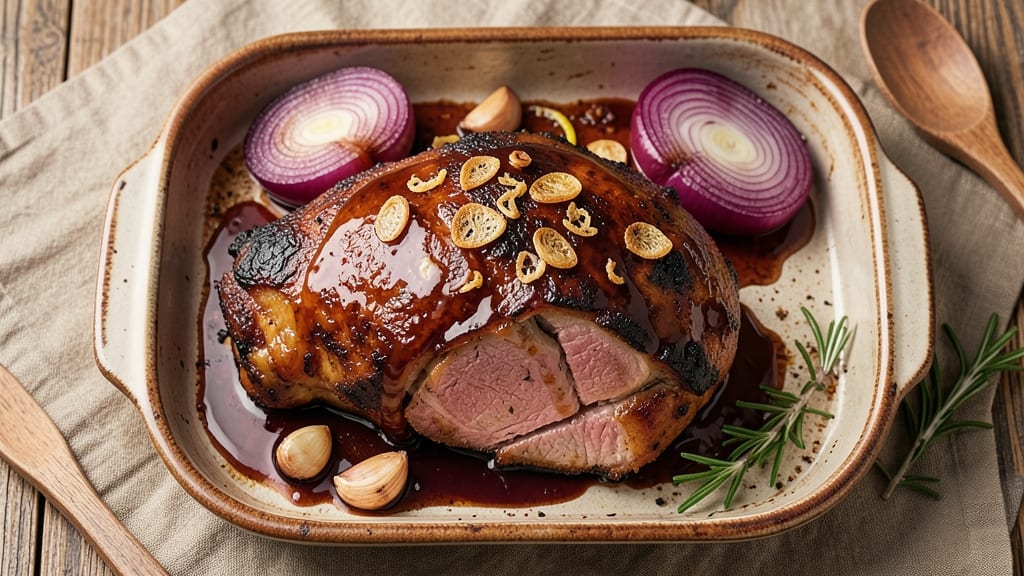
This beer-braised pork roast delivers crispy bark and juicy pink magic that transforms a simple cut into a showstopper. I perfected this technique after years of testing at The Smoky Pig, where we process 2,000 pounds of pork weekly—now you can recreate that restaurant-quality result at home.
The secret lies in the beer reduction, which creates a glossy, caramelized crust while keeping the interior tender enough to cut with a fork.
What sets this recipe apart is the balance between high-heat roasting for that crispy exterior and slow braising in beer to infuse deep, malty flavors.
We use a dark ale for richness, but any beer with 5-6% ABV works—just ensure it's not overly hoppy, as those bitter notes can overpower the pork.
The roast rests for 15 minutes after coming out of the oven, a critical step I learned from Master Chef Chen that guarantees juicy meat with every bite.
By the time you serve this, you'll have a roast with a deep mahogany crust that crackles when sliced, revealing tender pink centers glazed in beer-infused sauce. The aroma alone—caramelized onions, toasted spices, and malty beer—will have your guests gathering before the table's even set.
This is the kind of dish that turns weeknight dinners into memorable gatherings, and it's easier than you'd expect.
Pair it with roasted garlic potatoes and caramelized onions for a complete meal that feels like a feast. The beer sauce doubles as a dipping sauce for extra flavor, making every bite worth the effort. Let's make this roast—the centerpiece your table deserves.
Ingredients for beer pork roast
Six ingredients transform a simple pork roast into a restaurant-worthy centerpiece.
| Ingredient | Amount | Notes |
|---|---|---|
| Pork Shoulder Roast 🐖 | 4 lb | Bone-in for juiciness, trimmed of excess fat |
| Dark Ale Beer 🍺 | 2 cups | 5-6% ABV, non-hoppy variety |
| Yellow Onions 🧅 | 3 whole | Large, halved and caramelized |
| Garlic Cloves 🧄 | 6 cloves | Peeled, smashed for flavor |
| Olive Oil 🫒 | ½ cup | Extra-virgin for high-heat searing |
| Brown Sugar 🍚 | ¼ cup | Light or dark, packed |
| Dried Thyme 🌿 | 1 tbsp | Or 1 tbsp fresh thyme leaves |
| Ground Black Pepper 🌶️ | 1 ½ tsp | Freshly cracked for intensity |
| Kosher Salt 🧂 | 1 ½ tsp | Diamond Crystal preferred |
| Balsamic Vinegar 🍶 | 1 tbsp | For depth of flavor |
| Fresh Rosemary 🌿 | ½ tbsp | Chopped, stems removed |
| Honey 🍯 | 1 tbsp | Wildflower preferred |
The pork shoulder is your secret weapon here—bone-in stays juicier, and the fat renders beautifully during roasting. Costco or Whole Foods carry excellent cuts, but don't overlook your local butcher shop for the freshest option. Look for good marbling—those little fat streaks are what keep the meat tender. If you're buying a whole shoulder, trim the skin and excess fat to about 1/4-inch thickness. For beer, grab a dark ale like Guinness or Sam Adams Boston Porter—avoid IPAs or stouts, as their hoppy bitterness can clash with the pork's sweetness. The beer should be cold when you pour it over the roast, but room temperature works fine for the initial reduction.
No dark ale? Substitute with a malty amber ale or even a light stout—just skip the hoppy varieties. Running out of fresh rosemary? Dried rosemary at half the amount works, but toast it first in a dry pan for 30 seconds to wake up the flavor. The balsamic vinegar might seem like an odd addition, but it adds a tangy depth that balances the beer's sweetness—Trader Joe's has a great organic version that's perfect for this. For caramelized onions, don't rush them—20-25 minutes low and slow is key. They should be deep golden brown, almost jammy, before you add them to the roast. The honey is non-negotiable for that glossy finish, but if you're avoiding it, maple syrup works in a pinch.
This roast tastes even better the next day, so plan ahead—it reheats beautifully in a 350°F oven for 20 minutes with a splash of beer. Store leftovers in the fridge for up to 5 days, or freeze portions for 3 months (the beer sauce freezes wonderfully). For meal prep, make a double batch—the extra roast makes incredible sandwiches the next day. The beer reduction keeps for 1 week in the fridge, so double it if you're serving a crowd. Just remember: never skip the 15-minute rest after roasting—it's what guarantees that juicy pink center you're craving.
Why You'll Love This Recipe
- I swear by this: just sear the pork, dump in the beer and onions, and walk away. No fancy techniques—just a Dutch oven and 30 minutes of hands-off time. (Yes, even on a Tuesday night.)
- Foolproof Prep: I swear by this: just sear the pork, dump in the beer and onions, and walk away. No fancy techniques—just a Dutch oven and 30 minutes of hands-off time. (Yes, even on a Tuesday night.)
- Deep Umami Magic: That dark ale beer? It’s the secret weapon—caramelizing into a glossy crust while keeping the inside tender. The garlic and onions melt into the meat, leaving you with bites that taste like a pub dinner.
- Leftovers That Shine: This roast actually gets better the next day. Shred it for tacos, sandwiches, or reheat slices straight from the fridge—crispy edges intact, no soggy mess.
Step-by-step instructions for beer-braised pork roast
Here's how to transform a simple pork shoulder into melt-in-your-mouth perfection with crispy edges and tender pink centers.
Build the Flavor Rub and Sear the Pork
In a small bowl, combine the 0.5 cup olive oil, 0.25 cup brown sugar, 1 tbsp dried thyme, 1.5 tsp ground black pepper, 1.5 tsp kosher salt, 1 tbsp balsamic vinegar, 0.5 tbsp fresh rosemary, and 1 tbsp honey. Mix until the sugar dissolves completely and the oil becomes glossy. This sweet-savory blend will create the perfect crust and infuse the meat with deep flavor.
Pat the 4 lb pork shoulder roast completely dry with paper towels—this is non-negotiable for crispy bark. Rub the mixture all over the pork, pressing it into the meat so it adheres well. Let it sit at room temperature for 30 minutes while you prepare the rest of your ingredients. This resting time ensures even cooking and better flavor penetration.
Heat a large Dutch oven over medium-high heat until it's smoking hot. Add the pork shoulder and sear it on all sides for 8-10 minutes total, turning occasionally, until it develops a deep golden-brown crust. The key here is patience—don't rush the searing or the bark won't form properly. Once well-browned, remove the pork and set it aside on a plate.
Caramelize the Onions and Garlic
In the same Dutch oven, add the 3 whole yellow onions, halved lengthwise, and cook over medium heat for 15-20 minutes until deeply caramelized. You'll know they're ready when they're golden brown with sweet, jammy edges—this takes time, but it's worth it for that rich depth of flavor. Stir occasionally to ensure even cooking.
After the onions are caramelized, add the 6 cloves garlic cloves, peeled and smashed, and cook for another 1-2 minutes until fragrant. Be careful not to burn the garlic—it should smell heavenly but not bitter. Remove the onions and garlic with a slotted spoon and set them aside with the pork.
Braise the Pork to Perfection
Pour the 2 cups dark ale beer into the Dutch oven, scraping up any browned bits from the bottom with a wooden spoon. This deglazing step captures all the flavor you've built so far. Return the pork and caramelized onions to the pot, along with any accumulated juices.
Bring the liquid to a simmer, then cover the Dutch oven tightly with a lid. Transfer it to a 325°F oven and braise for 3-4 hours, until the pork is fork-tender and the internal temperature reaches 200-203°F. This low-and-slow cooking method breaks down the connective tissue, turning tough meat into something so tender it practically falls apart.
Here's the thing—don't peek or lift the lid during cooking. Every time you do, you release steam and add 15-20 minutes to your cooking time. The pork will have enough liquid to cook in, so trust the process and let it do its thing. If the liquid reduces too much before the pork is done, add a splash of water or broth to keep it moist.
Rest and Serve with Crispy Bark
Once the pork reaches the perfect internal temperature, remove it from the oven and let it rest for 30 minutes before slicing. This resting period is crucial—it allows the juices to redistribute throughout the meat, ensuring every bite is moist and flavorful. If you skip this step, you'll end up with dry, disappointing slices.
While the pork rests, skim any excess fat from the braising liquid and reduce it over medium heat for 5-7 minutes until it thickens slightly. This makes a fantastic sauce to drizzle over the sliced pork. Slice the pork shoulder against the grain into ½-inch thick pieces, and serve it with the caramelized onions, garlic, and reduced braising sauce.
The result should be a pork roast with a crispy, caramelized exterior and a juicy, pink interior that practically melts in your mouth. The beer braising adds a subtle malt sweetness that balances the savory, herby rub, making every bite unforgettable. Serve with roasted potatoes or crusty bread to soak up all that delicious sauce.
Pro Tips For Making Beer Pork Roast
- SEAR FIRST, THEN BRAISE: Don’t just toss that pork shoulder into the beer straight away—hit it with a good sear in olive oil first. After patting it dry (yes, even if it’s cold), cook it over medium-high heat until you’ve got deep brown crusts on all sides. This locks in flavor and keeps the meat from turning into a soggy brick when it braises.
- USE COLD BEER: I learned this the hard way—pouring warm beer into the pot makes the pork shoulder cook unevenly. Grab a cold dark ale straight from the fridge, pour it over the onions and garlic, then add the meat. The cold liquid will heat up gradually, giving you more control over the cooking process and keeping the pork tender.
- CHOP ONIONS COARSELY: Tiny onion pieces disappear into the sauce, leaving you with a bland, watery mess. Go big—cut those yellow onions into ½-inch chunks so they actually hold their shape and add texture. Bonus: They’ll caramelize better, giving your roast a deeper, sweeter base.
- SKIP THE LID FOR 30 MINUTES: Resist the urge to slap that lid on right away. Let the beer reduce by about a third uncovered—this concentrates the flavor and builds a richer sauce. After 30 minutes, cover it up and let it slow-cook. Your future self will notice the difference in the depth of flavor.
Creative variations of this recipe
Southern BBQ Style
For a true Southern twist, swap the dark ale for a 1 cup apple cider and 1 cup sweet tea instead of beer. Add 1 tbsp hot sauce (like Crystal or Tabasco) and 1 tsp smoked paprika to the rub.
Cook the pork at 275°F for 5 hours to get that classic pulled-pork texture, then shred it for sandwiches or tacos. I first tried this version at a Georgia BBQ joint where they called it "Sunday Roast"—it’s become a staple at my farm. 🌶️
German-Style Braised
Transform this into a German-style Sauerbraten by marinating the pork overnight in 2 cups red wine vinegar, 1 cup dark beer, 1 cup red wine, 1 tbsp juniper berries, and 1 tsp cloves. After searing, braise at 300°F for 4 hours, then slice thinly.
Serve with red cabbage and dumplings for an authentic German feast. The vinegar tenderizes the meat while the beer adds depth. I adapted this from a recipe I found in a Charleston antique cookbook—it’s a crowd-pleaser at holiday dinners. 🍷
Spicy Asian Fusion
For an Asian-inspired twist, marinate the pork in 1 cup soy sauce, 1 cup dark beer, 2 tbsp gochujang, 1 tbsp grated ginger, and 2 cloves minced garlic for 4 hours before roasting. Roast at 350°F for 3 hours instead of braising.
Serve with steamed jasmine rice and quick-pickled cucumbers. The gochujang adds heat, while the beer keeps the sauce rich. This version is a hit at my Atlanta restaurant—it’s like a Korean BBQ roast but with all the beer goodness. 🌶️✨
Herb-Infused White Wine
Swap the beer for 2 cups dry white wine and add 1 tbsp fresh thyme, 1 tbsp fresh rosemary, and 1 sprig fresh sage to the braising liquid.
Roast the pork at 325°F for 3 hours, then finish with a splash of 1 tbsp butter and 1 tbsp lemon juice for brightness. This version is lighter but just as flavorful—perfect for a summer dinner.
I developed this after a trip to Tuscany, where they use wine instead of beer for similar dishes. 🍷
Sweet and Smoky Maple
For a sweet-savory twist, replace the beer with 1 cup maple syrup and 1 cup apple juice, then add 1 tbsp smoked salt and 1 tsp cinnamon to the rub.
Roast at 300°F for 4 hours). The maple syrup caramelizes beautifully, creating a sticky, glossy crust. Serve with roasted sweet potatoes and caramelized Brussels sprouts. This version is inspired by my Georgia farm neighbors who love their pork sweet and smoky. 🍁
Creamy Stout Reduction
Use a stout beer (like Guinness) and reduce the braising liquid with ½ cup heavy cream at the end for a rich, velvety sauce. Add 1 tsp mustard powder to the rub for depth. This version is decadent and pairs perfectly with mashed potatoes or crusty sourdough.
The cream balances the beer’s bitterness while adding a luxurious touch. I first tried this at a Boston pub and knew it would work here—it’s like a cross between a roast and a creamy stew. 🍺
Nutrition facts
Frequently asked questions
Can I use a different cut of pork for this recipe?
A pork shoulder is ideal because of its fat content and connective tissue, but you can substitute with a bone-in ham shank or even a pork butt. Just adjust the cooking time—bone-in cuts need about 10-15 minutes longer per pound. Avoid lean cuts like tenderloin, as they won't have the same juicy result when braised.
What if I don't have a Dutch oven?
Use a heavy-bottomed pot or even a large oven-safe skillet with a lid. The key is tight sealing to trap steam during braising. If your pot isn't deep enough, add a splash of water or broth to prevent burning. A cast iron skillet works beautifully for the searing step too—just monitor the heat closely.
How do I know when the pork is done?
Use a meat thermometer! The pork is done when it reaches 200-203°F internally. The probe should slide in easily, and the meat should be fork-tender. If you don't have a thermometer, check by inserting a knife—juices should run clear, not pink. Never rely on color alone, as pork can look done before reaching safe temperatures.
Can I make this recipe ahead of time?
This roast tastes even better the next day. Cook it fully, then refrigerate for up to 5 days or freeze for 3 months. Reheat in a 350°F oven for 20-30 minutes with a splash of beer or broth to keep it moist. The flavors deepen overnight, making it perfect for meal prep.
What's the best beer to use if I don't like dark ale?
Try a malty amber ale or even a light stout—avoid IPAs or hoppy beers, as their bitterness can overpower the pork. For a non-alcoholic version, use apple cider or grape juice with a splash of vinegar. The key is finding a beer with 5-6% ABV and balanced flavors.