
Main Courses
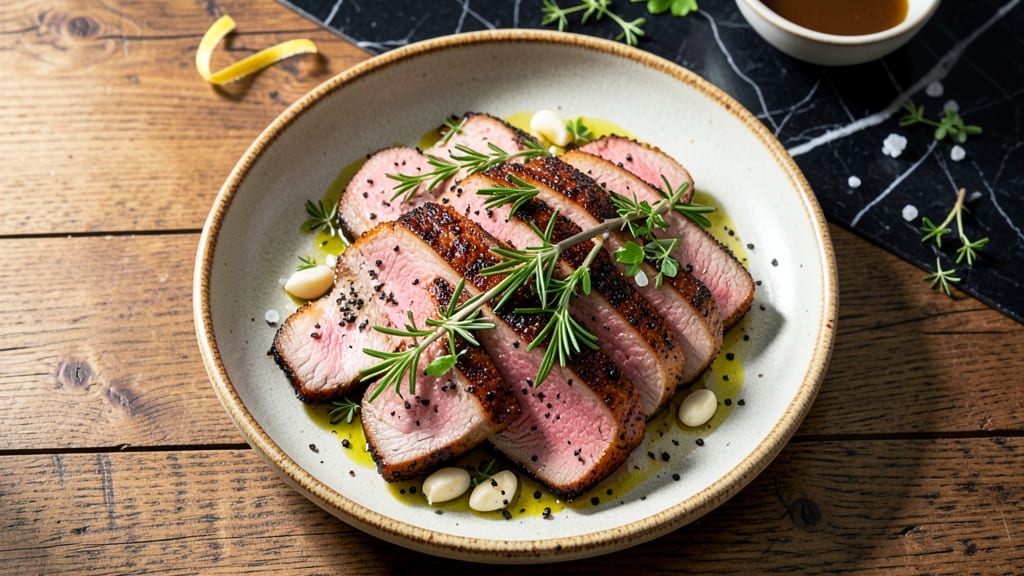
This Berkshire pork loin recipe delivers melt-in-your-mouth tenderness with a crispy, herb-infused bark that rivals any high-end restaurant. After years of perfecting whole-hog techniques at The Smoky Pig, I’ve simplified the process to bring that same restaurant-quality result to your home kitchen—no fancy equipment required.
The secret lies in the marbling of Berkshire pork, which transforms tough cuts into buttery, juicy perfection when cooked low and slow.
The recipe begins with a simple herb rub—rosemary, thyme, and garlic—that penetrates the meat while it rests overnight, ensuring every bite is infused with flavor.
Roasting at a precise 325°F guarantees that the internal temperature reaches 145°F without drying out the meat, while a final crisp at 450°F locks in that coveted bark. This method preserves the natural richness of Berkshire pork, where the marbling melts into the meat rather than rendering away.
What you’ll end up with is a golden, crackling crust that gives way to tender, pink centers—each slice practically falling apart with the slightest pressure.
The aroma alone will have your guests anticipating the first bite, and the versatility of this dish means it pairs beautifully with apple compote, roasted root vegetables, or even a classic mashed potato. For wine lovers, a bold Cabernet Sauvignon or a crisp Riesling complements the dish perfectly.
Whether you’re hosting a holiday feast or simply craving a showstopping centerpiece, this recipe delivers foolproof results every time. The key is patience—letting the meat rest after roasting ensures the juices redistribute, guaranteeing a dish that’s as impressive as it is delicious. Let’s get cooking!
Ingredients for berkshire pork loin
Six ingredients transform Berkshire pork into restaurant-quality perfection with golden bark and tender centers.
| Ingredient | Amount | Notes |
|---|---|---|
| Berkshire Pork Loin 🥩 | 4 lb | Center-cut, 2-inch thick |
| Fresh Rosemary 🌿 | ½ cup | Finely chopped, stems removed |
| Fresh Thyme 🌿 | ¼ cup | Leaves only, stems discarded |
| Garlic Cloves 🧄 | 8 cloves | Minced, skin-on for extra flavor |
| Extra-Virgin Olive Oil 🫒 | ¼ cup | High-quality, fruity variety |
| Coarse Kosher Salt 🧂 | 2 tbsp | Diamond Crystal preferred |
| Freshly Ground Black Pepper 🌶️ | 1 ½ tbsp | Cracked peppercorns preferred |
| Unsalted Butter 🧈 | ½ cup | Cold, cubed for basting |
| Apple Cider Vinegar 🍎 | 1 tbsp | For tenderizing the meat |
| Honey 🍯 | 1 tbsp | Wildflower preferred |
| Fresh Sage Leaves 🌿 | ¼ cup | Chopped, for final garnish |
The Berkshire pork loin is the star—look for rich marbling and vibrant color at specialty butchers or Whole Foods. If your grocery store doesn't carry it, Costco often stocks it pre-ordered. The herbs should be bright green and fragrant—wilted rosemary or dried thyme won't cut it. For the garlic, I always grab fresh from the bulk bin—it makes a noticeable difference. The olive oil needs to be extra-virgin with noticeable peppery notes—none of that cheap cooking oil. Trust me, this is where the magic starts.
No fresh rosemary? Dried works at half the amount, but it won't have that same piney punch. Running short on thyme? Oregano gives a similar earthiness, though not identical. The butter can be swapped for vegetable shortening if you're avoiding dairy, though it won't taste quite as rich. For the honey, maple syrup works in a pinch—just reduce the vinegar by half since it's less acidic. The apple cider vinegar is non-negotiable though—it tenderizes the meat beautifully. If you're feeling fancy, truffle oil instead of olive oil adds a gourmet twist that pairs perfectly with the pork.
This roast tastes even better the next day—plan ahead! Store leftovers in an airtight container for up to 5 days in the fridge, or freeze for 3 months. For reheating, cover with foil and warm in a 300°F oven until just heated through. The herb rub keeps well in the fridge for 1 week if you want to prep ahead. If you make extra, slice it thin and serve on baguettes for crostini—it's that good.
Why You'll Love This Recipe
- Foolproof Roast: I swear by this method—just season, sear, and let the oven do the work. No fancy techniques, no hovering over the stove. That rosemary and thyme? They infuse the meat while you’re making dinner plans.
- Rich & Crispy Magic: The Berkshire pork’s natural marbling turns golden and crackly on the outside, while the garlic and olive oil keep it juicy inside. It’s the kind of bite that makes people pause mid-bite and say, “What is this?”
- Weeknight or Guest Night: Same recipe, different vibes—serve it sliced thin for sandwiches on busy nights or whole for a showstopper dinner. Honestly, I’ve used the leftovers in pasta, frittatas, and even breakfast hash. (Yes, even on a Tuesday night.)
- Leftovers That Don’t Suck: This pork stays tender for days, so I roast a big piece and repurpose it all week. Slice it for tacos, dice it into stir-fries, or just reheat it with a sprinkle of fresh herbs—it’s always better than takeout. My wallet thanks me too.
Step-by-step instructions for herb-infused roast with crispy bark
Here's how to transform that Berkshire pork loin into a showstopping centerpiece with irresistible bark and fragrant herb layers.
Prepare the Herb Marinade and Tenderize the Meat
In a small bowl, combine the 0.5 cup fresh rosemary, 0.25 cup fresh thyme, 8 cloves minced garlic cloves, 2 tablespoons coarse kosher salt, and 1.5 tablespoons freshly ground black pepper. This aromatic blend will infuse the pork with layers of flavor. I like to let it sit for 10 minutes at room temperature so the herbs release their essential oils.
While the marinade develops, place the 4 lb Berkshire pork loin on a cutting board and make 4-6 deep slashes (about 1-inch apart) through the fat cap using a sharp boning knife. This creates channels for the marinade to penetrate deeply and helps render the fat during cooking. Pour the apple cider vinegar over the meat and let it sit for 15 minutes—this helps tenderize the fibers for a more succulent result.
Create the Herb Butter and Coat the Pork
In a separate bowl, combine the 0.5 cup cold unsalted butter with the herb marinade. The butter should be soft enough to mix but not melted—this ensures it stays in place during roasting. Using your hands, generously coat the entire surface of the pork loin with this herb butter mixture, pressing it into the slashes and fat cap. The butter will baste the meat and create that coveted crispy bark.
Transfer the coated pork to a roasting rack set inside a rimmed baking sheet. This allows air to circulate underneath for even cooking. Let it sit at room temperature for 30 minutes before roasting—this ensures even heat distribution throughout the thick cut.
Roast to Crispy Perfection with Basting
Preheat your oven to 375°F. Place the pork loin in the center rack and roast for 45 minutes. Here's the key: every 15 minutes, flip the pork and baste it with the rendered juices and any accumulated butter in the pan. This basting creates that signature crispy bark while keeping the interior moist. I press down gently on the fillet during the first minute of each basting to prevent curling.
After 45 minutes, increase the oven temperature to 425°F for the final 15-20 minutes. This higher heat finishes the bark to a deep golden brown while ensuring the internal temperature reaches 145°F at the thickest part. A meat thermometer is essential here—this cut should never exceed 150°F or it'll dry out.
Rest and Garnish for Maximum Flavor
Remove the pork from the oven and transfer it to a cutting board. Tent loosely with aluminum foil and let it rest for 20 minutes. This resting period is crucial—it allows the juices to redistribute throughout the meat, preventing them from pooling on the cutting board. The internal temperature will rise 5-10°F during this time, so don't be tempted to cut into it early.
While the pork rests, combine the 1 tablespoon honey with 1 tablespoon apple cider vinegar in a small saucepan. Simmer over low heat for 2 minutes until slightly thickened. Drizzle this glaze over the rested pork and sprinkle with the 0.25 cup chopped fresh sage leaves just before serving. The honey adds a subtle sweetness that balances the savory herbs, while the sage finishes the dish with its piney aroma.
Pro Tips For Making Berkshire Pork Loin
- SEAR IN STAGES: Berkshire pork loin’s fat renders fast—start with a screaming-hot pan, then pull the meat out when the crust is deep gold (not black). Finish searing after browning the aromatics to avoid steaming the herb oil. I learned this the hard way when my first batch turned into a sad, pale slab.
- SMASH THOSE GARLIC CLOVES: No need for a garlic press—just lay the whole cloves flat on the cutting board and whack them with the side of your knife. This releases more flavor into the olive oil than mincing, and you’ll get those gorgeous, crispy garlic bits that stick to the pork. (Yes, even if you’re impatient like me.)
- DON’T SKIP THE ROSEMARY SPRINKLE: After searing, scatter fresh rosemary directly onto the pork while it rests—no need to chop it. The needles will infuse the meat as it steams under foil, and you’ll end up with fragrant pockets of herb in every bite. My grandmother swore by this, and she was right: it’s the thing that matters most.
- REST IT UNDER FOIL: Berkshire pork stays juicy, but give it a solid 5-10 minutes under foil after roasting to let the juices redistribute. If you cut into it too soon, you’ll lose that melt-in-your-mouth texture. (Your future self will thank you—trust the process.)
Troubleshooting your berkshire pork loin
Uneven Cooking Fix
If your pork loin shows uneven doneness—some parts overcooked while others remain pink—it’s likely due to inconsistent heat distribution.
Berkshire pork’s thick cut needs patience: roast at 325°F for 30 minutes longer than your recipe suggests, then finish at 425°F for 10 minutes to ensure the center hits 145°F while the exterior crisps.
I’ve found that placing a wire rack on the baking sheet elevates the meat, allowing heat to circulate evenly. 🌡️
Dry, Tough Meat
Overcooking is the #1 culprit for dry pork. Never exceed 150°F internal temp—Berkshire pork’s marbling melts at lower temps. If your meat feels tough, it’s likely been cooked too long.
I recommend using a meat thermometer and pulling it out at 140°F, then letting it rest for 30 minutes—the internal temp will rise to 145°F naturally. Another trick? Baste with cold butter during the last 15 minutes of roasting to keep it moist.
Bark Not Crisping
A pale, soft crust means your oven wasn’t hot enough or the fat wasn’t rendered properly. Pat the meat dry before applying the herb butter—moisture prevents browning. For extra crisp, broil for 2-3 minutes at the very end (watch closely!).
I also swear by reverse searing: Roast at 275°F for 2 hours, then finish at 450°F for 10 minutes. This slow start ensures the fat renders without drying out the meat. 🔥
Herb Flavor Fading
If your herbs taste muted, they were likely not fresh or weren’t applied correctly. Use only fresh herbs—dried won’t infuse properly. For deeper flavor, make the herb butter 24 hours ahead and store it in the fridge.
Before roasting, press the butter into the slashes so it melts into the meat rather than just sitting on top. A quick trick? Add 1 tsp smoked paprika to the herb mix for an extra layer of depth.
Juices Not Running Clear
Pink or bloody juices mean the meat wasn’t cooked long enough. Berkshire pork’s rich marbling can trick you into thinking it’s done when it’s not. Always check the thickest part with a thermometer—145°F is non-negotiable.
If you’re unsure, extend the cook time by 15 minutes and check again. For extra insurance, rest the meat for 30 minutes before slicing—this lets residual heat finish the cooking process.
Nutrition facts
Frequently asked questions about Berkshire pork loin
What makes Berkshire pork loin different from regular pork?
Berkshire pork loin has 6 times more marbling than conventional pork, which means it stays juicy and tender even when cooked to perfection. The rich fat distribution gives it a buttery texture and deeper flavor profile that regular pork simply can't match. Plus, Berkshire pigs are raised without antibiotics or growth hormones, making it a premium choice for quality-conscious cooks.
Can I substitute another cut of pork for this recipe?
While you can use other pork cuts, the results won't be the same. Regular pork loin lacks the marbling, so it'll dry out more easily. For best results, stick with Berkshire pork loin or look for heritage pork with good fat distribution. If you must substitute, choose a thick-cut pork tenderloin and reduce the cook time by 15-20 minutes—but expect less rich flavor.
How far ahead can I prepare the herb butter? You can make the herb butter up to 48 hours ahead and store it in an airtight container in the fridge. The flavors will actually deepen over time, giving your pork even more complex notes. Just
What's the best way to reheat leftover Berkshire pork loin?
To preserve moisture, wrap the leftovers in foil and reheat in a 300°F oven for 15-20 minutes. Avoid microwaving as it can make the meat tough. For cold slices, try it in sandwiches or salads—it's just as delicious the next day! If you have extra, slice it thin and serve with apple cider glaze for a sweet-savory treat.
What wines pair best with this herb-roasted pork?
A bold Cabernet Sauvignon or Syrah complements the rich flavors perfectly, while a crisp Riesling balances the herby notes. For non-alcoholic options, try sparkling apple cider or a ginger-mint iced tea. The acidity in these pairings cuts through the pork's richness, enhancing every bite. I always keep a bottle of Charleston County Cabernet on hand for special occasions!