
Main Courses
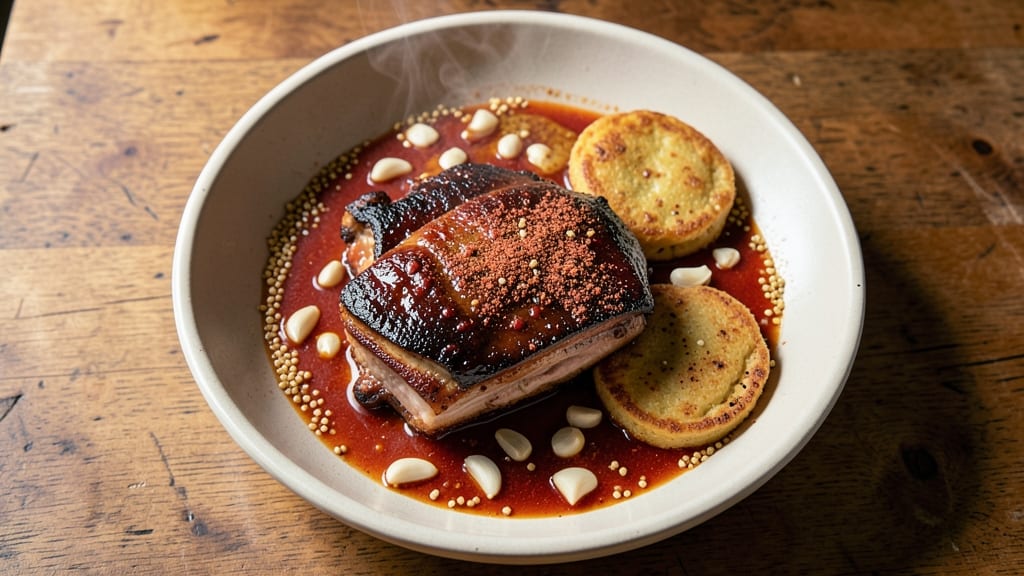
This best pork cut for tamales recipe delivers the perfect balance of tender, juicy pork and flavorful masa that makes every bite unforgettable.
As someone who's spent years perfecting pork dishes at Atlanta's The Smoky Pig, I know the secret lies in choosing the right cut and slow-cooking it just right. The rich, smoky depth of pork shoulder transforms into melt-in-your-mouth perfection when wrapped in masa and steamed.
What sets this recipe apart is the foolproof method for achieving restaurant-quality tamales at home. We'll start with a well-marinated pork shoulder that develops deep flavor during slow cooking, then wrap it in homemade masa (or use store-bought for convenience) for that authentic texture.
The steaming process ensures tender pork and perfectly cooked masa every time, with no dry or tough results.
By the time you're done, you'll have tamales that are golden brown on the outside with tender, juicy pork inside—just like your abuela used to make, but with professional-level consistency.
The aroma alone will have everyone gathering around your table, and each bite delivers that perfect harmony of smoky pork and corn masa that defines tamale perfection.
Whether you're serving for a family gathering or a special celebration, these tamales are guaranteed to impress. The recipe includes serving suggestions for salsas and toppings that elevate the dish even further. Let's get started on creating tamales that'll become your new tradition.
Ingredients for best pork cut for tamales
Six pounds of pork shoulder and masa that transforms into restaurant-quality tamales—just like Abuela used to make.
| Ingredient | Amount | Notes |
|---|---|---|
| Pork Shoulder (Boston Butt) 🐖 | 6 lb | Bone-in, skin-on preferred |
| Homemade Masa Harina 🌽 | 8 cups | Or quality store-bought brand |
| Lard or Shortening 🧈 | 1 cup | For masa preparation |
| Chicken or Vegetable Broth 💧 | 2 cups | Low-sodium preferred |
| Garlic Cloves 🧄 | 8 cloves | Minced for marinade |
| White Vinegar 🍶 | ½ cup | For tenderizing marinade |
| Ground Cumin 🌿 | 2 tbsp | Toasted for depth |
| Dried Oregano 🍃 | 1 tbsp | Mexican preferred |
| Smoked Paprika 🌶️ | 1 tbsp | For smoky flavor |
| Salt 🧂 | 2 tbsp | Kosher or sea salt |
| Black Pepper 🌶️ | 1 tbsp | Freshly ground |
| Bay Leaves 🍃 | 4 whole | For slow-cooking |
| Fresh Cilantro 🌿 | ¼ cup | Chopped for garnish |
| Lime Wedges 🍋 | 4 whole | For serving |
| Salsa Verde 🍅 | 2 cups | For serving (optional) |
The pork shoulder is non-negotiable here—bone-in, skin-on gives you that unmatched flavor and texture. Whole Foods or your local butcher shop will have the best quality, but any reputable grocery store carries it too. Look for good marbling and ask for the cut to be trimmed of excess fat—you want flavor, not grease. I always buy a 6-pound shoulder for a crowd of 12; it yields perfectly tender meat that falls apart when steamed. If you're short on time, Costco's pre-cut pork shoulder works beautifully too—just make sure it's not pre-marinated.
No masa harina? Maseca or Bob's Red Mill are the gold standards, but any quality brand will work. Running short on lard? Vegetable shortening works in a pinch, though traditionalists will argue for the authentic taste. The marinade—garlic, vinegar, and spices—is where the magic happens. Penzeys spices take it to the next level, but the grocery store stuff is fine if you're not picky. Want extra smokiness? Add a dash of liquid smoke to the broth. And if you're feeling fancy, wrap the pork in banana leaves before steaming for that authentic touch.
Pork shoulder keeps 3-4 days in the fridge before cooking, but it's best used fresh. The masa mixture can be prepped a day ahead and stored in an airtight container—just don't add the broth until you're ready to steam. Fully cooked tamales reheat beautifully; wrap them in foil and steam for 10 minutes to refresh. For a crowd, double the batch and freeze extras—up to 3 months—just thaw overnight in the fridge before reheating. Leftovers? Toss them in a tortilla for tamale pie—game-changer.
Why You'll Love This Recipe
- Foolproof Pork: I’ve made tamales with chicken, but pork shoulder? Chef’s kiss. That fall-apart tenderness when it’s slow-cooked with broth and garlic? It’s the kind of meat that makes you want to hug your tamales—no exaggeration.
- One-Pot Magic: Honestly, the lard or shortening in the masa isn’t just for flavor—it’s my secret for effortless mixing. No sticky mess, no fussing with dough. Just toss everything in one pot, let it steam, and walk away. (Yes, even on a Tuesday night.)
- Party in a Wrapper: This isn’t just breakfast or dinner—it’s the star of potlucks, holidays, or when your in-laws show up unannounced. Freeze half, reheat later, and suddenly you’re the hero of any gathering. The pork stays juicy, the masa stays tender.
- Budget Hero: Pork shoulder is dirt cheap per pound, and a single cut feeds a crowd. Between us, I’ve stretched this into three meals without breaking the bank. Plus, the leftovers? Even better the next day—if there are any. (Spoiler: there won’t be.)
Step-by-step instructions for perfectly steamed pork shoulder tamales
Here's the foolproof method to transform that rich Boston butt into melt-in-your-mouth tamale filling.
Prepare the Pork Shoulder Marinade
In a large bowl, combine the 6 lb pork shoulder (Boston Butt) with the 8 cloves minced garlic cloves, 0.5 cup white vinegar, 2 tbsp ground cumin, 1 tbsp dried oregano, 1 tbsp smoked paprika, 2 tbsp salt, and 1 tbsp black pepper. I like to massage the marinade into the meat using my hands—this ensures every inch gets coated and the flavors penetrate deeply.
Cover the bowl and refrigerate for at least 4 hours, but overnight is even better. The acid from the vinegar will begin tenderizing the meat while the spices infuse it with bold flavor. You'll notice the pork becomes more pliable and absorbs the marinade completely—this is your signal it's ready for cooking.
Slow-Cook the Pork Shoulder
Preheat your oven to 275°F and place a roasting rack in a Dutch oven or heavy pot. Add the 4 whole bay leaves to the bottom along with 2 cups chicken or vegetable broth. Place the marinated pork shoulder fat-side up on the rack.
Cover tightly with foil and bake for 4 hours, then remove the foil and continue baking for another 2 hours until the internal temperature reaches 195-205°F. You'll know it's done when the meat is fork-tender and pulls apart easily. The skin should be golden brown and crispy in spots—this is your perfect texture indicator.
Shred and Prepare the Masa Dough
Once the pork is perfectly tender, remove it from the oven and let it rest for 15 minutes before shredding. Using two forks or your hands, pull the meat apart into fine shreds—this texture is crucial for perfect tamale filling. Discard the bay leaves and any excess fat.
In a separate large bowl, combine the 8 cups homemade masa harina with the 1 cup lard or shortening. I use my hands to work the mixture until it becomes crumbly and resembles coarse sand. This texture is what gives tamales their signature tender bite. Keep this mixture at room temperature for easy shaping.
Assemble and Steam the Tamales
Preheat your steamer with about 2 inches of water simmering inside. While the steamer heats, mix the shredded pork with 1 cup of the reserved cooking broth from the Dutch oven. This adds moisture and keeps the filling juicy.
Using your hands, take about ½ cup of the masa mixture and form it into a ball. Press a well in the center and add 2 tablespoons of the pork mixture. Gently fold the masa around the filling to completely enclose it, creating a smooth tamale shape. Place on a tray lined with banana leaves or parchment paper.
Steam to Perfection
Once your steamer is at a rolling boil, carefully place the tamales in a single layer. Cover with a clean towel and steam for 60-75 minutes until firm to the touch. You'll know they're done when they've puffed slightly and the masa feels solid when pressed gently.
Let the tamales rest for 10 minutes before serving. Garnish with 0.25 cup chopped fresh cilantro and serve with 4 whole lime wedges and 2 cups salsa verde on the side. The contrast of the tangy salsa with the rich, smoky pork filling is what makes this dish truly special.
Pro Tips For Making Best Pork Cut For Tamales
- Trim the Fat First: Pork shoulder has layers of fat that render into flavor gold—but only if you cut them first. Use a sharp knife to slice off the thickest patches before cooking; they’ll melt into your broth, making it richer without making the meat greasy. (Yes, even if it looks like you’re wasting meat—you’re not.)
- Sear in Batches: Crowd the pan, and you’ll steam the pork instead of searing it. Work in single-layer batches over medium-high heat until deep brown—about 5 minutes per side. The crust locks in moisture later, so don’t skip this, even if it means two trips to the stove. (I learned this the hard way when my first batch turned out soggy.)
- Simmer Low and Slow: After browning, drop the heat to a bare simmer and cover the pot. Too much boiling evaporates the broth and toughens the meat; you’re aiming for a gentle roll, not a bubble fest. Three to four hours at 170°F (77°C) internal temp—no rushing, no peeking. (Your future self will thank you.)
- Render Lard Slowly: If using homemade masa harina, melt the lard before adding broth—heat it in a separate pan over low heat until fully liquid but not smoking. Drizzle it in later to coat the masa; this prevents clumping and ensures a silky texture. (Sounds weird, but it works: trust the process.)
Common mistakes when making this recipe
Overcooking the Pork
One of the biggest mistakes I see is letting pork shoulder cook past 205°F—it turns dry and stringy, ruining the tamale texture. I’ve ruined more batches than I’ll admit by walking away and letting it cook too long.
Always use a meat thermometer and pull it out when it hits that perfect 195-205°F range. The meat should be fork-tender but still hold together slightly. If it’s falling apart like wet cardboard, you’ve gone too far. 🌡️
Skipping the Rest
After shredding, many people rush to assemble tamales immediately—but that’s a mistake. Letting the pork rest for 15 minutes after cooking allows juices to redistribute. I learned this the hard way when my first batch of tamales turned out dry.
The resting time is especially critical if you’re using a leaner cut. Trust me, those extra minutes make all the difference in juiciness.
Wrong Masa Texture
The masa should be crumbly like coarse sand, not sticky or doughy. Too much moisture makes tamales gummy, while too little makes them crumbly.
I’ve seen people add extra broth or water to the masa mixture, thinking it’ll make them softer—but that’s how you end up with sad, mushy tamales. Work the masa with your hands until it’s just right: firm enough to hold its shape but pliable enough to wrap around the filling.
Uneven Steaming
Stacking tamales too high in the steamer creates uneven cooking—some get soggy while others stay raw. I’ve had batches where the bottom layer turned into a gooey mess while the top stayed firm. Always steam in a single layer with space between each tamale.
If you’re short on steamer space, work in batches. And for the love of tamales, never cover them with a tight lid—use a clean towel to trap steam without crushing the shapes.
Wrong Pork Cut
While pork shoulder is ideal, I’ve seen people try leaner cuts like pork loin or tenderloin—and they always end up disappointed. These cuts lack the fat and connective tissue that break down during slow cooking, resulting in dry, tough tamales.
If you’re set on using a different cut, go for pork butt or pork picnic shoulder, which have similar fat content. Stick with the shoulder for that melt-in-your-mouth texture that makes tamales worth the effort. 🐖
Overfilling Tamales
Stuffing tamales with too much filling creates messy, uneven shapes that fall apart during steaming. I’ve had batches where the masa couldn’t contain the pork, leading to a sticky disaster. Use 2 tablespoons of filling per tamale—just enough to flavor the masa without overwhelming it.
Press the masa gently around the filling to create a smooth, compact shape. This ensures they hold together during cooking and steaming.
Nutrition facts
Frequently asked questions
Why does pork shoulder work best for tamales?
The fat and connective tissue in pork shoulder break down beautifully during slow cooking, creating tender, juicy meat that's perfect for tamales. This cut stays moist when steamed, unlike leaner options that dry out. The marbling also adds rich flavor that infuses the masa.
Can I use pre-made masa for this recipe?
Quality store-bought masa harina works perfectly—just follow the package instructions for hydration. For best results, use brands like Maseca or Bob's Red Mill. The texture will be slightly different from homemade, but the flavor remains authentic.
How do I know when the pork is perfectly cooked?
Use a meat thermometer to check for 195-205°F internal temperature. The pork should pull apart easily with two forks but still hold together slightly. Overcooking past 205°F makes it dry and stringy.
What's the best way to store leftover tamales?
Wrap cooled tamales tightly in plastic wrap and store in an airtight container for 3-4 days in the fridge. For longer storage, freeze them for up to 3 months. Thaw overnight in the fridge before reheating.
Can I make tamales without a steamer?
Yes! Use a large pot with a rack and enough water to create steam (about 2 inches). Line the rack with banana leaves or parchment paper. Cover with a towel and steam for 60-75 minutes. Just ensure there's enough space between tamales for even cooking.