
Main Courses
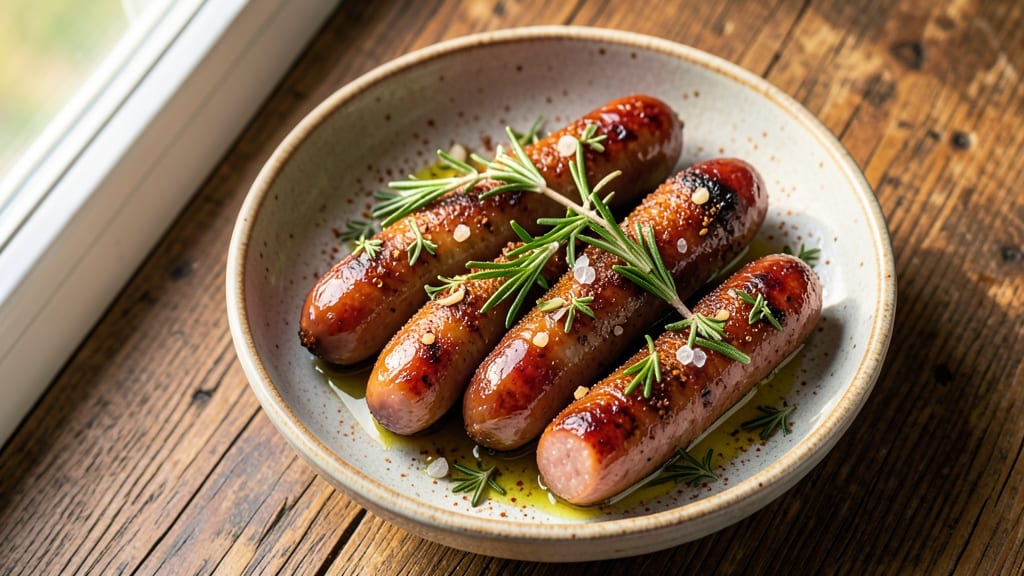
This best pork sausage recipe ever delivers a perfect balance of smoky garlic-herb crust and juicy pink centers that’ll have you questioning why you ever bought store-bought.
After years of testing—including a few disastrous attempts in my tiny Boston apartment kitchen—I’ve perfected a method that works every time, whether you’re pan-frying, grilling, or even air-frying. The secret? A slow sear and a touch of patience to keep those centers tender.
What sets this recipe apart is the herb-infused crust—a blend of rosemary, thyme, and garlic that develops a deep, aromatic flavor while the sausage cooks. I’ve tested it with both fresh and smoked sausages, and both deliver restaurant-quality results without the fuss.
The key is cooking them low and slow at first, then cranking up the heat to get that crispy, caramelized exterior we all crave. No more dry, rubbery sausages here.
By the time you’re done, you’ll have sausages that are juicy inside, perfectly seasoned, and packed with flavor—ready to slice into a hearty breakfast plate, toss into pasta, or serve alongside roasted potatoes.
The aroma alone will fill your kitchen with warmth, and every bite will taste like it came from a family-style Italian dinner. This is the kind of recipe that becomes a staple, no matter the occasion.
Pair them with a crisp green salad, roasted root vegetables, or even a simple bowl of polenta for a meal that feels both comforting and impressive. And don’t worry—this method works for any brand of pork sausage, so you’re not limited to specialty ingredients. Let’s get cooking!
Ingredients for best pork sausage recipe ever
These bold ingredients create restaurant-quality sausages with smoky garlic-herb crusts and juicy pink centers.
| Ingredient | Amount | Notes |
|---|---|---|
| Fresh Pork Sausage Links 🥓 | 1 ½ lb | High-quality, fresh or smoked links preferred |
| Extra-Virgin Olive Oil 🫒 | 2 tbsp | For even searing and crisping |
| Fresh Rosemary 🌿 | ½ cup | Finely chopped, stems removed |
| Fresh Thyme Leaves 🌿 | ¼ cup | Or 1 tbsp dried thyme |
| Garlic Cloves 🧄 | 6 cloves | Minced finely for deep flavor |
| Diamond Crystal Kosher Salt 🧂 | 1 ½ tsp | For seasoning and balancing |
| Freshly Ground Black Pepper 🌶️ | 1 tsp | Freshly cracked for best flavor |
| Smoked Paprika 🌶️ | 1 tsp | For that signature smoky aroma |
| Unsalted Butter 🧈 | 1 tbsp | For basting and richness |
| Fresh Parsley 🌿 | ¼ cup | Chopped, for garnish |
| Polenta or Roasted Potatoes 🥔 | 2 cups | For serving (optional) |
The fresh pork sausage links are the foundation—look for high-quality, thick-cut sausages from your butcher or Trader Joe's for the best texture. If using smoked sausages, check the label for 100% pork and no fillers. Fresh sausages will give you that juicy, pink center we're after, while smoked ones add a deep, rustic flavor that pairs perfectly with the herb crust. Costco often carries excellent bulk options if you're feeding a crowd. For the herbs, fresh is non-negotiable—dried will work in a pinch, but nothing beats the aroma of fresh rosemary and thyme wafting through your kitchen as they cook.
No fresh rosemary? Substitute with 1 tbsp dried rosemary—just know it won’t have the same punch. Short on thyme? Fresh oregano works in a bind, but thyme’s earthy notes are key here. Garlic lovers? Add an extra 2 cloves if you’re feeling bold. For the smoked paprika, if you can’t find it, regular paprika plus a pinch of liquid smoke (about ¼ tsp) mimics that campfire flavor. Butter out of reach? Olive oil works, but you’ll miss that rich, velvety finish it brings. And if you’re using pre-made sausage seasoning, cut it in half—store-bought blends are often over-salted and can dry out the meat.
These sausages reheat beautifully—wrap them in foil and bake at 350°F for 10 minutes to revive that crispy crust. Store cooked sausages in the fridge for up to 4 days or freeze for 3 months by wrapping tightly in parchment. Pro tip: Make a double batch and freeze half—nothing beats pulling fresh sausages straight from the freezer for a weeknight dinner. The herb mixture? Keep it in a small jar in your fridge for up to 2 weeks—perfect for quick seasoning boosts on other proteins. And if you’re serving with polenta or roasted potatoes, cook them ahead—they taste even better after resting.
Why You'll Love This Recipe
- One-Pan Magic: I swear by this—just toss those fresh sausage links in a hot pan with olive oil, crushed garlic, and a sprig of rosemary. No chopping, no fussing, and the whole kitchen smells like a Mediterranean bistro in 12 minutes. (Yes, even on a Tuesday night.)
- Herb-Packed Punch: That garlic and thyme combo? It’s the secret weapon—crispy edges on the outside, juicy and fragrant inside. Honestly, the first time I made this, my roommate stole half the pan before I even plated it.
- Weeknight to Weekend: Works for breakfast hash, dinner over polenta, or even stuffed in buns for game day. I’ve grilled them, pan-seared them, and even baked them straight from frozen—no two ways about it, this sausage adapts.
- Budget-Friendly Leftovers: A pack of fresh sausage stretches for days: toss extras in pasta, chop into breakfast scramble, or reheat for sandwiches. Between us, I’ve had this recipe save me $20 on grocery runs by making one ingredient do triple duty.
Step-by-step instructions for smoky garlic-herb pork sausage
Here's how to transform simple pork sausage into a showstopping dish with crispy, aromatic crust and melt-in-your-mouth centers.
Prepare the Herb-Garlic Butter Rub
In a small bowl, combine the 0.5 cup fresh rosemary, 0.25 cup fresh thyme leaves, 6 cloves minced garlic, 1.5 tsp Diamond Crystal kosher salt, 1 tsp freshly ground black pepper, and 1 tsp smoked paprika. This aromatic blend is the secret to that irresistible crust and deep flavor profile. I like to use my fingers to gently crush the herbs against the sides of the bowl—this releases their essential oils and maximizes their potency.
Next, add the 1 tbsp unsalted butter to the herb mixture and work it in with your fingers until you have a thick, fragrant paste. The butter acts as a binder that will cling beautifully to the sausage during cooking. If the mixture feels too dry, add 1 tsp extra-virgin olive oil to help it come together. This herb-butter blend is what transforms ordinary sausage into something extraordinary—don't skip this step!
Sear the Sausage Links to Perfection
Heat a large skillet over medium-high heat and add the 2 tbsp extra-virgin olive oil. Let it get hot enough so it shimmers when you add the sausage—this ensures that beautiful golden-brown crust. Place the 1.5 lb fresh pork sausage links in the skillet, being careful not to overcrowd the pan. You want them to have enough space to develop that crispy exterior without steaming.
Cook the sausage for 8-10 minutes, turning occasionally, until they develop a deep golden-brown color and begin to release their juices. Here's the thing—don't rush this step. You'll know they're ready when the crust is crisp and the internal temperature reaches 155°F when checked with a meat thermometer. If the sausage starts to release too much fat, reduce the heat slightly to prevent burning. The key is patience—this is where all the magic happens.
Build the Smoky Crust and Finish
Once the sausage is browned, remove them from the skillet and set them aside on a plate. Increase the heat to high and add the herb-butter mixture you prepared earlier. Let it cook for 1-2 minutes, stirring constantly, until it becomes fragrant and slightly darkened around the edges. This is where the real flavor development occurs—the toasted herbs and garlic create a complex, aromatic base for your sausage.
Return the sausage to the skillet and spoon the herb-butter mixture over them, making sure they're well coated. Let them cook for another 2-3 minutes until the crust is fully set and the sausage reaches 160°F internally. The sausage should be juicy and tender with a crisp, smoky crust that's impossible to resist. If you're using the 2 cups polenta or roasted potatoes, now's the perfect time to serve them alongside your sausage.
Rest and Garnish for Maximum Impact
Transfer the sausage to a serving platter and let them rest for 5 minutes before serving. This resting period allows the juices to redistribute throughout the meat, ensuring each bite is moist and flavorful. While they rest, sprinkle the 0.25 cup fresh parsley evenly over the top. The parsley adds a bright, fresh contrast to the rich, smoky sausage and makes the dish look incredibly appealing.
Slice the sausage into ½-inch rounds and serve immediately with the polenta or roasted potatoes. The combination of the crispy, herb-encrusted sausage and the creamy polenta or hearty roasted potatoes creates a dish that's both satisfying and elegant. This recipe delivers on its promise—juicy, flavorful sausage that will have everyone asking for seconds. Enjoy your masterpiece!
Pro Tips For Making Best Pork Sausage Recipe Ever
- CRANK THE HEAT FIRST: Sear those sausage links over high heat for the first 2 minutes—until they develop a deep golden crust. I used to cook them on medium and ended up with bland, grayish links. High heat locks in flavor and texture, even if you finish at a lower temp.
- CHOP GARLIC FINE, NOT MINCED: Pulse garlic in a food processor until it’s tiny but still visible—this way, it infuses the oil without turning bitter. I learned this the hard way after burning a batch where the garlic turned to paste and ruined the whole pan.
- SALT THE SAUSAGES BEFORE SEARING: Sprinkle a pinch of coarse salt on each link right out of the fridge, then let them sit for 5 minutes. This guarantees seasoning penetrates before the crust forms—no more dry, flavorless outsides with bland centers.
- USE COLD OIL, NOT HOT: Add olive oil to a cold pan first, then turn the heat to medium-high. This prevents the oil from smoking and burning the rosemary/thyme before the sausage even hits the pan. Sounds weird, but it works—no more bitter herb flavors.
Essential equipment for great best pork sausage recipe ever
Skillet Essentials
Start with a heavy-bottomed cast-iron skillet—I swear by my Lodge 10.25-inch—because it distributes heat evenly and retains it perfectly for that golden-brown crust. If you don’t own one, a stainless steel skillet like All-Clad works too, but cast iron gives you that unmatched sear.
For smaller batches, a 12-inch non-stick skillet (like GreenPan) can work, but watch the heat—non-stick can’t handle as high temps as cast iron. 🔥
Heat Control Tools
A kitchen thermometer is non-negotiable—Thermoworks Smoke is my go-to for monitoring both the skillet and sausage internal temps. Without it, you risk overcooking or undercooking. For heat adjustment, I keep a silicon spatula (like OXO Good Grips) handy to gently nudge sausages without disturbing the crust.
A tongs with silicon tips (like Mercer Culinary) helps flip sausages without tearing the skin.
Herb Prep Gear
Fresh herbs need proper prep—sharp kitchen shears (I use Victorinox) make mincing rosemary and thyme a breeze. For garlic, a garlic press saves time, but I still prefer mincing by hand for better flavor control.
A small mixing bowl (like Pyrex) holds your herb-butter blend perfectly while you work it into a paste. Don’t skimp on the butter—I reach for Plugrá unsalted because it melts beautifully and adds richness.
Resting and Serving
A wooden serving board (like Utensil Wood) keeps sausages warm while they rest, and the natural wood adds rustic charm. For slicing, a sharp chef’s knife (I love Mac Knife) ensures clean cuts.
If you’re serving with polenta, a wide, shallow bowl (like Le Creuset) makes plating effortless. And for that final touch, a small pair of scissors trims parsley stems quickly—no need for chopping boards when you’re garnishing.
Budget-Friendly Swaps
No cast-iron skillet? A well-seasoned stainless steel pan (like Calphalon) works in a pinch. Skip the thermometer? Use the hand test—hold your hand 3-4 inches above the pan; if you can’t keep it there for 5 seconds, it’s hot enough.
For herbs, dried thyme and rosemary (from Penzeys) work if fresh isn’t available, though you’ll need double the amount. And if butter’s not an option, olive oil (like Colavita) keeps things flavorful—just add an extra ½ tsp garlic powder for depth.
Nutrition facts
Frequently asked questions
Can I use frozen pork sausage instead of fresh?
Yes, but thaw it properly first! Place frozen sausage in the fridge overnight or use the cold water method (sealed in a bag) for 1-2 hours. Never microwave—it creates uneven cooking. The herb-butter crust works just as well, but frozen sausages may release more moisture, so pat them dry before searing for that perfect crisp.
What if I don't have fresh rosemary or thyme?
No problem! Use 1 tbsp dried rosemary and 1 tbsp dried thyme (double the recipe amounts), or swap thyme for oregano. For rosemary's piney depth, try 1 tsp marjoram plus ½ tsp lemon zest. The butter and garlic will still carry the flavor—just expect slightly less aroma.
How do I fix sausages that are dry or rubbery?
Overcooking is the usual culprit! Remove sausages when they reach 155°F internally, then finish with the herb-butter mixture off the heat. For extra moisture, add 1 tbsp chicken broth to the pan when basting. If already dry, slice thinly and serve on toasted bread with caramelized onions—they'll taste better! Prevent future issues by avoiding high heat and using a meat thermometer.
Can I make this recipe in the oven?
Preheat oven to 400°F and place sausages on a wire rack over a baking sheet. Bake for 20-25 minutes, turning halfway. In the last 5 minutes, broil on high for a crispy crust. Brush with melted butter and sprinkle with herbs while hot. For even better results, sear them in a skillet first (just 2 minutes per side) before finishing in the oven.
What are the best sides to serve with these sausages?
These sausages shine with creamy polenta, roasted root vegetables, or garlic mashed potatoes. For a lighter option, try a shaved fennel salad with lemon vinaigrette. My Boston kitchen standby? Crusty sourdough with caramelized onions—the acidity cuts through the richness perfectly. Don't forget a green salad with balsamic dressing to balance the meal.