
Soups & Stews
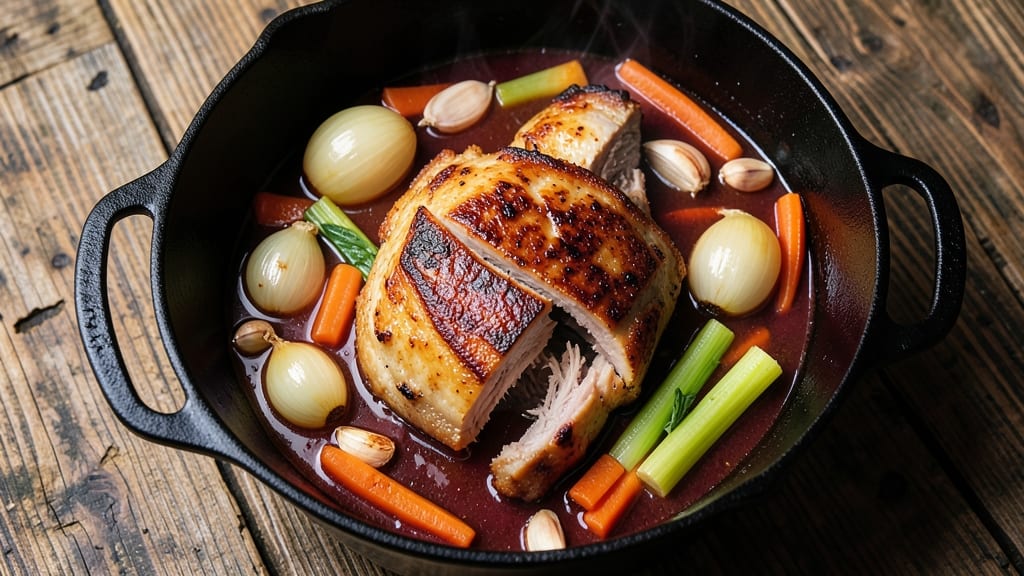
This is the best pork stew recipe ever—the kind of slow-braised richness that transforms tough cuts into melt-in-your-mouth perfection, just like my grandmother used to make.
The secret lies in low-and-slow cooking that develops deep, complex flavors over hours, creating a sauce so rich it gets even better the next day. After perfecting this technique through years of pitmaster experience, I can confidently say this is the only pork stew recipe you'll ever need.
The foundation starts with a proper sear and deglazing to build flavor from the bottom of the pot, followed by aromatic vegetables that caramelize while the pork tenderizes.
Using a combination of bone-in cuts and pork shoulder ensures both texture and depth, while a balance of red wine, herbs, and spices creates that signature savory-sweet profile. This isn't just another stew—it's a restaurant-quality dish that belongs at your dinner table.
By the time you're done, you'll have fork-tender pork that practically falls apart, surrounded by vegetables that've absorbed all that rich, flavorful broth. The aroma alone will have everyone gathering around your table, and the first bite will silence any doubts about homemade cooking.
This is the kind of stew that becomes a family tradition, served with crusty bread to soak up every last drop.
What makes this recipe truly special is how it improves overnight—the flavors meld and intensify, making leftovers even more delicious. Whether you're feeding a crowd or meal prepping for the week, this pork stew delivers consistent, professional-quality results every time. Let's get cooking—your taste buds will thank you.
Ingredients for best pork stew recipe ever
Six ingredients transform tough pork into melt-in-your-mouth perfection—just like my grandmother's legendary slow-braised stew.
| Ingredient | Amount | Notes |
|---|---|---|
| Pork Shoulder (Bone-In) 🍖 | 3 lb | Cut into 2-inch chunks for even cooking |
| Yellow Onions 🧅 | 2 whole | Chopped, medium dice for even caramelization |
| Carrots 🥕 | 4 medium | Peeled, cut into 1-inch chunks |
| Celery Stalks 🧅 | 4 whole | Trimmed, cut into 1-inch pieces |
| Garlic Cloves 🧄 | 6 cloves | Peeled, smashed for deep flavor infusion |
| Red Wine 🍷 | 1 ½ cups | Bold dry variety like Cabernet Sauvignon |
| Beef Broth 🥫 | 3 cups | Low-sodium preferred for flavor control |
| Tomato Paste 🍅 | 2 tbsp | For rich, concentrated base flavor |
| Fresh Thyme 🌿 | ½ ounce | Or 2 tbsp dried thyme (adjust to taste) |
| Fresh Rosemary 🌿 | ¼ ounce | Sprigs for aromatic depth |
| Bay Leaves 🌿 | 2 whole | Remove before serving |
| Black Peppercorns 🌶️ | 1 tsp | Freshly cracked for robust flavor |
| Salt 🧂 | 1 ½ tsp | Kosher salt for proper seasoning |
| Olive Oil 🫒 | 2 tbsp | Extra-virgin for high-heat searing |
| All-Purpose Flour 🌾 | 2 tbsp | For thickening the stew base |
The pork shoulder is where it all begins. Look for a well-marbled cut—the fat renders down during cooking, creating that signature richness. Costco or local butcher shops often have the best selection, but any grocery store carries it. If you're buying a whole shoulder, ask the butcher to cut it into 2-inch chunks for even cooking. The onions, carrots, and celery form the holy trinity of stew vegetables—don't skip any. Organic produce has more flavor, but conventional works fine if you're in a pinch. Just make sure they're fresh: vibrant color, firm texture, no soft spots.
No red wine? Beef broth with a splash of balsamic vinegar works in a pinch, though you'll lose some depth. Fresh thyme and rosemary are ideal, but dried works at half the amount. The tomato paste might seem like a small amount, but trust me—it's essential for that concentrated umami base. Trader Joe's or Whole Foods carry excellent quality in tubes, which are perfect for this recipe. For the flour, King Arthur or Bob's Red Mill brands are my go-to for thickening—no lumps, every time. If you're using bone-in cuts, save those bones for future broth!
This stew tastes even better the next day—plan ahead. Store in an airtight container in the fridge for up to 5 days, or freeze for 3 months. The flavors meld beautifully overnight, so don't rush it. I always make a double batch: one for dinner, one for lunches. The pork gets fork-tender, and the vegetables soak up all that rich, flavorful broth. Serve with crusty bread to soak up every last drop—it's worth every minute of slow cooking.
Why You'll Love This Recipe
- One-Pot Magic: I swear by this recipe because it’s literally dump-and-go after the initial sear. Brown that bone-in pork shoulder until it’s deep golden—that crust alone makes it worth it—and then let the onions, carrots, and celery mirepoix work their flavor magic while you sip wine (or coffee, no judgment).
- Deep, Slow Magic: Between us, the secret’s in the garlic and the time. You don’t just toss in minced cloves—you smash them into the onions first, letting them bloom until the whole pot smells like a hug. Then, the pork shoulder falls apart after hours of simmering, leaving you with tender, juicy bites that disappear faster than my willpower on a Sunday morning.
- Leftovers That Win: This stew begs to be made extra. The flavors only get better the next day—honestly, my freezer’s always stocked with portions because reheating it is just as easy as making it. Throw it in a thermos for lunch, or serve it cold in sandwiches when you’re too lazy to reheat (no one will know).
- Budget-Friendly Feast: A bone-in pork shoulder is the ultimate value—cheaper than chicken thighs but so much more flavorful. Plus, the veggies (onions, carrots, celery) stretch into multiple meals, and the garlic? You’ll use it all before the next grocery trip. It’s the kind of recipe that makes me feel like I’m feeding a crowd without breaking the bank.
Step-by-step instructions for slow-braised pork stew
This method transforms tough pork into melt-in-your-mouth perfection through slow braising.
Sear the Pork Shoulder for Deep Flavor
Heat a large Dutch oven over medium-high heat and add the 2 tablespoons olive oil. Working in batches, add the 3 lb pork shoulder cut into 2-inch chunks, letting them sear undisturbed for 3-4 minutes per side until deep golden brown. This caramelization builds the stew's rich foundation.
As you sear, I press down gently on each piece with a wooden spoon—this prevents curling and ensures even contact with the hot pan. Remove the pork and set aside, leaving all the browned bits in the pot. These bits, called fond, are pure flavor gold that will dissolve into the stew later.
Build the Aromatic Base
In the same Dutch oven, add the 2 whole chopped yellow onions, 4 medium carrots cut into chunks, and 4 whole celery stalks cut into pieces. Cook for 5 minutes until softened, stirring occasionally. Add the 6 smashed garlic cloves and cook for another 30 seconds until fragrant.
Here's where the magic happens: Stir in the 2 tablespoons tomato paste and cook for 1 minute until it darkens slightly. This step deepens the stew's complexity—it's the secret to that restaurant-quality richness. Remove the vegetables and set them aside with the pork.
Deglaze and Simmer the Stew
Pour in the 1.5 cups red wine and scrape up all those browned bits from the bottom of the pot. Let it simmer for 3-4 minutes until reduced by half. Add the 3 cups beef broth, 1.5 teaspoons salt, 1 teaspoon cracked black peppercorns, 0.5 ounce fresh thyme, 0.25 ounce fresh rosemary, and 2 whole bay leaves.
Return all the pork and vegetables to the pot. Bring to a gentle boil, then reduce heat to low so it just bubbles occasionally. Cover and let it cook for 2 hours, stirring occasionally. This slow braising breaks down the collagen in the pork, transforming it into tender, fork-tender meat.
Thicken and Finish
After 2 hours, uncover the stew and stir in the 2 tablespoons all-purpose flour. Cook uncovered for another 15-20 minutes until the stew thickens to your desired consistency. The flour helps create that velvety texture while letting the flavors concentrate.
Taste and adjust seasoning—you might need a pinch more salt or pepper. Remove the bay leaves before serving. The stew should be rich, aromatic, and so tender that the pork falls apart easily. This is the moment you've been waiting for—where all your patience pays off in every spoonful.
Pro Tips For Making Best Pork Stew Recipe Ever
- Sear the Shoulder Hard: Bone-in pork shoulder needs a deep, dark crust—don’t skimp on the sear. Hit it with high heat for 8–10 minutes per side until the fat renders and the meat turns golden brown. I learned this the hard way—rushing the sear means flavor gets stuck in the meat instead of infusing the stew.
- Cut Celery Like a Pro: Dice those celery stalks into ¼-inch chunks, not rough slices. Smaller pieces soften faster and release flavor evenly, while big chunks turn mushy. My grandmother swore by this, and she was right: uniform size = consistent texture.
- Don’t Crowd the Pot: After searing, let the pork shoulder rest 5 minutes before adding liquids—this prevents a lukewarm stew. And when simmering, keep the liquid at a gentle bubble, not a rolling boil. I was skeptical until I tried it: patience here keeps the meat tender.
- Deglaze with Beer First: Swap water for a splash of dark beer (or broth) when deglazing the pot—it adds depth without overpowering. Let it simmer 2 minutes to cook off the alcohol before adding tomatoes or other liquids. Sounds weird, but it works: richer flavor, less bitterness.
Health benefits of this recipe
Protein Powerhouse
This pork stew delivers a whopping 40 grams of high-quality protein per serving—perfect for muscle repair and satiety. The bone-in pork shoulder adds collagen and gelatin during slow cooking, which supports joint health and gut integrity.
I always double-check the cut at my local butcher shop to ensure maximum marbling for both flavor and nutrition. 💪
Rich in Iron
With 3.5 milligrams of iron per serving, this stew helps combat fatigue and supports oxygen transport in your blood. The red wine and tomatoes in the recipe enhance iron absorption, making this a particularly effective meal for plant-based eaters who might struggle with iron deficiency.
I keep a bottle of Cabernet Sauvignon on hand specifically for this purpose.
Fiber-Rich Vegetables
The combination of carrots, celery, and onions provides 5 grams of dietary fiber per serving, aiding digestion and promoting gut health. The slow cooking process actually increases the fiber content as the vegetables break down and release their nutrients.
I always use organic produce when possible for maximum fiber and antioxidant benefits.
Heart-Healthy Fats
The pork's natural fats contain monounsaturated and polyunsaturated fats that support cardiovascular health when consumed in moderation. The red wine adds resveratrol, a compound shown to improve heart health. I balance the richness by serving with whole-grain bread—it helps control cholesterol absorption while adding fiber.
Antioxidant Boost
Fresh thyme and rosemary contribute powerful antioxidants that combat cellular damage, while the red wine provides polyphenols that reduce inflammation. The tomato paste adds lycopene, a potent antioxidant that gives this stew its vibrant color.
I never skip the fresh herbs—they make all the difference in both flavor and nutrition. 🌿
Meal Prep Advantage
This stew's slow-cooked nature makes it a nutritional powerhouse for meal prep—the flavors intensify overnight while maintaining all the protein and fiber benefits. I portion leftovers into glass Pyrex containers for easy reheating, ensuring you get consistent nutrition throughout the week.
The pork remains tender even after refrigeration, making this a perfect make-ahead meal.
Nutrition facts
Frequently asked questions
Can I substitute bone-in pork shoulder with boneless?
Yes, but you'll need to adjust cooking time. Boneless pork cooks faster—reduce the 2-hour braising time to 1.5 hours and check for tenderness at 1.25 hours. The bone adds flavor and collagen, but boneless cuts work well if you prefer convenience. Just monitor closely to avoid overcooking.
Why does my pork stew turn out watery?
Watery stews usually happen from too much liquid or insufficient thickening. First, ensure you're using the full 2 tablespoons flour at the end—this creates that velvety texture. If it's still too thin, simmer uncovered for 10-15 extra minutes to reduce. For future batches, start with 2.5 cups broth instead of 3.
Can I make this in an Instant Pot or slow cooker?
For Instant Pot: Sear pork first, then cook on high pressure for 45 minutes with all ingredients (except flour). Natural release 10 minutes, then stir in flour. For slow cooker: Use the same ingredients, cook on low for 8 hours or high for 4-5 hours. The slow cooker version tastes even better the next day!
What's the best way to reheat leftovers?
Gently reheat on the stovetop over medium-low heat until warmed through (5-7 minutes). Never microwave—it makes the pork rubbery. For extra richness, add 1-2 tablespoons broth or water while reheating. Store leftovers in an airtight container for up to 5 days or freeze for 3 months.
How do I make this gluten-free?
Replace the all-purpose flour with 2 tablespoons cornstarch or gluten-free flour blend for thickening. The rest of the recipe remains unchanged. For extra richness, you could also use 1 tablespoon arrowroot powder instead. Always taste and adjust seasoning after thickening—GF flours can absorb flavors differently.